
Korea’s exports decreased for seven months in a row until April in the aftermath of the prolonged economic slump in the semiconductor sector, which produces the nation’s main export product.
Exports of automobiles also increased in April, but failed to make up for the slump in semiconductors, petrochemicals, and displays.
The Ministry of Trade, Industry and Energy (MOTIE) recently announced that the total amount of Korea’s exports in April was calculated at US$49.62 billion, which was a 14.2% decrease from April 2022.
As a result, the monthly export volume decreased from the same period last year for seven consecutive months from October 2022. In addition, the export scale in April was down from March 2023 ($55.1 billion).
After bottoming out at $46.4 billion in January this year, exports increased to $50.1 billion in February and to $55.1 billion in March before starting to decline again in April.
Looking at each item — despite the increase in exports of automobiles and secondary battery materials in April —semiconductors, the largest export product, remained sluggish, leading to a decrease in overall exports.
Exports of automobiles recorded $6.16 billion in April, becoming the second largest export item after semiconductors. Compared to April 2022, automobile exports increased by 40.3%, and continued to do so for 10 consecutive months.
On the other hand, semiconductor exports fell to $638,000 in April 2023, a huge 41.0% decrease from a year ago, falling for the ninth month in a row.
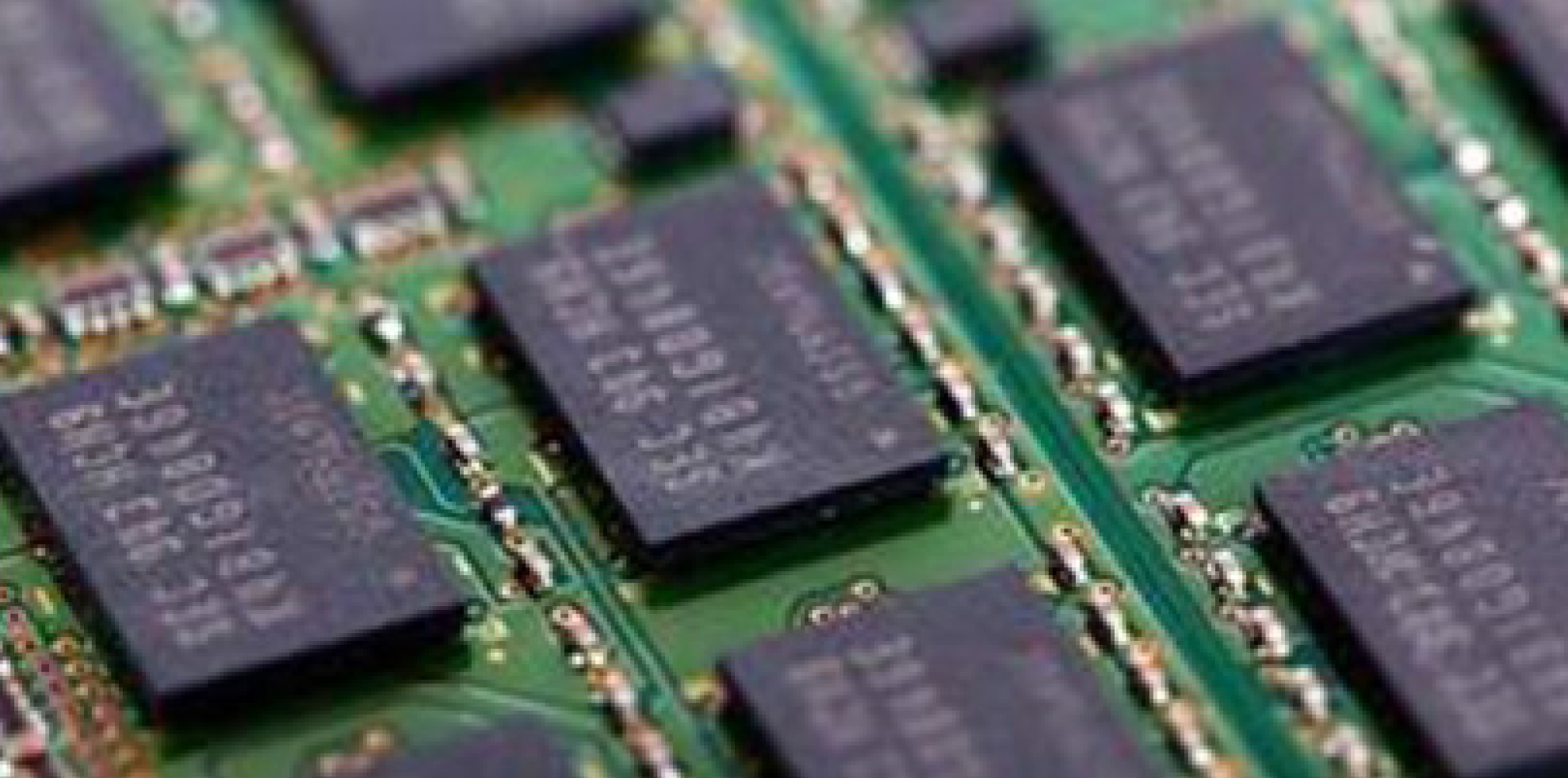
By item, there were increased exports of ships (59.2%) and general machinery (8.1%), while there were decreases in information technology (IT) items such as displays (-29.3%), petroleum products (-27.3%), petrochemicals (-23.8%), and steel (-10.7%) and so on.
Looking at Korea’s export status by region in April, there were decreased exports to China (-26.5%) and ASEAN (-26.3%), which have a high share of semiconductor exports.
On the other hand, exports to the European Union (9.9%) and the Middle East (30.7%), which are related to increased automobile exports and infrastructure investment, increased during the same period.
Imports in April dropped to $52.23 billion, down 13.3% from a year earlier, due to a decline in energy imports amid falling energy prices. As a result, the April trade balance continued to lose $2.62 billion.
Korea’s monthly trade balance has been in deficit for 14 consecutive months since March 2022. This is the longest level since the trade deficit occurred for 29 consecutive months from January 1995 to May 1997.
korean-electronics.com | Blog Magazine of korean electronics, brands and Goods

 Korean-Electronics.com
Leave a comment