Explore the Surroundings of Gyeongbokgung Palace in Hanbok

https://korean-electronics.com//inquiry

Gyeongbokgung Palace is one of the most recognizable cultural heritage and tourist sites in Korea. Once a palace where the kings of the Joseon dynasty resided and ruled the kingdom, its shining presence can still be found amid majestic buildings in the heart of Seoul. The area surrounding the palace is full of experience spaces, exhibition halls, and restaurants beloved by Gen Z. This area can broadly be divided into Seochon and Bukchon areas, centered around different themes. Considering the area’s historical significance, wearing a hanbok as you explore the area can enrich your memory of the visit even further.

Explore the sensibilities of small alleyways in the Seochon area
Seochon is a village west of Gyeongbokgung Palace and can be accessed through Yeongchumun Gate, the western gate of Gyeongbokgung Palace. Once a village occupied by artists, Seochon has a rather humble, unique atmosphere with small, single-story buildings lining the narrow alleyways, in contrast to the glittering splendor of central Seoul. In recent days, Seochon has begun to draw a large crowd of younger visitors with chic and elegant boutiques, galleries, and cafés that renovate the old buildings with contemporary sensibilities.
The first stop in this Seochon trip is Groundseesaw Seochon. This exhibition space became prominent with hip and interesting exhibitions like “Photographs by YOSIGO: Holiday Memories” and “Accidentally Wes Anderson: Inspire. Discover. Adventure Awaits.” The building itself impresses with its architectural merits, which were recognized by the 2020 Seoul Architecture Award. Going inside, one can find a pond and a garden built at the center of the building, creating a peaceful ambience like that in a forest. Just visiting the building, in that sense, is an experience that exceeds one’s expectations.

When emerging from the complex net of alleyways, one finds a two-story residential building with a small signboard. This building houses the Korean branch of “Ofr.,” a French independent bookstore. This seemingly mundane residential building houses a treasure trove of chic and quirky items waiting to be discovered by the discerning shopper. From rare edition books from abroad casually arranged in piles to design posters hung up on walls with peeling paint and colorful tote bags thrown around the space, the interior space exemplifies the casual yet chic ambience that has captivated many members of the Korean Gen Z. For travelers, Ofr. offers T-shirts made in-house, cute accessories, and interior decorations that make for great souvenirs.
In a village awash in retro sensibilities, Dae-o Bookstore stands out as the most analog of its spaces. From the peeling paint of its signboard to the worn organ once belonging to the elderly couple who owned the bookstore, earthenware pots, and furniture adorned with jagae (mother-of-pearl and lacquer craft), this old hanok (traditional Korean house) building contains numerous stories that have accumulated in it since 1951. Its unique ambience led to the interior being featured in the jacket photograph of singer-songwriter IU’s first cover album, “A Flower Bookmark.” Today, Dae-o Bookstore functions as a book café, open to those who order beverages.

A two-minute walk from Dae-o Bookstore brings one to Seochon’s famous Tongin Market, a local market with a hundred-year-long history. The delicious smell from the market makes it difficult to just go past the market. The most famous dish served in the market is the oil tteokbokki, rice cakes seasoned and stir-fried in a hot pan. Unlike other tteokbokki, oil tteokbokki has a thick sauce. The rice cakes become crispy flavor bombs dense with savory flavors, culminating in a unique gourmet experience. Another option is to go for the “Coin Lunchbox,” a DIY lunchbox you can assemble with different dishes offered in Tongin Market. The coins used in exchange replicate the coins used in the Joseon period. Multilingual signage makes the experience accessible to international visitors as well.

Take the pic of the day, with hanok buildings as a backdrop, at the Bukchon area
Bukchon is another tourist site that one can visit in conjunction with Gyeongbokgung Palace. Compared to Seochon, the hanok buildings in Bukchon tend to be much better preserved, and Bukchon also has parks, a café street, and other interesting sights. The gate that originally led to Bukchon was Geonchunmun Gate, the eastern gate of Gyeongbokgung Palace, but today, visitors must use the entrance of the National Folk Museum of Korea instead.
The centerpiece of the Bukchon area is Bukchon Hanok Village. Originally a historic neighborhood occupied by the members of the royal family, yangban (aristocracy), and state officials in the Joseon period, most hanok buildings in the village follow the urban format, which eschews the open arrangement of traditional hanok buildings that reveals the central courtyard to the beholder, instead featuring higher walls that ensure greater privacy. The photo spot at the top of the hill allows one to capture the unique scenery of the hanok buildings and Namsan Seoul Tower at a distance in a single frame. Bukchon Hanok Village is a residential neighborhood, so one should not disrupt the residents’ privacy or enter the residents’ houses without permission.
When starting from Gyeongbokgung Palace and coming up the road via the Bukchon Hanok Village Information Center, one soon finds a curiously fragrant spot at the entrance to an alleyway. The fragrance comes from the brand shop “GRANHAND.,” a hip Korean fragrance brand that enjoys considerable popularity among the members of Gen Z in Korea. GRANHAND. has eight stores across Seoul. Bukchon’s branch, established in 2014 as the brand’s first store, is also the only GRANHAND. store set in a hanok building. The store offers a range of fragrance products, from perfumes to diffusers, candles, and oils. GRANHAND. is famous for describing its fragrances like works of literature. Unfortunately, these descriptions are not available in languages other than Korean. Visitors can test the fragrances to search for their favorite among the many offered in the store. The earthenware pot-shaped candle, in particular, is only offered in the Bukchon branch, so it makes for a great souvenir or a gift.
One can find a unique restaurant serving gukbap (rice soup), a Korean soul food, at the alley that leads to the National Museum of Modern and Contemporary Art, Seoul. It is ANAM, a Bib Gourmand restaurant included in the MICHELIN Guide Seoul 2024. Koreans often associate “pork and rice soup” with white or red soup, but the one served in ANAM is green in color, which comes from the oil used to flavor the soup. In winter, the oil is made with Cheongyang chili pepper and kale, while in summer, the oil features Cheongyang chili pepper and pigweed. The oil imbues the soup with a rich fragrance of vegetables. One can also add cilantro to taste.
After a meal, head to Onion Anguk for sweet desserts and tea. This bakery café is housed in a hanok space refined with contemporary sensibilities. There are terrace and table seats, but the most popular seats in the café are those in the wood-floor hall, where one can sit on the floor. Another claim to fame is its baked goods menu, represented by the Pandoro and Ang Butter (bread with red bean paste and thick butter slices). Add an iced Americano or their signature milk tea to add a layer of richness to the desserts.

korean-electronics.com| Blog Magazine of korean electronics, brands and Goods

Korea’s Exports Continue their Growth Trend in March

https://korean-electronics.com//inquiry

Recording trade surplus of $4.28 billion
Korea’s exports in March continued their growth trend for the sixth consecutive month despite a decrease in the number of working days, marking the tenth consecutive month of trade surplus. Semiconductor exports, the country’s largest export item, drove this growth by achieving their highest performance in 24 months.
According to the nation’s Ministry of Trade, Industry and Energy, exports in March totaled $56.56 billion, a 3.1% increase year-on-year, while imports recorded $52.28 billion, a 12.3% decrease over the same period. Consequently, the trade balance ― exports minus imports ― reached $4.28 billion, marking a streak of surpluses for the tenth consecutive month.

March exports were very positive, increasing compared to the previous year despite a 1.5 working days decrease (two-day on weekdays). Average daily exports, adjusted for working days, also recorded $2.51 billion ― a 9.9% increase from the previous year.
This trade surplus was the result of increased exports in seven of the 15 major export items. In particular, IT items (semiconductors, displays, computers, and wireless communication devices) led the nation’s exports by recording positive growth for the first time in 24 months since March 2022.
Exports of semiconductors, the largest export item, reached $11.7 billion in March ― marking the highest performance in 24 months since March 2022 ($13.1 billion) and continuing a positive trend for five consecutive months.
Exports of displays increased by 16.2% year-on-year, showing an upward trend for eight consecutive months, while computer SSDs rose by 24.5%, marking three consecutive months of growth.
Exports of wireless communication devices increased by 5.5%, breaking a three-month negative trend and turning positive.
Meanwhile, exports of ships surged by a massive 102.1%, continuing their positive trend for eight consecutive months. Exports of biohealth products also rose by 10.0%, marking five consecutive months of growth. In addition, exports of petroleum products also turned positive after just one month.
By region, exports to China (+0.4%), Korea’s largest export destination, recorded positive growth in March, following January. Notably, the daily average export figure ($470 million), adjusted for working days, increased by 7.1%, maintaining a positive trend for four consecutive months since December of last year.
Exports to the United States reached $10.9 billion (+11.6%), recording a double-digit growth rate and continuing an upward trend for eight consecutive months, setting a new record for the highest export value ever for the month of March. Meanwhile, exports to Central and South America (+14.4%) also continued a positive trend this year, increasing for three consecutive months.

korean-electronics.com | Blog Magazine of korean electronics, brands and Goods

Beyond the Hallyu Wave: K-Culture Brands Emerge as a Global Economic Powerhouse

https://korean-electronics.com//inquiry

South Korea’s cultural industries have evolved far beyond a pop-culture phenomenon into a pillar of the national economy.
According to the 2025 Content Industry Survey by the Ministry of Culture, Sports and Tourism, Korea’s content-industry exports reached a record $14.07 billion in 2024, showing a 5.5% increase year on year.
Total Hallyu-related exports — spanning content, consumer goods, and tourism — amounted to $15.18 billion. The production-inducement effect was estimated at KRW37.62 trillion, and the employment-creation effect stood at 175,381 jobs. From K-Pop albums and Netflix dramas, to instant noodles, and biosimilar drugs, K-Culture brands are now reshaping global trade patterns in tangible, measurable ways.
Korea’s content industry posted aggregate revenue of KRW157.40 trillion in 2024, up 2.1% from the prior year. Meanwhile, the number of firms rose 2.4% to 120,875, while employment grew by 3.4% to 688,121.
Exports produced a trade surplus of $13.16 billion, while Games dominated the export mix at $8.50 billion (60.4%), followed by music at $1.80 billion and broadcasting and video at $1.26.

K-Pop enters a new chapter as BTS makes a huge comeback
Music-industry exports totaled $1.80 billion in 2024, although physical album sales showed a correction. K-pop album sales fell to 93.28 million copies, a 19.4% decline and the first drop in a decade.

Meanwhile, album exports to Japan fell by 24.7% to $89.79 million. Several European markets also contracted, including: the Netherlands by 35.4%, France by 17.2%, and the United Kingdom by 15.7%. Among major companies, SM Entertainment recorded revenue of KRW989.9 billion, while YG Entertainment swung to an operating loss of KRW20.5 billion based on revenue of KRW364.9 billion.
In March 2026, BTS released its fifth studio album, ARIRANG, marking their triumphant return as a full seven-member group after nearly four years. The industry felt the impact immediately as pre-orders shattered all records, exceeding five million copies within the first week alone.
The album’s dominance was solidified on the Billboard charts, where ARIRANG debuted at No. 1 on the Billboard 200, making BTS the first group in history to secure seven chart-topping albums this decade.
The title track simultaneously conquered the Billboard Hot-100, fueled by unprecedented streaming numbers; the lead single held the top spot on Spotify’s Daily Top-Songs Global for a record-breaking week, while the group became the first Asian act to see an entire album sweep the top of Apple Music’s Global charts.
To celebrate these achievements, a massive comeback concert at Gwanghwamun was live-streamed via Netflix to 190 countries, trending at number one in over 80 regions.
Their subsequent world tour, covering 34 cities and 79 shows, has officially set the all-time record for the highest-grossing single tour by a K-pop act. IBK Investment and Securities estimated direct revenue at approximately KRW2.9 trillion, with broader economic effects—including tourism, lodging, and dining — exceeding KRW3 trillion.

How Korean dramas conquered every Netflix chart that matters
Broadcasting and video revenue reached KRW24.99 trillion in 2024, with exports of $1.26 billion. Broadcast-content exports grew from $336.02 million in 2014 to $1.05 billion in 2023.
Drama accounted for 92.2% of finished-program exports. North America was the largest market at $171.53 million; the greater China market shrank to $26.22 million, from $109.63 million in 2014.

Squid Game Season 3, released in July 2025, drew 60.1 million views within three days and topped all 93 Netflix markets — a platform first. Cumulative views surpassed 106.3 million within ten days.
Season 1 still holds the all-time Netflix record of 1.65 billion hours in its first four weeks. The franchise’s three seasons rank first through third among non-English titles in Netflix history.
In the first half of 2025, eleven Korean dramas entered Netflix’s global Top 100. “When Life Gives You Tangerines” was named the top Korean drama of 2025 by the American magazine Time.


K-Movie sets sales records across 205 countries
The domestic box office contracted modestly in 2024, with total revenue of KRW1.19 trillion (down 5.3%), though Korean films outperformed at KRW691.0 billion (up 15.5%) and a 58% market share.
Two films surpassed 10 million admissions: “Exhuma” at 11.91 million and “The Roundup: Punishment” at 11.50 million.
Park Chan-wook’s latest film achieved pre-sales in 205 countries in 2025, surpassing the 2023-country record set by Parasite and generating overseas revenue of approximately KRW17.0 billion.
Total Korean film exports in 2023 stood at $79.22 million according to the Korean Film Council, with finished-work exports of $62.16 million, the third-highest figure on record.

What comes next for K-Culture?
K-Culture brands have entered a new phase defined by structural diversification rather than any single breakout success.
K-Gaming and K-Drama demonstrated their platform-era competitiveness through the dominance of content exports and Netflix viewing records, respectively.
The BTS comeback’s estimated economic impact of more than KRW3 trillion illustrates that K-Culture now generates multiplier effects across tourism, consumer goods, and services that extend far beyond the cultural sector itself.

korean-electronics.com | Blog Magazine of korean electronics, brands and Goods
Homecare Devices

https://korean-electronics.com//inquiry

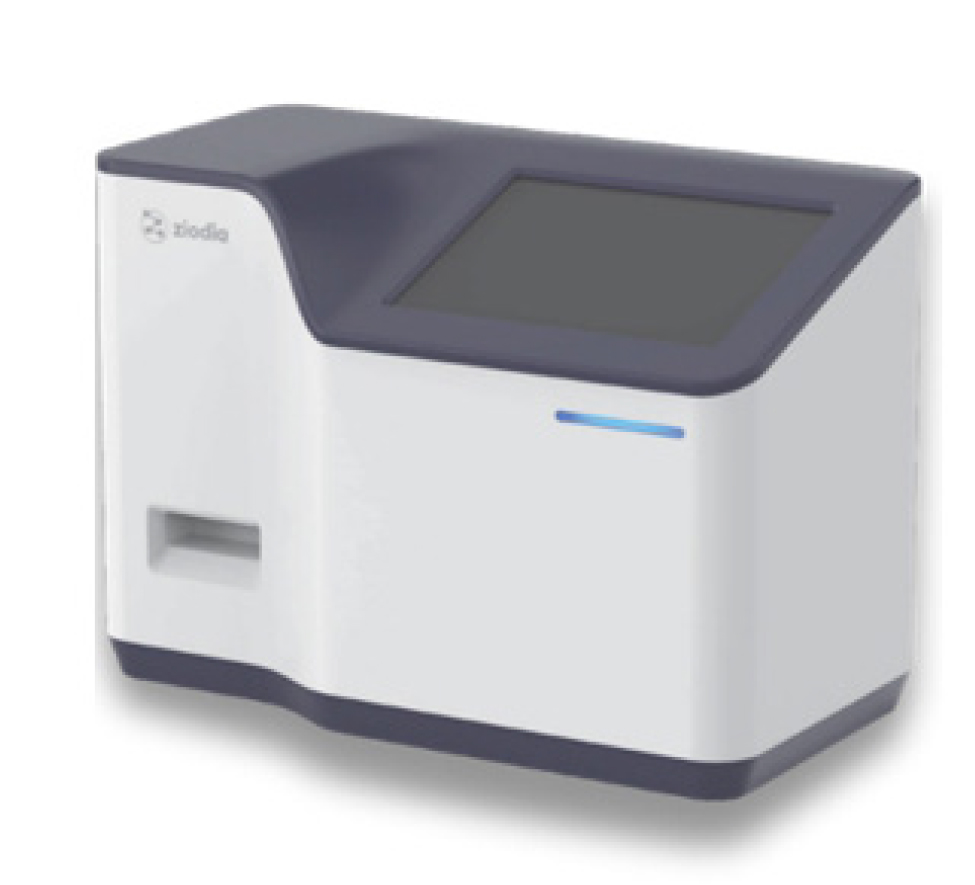
[INQ. NO. 2604C08] WON MEDCO is a subsidiary of WONTECH, a company specializing in medical aesthetics, and developing and supplying homecare devices and functional cosmetics based on energy technology for hospital medical devices.
Leveraging WONTECH’s accumulated expertise in hospital equipment ― including ultrasound, radio frequency (RF), and lasers ― WON MEDCO is building a product portfolio that reinterprets the technical concepts of professional treatment areas to enable their application in the home.
Through an integrated development approach that designs and plans cosmetics linked to devices, rather than using the devices in isolation, WON MEDCO proposes comprehensive homecare solutions. Leveraging its strengths in quality control and technological stability derived from medical-device manufacturing experience, WON MEDCO is simultaneously expanding into both B2B and B2C markets.

In the domestic market, WON MEDCO has expanded its distribution and partnerships centered on homecare devices and functional cosmetics. Overseas, it is currently discussing exports and collaborations with clients in major Asian countries, including Hong Kong, Thailand, Vietnam, and Indonesia.
In particular, through participation in Hong Kong Cosmoprof Asia, WON MEDCO established a network with distributors and aesthetics-related firms in the Asian region, and in some countries, test sales and introduction reviews were conducted through local distribution partners. WON MEDCO is expanding its global recognition by continuously participating in overseas exhibitions, focusing on the combined medical and beauty market.
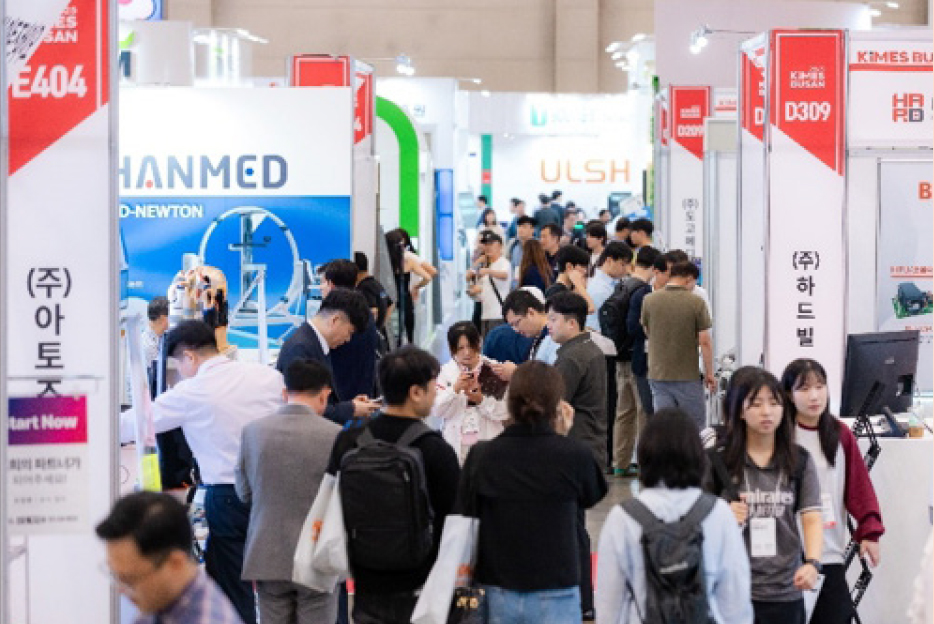
At the recently held KIMES 2026, WON MEDCO clearly projected its identity as a homecare solutions company based on medical device technology. The main objectives of participating in the exhibition were to share the applicability of homecare devices and linked cosmetics with medical device and hospital officials, and to identify new collaboration opportunities with domestic and international buyers and partners. Additionally, WON MEDCO focused on gathering on-site feedback regarding its product portfolio and strengthening technological credibility through specialized medical device exhibitions.
WON MEDCO showcased its ultrasound-based skin-lifting homecare device Ultraskin S, the multi-frequency microcurrent device Petite Glow, and the Hairbeam series, which utilizes low-power laser technology. These products are characterized by designs that adapt medical device technology concepts to a home environment. The company also introduced a lineup of functional cosmetics designed for simultaneous use with the devices, such as the Cryo-Derm Mask and Oligo-Lifting Cream. Thus, it proposed an integrated solution that enhances homecare efficiency through the simultaneous use of devices and cosmetics.

WON MEDCO’s primary target markets are in Asia, including Thailand, Vietnam, Indonesia, and Hong Kong. These countries are evaluated as markets with high growth potential in the homecare and aesthetics sectors, as well as promising increasing demand for medical device-based beauty solutions. The company has designated local distributors, aesthetics-related companies, and partners with hospital networks as key collaboration targets, while also reviewing the possibility of collaboration with overseas home shopping, online platforms, and specialized distribution channels.
WON MEDCO plans to continue developing homecare devices and cosmetics linked to medical-device technology and gradually expand business opportunities in the global market by participating in major medical and beauty exhibitions. The company aims to solidify its competitiveness in the medical device technology-based homecare market by strengthening brand awareness and distribution networks through participation in overseas exhibitions such as Cosmoprof Asia and IMCAS Asia.

 
korean-electronics.com | Blog Magazine of korean electronics, brands and Goods
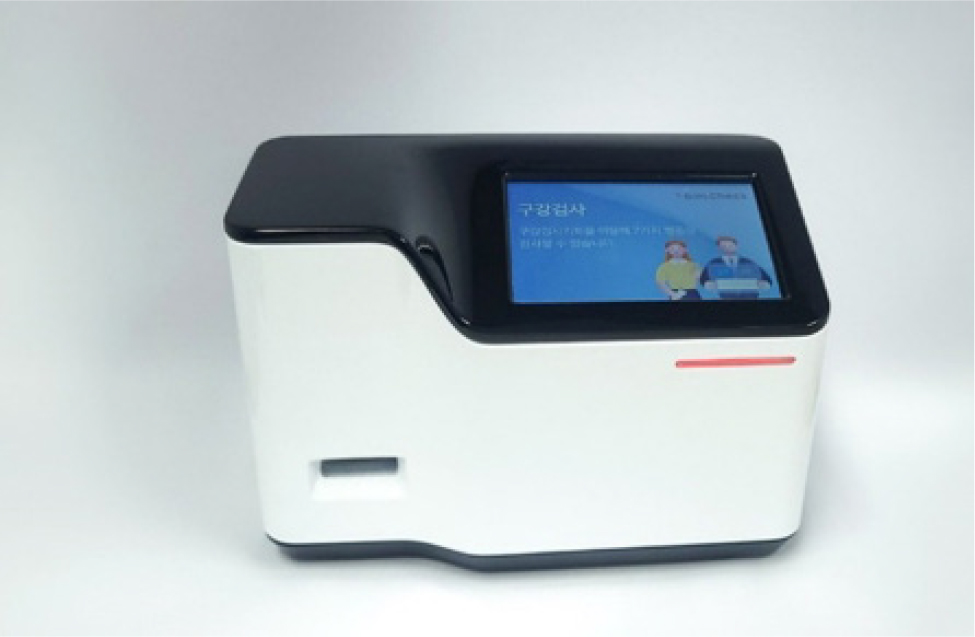
Digital Therapeutic Device for Improving Nicotine-Use Disorders

https://korean-electronics.com//inquiry

[INQ. NO. 2604E07] Innerwave Inc. is a software technology company that has grown through extensive experience in providing IT services both for public institutions and major corporations. Through continuous research and development, the company has expanded into the digital healthcare sector ― focusing on AI-based diagnostic support, treatment, and monitoring solutions, as well as AI healthcare platforms. Leveraging its expertise, Innerwave has concentrated on digital medical device development and related services.
Recently, Innerwave received regulatory approval from the Ministry of Food and Drug Safety (MFDS) in Korea for its digital therapeutic device for nicotine-use disorders, under the brand name of Dr. JinNicojini. This product is a mobile app–based digital therapy prescribed to patients after being diagnosed by psychiatric or family medicine specialists. It is structured as an eight-week program grounded in Cognitive Behavioral Therapy (CBT), combining coping strategies for nicotine cravings with motivational-enhancement training to support patient self-management in daily life.

Dr. JinNicojini is a product developed to apply cutting-edge technology through innovative medical device approval ― and it has secured content differentiation based on personalized features. The app delivers personalized content through a stepwise eight-week treatment protocol designed to facilitate behavioral change. By collecting and analyzing digital patient data, it supports adherence monitoring and sustained engagement throughout the treatment process. It is significant in that it is a digital therapeutic device that has obtained regulatory approval in Korea, with the goal of improving people’s nicotine-use disorders.
Building on its experience in developing disease-management applications and patient-management platforms for high-level general hospitals, Innerwave plans to expand its domestic clinical references following commercialization. By promoting the adoption of its innovative medical technology in healthcare institutions, the company aims to accumulate real-world clinical cases and strengthen synergies with its broader AI healthcare platform business.
For its overseas expansion strategy, Innerwave has set the German Digital Health Application (DiGA) market as its primary target. To this end, it is preparing to obtain CE MDR certification, as it believes Germany is a market where the regulatory integration of digital therapeutic devices can occur relatively quickly compared to other countries. After securing sufficient domestic references, we plan to pursue a phased expansion into the European and Southeast Asian markets.
Innerwave plans to expand its portfolio of disease-specific digital therapeutic devices based on its digital medical-device development service capabilities and AI-based platform technology.
Starting with Dr. JinNicojini Genie, the company intends to advance its technological competitiveness and business model in the field of digital therapy, and accelerate its entry into the global digital healthcare market.
Innerwave has obtained regulatory approval for software medical devices, achieving development milestones in digital medical devices, mobile health, and AI disease prediction systems—backed by AI-based development infrastructure and clinical data from medical institutions. “We are committed to driving global digital biohealth innovation through our comprehensive one-stop integrated service utilizing medical platforms, AI, and Big Data Cloud technologies,” remarked the company’s CEO.

korean-electronics.com | Blog Magazine of korean electronics, brands and Goods
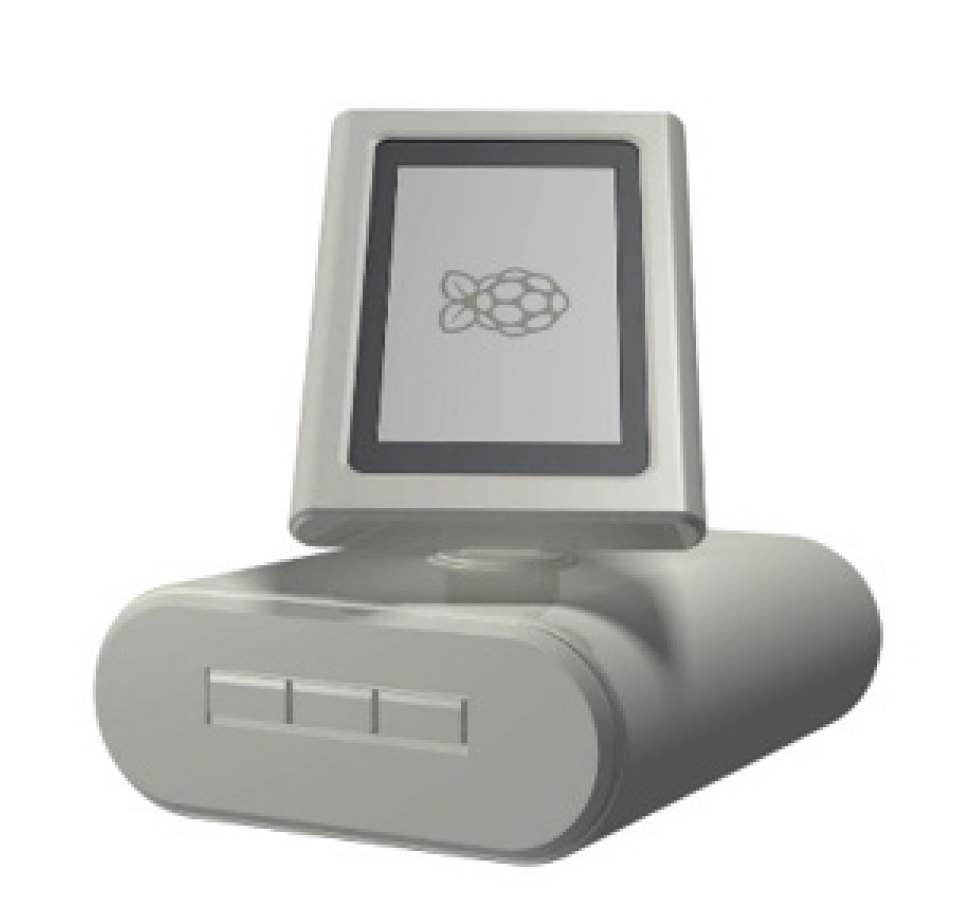
Digital Therapeutics

https://korean-electronics.com//inquiry

[INQ. NO. 2604E06] Founded in 2016 as a spin-off from Samsung Electronics, WELT specializes in digital therapeutics, developing digital-healthcare solutions that combine medical expertise with advanced IT technologies based upon the concept of ‘Wellness Technology.’ The company adheres to the core principle of developing clinically validated software medical devices and has expanded its business based on products that have demonstrated safety and efficacy through regulatory approval.
WELT has developed digital therapeutics for insomnia and eating disorders, and is advancing an ‘AI Combo Drug’ strategy that integrates digital treatment with conventional pharmaceutical therapies. By leveraging AI to analyze patient data, the company aims to optimize medication timing and manage treatment adherence, embedding digital technology throughout the entire patient-care journey.
In 2023, WELT obtained approval from Korea’s Ministry of Food and Drug Safety (MFDS) for its insomnia treatment, digital therapeutic SleepQ, establishing a foundation for commercialization in Korea. The company has since collaborated with pharmaceutical firm Handok to expand prescriptions and distribution across domestic medical institutions, promoting a new treatment approach that combines digital therapeutics with conventional medication.

Mobile-based Digital Therapeutic Treatment
SleepQ is a mobile-based digital therapeutic treatment that delivers Cognitive Behavioral Therapy for Insomnia (CBT-I), traditionally administered in person at hospitals. Designed as a six-week treatment program prescribed by medical professionals, SleepQ analyzes patients’ sleep diaries and behavioral data to provide personalized treatment plans.
The platform integrates core CBT-I components such as sleep restriction, stimulus control, cognitive restructuring, relaxation therapy, and sleep-hygiene education. Through a connected system comprising a patient app and a clinician dashboard, healthcare providers can monitor and manage the treatment process efficiently.

Clinical trial results have demonstrated its effectiveness. After seven weeks of treatment, patients using SleepQ showed an average 15.14% improvement in sleep efficiency and a reduction of over 55% in sleep onset latency, confirming meaningful improvements in sleep outcomes.
WELT recently also showcased DrugOS, its AI-powered drug optimization platform. DrugOS analyzes patients’ physiological and behavioral data in order to recommend optimal medication timing and dosage adjustments tailored to changes in the patient’s condition.
DrugOS implements a ‘Just-in-Time’ medication-management model by identifying disease progression patterns and optimizing medication schedules accordingly. An AI agent continuously interacts with patients to collect additional data, refining treatment strategies over time. This approach enables pharmaceutical companies to enhance therapeutic outcomes by integrating digital technology with existing drugs, without altering the drugs themselves.
In recognition of its technological innovation, WELT received a CES Innovation Awards 2026 honor, drawing global attention in the digital healthcare sector.
WELT is actively expanding into global markets. In Europe, the company has established a local subsidiary in Germany, and is conducting clinical trials for adult insomnia patients in collaboration with Charité – Universitätsmedizin Berlin, one of Europe’s largest university hospitals. WELT has also secured CE certification and ISO 27001 certification, thereby reinforcing its data security and medical device quality-management systems.

In the United States, WELT is expanding its partnerships with global pharmaceutical companies through board-level engagement with the American Telemedicine Association (ATA) and is strengthening its digital healthcare ecosystem through joint research with Oura Health.
In the Middle East, the company is exploring market entry opportunities through discussions with regulatory authorities in the UAE and engaging potential partners at global exhibitions such as WHX Dubai.
Looking ahead, WELT plans to enhance SleepQ with expanded AI capabilities in SleepQ 2.0 and broaden its digital therapeutic pipeline beyond insomnia to include eating disorders, migraines, diabetes, hypertension, and other chronic conditions.

 
korean-electronics.com | Blog Magazine of korean electronics, brands and Goods
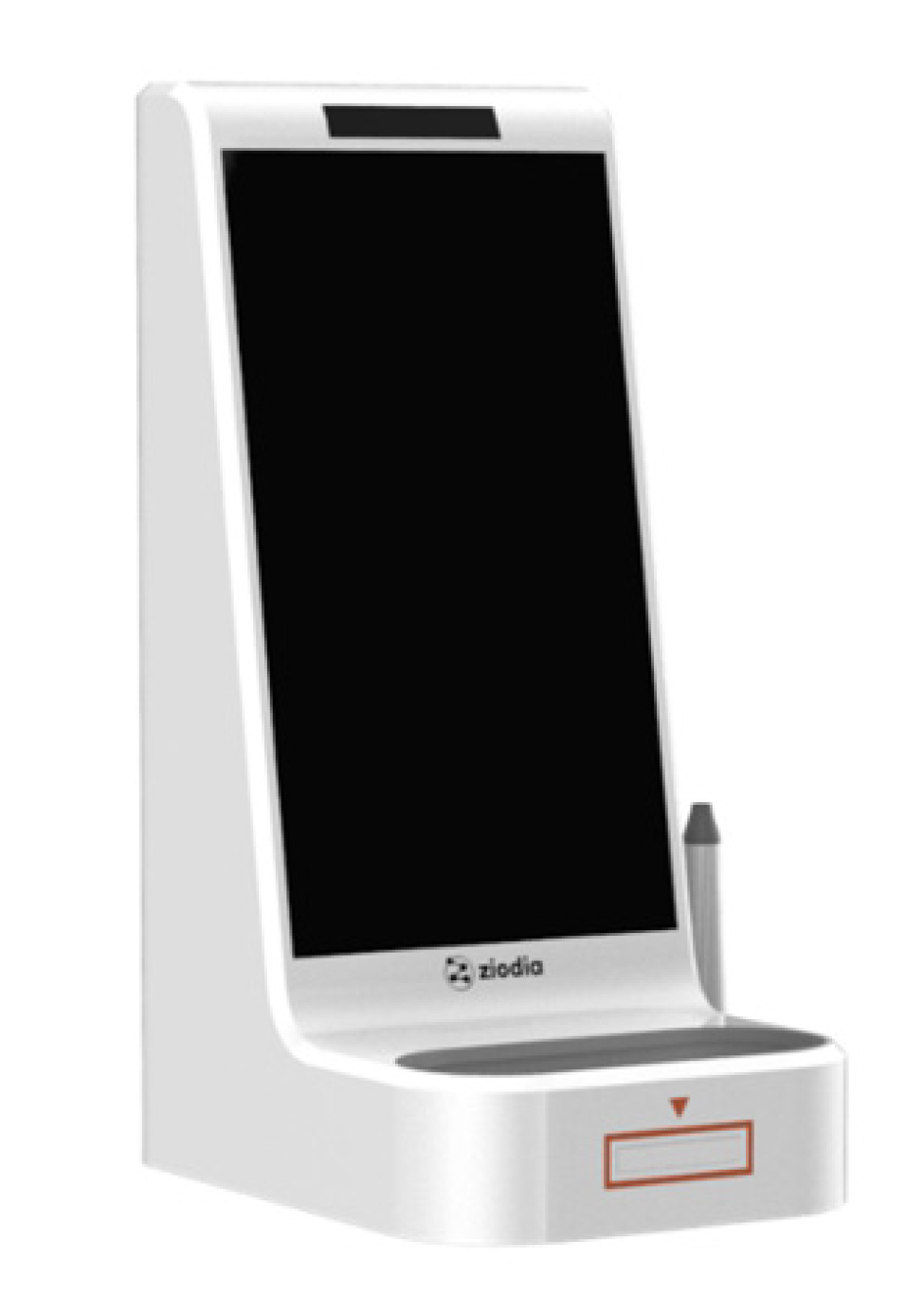
AI-based Software as a Medical Device

https://korean-electronics.com//inquiry

[INQ. NO. 2604E05] a.cure Co., Ltd. is a digital healthcare company developing AI models that predict disease risk based on voice analysis. Established in June 2024 by a team with experience in developing Korea’s first digital therapeutic device, Somzz, the company is currently advancing by developing AI-based Software as a Medical Device (SaMD), Heart to Voice, designed to analyze the voices of heart-failure patients and high-risk groups. The solution aims to detect early warning signs, prevent emergency events, and reduce hospital readmissions.
Rather than focusing on a single product, a.cure is building a comprehensive digital medical ecosystem that spans early screening ―> diagnostic support ―> post-discharge monitoring. In the long term, the company plans to integrate traditional pharmacological treatments such as diuretics, smartphones, and mobility services to create cross-industry healthcare synergy.
a.cure is currently conducting exploratory clinical trials to further refine Heart to Voice. In the first half of this year, a.cure is advancing with the development of a 90-day prescription-based monitoring AI SaMD for heart failure patients following hospital discharge. In the second half of the year, the company aims to apply for approval through the Korean Ministry of Food and Drug Safety’s Integrated Review Program for Innovative Medical Devices.

Global expansion efforts are also underway. In the first half of the year, a.cure plans to conduct Proof-of-Concept (PoC) projects in collaboration with Medstown in India and PMK Group in Singapore, integrating Heart to Voice into local chronic-disease management platforms. In the second half of 2026, the company intends to apply for the U.S. FDA Breakthrough Devices Program (BDP).
a.cure recently unveiled its 90-day prescription monitoring AI SaMD for post-discharge heart failure patients, and is currently seeking domestic and international distribution and sales partners. The company will conduct product demonstrations and technical briefings targeting pharmaceutical companies, diagnostic firms, and digital health platform operators, while exploring strategic collaborations for overseas PoCs and commercialization.

Digital Cardiopulmonary Product
Heart to Voice is a digital medical product that analyzes approximately 10 seconds of speech using only a smartphone, without requiring additional medical equipment. The AI quantifies biological signals embedded in vocal data ― such as breathing patterns, subtle vocal tremors, and acoustic energy distribution ― closely related to cardiopulmonary function. Based on this analysis, heart-failure severity is classified into four stages ― Normal, Mild, Moderate, and Severe. Exploratory clinical trials have demonstrated predictive performance with an AUC of approximately 95%.

Because the solution is non-invasive and allows for repeated measurements, it can be used in daily life outside the hospital setting. This makes it particularly suitable for continuous monitoring after discharge and for early detection in high-risk populations, positioning it as a next-generation digital-health technology.
Globally, heart failure affects an estimated 120 million people. Approximately 24 million patients are located across five major markets: Korea, the United States, China, Japan, and Singapore. Considering patient population size, as well as digital health adoption, and healthcare accessibility, a.cure has identified the United States, Japan, China, India, Indonesia, and Singapore as key target markets. The company plans direct SaMD entry into the United States and Japan, while pursuing a phased market approach in China, India, Indonesia, and Singapore through partnerships with chronic-disease management platforms based on an “early cardiac-risk detection” wellness service model.
“We will continue enhancing the accuracy of our AI-based heart failure severity model and expanding global validation datasets to strengthen our technological credibility. Through expanded domestic and international distribution partnerships and participation in major global exhibitions ― including MEDICA 2026, SWITCH 2026, and CES 2027 (Innovation Awards application) ― we will accelerate our growth as a global leader in medical AI,” explained the company’s CEO.
 
 
korean-electronics.com | Blog Magazine of korean electronics, brands and Goods
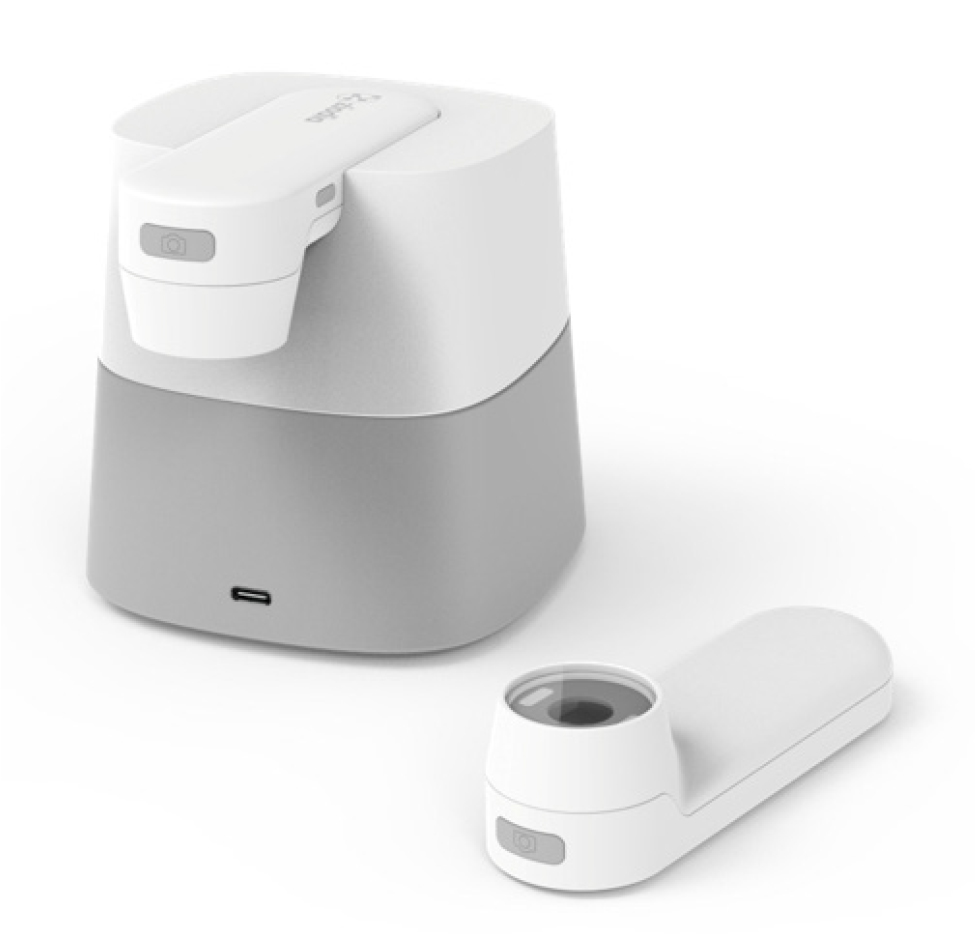
AI-Based Medical Imaging Solutions

https://korean-electronics.com//inquiry

[INQ. NO. 2604E04] Silla Systems Co., Ltd., founded in 2005, is a software- and AI-based medical device solution company that has expanded into the digital healthcare sector by balancing its legacy software development capabilities with advanced medical artificial-intelligence technologies.
Since 2010, Silla Systems has steadily secured technologies and patents related to medical image analysis. Based on this foundation, it has developed and is commercializing AI-powered medical imaging solutions including its Pine-DX, Walnut-DX, and AIVis-Q.
In 2024, Silla Systems obtained K-GMP certification and medical device manufacturing certification for Pine-DXC (PDC-01), establishing a compliant medical-device manufacturing and quality management system.

Silla Systems is actively conducting product validation and refining service models in collaboration with major domestic hospitals and mass-screening institutions, while gradually expanding real-world applications through research-oriented deployments.
For overseas expansion, Silla Systems has acquired ISO 13485 certification and completed Class-B medical-device registration in Vietnam, as well as medical-device distribution approval in Indonesia. Building on these milestones, the company began exporting products to a Vietnamese distributor in 2025, laying the groundwork for international market entry.

Through participation in overseas exhibitions and partner development activities, Silla Systems has signed MOUs with approximately 10 companies and is in discussions with over 30 buyers regarding potential collaboration models.

Multi-skeletal Disorder Diagnostic Support & Integrated Analysis Software
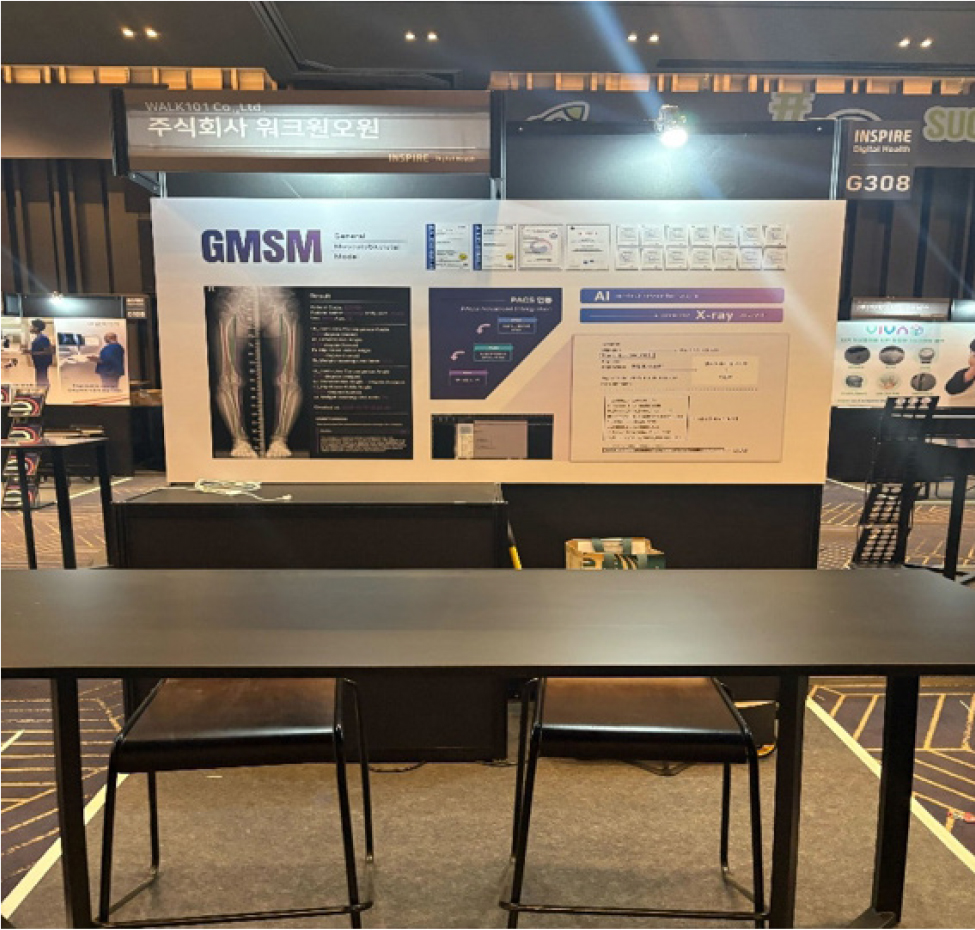
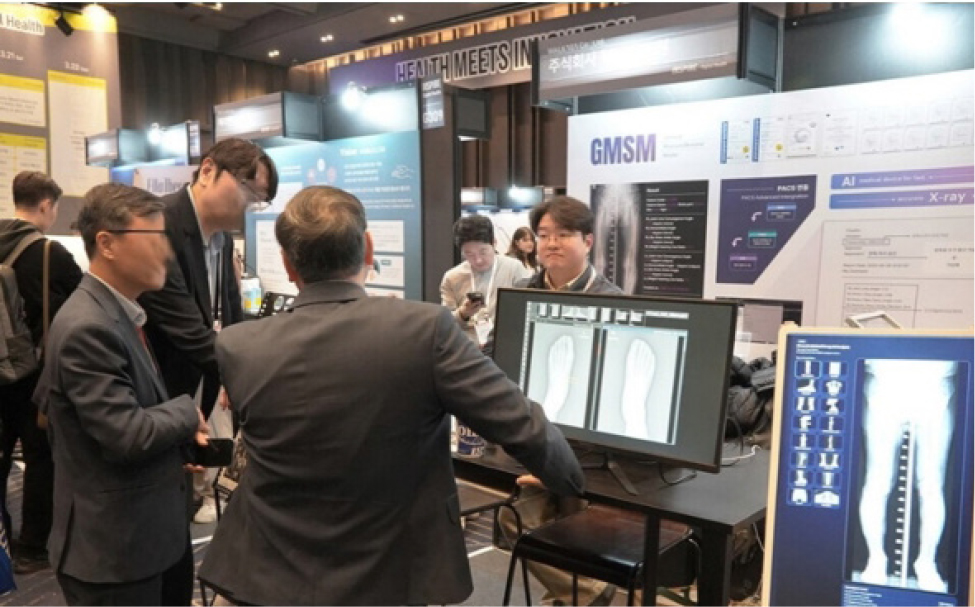
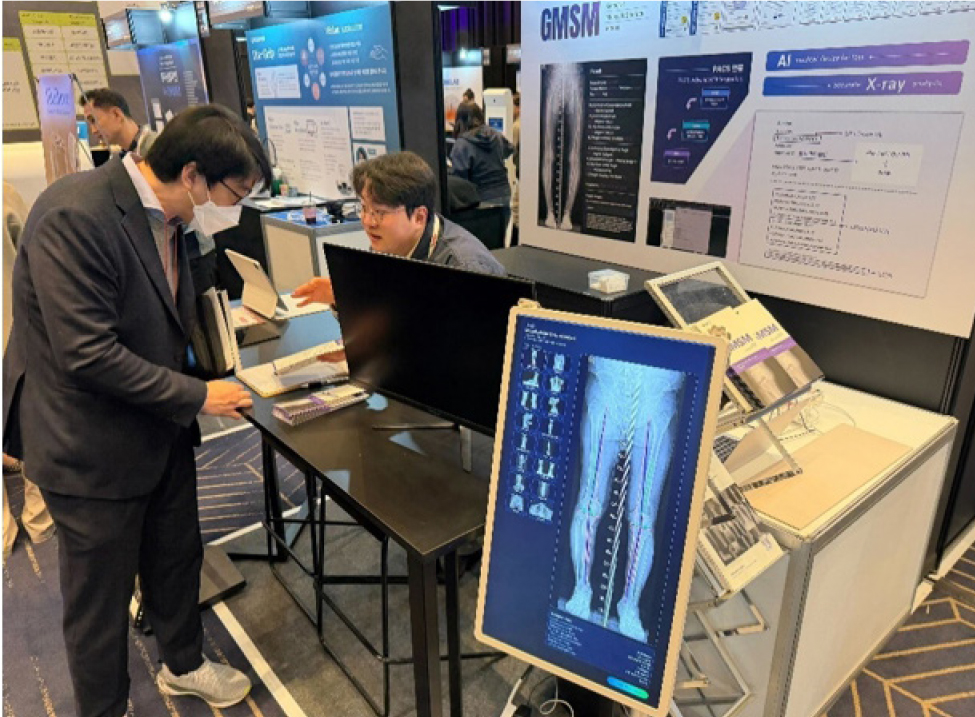
Silla Systems’ flagship product, Pine-DX, is a multi-skeletal disorder diagnostic-support and integrated-analysis software solution. The system is designed to allow modular or integrated use, depending on the needs of medical institutions and screening centers. Key functions include scoliosis analysis (Cobb’s angle and Nash-Moe analysis), bone-age assessment, ankle instability and knee ligament injury analysis, and flatfoot measurement.
The solution is designed to generate multiple analytical results from a single image, thereby enhancing diagnostic efficiency and providing clinically relevant data during the consultation process. Performance metrics include vertebral recognition accuracy measured by the mean Average Precision (mAP) of 97%, Cobb’s angle diagnostic accuracy of 95.74%, average analysis time of approximately 1.09 seconds, and mean absolute error (MAE) of 0.67 years in hand bone-age assessment.

AI-based Brain-Tumor Detection & Clinical-Decision Support System
Another core solution, Walnut-DX, is an AI-based brain-tumor detection and clinical-decision support system. It analyzes brain imaging data and provides quantitative insights to assist physicians during the diagnostic process.
Silla Systems views 2026 as a pivotal year for expanding its global footprint and has identified Vietnam as its primary overseas target market. Vietnam’s growing economy, increasing healthcare expenditure, and reliance on imported medical devices ― approximately 90% of the market ― present strong growth potential for digital healthcare solutions. Additionally, the Vietnamese government’s push to adopt digital medical technologies further strengthens market demand.
Silla Systems is currently in discussions with GH Vietnam, a local medical-device distributor, and Ibone Fiso, a medical device company operated by orthopedic specialists, regarding product-introduction and pricing strategies. These efforts are aimed at taking advantage of opportunities to supply products to local hospitals and medical institutions.
To further expand internationally, Silla Systems is pursuing regulatory approvals in additional countries including Thailand and Uzbekistan. It also aims to secure approvals for expanded product lineups by the first half of 2026.
Silla Systems is strengthening its overseas exhibition strategy, with planned participation in K-Med Expo Vietnam 2026, Indonesia HOSPITAL EXPO 2026, and Uzbekistan UZMEDEXPO 2026. Through these events, Silla Systems intends to identify local partners, conduct product demonstrations, and refine solutions in line with market needs.
 
 
korean-electronics.com | Blog Magazine of korean electronics, brands and Goods

Patch-Type Wearable EEG Sleep Monitoring System

https://korean-electronics.com//inquiry

[INQ. NO. 2604E03] Slowave Inc. is a digital neuro-healthcare company that supports clinical decision-making through patch-type wearable electroencephalogram (EEG) sensor technology and advanced signal analysis algorithms.
Slowave has independently developed lightweight, wireless wearable EEG devices and precision signal processing technology, and continues to conduct research and development aimed at acquiring quantitative brain-signal data applicable to various neuropsychiatric conditions, including sleep disorders, delirium, and ADHD.

Slowave is further advancing its brain-signal analysis capabilities into clinically applicable diagnostic support systems. In the future, the company plans to integrate neuromodulation technologies to link analysis and treatment, expanding into precision neuro-medicine systems. Through this approach, Slowave aims to grow as a neurotech company contributing to the establishment of data-driven neurological disease-management environments.
Slowave has completed international CB certification and GMP certification for its proprietary patch-type wearable EEG hardware, securing medical device–level technical reliability and manufacturing quality-management standards. Based on this foundation, the company has commercialized its lightweight, wireless brainwave monitoring system, SLOWAVE 1.0 ― providing quantitative EEG data that clinicians can reference during patient consultations and expanding its potential for clinical application.

Slowave is also engaged in international research collaboration. Slowave is conducting joint research on EEG-based delirium analysis with the University of Michigan Medical School in the United States and is expanding its clinical research network in the U.S. market. In addition, the company plans to participate in the SLEEP 2026 conference and exhibition to be held in Baltimore, USA ― in order to validate its technology in North America and broaden global partnerships.
‘SLOWAVE 1.0’ is a Class II medical device certified by Korea’s Ministry of Food and Drug Safety (MFDS). It is a wireless, wearable EEG-based sleep monitoring system developed to complement the limitations of conventional hospital-based testing environments. By applying a patch-type electrode structure, it reduces the inconvenience of multi-channel electrode attachment and dependence on large diagnostic equipment. Once prescribed, patients can conduct sleep measurements at home or in other convenient environments, and clinicians review the analyzed results during consultations. This model enhances the traditional single-session, hospital-based testing structure by enabling repeated and continuous brainwave monitoring.

Notably, Slowave utilizes its proprietary Phase Information Analysis (PIA) algorithm to perform precise EEG signal analysis. The system aims to provide quantitative data applicable not only to sleep disorder evaluation but also to neuropsychiatric conditions such as delirium and ADHD.
Slowave has identified the United States and Japan as its primary target markets. The United States is experiencing rapid growth in digital health and neurotechnology sectors, with increasing demand for data-driven assessment of sleep disorders and neuropsychiatric conditions. Building on its research collaboration with the University of Michigan Medical School, Slowave plans to expand partnerships with major university hospitals and sleep medicine institutions for joint research and clinical applications.
Japan, a country facing rapid population aging, is also seeing increased demand for delirium and sleep disorder management. Slowave plans to secure clinical data through joint research with local university hospitals and research institutions and pursue market entry in collaboration with Japanese medical device companies.
As part of its U.S. expansion strategy, Slowave plans to participate in SLEEP 2026 and HLTH exhibitions to strengthen its network with sleep medicine researchers and clinicians, while exploring partnership opportunities with global digital health companies and investors. Through a phased global partnership strategy, the company aims to expand its presence in the digital neuro-healthcare sector.


korean-electronics.com | Blog Magazine of korean electronics, brands and Goods
Digital Medical & Health Support Devices

https://korean-electronics.com//inquiry

[INQ. NO. 2604E02] VIV Health is a startup developing wearable digital healthcare devices, offering personalized health-management solutions based on biosignal processing algorithms and AI-driven analytics.
The company has advanced its core technologies in collaboration with Professor Wonseok Jang (CSO) ― formerly of Samsung Medison and Siemens Medical R&D, and currently a professor in the Department of Medical Device Industry at Yonsei University College of Medicine.
VIV Health is continuing its research and development activities at the Seoul Biohub.
On February 5, 2026, the main functions of VIV Health’s smart ring, VIV™ Ring, were officially registered under the Ministry of Food and Drug Safety’s ‘Digital Medical & Health Support Device’ framework. This marks the first case in Korea of a wearable device ― specifically in smart ring form ― being registered under this system. The registration is significant in that the device’s intended purpose and functions have been formally recognized within the institutional regulatory framework established under Korea’s Digital Medical Products Act implemented last year.
Following Samsung Electronics’ prior registration of heart rate, blood oxygen saturation, and step-counting functions within the Samsung Health app, VIV Health completed registration for the smart ring hardware itself, thereby establishing a differentiated position in the hardware-based wearable market.

The VIV™ Ring is a titanium smart ring equipped with a high-precision PPG sensor and AI-based biosignal processing algorithms, designed for 24-hour continuous monitoring. It measures and analyzes key biosignals and activity data, including heart rate, blood oxygen saturation, and step count ― while also tracking sleep, stress, heart rate variability (HRV), and exercise data in an integrated manner. Through AI analysis, the device classifies user types and provides personalized health insights.
In addition, it includes a sleep-inducing sound feature aimed at improving the sleep environment, moving beyond simple measurement toward a preventive, lifestyle improvement-focused health management model. Users can automatically measure biosignals simply by wearing the device without manual operation, and receive alerts when abnormal signs are detected. Real-time measurement functions are also available when immediate status confirmation is needed.
VIV Health is targeting both B2C and B2B markets through a scalable revenue model that combines hardware with subscription-based (SaaS) services. In Korea, the company is pursuing collaborations with healthcare platform providers, major insurance companies, and construction firms. Overseas, it is expanding OEM agreements across the United States, the Middle East, Europe, Asia, and Latin America, pursuing a diversified global market strategy rather than focusing on a single country.
VIV Health’s last participation in KIMES 2026 served as a strategic entry point for expanding into the domestic market following MFDS registration. At the exhibition, VIV Health plans to directly introduce to medical professionals and industry stakeholders the upgraded UX/UI and the smart ring’s suitability and practical applications for measuring and analyzing biosignals to support medical care and maintain or enhance health.
VIV Health highlights the fact that many chronic conditions — such as obesity, dyslipidemia, diabetes, depression, and sleep disorders — are closely related to lifestyle habits. Given that daily management is critical, 24-hour monitoring through wearable devices can establish a new standard for preventive health management.
Through its smart ring, VIV Health aims to build a data-driven health management ecosystem and grow as a company that advances preventive, lifestyle-centered care models within the wearable digital healthcare sector.

 
korean-electronics.com | Blog Magazine of korean electronics, brands and Goods