
SK Hynix solidifies ‘AI memory kingship’
Explosive demand for AI-driven high-performance products “Unlike the short-term boom in 2017”
HBM’s global dominance system continues Annual growth expected to be consistently at 30% “DRAM and NAN to be sold out next year also”
Artificial Intelligence (AI) is completely reshaping the memory industry. Just a year ago, it was believed that only high- bandwidth memory (HBM) was selling well, but now the boom has spread to general-purpose DRAM and NAND flash.

With the exponential demand for high-performance computing, particularly AI servers, the semiconductor industry’s long-awaited ‘memory super cycle’ appears to be in full swing.
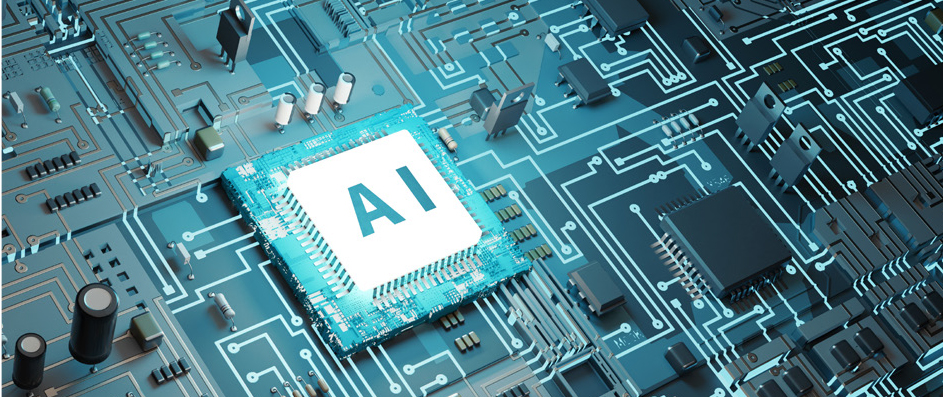
The proliferation of AI is shifting from a simple, temporary demand to a structure that requires processing massive amounts of data across all stages, including learning, inference, and on-device. This is leading to a structural transition — and here, memory usage is steadily increasing. A spokesperson for SK Hynix explained, “We expect that HBM will continue to be ‘sold out’ every year after 2023 and will show a high average annual growth rate of 30% over the next five years. Shipments of high-capacity DDR5, a general purpose product, are expected to be at least doubled compared to the previous quarter, and the proportion of expensive corporate SSDs within NAND is increasing.”
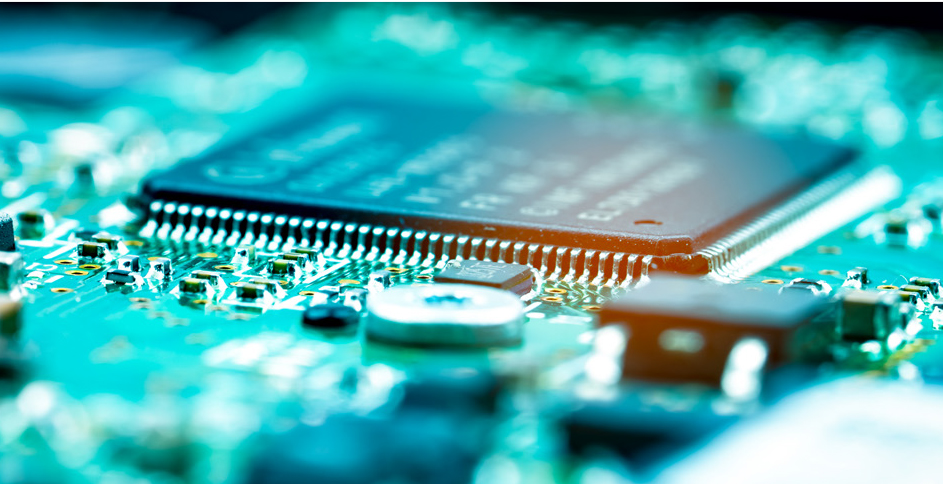
The complex process of HBM makes short-term capacity- expansion difficult, and all-three global memory companies — Samsung Electronics, SK Hynix, and Micron — are maintaining a conservative investment approach. There is also the practical constraint that the production-capacity of general-purpose DRAM decreases as the proportion of HBM increases.
Amidst this constrained market environment, SK Hynix is proactively responding by expanding dedicated HBM lines and improving production efficiency.
korean-electronics.com | Blog Magazine of korean electronics, brands and Goods

 Korean-Electronics.com
Leave a comment