Samsung Breaks TSMC’s Monopoly: Green Light for Foundry Rebound

https://korean-electronics.com//inquiry

A series of positive news for Samsung Semiconductor Joint supplier-ship with TSMC
Increasing the potential to obtain big tech orders

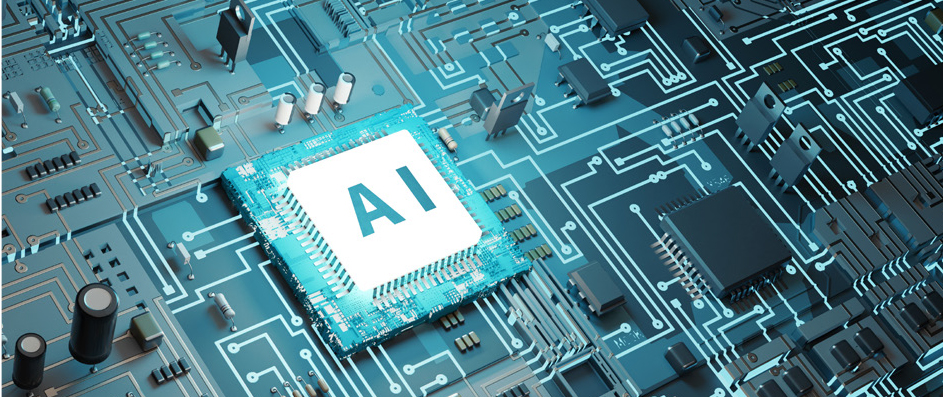
The fact that Samsung Electronics Foundry obtained the order for AI5, Tesla’s next-generation autonomous driving AI semiconductor, is a signifi cant deal that goes beyond simply securing volume from Taiwan’s TSMC. This is seen as an important opportunity to reduce the quarterly losses of its foundry business, which currently generates KRW 2 trillion (approximately USD 1.6 billion), and to att ract new customers.
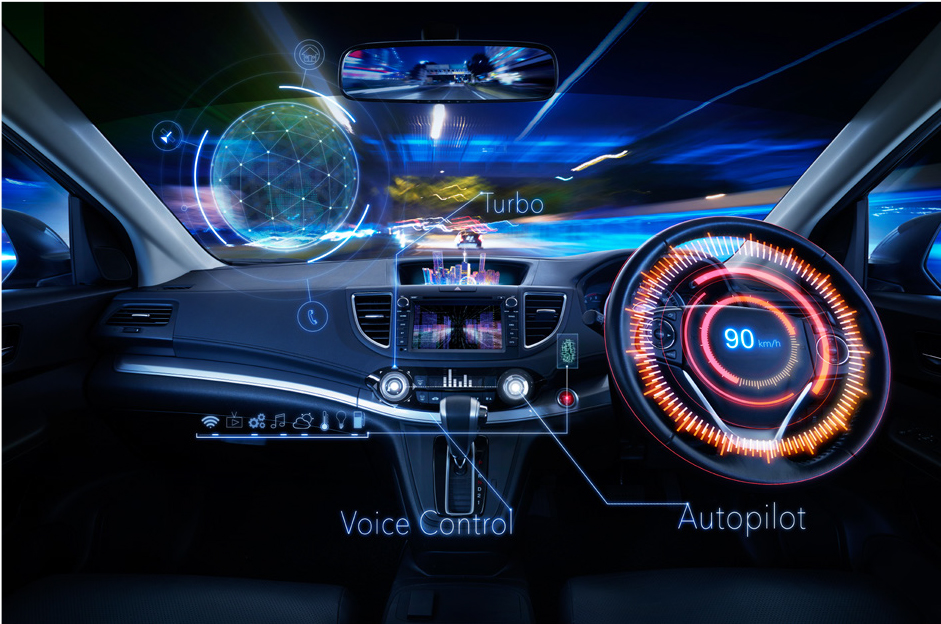
Since TSMC plans to produce A15 starting in 2026, Samsung will be able to mass-produce it much sooner, contributing to its foundry performance. Furthermore, since it is likely to be produced at the Taylor fab in the factory in Texas, USA, which will be completed next year, it will increase utilization at the Taylor fab and enhance the fi nal quality of next-generation A16, thereby killing two birds with one stone.
It is more meaningful that Samsung Electronics has now assumed the role of dual vendor (multiple supplier ) in producing advanced chips alongside TSMC. It is considered ideal if customers can maintain multiple suppliers to increase their bargaining power in contract manufacturing. However, big tech customers that outsource production to
TSMC have maintained a sole vendor (single vendor ) system, entrusting all production to TSMC to produce their semiconductors using the most advanced processes.

However, for as long as big tech companies maintain the sole vendor system, it is inevitable that Samsung Electronics will be at a signifi cant disadvantage in the competition for orders.
Nonetheless, as Tesla leads the way in diversifying advanced chip manufacturing between TSMC and Samsung Electronics, other big tech companies may seriously consider dual vendor systems. Indeed, Qualcomm is reportedly considering producing the Snapdragon 8 Elite, which will be mounted in the Galaxy S26, also at the Samsung Foundry.
According to foreign media reports, TSMC plans to increase prices for advanced nodes below 5nm by 5~10%. Prices for the most recent 2nm process are expected to rise by at least 50%.

korean-electronics.com | Blog Magazine of korean electronics, brands and Goods
Following HBM, NAND·DRAM in a Boom

https://korean-electronics.com//inquiry

SK Hynix solidifies ‘AI memory kingship’
Explosive demand for AI-driven high-performance products “Unlike the short-term boom in 2017”
HBM’s global dominance system continues Annual growth expected to be consistently at 30% “DRAM and NAN to be sold out next year also”

Artificial Intelligence (AI) is completely reshaping the memory industry. Just a year ago, it was believed that only high- bandwidth memory (HBM) was selling well, but now the boom has spread to general-purpose DRAM and NAND flash.

With the exponential demand for high-performance computing, particularly AI servers, the semiconductor industry’s long-awaited ‘memory super cycle’ appears to be in full swing.

The proliferation of AI is shifting from a simple, temporary demand to a structure that requires processing massive amounts of data across all stages, including learning, inference, and on-device. This is leading to a structural transition — and here, memory usage is steadily increasing. A spokesperson for SK Hynix explained, “We expect that HBM will continue to be ‘sold out’ every year after 2023 and will show a high average annual growth rate of 30% over the next five years. Shipments of high-capacity DDR5, a general purpose product, are expected to be at least doubled compared to the previous quarter, and the proportion of expensive corporate SSDs within NAND is increasing.”

The complex process of HBM makes short-term capacity- expansion difficult, and all-three global memory companies — Samsung Electronics, SK Hynix, and Micron — are maintaining a conservative investment approach. There is also the practical constraint that the production-capacity of general-purpose DRAM decreases as the proportion of HBM increases.
Amidst this constrained market environment, SK Hynix is proactively responding by expanding dedicated HBM lines and improving production efficiency. 
 
korean-electronics.com | Blog Magazine of korean electronics, brands and Goods

K-Electric Power Equipment in Great Demand

https://korean-electronics.com//inquiry

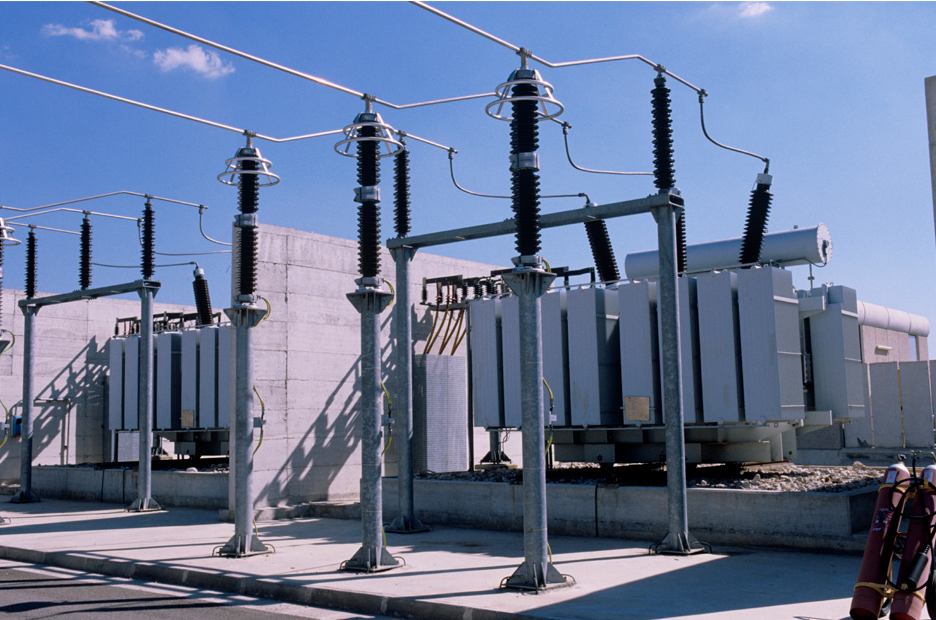
Three Korean electric power equipment companies — Hyosung Heavy Industries, HD Hyundai Electric, and LS Electric — are actively targeting the North American and European ultra-high voltage circuit-breaker markets.
Hyosung Heavy Industries announced that it will invest a total of KRW 100 billion to build a new plant in Changwon, Gyeongnam, which is dedicated to producing ultra-high voltage circuit breakers for export.
The new plant, scheduled to be completed in the first half of 2026, will produce 420, 550, and 800kV ultra-high voltage circuit breakers exclusively for export. These products will be supplied to global markets including the USA, Europe and the Middle East. Upon completion, Hyosung Heavy Industries’ capacity to produce ultra-high voltage circuit breakers will increase by approximately 1.5 times compared to its previous capacity.
Hyosung Heavy Industries is also expanding its circuit breaker plant in Pune, India. As the world’s third-largest power producer, India’s power-grid is being modernized in full swing, and demand for ultra-high voltage circuit breakers is rapidly increasing.

Hyosung Heavy Industries is leading the market, becoming the first Korean company to surpass KRW 10 trillion in cumulative circuit-breaker production this year. In July, it secured KRW 264 million in orders, the highest ever, for ultra-high voltage circuit breakers from a major U.S. electric power company.
Circuit breakers are devices that protect equipment and human lives by breaking an electric current in the event of power-system failures or abnormal currents at power plants and substations. They also act as a ‘fuse room’ in people’s homes.

HD Hyundai Electric has also been expanding its circuit-breaker business recently. The company signed a contract earlier last month with a Finnish design, procurement and construction company to supply 14 units of 145kV ‘SF6-Free’ high-voltage circuit breakers. This marks the second order secured in Europe, following a contract with Sweden concluded in May.
HD Hyundai Electric previously supplied high-voltage circuit breakers for projects such as a new city project in NEOM City in Saudi Arabia and a new city development project in the Diriyah archaeological site. It also received a KRW 64.4 billion order of ultra-high voltage circuit breakers in Korea for Samsung Electronics’ Pyeongtaek semiconductor plant. Performance verification of the company’s 420kV eco-friendly high-voltage circuit breaker is currently underway, aiming to obtain a certification in the first half of 2026.

LS Electric is accelerating its efforts to target the eco-friendly gas-insulated switchgear (GIS) market. A GIS is a complex power system that integrates circuit breakers and disconnectors into a single unit, and can be considered a type of circuit breaker. An LS Electric official explained, “We are proactively targeting the eco-friendly, over 170kV large-capacity GIS market, which even major global companies such as Siemens have not yet marketed.”

 
korean-electronics.com | Blog Magazine of korean electronics, brands and Goods

Coex Expands its MICE Empire

https://korean-electronics.com//inquiry

Coex Expands its MICE Empire:
New Coex Magok Convention Center Leads Seoul’s Western Innovation Hub

A New Milestone in Seoul’s MICE Industry

Coex has established itself as Korea’s premier exhibition and convention center, serving as a cornerstone of the nation’s MICE (Meetings, Incentives, Conferences, and Exhibitions) industry. Hosting over thirty major exhibitions annually, Coex has become synonymous with success and innovation in the sector. Last year marked a significant milestone in the center’s history as it celebrated unprecedented achievements.
In a bold step forward, Coex introduced the Coex Magok Convention Center (hereafter referred to as Coex Magok), Seoul’s first exhibition and convention center in the city’s western region. This landmark opening took place on November 28, 2024, and signaled the beginning of a new era for MICE activities in western Seoul.
With an anticipated occupancy rate of sixty-five percent in its inaugural year, Coex Magok has been hailed as a transformative addition to the region’s exhibition industry. This development is particularly meaningful given that, since 2000, new exhibition venues in Korea have predominantly emerged outside Seoul.
The introduction of Coex Magok marks a significant shift, reinvigorating Seoul’s role as a hub for industrial innovation. This addition is set to strengthen Korea’s global reputation in the competitive MICE sector, creating new opportunities for growth and collaboration.

Where Vision Meets Versatility

Coex Magok has been meticulously designed to integrate exhibition and convention spaces, offering a seamless ‘ConfEx’ experience that combines the best of both worlds. Spanning five floors and encompassing 7,452 square meters of exhibition space, the venue offers a variety of purpose-built facilities for a range of events.
The ground floor features a sprawling exhibition hall that connects directly to Magok Plaza, providing organizers with unparalleled flexibility for large-scale events. The basement houses the Square Ballroom, a versatile space linked to a vibrant underground commercial zone. This area is ideal for seminars, weddings, and catering events, offering visitors a convenient and accessible experience.
On the third floor, meeting rooms are designed to accommodate small-scale business gatherings and interviews. Some rooms boast outdoor views, adding an inspiring touch to meetings. The fourth floor is home to Le West Hall, the centerpiece of Coex Magok.
This expansive convention hall can host up to 2,200 attendees and is divisible into three independent sections, making it suitable for conferences, shareholder meetings, and academic symposia. The fifth floor complements these facilities with additional multi-purpose rooms, supporting mid-sized seminars and breakout sessions.
The vertical layout of Coex Magok is a modern marvel. It allows diverse and simultaneous events to be held within a compact footprint. Industries such as healthcare, pharmaceuticals, and biotechnology, which have a significant presence in Magok, have found Coex Magok to be an ideal venue for their activities.

A Gateway to Seamless Connectivity

Coex Magok offers exceptional accessibility, enhancing its appeal as a premier event destination. The center is directly connected to Subway Line 9’s Magoknaru Station and the Airport Railroad, ensuring convenient access from Gimpo and Incheon International Airports. Major roadways such as Olympic Boulevard provide seamless travel options for participants from across Korea and abroad.
Magok itself has emerged as a thriving hub for advanced industries, surpassing even landmarks like Sangam DMC and Pangyo Techno Valley in scale. The complex is designed as a mixed-use facility, featuring a 400-room Mercure Hotel on its upper floors, a shopping mall below, and cultural attractions nearby, including LG Science Park and Seoul Botanic Park.
This integration of business, leisure, and culture creates a comprehensive experience for MICE participants, making Coex Magok a destination that meets a variety of needs.

Redefining Events with Innovation and Sustainability

Coex Magok has set new standards for efficiency and automation. By collaborating with August Robotics, Coex introduced Korea’s first floor-marking robots, streamlining event setup and enhancing operational precision. This innovative approach reflects Coex’s commitment to digital transformation and operational excellence.
Looking to the future, Coex is determined to lead the global MICE industry by fostering international collaborations and embracing ESG (Environmental, Social, and Governance) principles. With its dual locations in Seoul and international ventures in Vietnam, Indonesia, and Germany, Coex is poised to shape the future of exhibitions on a global scale.
Coex stand as shining examples of Korea’s visionary approach to the exhibition industry. These dynamic venues not only address current demands but also anticipate future trends, ensuring their place at the forefront of global innovation.
 
 
korean-electronics.com | Blog Magazine of korean electronics, brands and Goods
Innovation-Driven Association Elevates Korean SMEs to Global Success

https://korean-electronics.com//inquiry

Korea’s small and medium enterprises (SMEs) have found a powerful ally in MAINBiz, officially known as the Korea Management Innovation Association for Small and Medium Business (MAINBiz Association). This influential organization has been at the forefront of transforming Korean SMEs into globally competitive companies through comprehensive support systems, innovative programs, and strategic partnerships.

From Vision to National Impact
MAINBiz emerged from Korea’s strategic vision to foster innovation-driven economic growth. The term “MAINBiz” itself is a clever combination of “MAnagement,” “INnovation,” and “Business,” reflecting the organization’s core mission. Established in 2010, the association serves as the designated management institution for Korea’s Management Innovation-oriented SME certification system, operating under the ACT ON THE PROMOTION OF TECHNOLOGY INNOVATION OF SMALL AND MEDIUM ENTERPRISES.
Under the current leadership of Chairman Kim Myung-jin, the association has experienced remarkable growth, expanding from managing 2,619 certified companies in 2006 to overseeing 23,973 companies as of December 2024. This year marks the association’s 15th anniversary, representing a significant milestone in its journey to support Korean SME innovation and growth.

Rigorous Certification and Exceptional Performance
At the heart of MAINBiz’s operations lies a sophisticated certification system based on the Oslo Manual guidelines from the Organisation for Economic Co-operation and Development (OECD). Companies seeking certification must demonstrate excellence across three critical evaluation areas: management innovation infrastructure (350 points), management innovation activities (400 points), and management innovation performance (250 points), totaling 1,000 points.
The certification process involves a rigorous two-stage evaluation requiring companies to achieve minimum scores of 600 points in self-assessment and 700 points in on-site evaluation to receive certification valid for three years.
MAINBiz companies have demonstrated exceptional economic performance, significantly outpacing their non-certified counterparts. These certified enterprises generate average revenues of 15.59 billion won (approximately $11.7 million), which is 3.6 times higher than typical small manufacturing companies. Their average operating profit of 550 million won ($413,000) is 3.2 times greater than industry standards, while employing an average of 39.1 workers—2.8 times more than comparable firms.

Collectively, MAINBiz companies contribute substantially to Korea’s economy, accounting for 10.7% of total SME revenues (355.9 trillion won) and 11.8% of SME exports (132.5 billion dollars). They provide employment for 892,000 people, representing 4.7% of all SME workers nationwide.
Perhaps most significantly, MAINBiz companies have proven their innovation credentials by achieving remarkable representation in Korea’s startup ecosystem. Among Korea’s unicorn companies (valued at over $1 billion), 25% are MAINBiz certified enterprises. The association also counts 330 companies listed on Korea’s major stock exchanges, including 265 on KOSDAQ, 32 on KOSPI, and 33 on KONEX.

Strategic Vision and Global Leadership
Chairman Kim Myung-jin has outlined an ambitious “Future Vision 7 Pillars” strategy for 2025, demonstrating the association’s commitment to continuous innovation. This comprehensive framework focuses on seven key areas: finance, policy, culture, education, welfare, innovation, and global expansion.

The finance pillar emphasizes creating customized funding platforms and connecting companies with investment opportunities through mutual investment forums and venture capital partnerships. The policy component leverages the association’s Think-Tank 1000 research capabilities to expand participation in government programs and develop new policy initiatives.
The global expansion pillar represents the association’s most ambitious goal: establishing partnerships with international organizations like KOTRA, which operates 131 trade offices worldwide, to provide customized market entry support for member companies. Through Global Market Advisors (GMA), the association offers specialized expertise in overseas market penetration and international business development.
Chairman Kim envisions scaling up to 100,000 member companies, which would represent approximately 4.4 million family members—equivalent to one in every 11.78 Koreans being connected to a MAINBiz member company.

Building Korea’s Economic Future
Through its comprehensive certification system, extensive benefits package, and strategic partnerships with financial institutions and government agencies, MAINBiz continues to serve as a crucial catalyst for Korea’s economic transformation. The association helps small businesses scale up to become global mid-sized enterprises, effectively serving as a bridge in Korea’s economic structure.

 
korean-electronics.com | Blog Magazine of korean electronics, brands and Goods

Samsung Electronics Unveils Hyper-Personalized Customized Solutions at CES 2025

https://korean-electronics.com//inquiry

At CES 2025, held in Las Vegas, USA, Samsung Electronics unveiled its latest ‘Home AI’ solutions, providing hyper-personalized customized solutions tailored to the needs of users based on SmartThings and artificial intelligence (AI) technology.
Samsung Electronics’ Home AI distinguishes various situations and patterns, such as the daily lives of family members, work, and leisure, and analyzes objects and spaces in the home through spatial AI ― in order to suggest more advanced solutions to users.
Samsung Electronics introduced its ‘SmartThings Ambient Sensing’ technology based on spatial AI. When this technology is applied, it can detect and analyze not only the user’s device-usage patterns, but also movements and surrounding sounds through connected devices, summarize household information according to the situation, and notify the user of situations that require action.

Samsung Electronics plans to apply its upgraded AI voice assistant ‘Bixby’ to the entire Home AI to distinguish the voices of family members, in order to improve usability.
In addition, Samsung Electronics will apply ‘One UI,’ Samsung’s integrated software experience, to TVs and home appliances to strengthen synergy among products. Software upgrades are supported for up to seven years.

Following last year’s CES, the importance of security for hyper-connected experiences was emphasized again.
Samsung Electronics is expanding the ‘Samsung Knox Matrix’ ― which uses blockchain technology to protect connected devices from security threats ― to all home appliances equipped with Wi-Fi, including mobile devices and TVs.
The ‘Knox Matrix Dashboard’ ― which shows devices connected to the Knox Matrix at a glance, and ‘Samsung Knox Vault,’ which stores sensitive user information such as biometric information in a separate security chip to protect them ― will also be expanded to include new family hub products.
Samsung Electronics introduced a number of new home AI products, including the Galaxy Book5 Pro and Book360, which are equipped with both the Galaxy AI and Microsoft’s ‘Co-Pilot+ PC’ functions.
Samsung Electronics also introduced ‘Samsung Health,’ which analyzes health indicators collected from personal wearable devices such as the Galaxy Ring and Watch using AI technology, and provides customized insights such as sleep and diet management.
Samsung Electronics announced that it will first apply ‘Samsung Vision AI,’ which supplies AI functions to the entire TV to provide users with personalized experiences by preemptively understanding their needs, tastes, and intentions, starting with new TV products this year.
Accordingly, users will be able to experience ‘Click to Search,’ which finds and provides the information and content they want with a single click from the content they are watching; ‘Real-time Translation,’ which provides subtitles changed into Korean for foreign language contents in real time; and ‘Generative Background Screen,’ which creates images that reflect the user’s tastes.
Various new screen home appliances with touch screens that enhance connectivity and convenience were also introduced.

In particular, the new product, ‘BESPOKE AI Hybrid,’ equipped with a 9-inch touch screen features an ‘AI Vision Inside’ function, which automatically identifies ingredients in the refrigerator and creates a food list.
Samsung Electronics plans to introduce a service that allows customers to immediately purchase ingredients they require through a screen installed in the refrigerator in collaboration with Instacart, an online grocery delivery company in the USA, to the American market within this year.
Examples of collaborations with various strategic partners, including Samsung Heavy Industries and Hyundai Motor Group, were also introduced.

Samsung Electronics, in collaboration with Samsung Heavy Industries, has unveiled the first ship solution that uses ‘SmartThings for Ships.’ Through this solution, crews can check the ship’s operation system at a glance, manage energy integration, and monitor any abnormal activities.
‘SmartThings for Vehicles,’ developed in collaboration with Hyundai Motor Group, provides functions such as ‘SmartThings Find’ to discover the location of a vehicle, checking and remotely controlling the vehicle status through SmartThings before boarding the vehicle, and remotely controlling home appliances through the vehicle’s infotainment system.


korean-electronics.com | Blog Magazine of korean electronics, brands and Goods
Hannam University

https://korean-electronics.com//inquiry

Hannam University Launches Full-fledged Operation of the LINC 3.0 Global Platform

Aiming for Globalization of K-Startups

 Signing of an MOU with a Malaysian University and Chamber of Commerce
Hannam University’s LINC3.0 Business Unit signed a LOI with UMS University in East Malaysia in July 2023, and then visited Kota Kinabalu, Sabah in December of the same year to sign an MOU with UMS University and the Sabah Chamber of Commerce.

Promoting Industry-Academia Talent Training
In February this year, UMS University’s students and faculty visited Hannam University and successfully promoted industry-academia talent training such as visiting local innovation organizations, the exchange of young bunker in the Deodeok-gu Office, and Capscon Design, an idea for solving social problems.

Signing of MOUs with many Korea-based Bodies
Hosted by the LINC3.0 Business Unit of Hannam University, 15 persons – from the chairman, to the member companies of SABAH Chamber of Commerce, UMS University, and MATRADE (Trade and Investment Center in the Malaysian Embassy in Korea), visited Hannam University from May 28 to June 1 to conduct overseas marketing strategy training for global employees; MOU and business networking with the Daejeon Chamber of Commerce; MOU and trade exchange meeting with the Research Institute Enterprise Association; and an MOU signing with Mayor Domakun, and a local small-business product exhibition.

Malaysia: Korea’s important trading partner and bridgehead into Southeast Asia
As of March 2024, Korea’s exports to Malaysia amounted to US$800 million, and imports amounted to US$1 billion, making the country Korea’s 13th-largest trading partner in terms of exports. Thus, Malaysia is serving as a bridgehead for advancing further into Southeast Asia (Source: KOTRA’s trade statistics).
Malaysians use both Malay and English as their official languages, and Sabah is an Islamic state located on the island of Borneo. Its constitution recognizes freedom of religion (Christianity and Catholicism account for about 30%), and it has abundant natural resources (timber, crude oil, natural gas, minerals, etc.) and a well-developed tourism industry. The Sabah Chamber of Commerce in Malaysia was established in 2003 and currently has over 1,400 members in Sabah.
Director Won Gu-hwan of the LINC3.0 Business Unit at Hannam University explained, “We hope that the business agreement and networking program promoted during the period will not be a one-off event, but wil continue to promote cooperative projects so that Daejeon and Sabah can develop together as cooperative partners.”
Moreover, the LINC3.0 Business Unit at Hannam University expressed its ambition to provide maximum support within the possible scope so that the companies located in Daejeon and the Sabah Chamber of Commerce can interact smoothly.

The Aim of Hannam University’s LINC 3.0 Business Unit
The Unit aims to grow into a body that accelerates the industry-academia research cooperation by fostering creative talents needed by future industries, forming a symbiosis and cooperation of industry-academia research, and a business operation based on platforms and specialization for the advancement of regional industries.


korean-electronics.com | Blog Magazine of korean electronics, brands and Goods

IFEZA Planning to Systematize and Advance the Industrial Ecosystem in IFEZ, Focusing on the Bio& Healthcare Fields

https://korean-electronics.com//inquiry

Incheon Free Economic Zone Authority (IFEZA) recently announced that it will carry out a project to systematize and advance the innovative growth industrial ecosystem of Incheon Free Economic Zone (IFEZ), focusing on the bio and healthcare sectors.

This project, which is being promoted in cooperation with the Bio Center of Incheon Technopark (ITP), includes the establishment of a status analysis database within the IFEZ; setting up a collaboration network and council among resident companies; support for special regulations; support for technology commercialization; support for investment attraction capacity enhancement; support for participation in exhibitions to attract investment and promote companies; and operational support (satisfaction survey for supported companies), etc.

IFEZA and ITP will build a foundation including front and rear bio healthcare industries such as new bio drugs (vaccines), innovative new drugs, smart healthcare, new technology medical devices, and bio materials/parts/equipment. And the two bodies plan to actively support bio-healthcare-based front and rear ventures and foster startups entering the global market.
A spokesperson for ITP, explained “We plan to contribute to the strengthening of corporate business capabilities and the development of a new global bio-health industry base — through technical support for the bio and healthcare industries; comprehensive package support for global expansion; demand survey for technical difficulties; specialized consulting; and exhibition participation support.”
IFEZA’s Commissioner Yun Won-sok elaborated further, “This year’s innovation ecosystem creation project is expected to be of great help in establishing an innovation ecosystem centered on IFEZ’s core strategic industries. We will actively strive to support innovation clusters, such as establishing industry-academia research networks between local innovation organizations and resident companies, and strengthen corporate business capabilities — in order to create an innovation ecosystem of the future.”

The project will run for 10 months from this month to the end of this year, and in this regard IFEZA announced that it recently held the ‘2024 IFEZ Innovation Ecosystem Creation Project Launching Report Meeting’ at G Tower in Incheon’s Songdo International City.

 
korean-electronics.com | Blog Magazine of korean electronics, brands and Goods

GBCPRIME, Trilateral (Buyer – Govt. Agency – Seller) B2B Online Trading Platform

https://korean-electronics.com//inquiry

GBCPRIME is a B2B online trading platform representing Gyeonggi Province, the largest local government in the Republic of Korea. What makes GBCPRIME different from other online platforms is that local trade experts, called GBCs (Gyeonggi Business Centers), arrange secure trade deals between buyers and sellers. GBCs act as a broker for transactions between the two entities, but they do not collect any brokerage fees for matching buyers and sellers with each other.

GBCs are the overseas offices in 10 countries affiliated with the Gyeonggi Provincial government, introducing excellent Korean products to overseas buyers and assisting them to sign trade deals with Korean companies so that both parties can import and sell products without any problems. If you click on the ‘GBC’ column in GBCPRIME, you can check the Korean companies and products managed by each GBC. The product of the company managed by GBC is labeled ‘GBC PICK,’ which means not only exceptional products but also highly reliable companies approved by GBC.

There are about 1,300 products in GBCPRIME with 10 fields, ranging from consumer goods to beauty products, as well as industrial goods, electricity and electronics, and bio products. Various other excellent products will also be added continuously very soon. At the bottom of the platform main page, there are ‘BEST PRODUCT,’ and ‘BEST COMPANY’ spaces, which are changed every month to include products and companies that are performing excellently.

Buyers need not sign up to use this platform, and if they are curious about GBC or the specifications of the registered products, they can just leave an inquiry. The inquiries will be automatically forwarded to GBCs, and they will either provide an answer to the buyers’ queries or arrange a meeting between buyer and seller.

In addition, we hold regular Online Exhibition & Consultation sessions (GPS, GBC Product Show) in GBCPRIME. Products are displayed online via the GPS column 10 days before the main event, and buyers can submit inquires if they find items they are interested in. Then, GBCs will check the buyer’s request and arrange an online meeting during the event. We are currently holding exhibitions for all categories, but we plan to diversify the exhibition topics to GBC-based regions or specific item groups tailored to buyer needs. If buyers wish to participate in the events regularly when GPS of interested items are held, buyers need ask the GBCs to register them only once, and they will then confirm the buyer’s intention to participate whenever the same kind of exhibition is held later. In the future, a logistics & payment system will be added to GBCPRIME so that B2B transactions can proceed one-stop within the platform.

Gyeonggi Province is Korea’s largest local government with 14 million people and has the largest number of companies, from traditional enterprises to high-tech industries. Therefore, buyers are advised to browse through the broad range of excellent products of various Korean companies available via GBCPRIME, and continue with the transaction safely and free of charge through GBC.


korean-electronics.com | Blog Magazine of korean electronics, brands and Goods