[INQ. NO. 1608E06] In 2005, Mamirobot  entered the market of robotic vacuum cleaners. The company succeeded in developing the world’s first robotic vacuum cleaner with an automatic mop function in year 2007. The function of automatic mop strongly appealed to consumers, which allowed Mamirobot to quickly gain more than 40% of domestic market share in Korea.
Mamirobot developed new and innovative products from vacuum cleaner, while maintaining attractive pricing in the market. Developed in 2011, Pporo was designated as one of the ‘World Class Korean Products’ in 2013, which are selected products ranked among the top five in terms of global market share or products with high potential of advancing into the global market within 5 years.
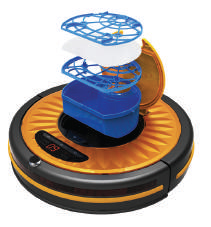 Pporo has a rotary brush for carpet cleaning with an auto mop function. With a more powerful suction system, Pporo K7 was announced as a handheld vacuum cleaner with an automated charging station. The Pporo K7 automatically returns to the docking station for selfrecharging when it completes a task or low on battery.
Designed for easier cleaning in narrow areas, such as edges and window frames, Pporo K7 provides the perfect cleaning solution for your home.
Mamirobot has exported its products to several countries including Singapore, and Hong Kong. In addition, the company established its branch offices in the U.S., Germany, China, Hong Kong, and Japan in order to provide equal quality of service to all consumers.
The company has rejected offers for OEM from several multinational corporations in preserving brand value and quality. With growing demand for robotic vacuum cleaners, the company expects sales volume of next year to exceed US$10 billion. Mamirobot will continue to innovate and develop new products, including vacuum cleaners for commercial use.
korean-electronics.com | Blog Magazine of korean electronics, brands and Goods


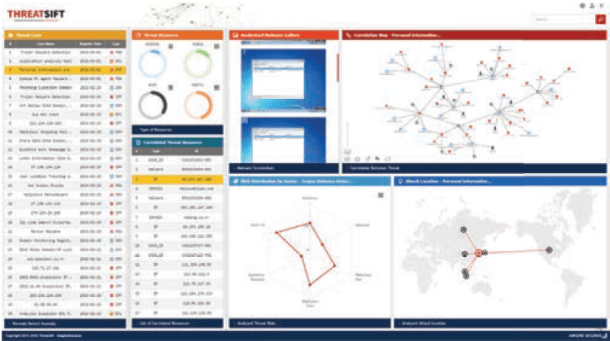

 t enables unified responses to mass invasive resources through prompt analysis and collection of evidence. It can guide response contacts based on the results of linkage analysis into the characteristics of intruders and intrusions. Thus, the technology ensures enhanced competence in monitoring, analyzing, and counteracting invasive resources used by intrusion groups.



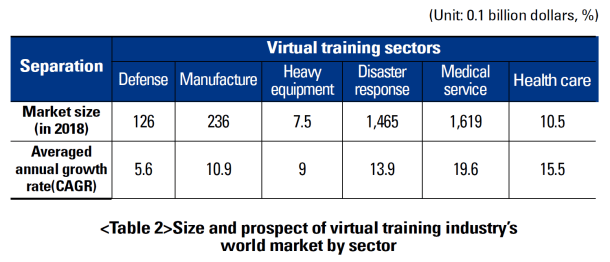
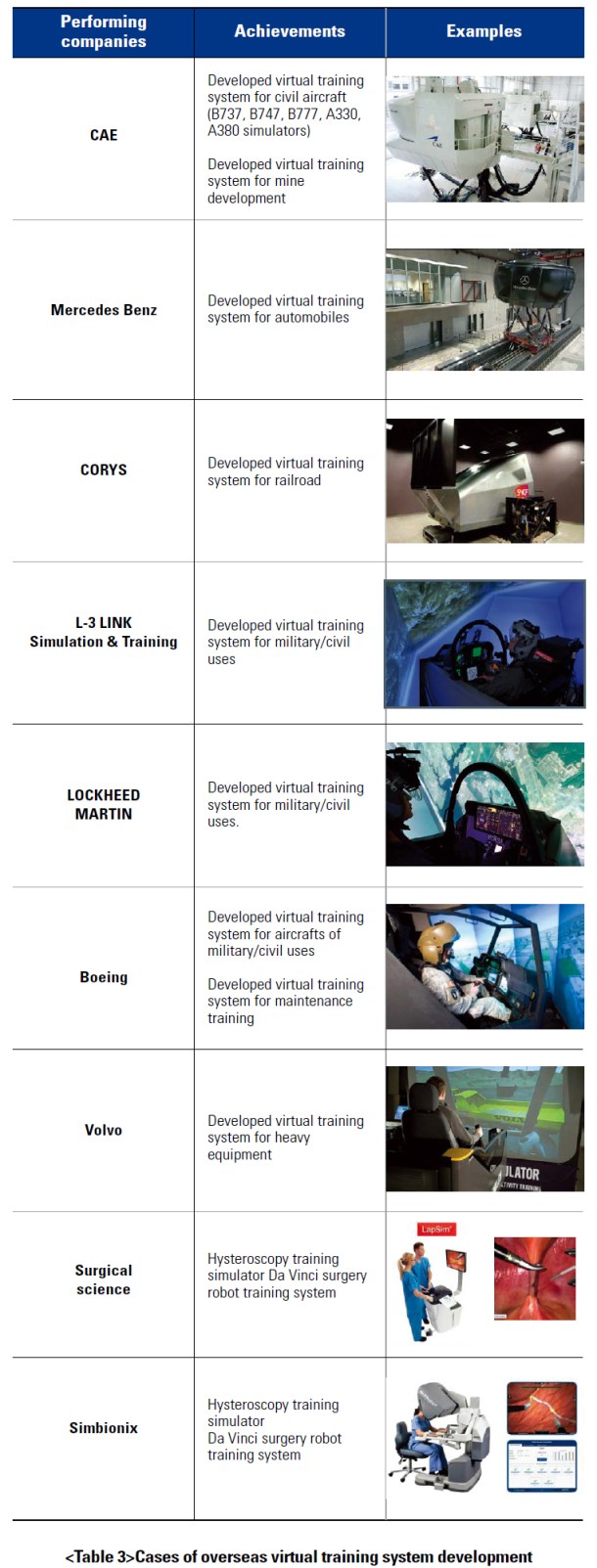
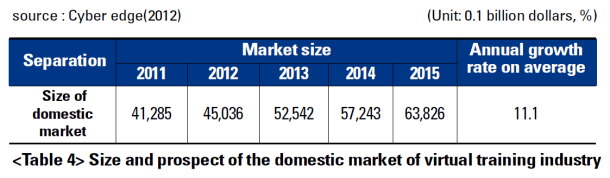
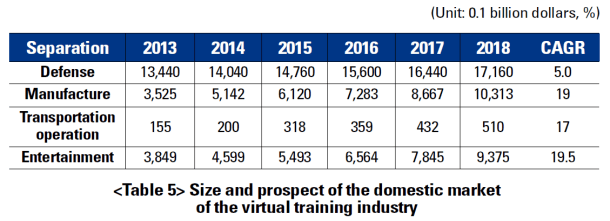
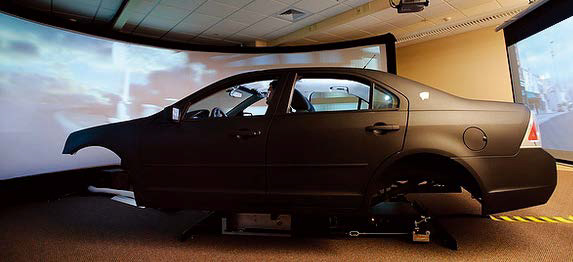
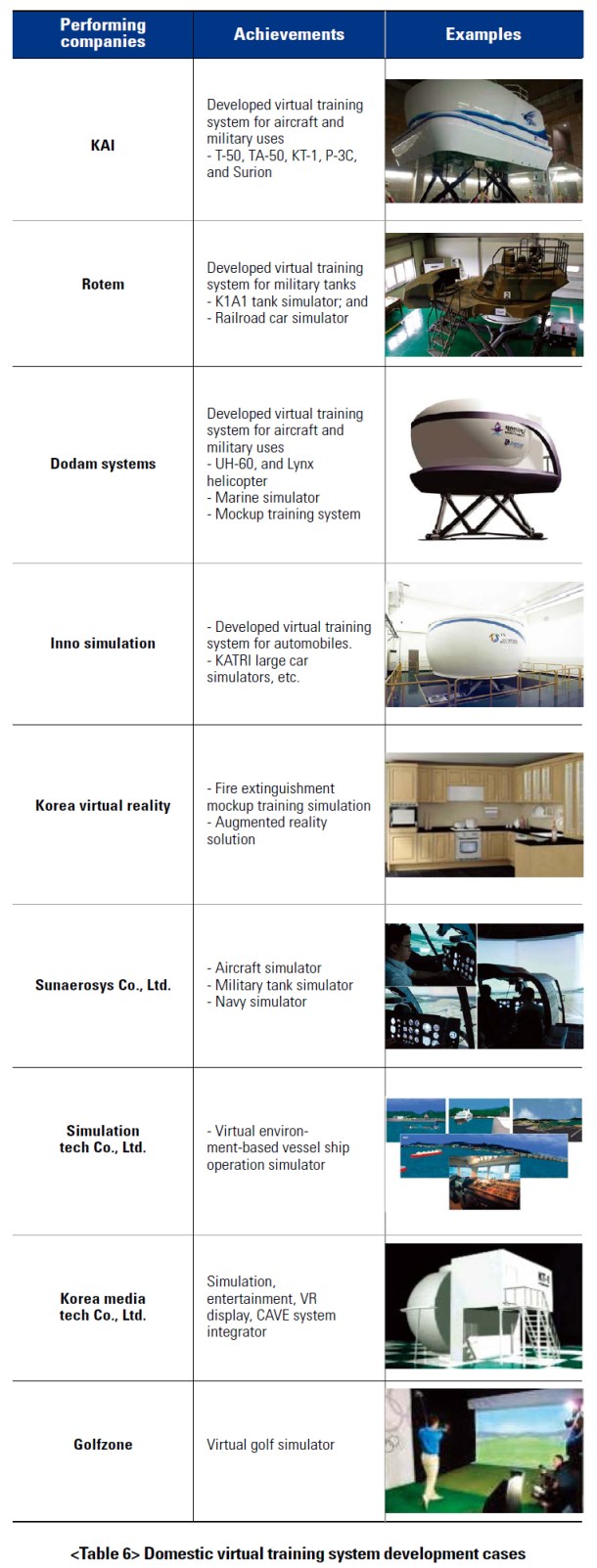
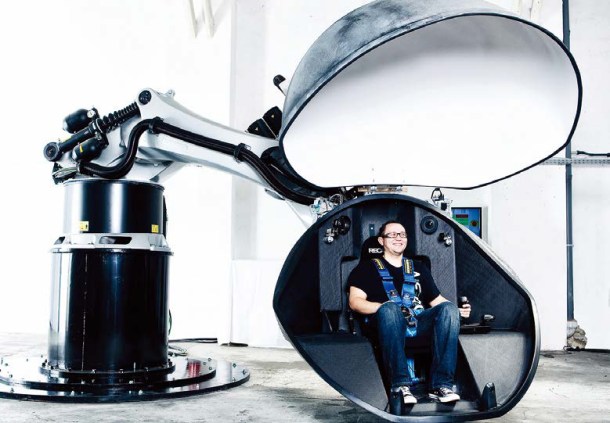
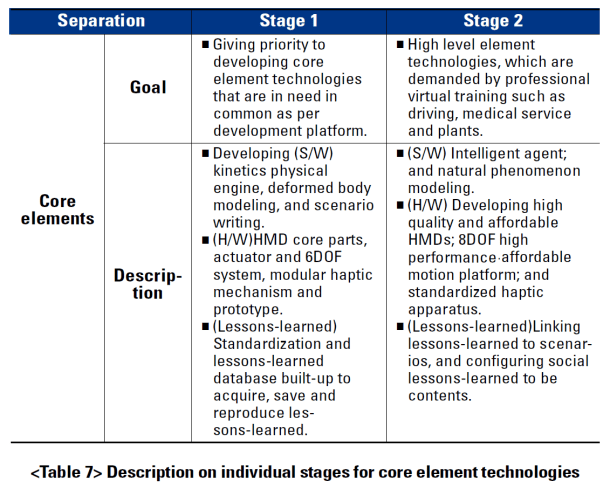
 Currently, the biggest market for the virtual training system in the world is the defense area, and the system is penetrating other markets, including the industrial area such as job training, the public area such as disaster management and medical service, and the popular area such as health, sport and entertainment. In particular, the core components of the virtual training system have been dramatically priced down, including image generator, HMD, and motion sensing, which are forming a condition to make the related industries be popular. As our country owns competitiveness in the IT area, which is crucial to the virtual training system, as well as experience and knowledge accumulated while engaging in various manufacture industries, we have full potential to lead the world market if we foster the virtual training industry systematically. To advance into the emerging markets, there is an urgent need to form an industrial ecosystem for virtual training systems, including conducting R&Ds to create a technological foundation, legal system reorganization, building infrastructure and manpower training. In this context, we are going to look into the trends of the virtual training industry, the current condition of both domestic and overseas markets and development, implications to and challenging issues of the domestic industrial ecosystem, the direction of promoting R&Ds, and expected effects, in this month’s issue.
 As new virtual reality technologies advance, immersive devices for virtual training system have been dramatically priced down and the conditions for popularizing the industry are being formed. For example, the price of the existing high quality HMD was over US$5 million, and the Oculus HMD, released in recent days, is being sold at about US$300. Omni directional treadmill costs more than US$0.1 million, but the Omni Treadmill is expected to be available at US$500. As the current virtual reality gamers for home use and mobile-based mobile VRs are evolved to immersive type, it is expected that demand for virtual training system for individual/home uses will increase.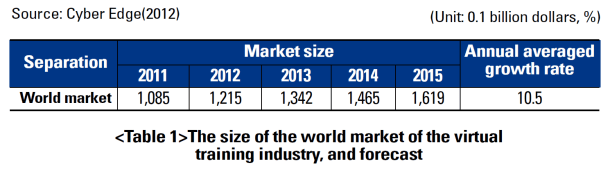





 Korean-Electronics.com