
Jjimjilbang: A Living Ritual of Heat Rest and Community
A unique wellness space in modern Korea
The contemporary landscape of South Korean tourism is shaped by the meeting of traditional wellness practices and advanced hospitality. At its center stands the jjimjilbang, a multi-functional institution that extends beyond the typical idea of a spa or sauna.
The jjimjilbang functions as a social and restorative environment where people of all backgrounds participate in shared routines of hygiene, thermal therapy, and rest. It has become a widely recognized cultural experience that blends everyday life with structured wellness practices.
Roots in history and thermal philosophy
The origins of Korean bath culture are deeply connected to early uses of natural hot springs, valued for detoxification and stress relief. Over time, these practices were influenced by religious and medicinal traditions that framed bathing as both physical and spiritual cleansing.
Historical records describe organized sauna facilities supported for health purposes, including kiln-based systems heated with wood. These early forms established a foundation for modern jjimjilbang experiences, linking contemporary facilities to long-standing traditions of thermal healing.
The science of heat and materials
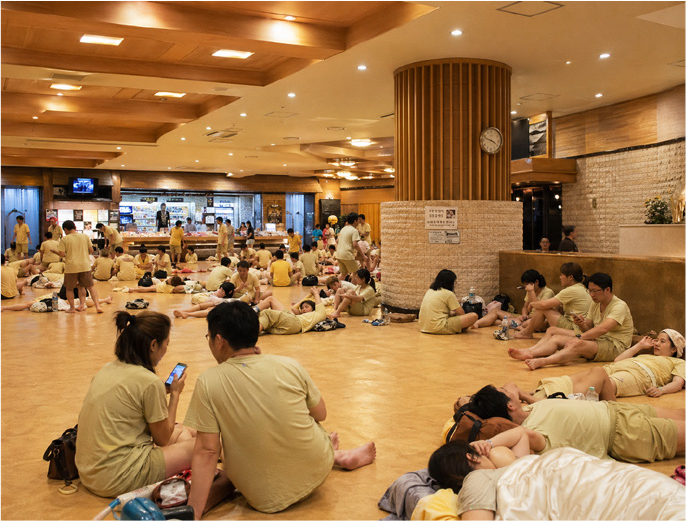
The jjimjilbang experience is shaped by traditional heating technologies that define both comfort and therapeutic effects. Ondol underfloor heating provides gentle warmth that encourages floor-based relaxation and social interaction within shared spaces.
Kiln systems generate more intense heat, often producing far-infrared radiation that is associated with circulation and muscle relief. Various materials such as stone, charcoal, and minerals contribute to the diversity of environments found within different sauna rooms.
The structured ritual of visiting
A visit follows a clear sequence that emphasizes cleanliness and shared etiquette. Guests begin by storing their shoes, receiving a wristband, and changing into provided clothing, marking the transition from the outside world into a controlled communal setting.
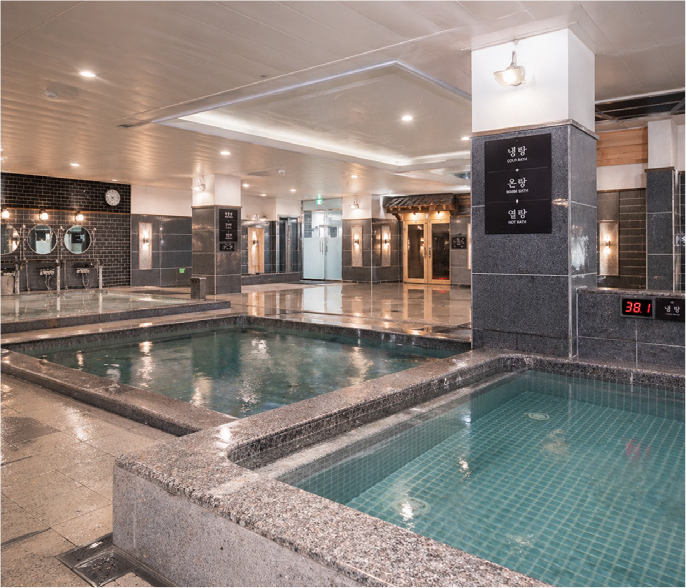
The bathing area requires full cleansing before entering pools of varying temperatures. This step is considered essential, reflecting a strong cultural expectation of respect for others within shared spaces. The process establishes both hygiene and social harmony.
Professional exfoliation services offer a distinctive experience, using textured towels to remove dead skin thoroughly. Though vigorous, this practice is widely regarded as beneficial and contributes to the overall sense of renewal associated with the visit.
Shared spaces and themed environments
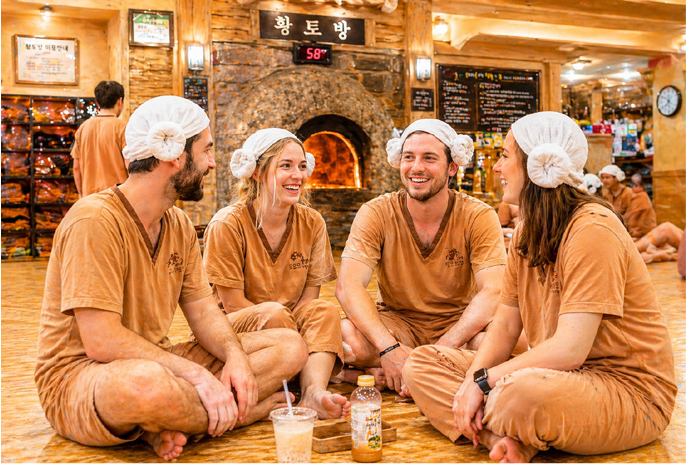
After bathing, visitors move into co-ed areas where families and groups gather. These spaces feature heated floors and multiple themed rooms, each offering different temperatures and materials designed to create varied sensory and wellness experiences.
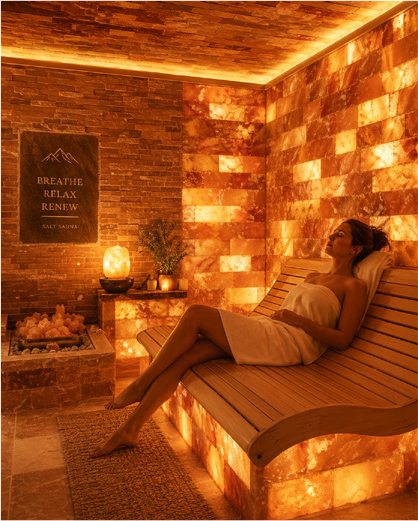
Rooms may include salt, charcoal, or mineral-based environments, as well as cooler areas for contrast. Together, they form a cycle of heating and cooling that encourages relaxation, circulation, and extended stays within the facility.
Food and recovery within the experience
Food and drink play a meaningful role in the jjimjilbang routine. After intense heat exposure, visitors often consume traditional items designed to restore hydration and energy, reinforcing the connection between physical treatment and nourishment.
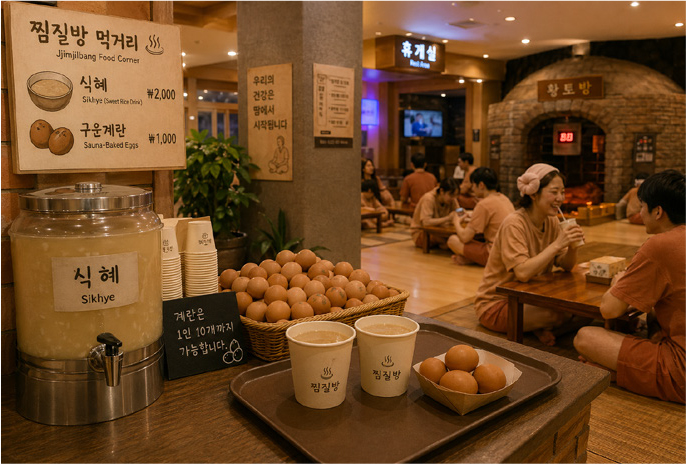
Popular options include a sweet rice beverage served cold and eggs slow-cooked within heated environments. These foods are closely associated with the spa experience and are valued for both their taste and restorative qualities.
A traditional seaweed soup is also widely recognized for its nutritional properties. Its cultural symbolism, tied to care and recovery, adds another layer of meaning to the overall experience of wellness and renewal.
Changing trends and modern transformations
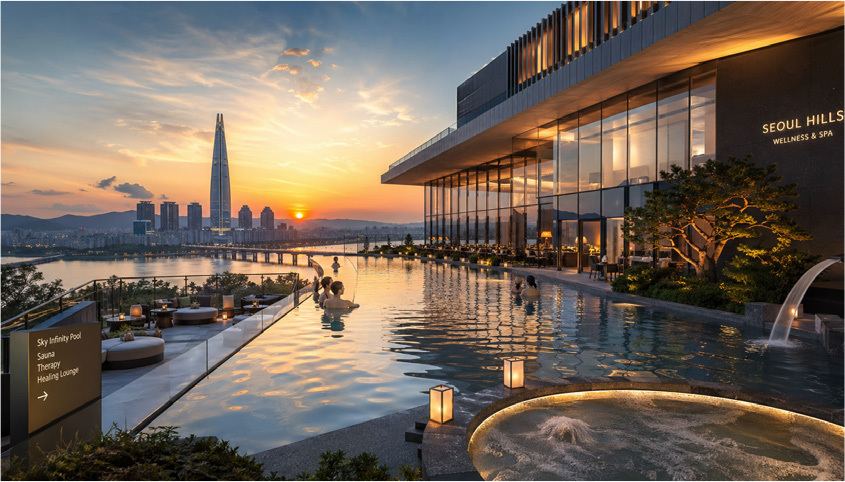
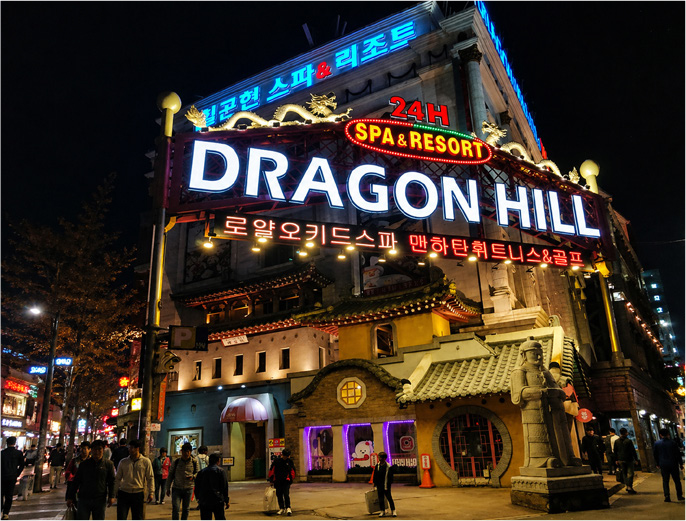
In recent years, the industry has undergone significant transformation. Traditional facilities have declined in some areas, while new formats have emerged, ranging from high-end complexes to revitalized rustic kiln centers that preserve older methods.
Modern spaces increasingly emphasize design, technology, and curated environments. Features such as themed interiors and advanced systems reflect a shift toward a more immersive and visually engaging form of wellness tourism.
Emerging technologies are also being integrated into these environments, introducing new forms of health screening and personalized recommendations. These developments indicate a broader movement toward combining traditional practices with contemporary innovation.
A cultural experience for global visitors
The jjimjilbang has become an important part of Korea’s tourism offering, appealing to a wide range of visitors. It provides an accessible and immersive way to experience local culture through daily routines centered on relaxation and communal living.
As facilities adapt to international visitors, including improved accessibility and guidance, the experience continues to expand beyond its local roots. It represents a model of how traditional practices can evolve while maintaining their cultural identity.
korean-electronics.com | Blog Magazine of korean electronics, brands and Goods




Leave a Reply