
All production to be locally carried out at Georgia Plant
Bidding war for North American ESS market intensifies.
With SK On signing a large-scale supply contract with the U.S.-based NeoVolta Power, it is actively nurturing this as a new growth engine to overcome the electric vehicle (EV) chasm (temporary demand slump). Following the securing of the first large-scale order in the United States last year, the company has successively won orders in Korea and North America, rapidly diversifying its business portfolio that has been focused on electric vehicle batteries.
SK On’s expansion of its Energy Storage System (ESS) business began in earnest last year when it signed a contract with the U.S. renewable energy company Flatiron Energy LLC to supply 1 gigawatt-hour (GWh) of ESS batteries using lithium iron phosphate (LFP) pouch cells from this year through 2029.
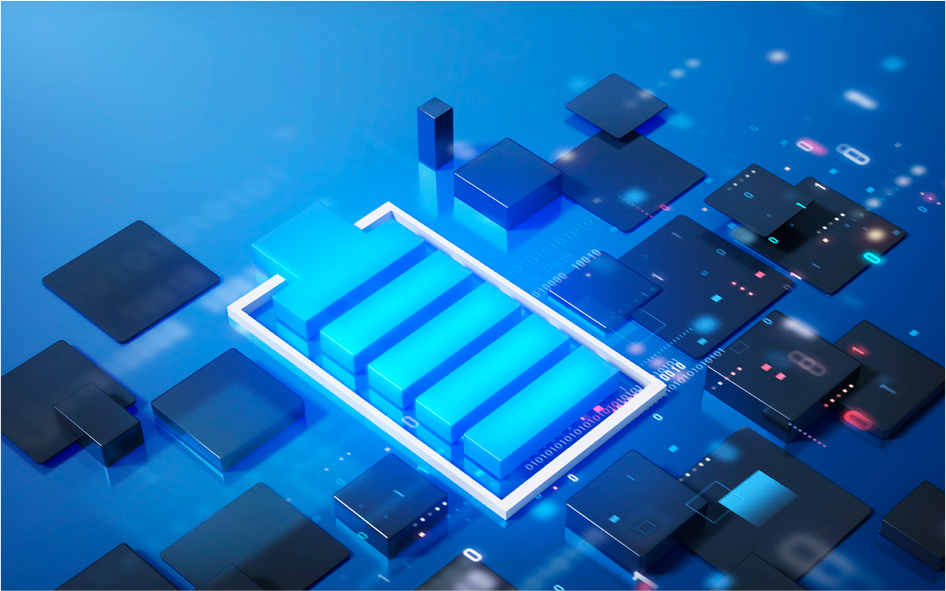
SK On has secured large-scale production capacity in the USA, including SK Battery America in Georgia, a plant in Tennessee, and a joint venture with Hyundai Motor Group. In a situation where improving battery plant utilization and profitability has emerged as a key challenge due to the EV chasm, increasing ESS volume can secure new revenue streams while utilizing existing production facilities.
The decision to produce this NeoVolta Power supply volume at a local plant in Georgia can be seen in the same context. By establishing a structure that supplies batteries produced in the United States to local ESS customers, logistics costs can be reduced while customer responsiveness can be improved. In effect, local production bases built primarily for EV batteries are being utilized as hubs for the ESS business.
Competition for orders among Korea’s three major battery manufacturers is intensifying as they target market growth. LG Energy Solution is securing more local customers by supplying up to 8 GWh of ESS batteries to U.S.-based Terra-Gen LLC and 4 GWh to Delta Electronics Inc.
Meanwhile, Samsung SDI Co. signed a contract worth more than KRW 2 trillion with a U.S. energy infrastructure company in December last year to supply LFP batteries for ESS, followed by an additional contract worth about KRW 1.5 trillion with a U.S. energy company in March this year.
Automakers facing weaker EV demand are also entering the ESS market to improve utilization of existing battery production facilities and secure new revenue streams.
korean-electronics.com | Blog Magazine of korean electronics, brands and Goods


Leave a comment