Security Solutions

https://korean-electronics.com//inquiry

Building a strong brand and gaining customer trust require considerable time, investment, and dedication. However, counterfeit products can undermine even the most valuable brands in an instant.
RMG provides an integrated distribution and customer-management platform designed to safeguard brands from counterfeiting. 
RMG’s approach begins with secure offline verification through advanced hologram labels; continues with mobile-based online authentication; and evolves into a comprehensive web-based AI, big-data, and IoT-powered security system for end-to-end product protection.

SEALTICKER: Security Seal Sticker
SEALTICKER is RMG’s specialized sealing label brand—combining the concepts of ‘seal’ and ‘sticker.’ It is designed for products requiring tamper evidence, authentication, or secure packaging.
Once applied, SEALTICKER leaves a trace on the label or product to indicate whether it has been opened or tampered with. The lineup includes: Residual-type labels that leave a trace on both the product and label Non-residual types that leave a trace only on the label Position seal stickers with surface printing and hidden text at a 1:1 ratio, rather than patterned hidden text These technologies allow immediate detection of unauthorized opening while ensuring user-friendly application for manufacturers and consumers.

SWEBS: Authentication Hologram Label with Big Data and QR Tracking Platform 
RMG holds Korea’s first domestic patent for combining hologram optical technology with ICT and mobile verification. 
SWEBS enables consumers, distributors, and brand owners to authenticate products instantly through mobile devices while collecting valuable data on logistics, customer behavior, warranty registration, and marketing analytics.
This comprehensive system integrates secure hologram labels with a stable mobile and web-authentication ICT platform, empowering brands with real-time data insights, enhanced customer-engagement, and advanced counterfeiting prevention.

SECUTECH: Authenticity Hologram Sticker
Authenticity verification in global markets requires two key elements: anti-copy protection and authentication technology. Even if authenticity is validated through codes or verification systems, if the hologram itself can be duplicated, true brand protection is impossible.
SECUTECH holograms apply multi-layered optical technology, incorporating both visible and covert security features that are extremely difficult to duplicate. Brands can use SECUTECH with confidence, as it provides strong anti-counterfeiting protection that cannot be replicated with conventional hologram manufacturing methods.


korean-electronics.com | Blog Magazine of korean electronics, brands and Goods
Artificial Sunlight Lamps

https://korean-electronics.com//inquiry

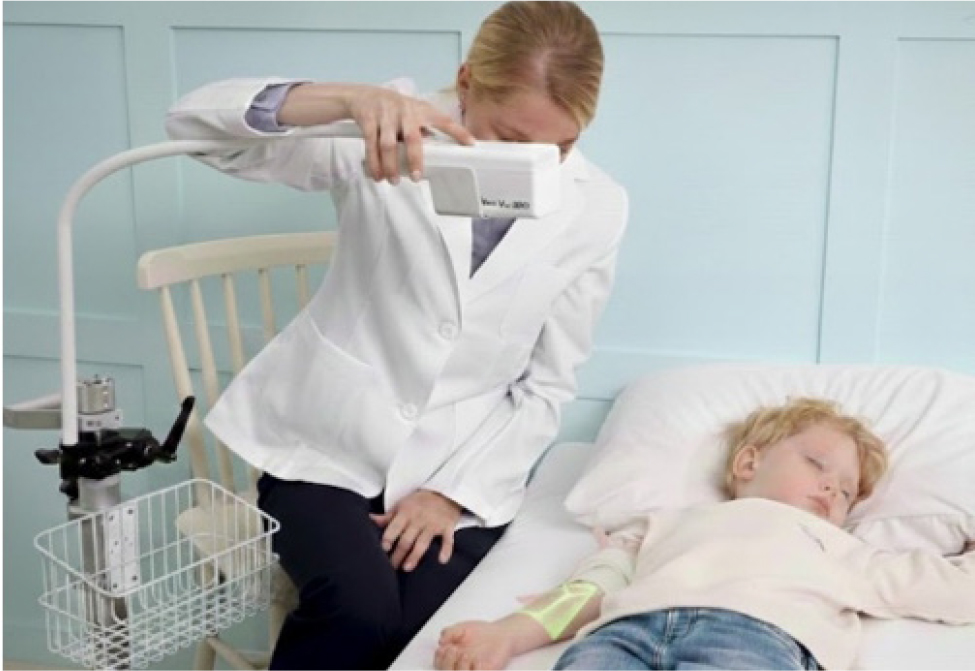
SolarMission Co., Ltd., founded in 2021, is a social venture company that develops and manufactures artificial sunlight lamps using the world’s first and unique patented technology.
SolarMission creates healthy, UV-free artificial sunlight lamps, providing the benefits of sunlight to people and plants whenever they need it. The product consists of artificial sunlight lamps for underground and smart office and for smart farm.

Artificial Sunlight Bar
SolarMission’s SML-P40V2 artificial sunlight bar for smart farms provides healthy, UV-free artificial sunlight. This can supply the benefits of sunlight and even more.

Notably, strawberries that are grown in a cube farm achieved a sugar content of 17.8, far exceeding the sugar content 13 of strawberries grown outdoors, demonstrating its ability to effectively provide the benefits of sunlight where needed. Furthermore, its full-spectrum, including infrared, makes it the only plant lamp with the Emerson enhancement effect.
Artificial sunlight bars are used for multi-tier cultivation like strawberry cultivation. They feature a built-in converter, 40W of power, and are typically 1,200mm long.
For tree-type smart farm, artificial sunlight floodlight (50W to 350W) can be used. The spectra are all UV-free artificial sunlight.

Bio Panel Lamp
SolarMission’s SML-R70V1 bio panel lamp for smart office provides healthy, UV-free artificial sunlight. Therefore, it can provide the benefits of sunlight where it is needed.
It is particularly effective in areas where sunlight is limited, such as basements, at night, or indoors. Its full spectrum, including infrared, is also beneficial to the eyes and body. Developed using patented technology, it is the first and unique healthy lamp in the world and is sold to offices, academic institutions, and hospitals.

Bio panel lamp is replacing conventional white LED lamps that are harmful to the eyes and body due to blue light. And even it has a color rendering index(CRI) very similar to sunlight, protecting eyesight and improving concentration.
It has a built-in converter, its power consumption is 70W, and the size is 1280 x 320 x 28mm.


korean-electronics.com | Blog Magazine of korean electronics, brands and Goods
Coding Robots Transforming STEAM Classrooms

https://korean-electronics.com//inquiry

Empowering the next generation through AI-powered coding and creative robotics
Blue Communication is a leading EdTech company specializing in STEAM (digital game distribution platform) and robotics education solutions that drive digital transformation in learning environments.
AsomeIT, the education brand of Blue Communication, develops innovative coding tools such as ASOMEBOT, ASOMECAR, and ASOMEBOARD, empowering students to build creativity and problem-solving skills through hands-on learning.
As the official reseller of LEGO® Education in Korea, the company provides LEGO Education products and AsomeIT’s own solutions to schools and partners worldwide, fostering global collaboration and innovation in education.

AsomeBot – A Dancing Coding Robot for Creative Learning
AsomeBot is a bipedal coding robot designed for elementary and middle school learners. With a block-based programming interface, students can easily control the robot and understand the principles of coding through interactive play.
The built-in Wi-Fi module allows wireless connection with smart devices for real-time control, while sensors, LEDs, and a buzzer enable motion detection and expressive responses.

AsomeBot can walk, dance, and perform programmed movements, providing hands-on experience in STEAM education. It encourages creativity, problem-solving, and teamwork through engaging, project-based learning activities.
Designed as an edutainment robot, AsomeBot transforms coding into an enjoyable and interactive experience suitable for classrooms, training centers, and STEAM programs worldwide.

AsomeCar Smart Autonomous Driving Robot for Advanced Coding Education
AsomeCar is an powered autonomous driving robot developed for secondary education and advanced coding courses. Equipped with a camera and multiple sensors, it recognizes its surroundings and performs various missions such as line tracing, obstacle avoidance, and target tracking.
The innovative Mecanum Wheel system allows omnidirectional movement, enabling students to explore real automotive logic and robotics principles. Through IP camera vision and machine learning applications, learners can experience hands-on AI, IoT, and STEAM education.
AsomeCar is ideal for project-based robotics and algorithm development, fostering creativity, computational thinking, and problem-solving skills. This advanced educational robot bridges theory and practice, preparing students for the future of smart mobility and intelligent systems.


korean-electronics.com | Blog Magazine of korean electronics, brands and Goods
AI-powered Healthcare Solutions

https://korean-electronics.com//inquiry

Bambol Inc. is an AI healthcare company that analyzes voice and body sounds to support cognitive screening and remote diagnosis.
Its flagship products, Memory Detective and Audia, enable easy and early health screening through mobile devices and Bluetooth digital stethoscopes.
Powered by a secure cloud-based AI platform, Bambol’s solutions are accessible worldwide and are being localized through partnerships in Thailand, Nigeria, and China ― aiming to solve global health and wellness challenges through AI innovation.

Memory Detective, AI-powered Voice-Analysis Solution
Memory Detective is an AI-powered voice-analysis solution that detects early signs of cognitive decline through everyday phone conversations.
By analyzing subtle changes in users’ speech patterns, the system continuously monitors cognitive status without requiring any active testing.

Each user registers a unique voice ID, allowing the AI to automatically identify the speaker and build personalized longitudinal data in daily life.
In addition, a mobile app-based self-test complements the call analysis by providing structured voice assessments, generating integrated cognitive reports through Bambol’s cloud AI platform.

Healthcare providers and wellness programs can use the cloud API to perform group screening, trend analysis, and early-risk detection.
The system is currently being localized and validated in multiple countries including Thailand and Nigeria, aiming to become a global standard model for AI-based cognitive health management.

Audia, AI-powered Chest-Sound Analysis Solution
Audia is an AI-powered chest-sound analysis solution designed for home use, enabling users to detect abnormal respiratory or cardiac sounds easily and accurately.
With a Bluetooth digital stethoscope, anyone can record chest sounds, and the AI instantly classifies them as normal or abnormal — just like a doctor listening with experience.

It helps users decide whether medical attention is needed and serves as a supportive tool for telehealth consultations and home wellness monitoring.
Audia is hardware-agnostic, compatible with a wide range of Bluetooth stethoscopes, and can also be integrated with specific devices designated by overseas distribution partners for localized packages.
AI processing is performed securely on cloud servers or local installations, complying with data governance requirements.
Audia brings professional-grade auscultation to everyday life, empowering individuals to manage their respiratory and heart health through intelligent sound analysis.


korean-electronics.com | Blog Magazine of korean electronics, brands and Goods
Biosignal Measurement Device

https://korean-electronics.com//inquiry

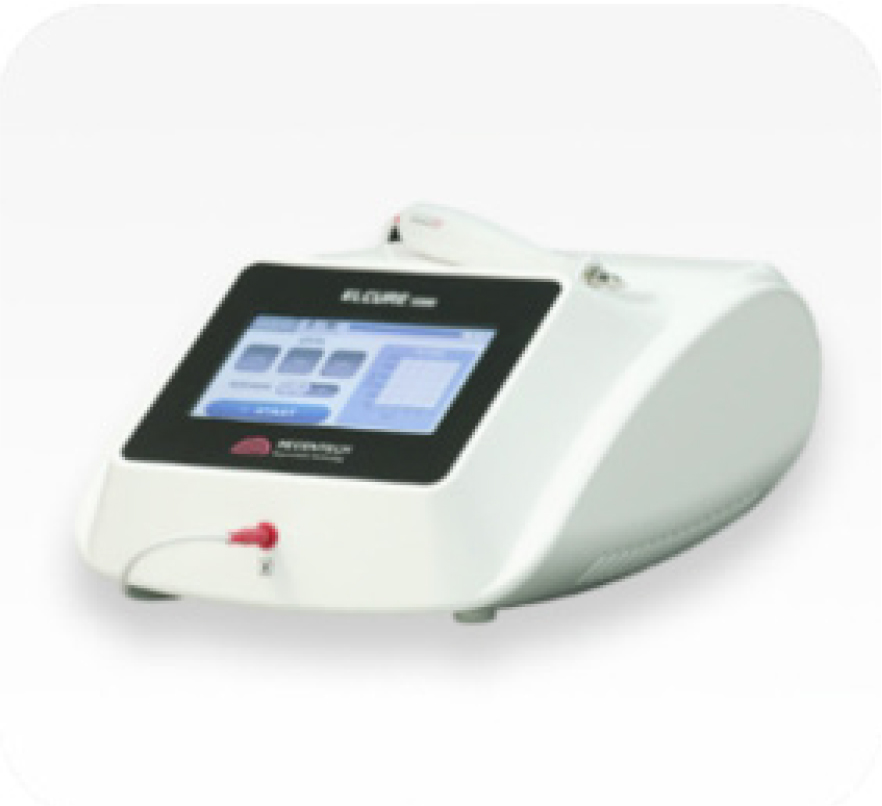
Newert Co., Ltd. is a comprehensive solution partner for biosignal research and development. Newert is a biosignal solutions company specializing in digital healthcare, providing data-collection equipment and software.
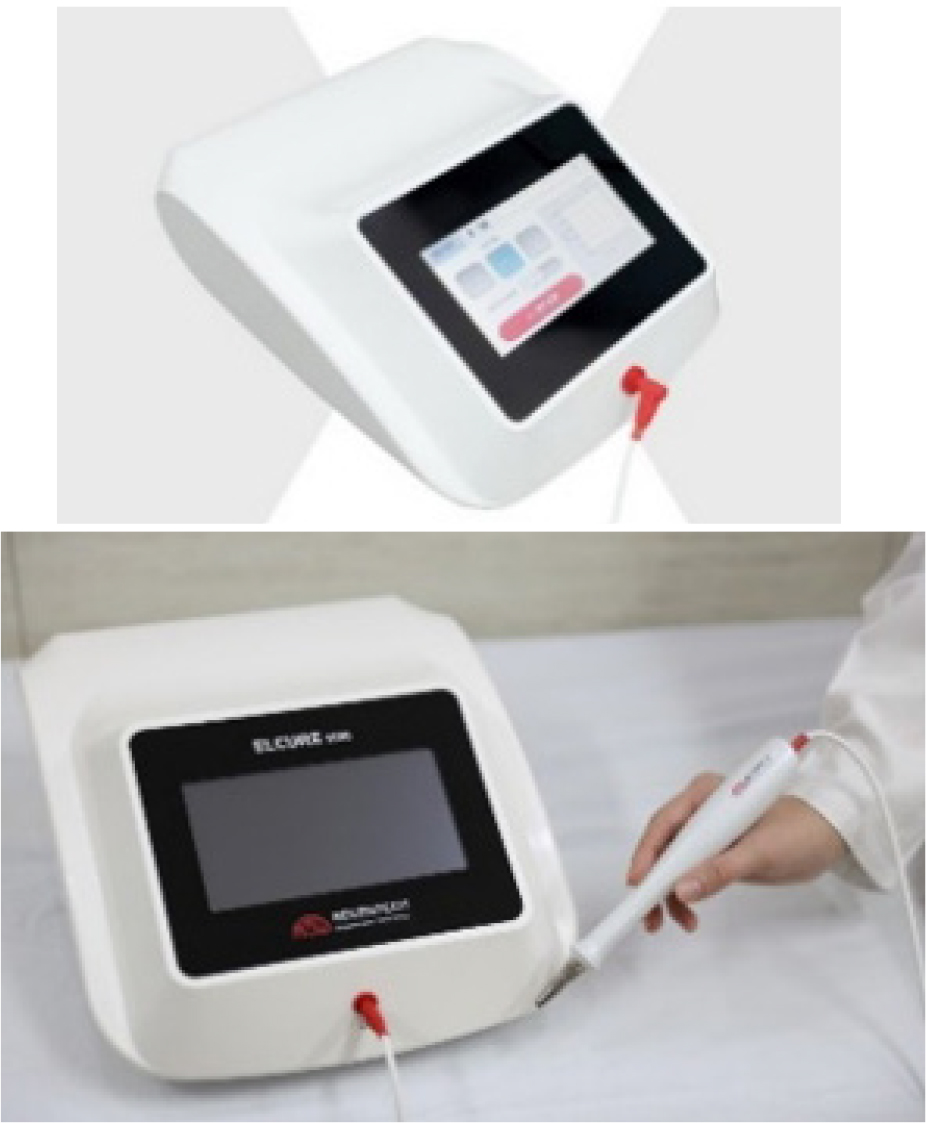
To address the challenges of biosignal data collection, storage, and analysis due to distortion or omission, Newert developed EmoConnect PPG&Motion, which is proprietary biosignal measurement equipment that utilizes AI to eliminate noise and prevent data loss.
Currently, Newert provides EmoConnect PPG&Motion to government-funded research institutes, hospitals, and digital healthcare companies.

EmoConnect PPG&Motion, Wearable Biosignal Measurement Device
Biosignals have seen a surge in demand for monitoring personal biosignals since the COVID-19 pandemic, and their use and market size have grown in everyday life, moving from specific environments such as hospitals and laboratories.
However, existing biosignal measurement equipment has failed to reflect these trends, limiting research and development.
To address this issue, Newert developed EmoConnect PPG&Motion, which utilizes the ClearPulse-X engine, an AI-based motion artifact removal engine, enabling stable data collection even during user movement during biosignal measurement.
EmoConnect PPG&Motion is a wearable biosignal measurement device in the form of a wristband optimized for biosignal research and development.
This device monitors heart rate based on signals collected in real time via a pulse wave (PPG) sensor, and detects user movement using a built-in inertial measurement unit (IMU) sensor.

This device collects users’ complex biosignals (PPG, HR, HRV, etc.) as real-time raw data and converts them into analyzable biomarkers, supporting more precise research and development and new business expansion.
AI adaptive filtering minimizes noise, enabling continuous extraction of everyday data. The app can be used according to the nature and purpose of one’s research and development needs.
It is equipped with smart filtering to eliminate noise generated by movement or the external environment.

Three Strong Points
Firstly, this device is a miniaturized wearable device, making data acquisition convenient for anyone. Secondly, it supports AI-based data analysis, enabling fast and low-cost research and development. Thirdly, cloud-based management and home healthcare scalability provide a stable and future-oriented ecosystem.


korean-electronics.com | Blog Magazine of korean electronics, brands and Goods
DRAM Prices are Soaring Following HBM’s Triple-Fold Rise in Half a Year

https://korean-electronics.com//inquiry

The memory market dominance will be changed Samsung Electronics sees ‘green light’ for next year’s earnings Restructuring for high-performance, high-profi t structure

 The competition to expand artifi cial intelligence (AI) infrastructure is shifting investment and demand, which have been concentrated on high-bandwidth memory (HBM), to general-purpose DRAM. As global companies accelerate the expansion of their computing infrastructure, demand for HBM- oriented high-performance memory is shifting to DRAM for general-purpose servers.

Memory-demand companies are responding by expanding long-term contracts and pre-orders, and DRAM prices have nearly tripled in just half a year. Samsung Electronics’ semiconductor (DS) sector’s operating profi t is projected to triple next year compared to this year.
Global cloud providers including Open AI, Google and Amazon are continuing to expand their AI servers to improve computing effi ciency.
Consequently, the average DRAM capacity per server is expected to increase by more than double digits next year compared to last year, and demand for overall server DRAM is expected to increase by more than 20%.

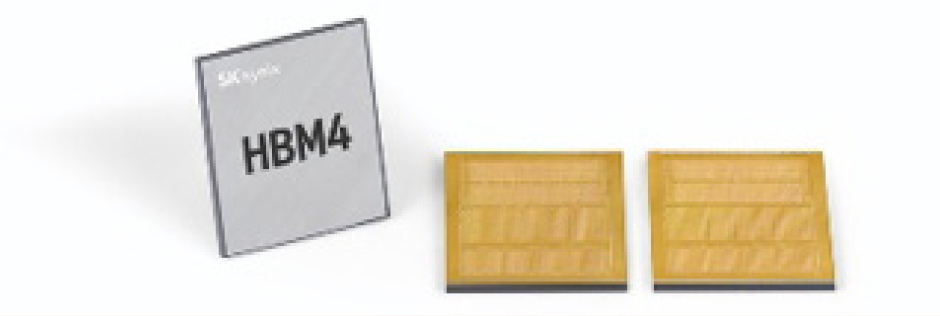
While demand for DRAM is rapidly increasing, supply is limited due to increased investment in HBM. This is because Samsung Electronics and SK Hynix are continuing to invest in memory facilities focused on HBM. Both companies plan to focus on mass-production of HBM4 from the end of this year to next year, so it is diffi cult to rapidly increase general DRAM production capacity. An industry insider commented, “With facilities concentrated on HBM, general-purpose DRAM production capacity is rapidly decreasing. As Samsung Electronics and SK Hynix reduce production of older semiconductors, the entire market is shifting to high-performance products.”
TrendForce forecasts that the price of DRAM in the fourth quarter of this year will increase by 13~18% compared to the previous quarter. UBS also raised its forecast for fi xed transaction price increases of DRAM from 5% to 17%, stating, “The memory market has entered a supercycle that comes once in a decade due to the surge in demand for AI servers.”


korean-electronics.com | Blog Magazine of korean electronics, brands and Goods

All-Solid-State Batteries: Samsung SDI allies with BMW

https://korean-electronics.com//inquiry

Tripartite cooperation on all-solid-state batteries Samsung to produce cells and install them in BMW vehicles Solid Power, a U.S. materials company, is participating Higher safety than lithium-ion
A game changer that will shake up the market

Samsung SDI of Korea, BMW of Germany, and Solid Power of the United States have joined forces to develop all-solid-state batt eries, known as ‘the dream batt ery,’ that is lighter, stronger and longer-lasting. Samsung SDI announced that it has signed a three-party business contract with BMW and Solid Power for the development and demonstration of all-solid-state batt eries.
Solid Power, a batt ery materials company, will supply solid electrolyte, the raw material. Samsung SDI will use this to produce all-solid-state batt ery cells with increased energy density and safety. BMW will then develop batt ery modules and packs based on these and demonstrate their performance. The goal is to install all- solid-state batt eries in BMW’s next-generation test vehicles to verify their actual performance. All-solid-state batt eries, unlike existing lithium-ion
batt eries, utilize solid materials instead of liquid electrolytes. This reduces the risk of fi re caused by electrolyte leakage and eliminates the need for individual cell sealing. They are highly stable and light so it is called ‘a game changer’ to reshape the dominance of the next- generation batt ery.
The only issue, however, is price. The cost of manufacturing all-solid-state batt eries is estimated to be three- to fi ve-times higher than liquid-based lithium-ion products. Moreover, the facility costs required to produce all-solid-state batt eries are estimated to be 10 to 20 times higher than those for lithium-ion batt eries. Consequently, no electric vehicles equipped with all-solid-state batt eries have yet been launched. However, the tripartite alliance between Samsung SDI, BMW, and Solid Power is seen as a strategy to overcome these technological and cost barriers.

Samsung SDI has maintained a close relationship with BMW since it was selected as a supplier of EV batt eries for BMW in 2009, and this agreement further enhances their technological cooperation.
Joo-young Go, head of the ASB Commercialization Team at Samsung SDI, explained, “Competitive batt ery technology directly leads to innovation in electric vehicles. We will continue to closely collaborate with global partners to lead the commercialization of all-solid-state batt eries.”
Martin Schuster, Vice President of Batt ery Cells at BMW Group, remarked, “With Samsung SDI’s participation, we can further accelerate the development of next-generation batt ery cell technology. This global cooperation will once again demonstrate BMW’s ultimate goal of providing
cutt ing-edge batt ery technology.” Meanwhile, John Van Scoter, President and CEO of Solid Power, emphasized, “We will work with global automakers and leading batt ery companies to commercialize all-solid-state batt ery technology.”
The prospect of the all-solid-state batt ery industry is very positive. The global all-solid-state batt ery market is projected to grow nearly sevenfold over the next fi ve years, from $148 million this year to $963 million in 2030.

  
korean-electronics.com | Blog Magazine of korean electronics, brands and Goods
Samsung Breaks TSMC’s Monopoly: Green Light for Foundry Rebound

https://korean-electronics.com//inquiry

A series of positive news for Samsung Semiconductor Joint supplier-ship with TSMC
Increasing the potential to obtain big tech orders

The fact that Samsung Electronics Foundry obtained the order for AI5, Tesla’s next-generation autonomous driving AI semiconductor, is a signifi cant deal that goes beyond simply securing volume from Taiwan’s TSMC. This is seen as an important opportunity to reduce the quarterly losses of its foundry business, which currently generates KRW 2 trillion (approximately USD 1.6 billion), and to att ract new customers.
Since TSMC plans to produce A15 starting in 2026, Samsung will be able to mass-produce it much sooner, contributing to its foundry performance. Furthermore, since it is likely to be produced at the Taylor fab in the factory in Texas, USA, which will be completed next year, it will increase utilization at the Taylor fab and enhance the fi nal quality of next-generation A16, thereby killing two birds with one stone.
It is more meaningful that Samsung Electronics has now assumed the role of dual vendor (multiple supplier ) in producing advanced chips alongside TSMC. It is considered ideal if customers can maintain multiple suppliers to increase their bargaining power in contract manufacturing. However, big tech customers that outsource production to
TSMC have maintained a sole vendor (single vendor ) system, entrusting all production to TSMC to produce their semiconductors using the most advanced processes.

However, for as long as big tech companies maintain the sole vendor system, it is inevitable that Samsung Electronics will be at a signifi cant disadvantage in the competition for orders.
Nonetheless, as Tesla leads the way in diversifying advanced chip manufacturing between TSMC and Samsung Electronics, other big tech companies may seriously consider dual vendor systems. Indeed, Qualcomm is reportedly considering producing the Snapdragon 8 Elite, which will be mounted in the Galaxy S26, also at the Samsung Foundry.
According to foreign media reports, TSMC plans to increase prices for advanced nodes below 5nm by 5~10%. Prices for the most recent 2nm process are expected to rise by at least 50%.

korean-electronics.com | Blog Magazine of korean electronics, brands and Goods
Following HBM, NAND·DRAM in a Boom

https://korean-electronics.com//inquiry

SK Hynix solidifies ‘AI memory kingship’
Explosive demand for AI-driven high-performance products “Unlike the short-term boom in 2017”
HBM’s global dominance system continues Annual growth expected to be consistently at 30% “DRAM and NAN to be sold out next year also”

Artificial Intelligence (AI) is completely reshaping the memory industry. Just a year ago, it was believed that only high- bandwidth memory (HBM) was selling well, but now the boom has spread to general-purpose DRAM and NAND flash.

With the exponential demand for high-performance computing, particularly AI servers, the semiconductor industry’s long-awaited ‘memory super cycle’ appears to be in full swing.

The proliferation of AI is shifting from a simple, temporary demand to a structure that requires processing massive amounts of data across all stages, including learning, inference, and on-device. This is leading to a structural transition — and here, memory usage is steadily increasing. A spokesperson for SK Hynix explained, “We expect that HBM will continue to be ‘sold out’ every year after 2023 and will show a high average annual growth rate of 30% over the next five years. Shipments of high-capacity DDR5, a general purpose product, are expected to be at least doubled compared to the previous quarter, and the proportion of expensive corporate SSDs within NAND is increasing.”

The complex process of HBM makes short-term capacity- expansion difficult, and all-three global memory companies — Samsung Electronics, SK Hynix, and Micron — are maintaining a conservative investment approach. There is also the practical constraint that the production-capacity of general-purpose DRAM decreases as the proportion of HBM increases.
Amidst this constrained market environment, SK Hynix is proactively responding by expanding dedicated HBM lines and improving production efficiency. 
 
korean-electronics.com | Blog Magazine of korean electronics, brands and Goods
Korea’s October Exports Reach their Highest-Ever Level

https://korean-electronics.com//inquiry

According to the ‘October Export and Import Trends in 2025,’ released by Korea’s Ministry of Trade, Industry and Energy (MOTIE), exports in October reached $59.57 billion, a 3.6% increase year-on-year. This marks the highest October export performance ever.
Notably, despite a significant decrease in operating days due to the Chuseok holidays, exports continued to increase for five consecutive months. The trade balance also recorded a surplus of $6.06 billion.
By product, exports of four of the 15 major export items increased in October. Semiconductor exports increased significantly by 25.4% to $15.73 billion, marking the eighth consecutive month of growth and the highest-ever October performance. This growth was driven by strong demand for high-capacity, high-value-added memory, such as server-focused HBM and DDR5, which led to rising memory contract prices. Computer exports also rose by 1.7% to $980 million, ending a three-month decline and turning positive.

Ship exports, including offshore plants ($2.47 billion), recorded massive triple-digit growth (+131.2%), marking the eighth consecutive month of growth.
Petroleum product exports rose by 12.7% to $3.83 billion, marking the second consecutive month of growth, driven by year-on-year increases in export volume amidst exports of petroleum products remain flat in international product prices.
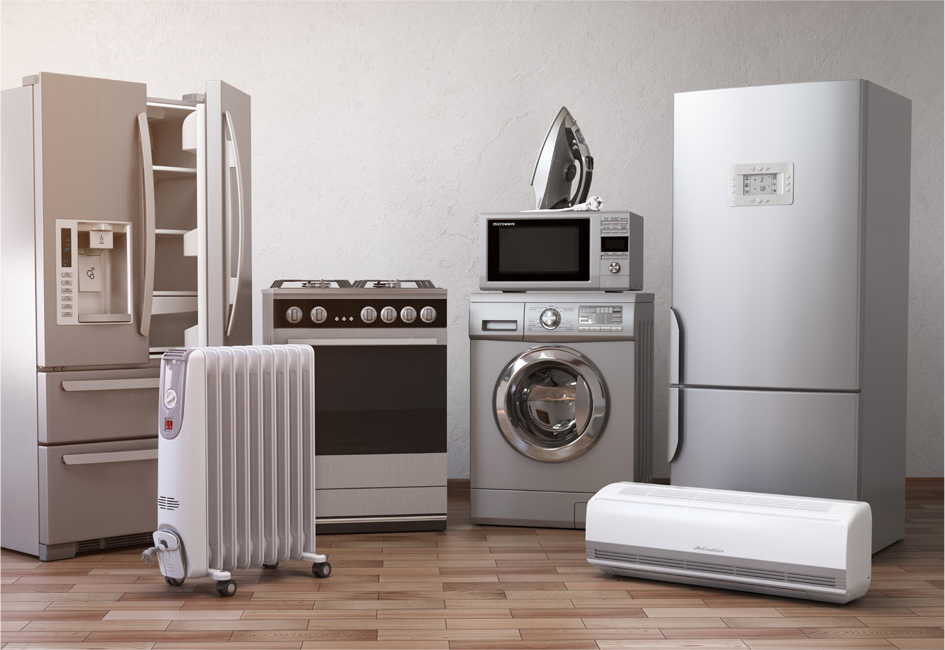
Overall, exports decreased for most of the 15 major items, as well as other items, due to the extended holiday period at the beginning of the month. In particular, the exports of automobiles, auto parts, steel, general machinery, and home appliances, which are being heavily impacted by U.S. tariffs, showed a relatively high decline.

By region, exports increased to two of Korea’s nine major export regions in October. Exports to the United States decreased by 16.2% to $8.71 billion — the only region to record a double-digit decline among nine major regions — as key items such as automobiles, auto parts, steel, and general machinery weakened due to the tariffs.
Exports to China decreased slightly to $11.55 billion (-5.1%), remaining above $11 billion for the second consecutive month. Exports to ASEAN decreased by 6.5% to $9.4 billion, as most items, excluding semiconductors, declined due to fewer working days.


 Exports to Central and South America surged by 99.0% to $4.71 billion, driven by exports of large-scale offshore plants, breaking the previous record (previously $4.22 billion in June 2010). Exports to the CIS increased by 34.4% to $1.34 billion, marking the eighth consecutive month of growth.
Meanwhile, exports to the EU ($5.19 billion, -2.0%), India ($1.49 billion, -1.2%), and the Middle East ($1.5 billion, -1.3%) remained flat year-on-year. Outside the nine major regions, exports to Taiwan reached $5.15 billion (+46.0%), the highest level in October, driven by the continued strong semiconductor market, particularly in HBM.


korean-electronics.com | Blog Magazine of korean electronics, brands and Goods