Digital X-ray Detectors

https://korean-electronics.com//inquiry

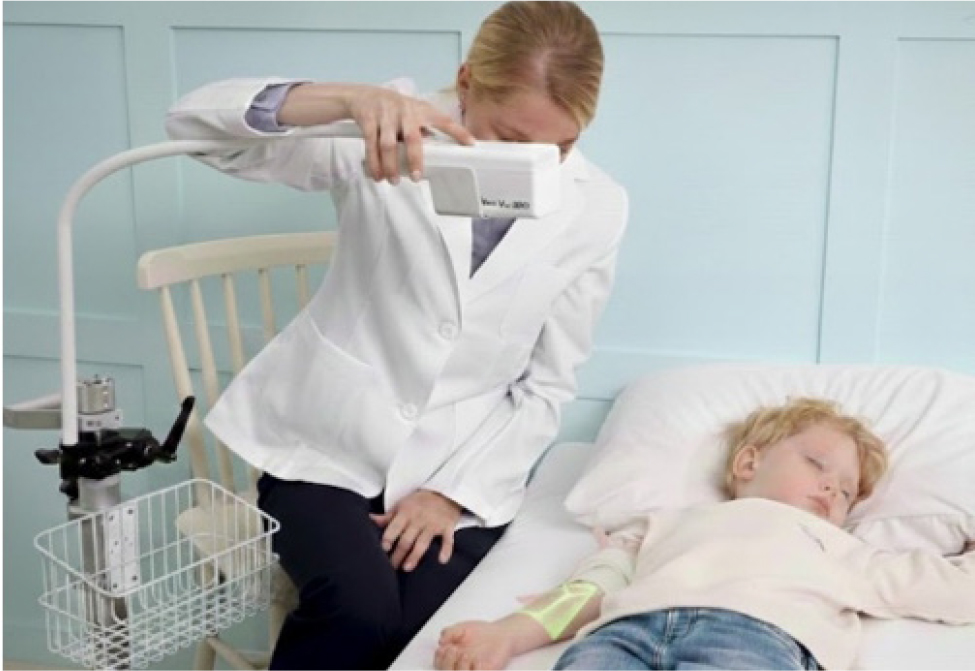
[INQ. NO. 2602E02] PIXXGEN is a digital radiology company that develops and manufactures cutting-edge X-ray detectors and digital-imaging software.
PIXXGEN provides reliable image quality and stability in a variety of environments, including medical, veterinary, and industrial settings. Its mission is to popularize low-cost, high-quality digital-imaging solutions. It pursues continuous research and development and quality-enhancements, aiming at providing image solutions with low-cost and high-quality.

Currently, PIXXGEN’s digital X-ray detectors are used in medical settings in approximately 50 countries worldwide, as well as in domestic hospitals, clinics, and veterinary hospitals. They are recognized for their technological prowess and reliability in the global market.
PIXXGEN’s flagship flat panel detector series delivers reliable diagnostic images in a variety of clinical environments, leveraging superior image quality, low-noise characteristics, and stable signal processing technology.

The flat panel detectors’ design incorporates durability and stability to minimize performance degradation, even over long periods of use. Its flat panel detector series has been released after repeated testing reflecting actual clinical and field environments. They are characterized by enhancing the convenience of use for medical staff by improving intuitiveness and efficiency not only in hardware performance but also in user interface and software.

PIXXGEN is an export-oriented company, generating approximately 90% of its total revenue from overseas exports. It has established a stable supply chain in diverse regions, including the United States, Canada, Germany, Italy, France, Australia, and China ― as well as Central and South America, Southeast Asia, the Middle East, and Africa.
Based on long-term partnerships, PIXXGEN continues to collaborate with local medical device distributors and system manufacturers, achieving double-digit growth annually. In 2025, it achieved approximately 40% growth compared to the previous year, and is targeting growth of over 30% in 2026.
In addition to its existing markets in North America, Europe, and Asia, PIXXGEN is targeting Africa and Latin America, where medical infrastructure is rapidly expanding, as strategic expansion markets. While demand for digital-imaging systems is growing in these regions, the supply of products that meet the requirements of both reasonable prices and reliable quality is limited. PIXXGEN plans to leverage its manufacturing competitiveness to meet these market characteristics and expand collaborations with local distributors and system integrators.


korean-electronics.com | Blog Magazine of korean electronics, brands and Goods
Korea’s 41st KIMES

https://korean-electronics.com//inquiry

Korea’s 41st KIMES Attracting Growing Numbers of Globally Advanced Precision Medical Solutions

The Korea International Medical & Hospital Equipment Show (KIMES) is a global platform where domestic and international medical experts and industry professionals gather to share cutting-edge technology and knowledge, and discuss the future of the medical industry.

KIMES has recently been drawing keen attention on the global stage by presenting Korean medical technology that has developed into a technology intensive, cutting-edge medical industry boosted by innovations of the 4th Industrial Revolution ― such as medical information systems, medical robots, AI, and rehabilitation medicines.

The 41st KIMES will be held at COEX in Seoul from March 19 to 22. Approximately 1,500 domestic and international manufacturers are expected to participate in this exhibition, showcasing approximately 40,000 medical solutions ― including convergence medical devices, hospital equipment, medical information systems, healthcare and rehabilitation devices, and medical supplies.

Additionally, there will be a variety of opportunities to share medical information, including seminars on medical trends, medical technology, and K-medical industry global market entry, all of which will explore and address the future of the medical industry.
 

This year’s exhibition will also feature invited experts in the medical device and healthcare sectors from around the world, enabling Korean companies to expand their global networks and explore opportunities to enter overseas markets.
During the exhibition, numerous foreign buyers are expected to visit Korean booths, engaging in consultations and business meetings with Korean companies, thereby fostering practical business deals and partnerships.

This year’s exhibition is expected to particularly draw attention with its advanced precision medical solutions, featuring enhanced AI capabilities compared to last year. Ultrasound equipment and imaging diagnostic medical devices equipped with AI-based digital automation tools that enhance convenience for patients and medical staff are expected to gain greater market share than last year.


korean-electronics.com | Blog Magazine of korean electronics, brands and Goods
AI-based Industrial Sensors

https://korean-electronics.com//inquiry

Korea Digital, a pioneer of AI-based industrial sensors
[INQ. NO. 2602E01] Established in 1997, Korea Digital Co., Ltd.has been manufacturing and supplying different types of industrial sensors that are applicable to various industries.
Currently, Korea Digital is seeking to supply various areas of sensing technologies that are expected to increase customer efficiency and productivity through various B2B businesses ― beyond simply providing industrial sensors.
With its three flagship business areas ― industrial sensors, MBL, and smart farm ― Korea Digital is mainly manufacturing temperature control and motor control systems, AIoT solutions, coding robots, etc.

Industrial Sensors ‘SENSECUBE’
Based on over 20 years of expertise and proven experience in various sensor fields, Korea Digital is providing sensing and measurement solutions optimized to meet customer needs.
Korea Digital entered the industrial sensor business by developing and commercializing the first dual Non-Dispersive Infrared (NDIR) sensor module in Korea that can quickly and accurately measure indoor carbon dioxide (CO2) gas concentration. Starting with CO2 gas sensors and sensor application products suitable for various purposes, Korea Digital is currently providing sensing technology in various fields other than CO2 by utilizing its own technology and continuous research and development performance.

Korea Digital supplies sensors for a wide range of applications, including indoor ventilation and air-quality management; control of physical and chemical equipment such as cell culture vessels; atmospheric and meteorological monitoring; environmental monitoring for agriculture, livestock, and fisheries; environmental control for crop storage and transportation ― and other safety and disaster prevention applications.

MBL Sensor ‘ScienceCube’
ScienceCube is a science-education device developed by Korea Digital, the only Microcomputer-Based Laboratory (MBL) manufacturer in Korea. It enables various science experiments through dedicated sensors for scientific experiments, data loggers, and analysis programs. ScienceCube is optimized for subjects such as physics, chemistry, biology, and Earth science, and can be easily used by students from elementary school to university.
ScienceCube is an experimental device optimized for the ‘intelligent science laboratory,’ which is easy, fun, fast, accurate, and convenient.
With over 180 types of experimental sensors produced in-house and analysis programs available on various operating systems ― as well as content and educational programs perfectly aligned with school curricula ― ScienceCube supports student-centered scientific inquiry activities.

ScienceCube supports STEM education, making science-learning easier and more effective. With ScienceCube, students can gain hands-on experience and understand scientific concepts through practical experiments. As the flagship brand of Korea Digital the only MBL manufacturer in Korea, ScienceCube is a proud Korean brand exported to 55 countries, including Japan, Germany, the Netherlands, and the UK. It is the most widely used MBL in South Korea, with over 2,500 educational institutions nationwide. For the past 20 years, ScienceCube has been dedicated to advancing science education and continues to work toward this goal today.

Smart Farm ‘FARMSCUBE’
Korea Digital’s FARMSCUBE is a superior complex environmental control system that combines precise sensor technology, control technology, and advanced wireless technology. It is easy to install and convenient to move and place.
Korea Digital offers all products at affordable prices as a manufacturer of all sensors and controllers.

Sensor monitoring, control and setting, data storage and analysis can be used quickly and easily via a smartphone. It is able to control various types of equipment with one controller since it supports 24-channel relay ports and 12-channel switchgear dedicated ports. It is able to easily connect to the device anytime, anywhere through LoRa wireless communication, LTE modem, and Bluetooth.
“We are advancing our level of sensing technologies that are applicable globally to various industries ― by utilizing our accumulated sensor technologies in industrial sensors, MBL, and smart farm. We are seeking to elevate the level of our AI-based sensing technologies to supply them to both domestic and global customers ― in order to help their profit enhancing-based sustainable growth in the midterm and long term,” the company’s CEO remarked.


korean-electronics.com | Blog Magazine of korean electronics, brands and Goods
Global Sales of Memories

https://korean-electronics.com//inquiry

Global Sales of Memories Will Be Higher This Year

Sales will continue to grow until next year
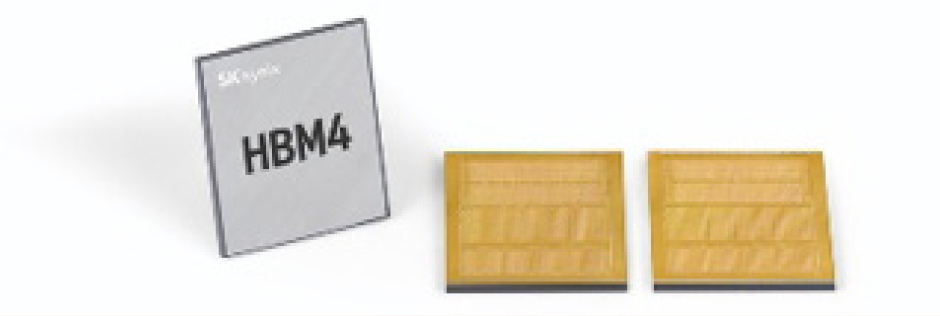
Increased production of DRAM for HBM and servers is drawing attention

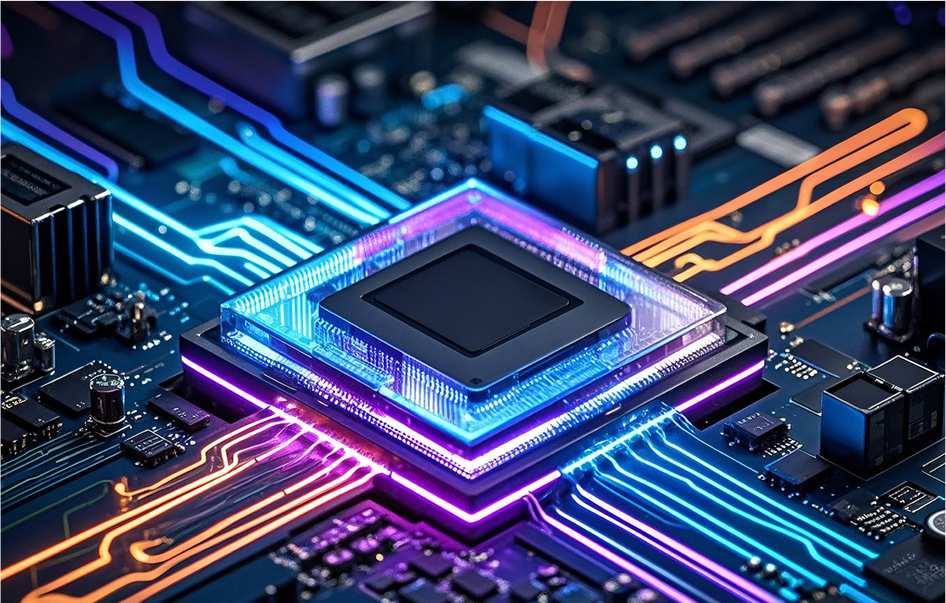
An analysis suggests that the ‘semiconductor supercycle’ driven by artificial intelligence (AI) will fundamentally change the structure of the memory semiconductor market. Amid a memory shortage that is already happening in the market, the global memory market is expected to exceed USD 500 billion this year, more than doubling last year’s size.

According to Taiwanese market research firm TrendForce, global sales of memories will reach USD 551.6 billion (approximately KRW 795 trillion) this year, a 134% increase from last year. It also analyzed that sales in 2027 will peak at USD 842.7 billion (approximately KRW 1,215 trillion), a 53% increase from this year.
This growth is driven by the AI industry’s development direction because the need for high-bandwidth, large-capacity DRAMs for large-scale model parameter processing, inference, and multi-task parallel processing is growing as the data covered is exploding in quantity.
The fact that major suppliers such as Samsung Electronics, SK Nynix and Micron are adopting the ‘selection and concentration’ strategy is also affecting the market. As these companies focus on expanding their production of DRAMs for high-bandwidth memory (HBM) and servers due to the increase in demand for HBMs, which are considered ‘a leader’ in the AI semiconductor field, market prices for general-purpose DRAMs supplied to sets such as smartphones or PCs are soaring due to lack of supply.
The automobile industry is also faced with hardship due to an increase in vehicle DRAM prices. In the automobile industry, older model DRAMs are primarily used since it takes more than two years to verify the reliability of parts.
However, there is a high possibility that the manufacturing of these products will decrease as memory suppliers rapidly change their lines to the latest process for AI, which are more profitable.


korean-electronics.com | Blog Magazine of korean electronics, brands and Goods

AI Investment

https://korean-electronics.com//inquiry

AI Investment Rush from the Beginning Of the Year

OpenAI signs a KRW 15 trillion AI chip contract.
‘Investment front’ expands across all areas.

Despite concerns over an artificial intelligence (AI) bubble, global big-tech companies and investors are heavily investing again in AI in the new year. Investment seems to be expanded across all areas including power infrastructure, data centers, robot and manufacturing automation, security and healthcare, beyond the competition in generative AI models.

According to the Wall Street Journal, OpenAI has agreed to purchase up to 750MW of computing capacity from AI semiconductor startup Cerebras Systems over the next three years. The contract is worth USD 10 billion (approximately KRW 14.7 trillion). OpenAI plans to use AI-specific chips designed by Cerebras to process responses by ChatGPT. Cerebras has been developing semiconductors specialized for inferring process generating answers to an actual user’s questions after a large-scale language model (LLM) has completed training.
Behind OpenAI’s large-scale contract is the current demand from 900 million users.
Its competitor Anthropic is also seeking to attract big investment. Anthropic is preparing to attract USD 10 billion worth of investments based on its enterprise value of USD 350 billion.
The scope of investment expands even further at the startup level. Skild AI, which develops general-purpose AI software for robots, recently closed a deal for USD 1.4 billion in Series C investment, making the enterprise value at USD 14 billion.
As a power shortage problem emerges, the nuclear fusion sector, which is considered an alternative to solve this problem, is also experiencing similar changes. Nuclear fusion startup Type One Energy recently raised USD 87 million and is accelerating its efforts to build a commercial fusion power plant by the mid-2030s.
There are also significant moves in funding. Andreessen Horowits, a leading Silicon Valley top venture capital firm, recently raised a new fund worth over USD 15 billion, the largest ever.


korean-electronics.com | Blog Magazine of korean electronics, brands and Goods
Powerful AI Emerges on Smartphones

https://korean-electronics.com//inquiry

Global competition in lightweight model Works without Internet or GPU

‘Small but powerful artificial intelligence (AI)’ that can be stored and used on smartphone or computers (PCs and laptops) without Wi-Fi or an internet connection is emerging. LG Electronics’ new laptop LG Gram, which was released this year, is also equipped with a lightweight model of the AI model, ‘EXAONE 3.5.’ Even a micro-sized model that can be stored on floppy disks, a storage medium used 30 years ago, has emerged overseas.

According to the information technology (IT) industry, LFM 2.5 1.2B, a model for edge introduced by a U.S. AI startup Liquid AI earlier this month, is drawing keen attention with more than 50,000 downloads within just ten days of its release on the open-source platform Hugging Face.
This model outperforms similar models from Alibaba and Meta, yet is micro-sized enough to store on a 750MB floppy disk.
The most significant feature of this micro-sized model is that it can run on local devices like smartphones or PCs used by ordinary users. Unlike the latest model of OpenAI and Google, which require a massive amount of GPU resources, this model is optimized to be run by a GPU or a neural processing unit (NPU) in the device.
The use of micro-sized models is also on the rise in Korea. LG Electronics has installed EXAONE 3.5, a model developed by LG’s AI Research Institute, in the 2026 LG Gram released earlier this year.
Based on EXAONE 3.5, LG gram offers features that can summarize using AI without network connection and search and answer by creating a database using data stored on a PC.
Kakao’s on-device AI feature, Kanana in KakaoTalk, which will be fully applied to KakaoTalk in the first quarter of this year, also utilizes a micro-sized model. Kanana in KakaoTalk is used to analyze a user’s conversation to suggest customized questions or to identify a user’s schedules and notify the user.


korean-electronics.com | Blog Magazine of korean electronics, brands and Goods
Samsung

https://korean-electronics.com//inquiry

Samsung Counterattacks Apple-Google Collaboration

Samsung expands its browser service counteracting Apple’s introduction of Gemini AI

While Apple is planning to strengthen its voice AI assistant Siri by introducing Google’s artificial intelligence (AI) Gemini, Samsung Electronics’ countermeasure strategy is also drawing attention. Samsung Electronics is expanding its ecosystem by expanding its Internet browsers for PCs and enhancing the connectivity between Gemini and Samsung accounts.
Samsung Electronics is currently testing Samsung’s Internet browser for Windows, which it unveiled late last year, as a beta service. At this point, it is open only to U.S. and Korean customers, but the service will be expanded worldwide in the future.

A key feature of Samsung’s Internet browser is that users can access it by logging in through Samsung’s account. This enables users to automatically synchronize bookmarks, browsing history, and open tab information used on Galaxy smartphones with their PCs.
Samsung Electronics will expand its account ecosystem to include PC-based Internet browsers through this browser for Windows. As of the end of 2024, Samsung has 1.8 billion user account information.

Samsung Electronics has seized victory in AI phone competition with the world’s first AI phone it introduced in 2024, thanks to its early partnership with Google, which develops the best AI models. As Gemini is installed as a basic AI for Samsung Galaxy phones, it is used for various Galaxy AI functions.
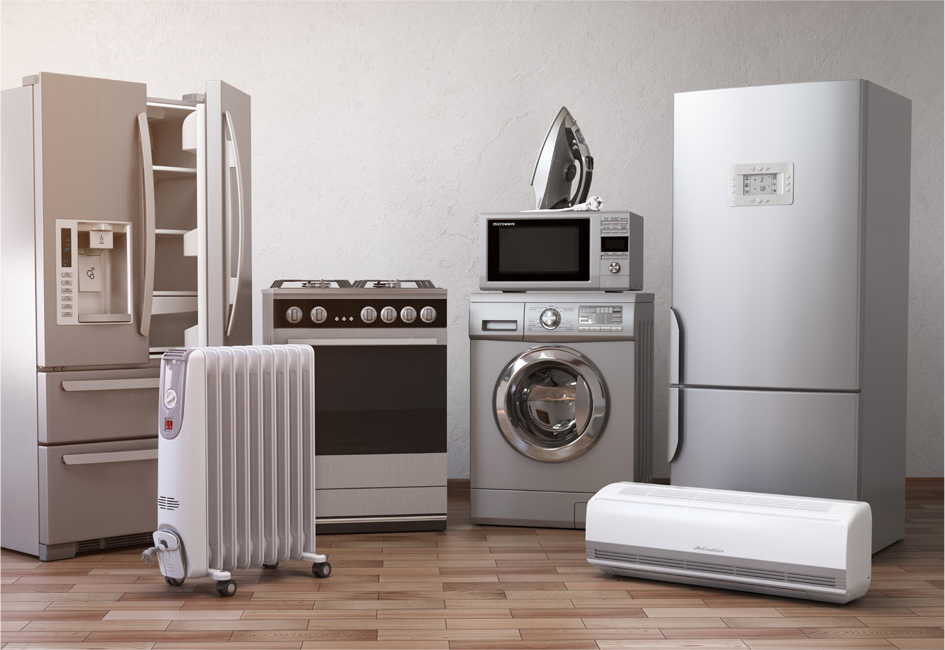
Samsung’s strength in customer data is its data in the home appliance sector. Home appliances like TVs, refrigerators, and washing machines are connected to Samsung account-based ‘SmartThings.’ Neither Google nor Apple has the data from customers’ home appliances.
 
 
korean-electronics.com | Blog Magazine of korean electronics, brands and Goods
Beginners’ Guide to: Jeju Island

https://korean-electronics.com//inquiry

Located southwest of the Korean Peninsula is the largest island of Korea, Jeju Island. The island is one of the most relaxing vacation spots found in Korea thanks to its unique local atmosphere and beautiful natural environment. The volcanic lava tubes that make up nearly 10% of the island’s area are a designated UNESCO World Natural Heritage Site.
Seongsan Ilchulbong Tuff Cone, Manjanggul Lava Tube, and Hallasan National Park are must-see sights. Additional attractions include forests, waterfalls, and parasitic cones. With so many beautiful things to see, it can be hard work to plan your itinerary.

UNESCO World Heritage Course

Rising from the sea, Seongsan Ilchulbong Tuff Cone
Seongsan Ilchulbong Tuff Cone, a landmark attraction of Jeju, was formed about 5,000 years ago from an eruption of magma on the ocean floor. It is especially famous as a sunrise viewing spot, known to be one of the top ten exquisite sceneries of Jeju Island.
Besides viewing the sunrise, Seongsan Ilchulbong Tuff Cone is also known to be an excellent trekking spot. The Seongsan-Ojo Trail connects two villages by crossing the peak. Another popular trail, the Jijil Trail, offers a closer look at the UNESCO-designated geopark as well as Jeju’s local culture. Walking along one of these paths is recommended to really experience the area; walking all the way to the summit offers views of both the vast volcanic crater in the center and the blue ocean surrounding the area. To complete your trip, head to Seongsanpo Port to watch haenyeo (female divers) at work.

Feel the breeze at Cape Seopjikoji
A short drive from Seongsan Ilchulbong Peak will take you to Cape Seopjikoji. The name comes from the Jeju dialect for a “Cape of Small Land” due to its peculiar cliff formation that protrudes into the ocean. The picturesque harmony of the hill and ocean attract tourists all year round. You might even be able to sight Jeju ponies grazing on the field of grass.
Walking northeast along the cliff, you will arrive at Bulgeunoreum Parasitic Cone, offering an exquisite view of a white lighthouse with the dark blue sea in the background. Additional noteworthy attractions of Cape Seopjikoji are the Glasshouse and Yumin Art Gallery, two masterpieces designed by world-renowned architect Ando Tadao. The two buildings blend in remarkably well with the surrounding nature.

Observe the beauty of ridges at Yongnunioreum Parasitic Cone
You can’t say you’ve been to Jeju Island without visiting one of the many oreum, Jeju dialect for parasitic cone. There are approximately 360 oreum scattered throughout Jeju. Among these hundreds of oreums, Yongnunioreum Parasitic Cone is undoubtedly the most well-known. It’s not far from Seongsan Ilchulbong Tuff Cone and has a moderately gentle slope, providing a fairly convenient trail for trekking.
Both Seongsan Ilchulbong Tuff Cone and Udo Island can be seen from the peak of Yongnunioreum, offering an unforgettable panorama. The view of curvy ridges along with the ocean also serves as an excellent backdrop for memorable photos. If you are looking for a perfect spot for souvenir photos, be sure to check out Yongnunioreum Parasitic Cone.

A long-lasting garden of nutmeg yews, Bijarim Forest
In contrast to Yongnunioreum’s open vistas, Bijarim Forest is an ideal spot for a relaxing forest retreat. The dense forest is home to hundreds of bija (nutmeg yew) trees, and is the largest forest in the world to be made up of one plant species. Most of the trees in the forest have lived for 500 to 700 years, earning the forest the nickname “Forest of a Thousand Years.” Must-see sights while at Bijarim Forest are none other than the 800-year old tree and the conjoined nutmeg yews.

Enter the mysterious underground castle, Manjanggul Lava Tube
Of all the oreum on Jeju, Geomunoreum is the only parasitic cone to be designated as a UNESCO World Natural Heritage site. The oreum holds over 20 caves within its body, although only Manjanggul Lava Tube is open to the public. With its profoundly mysterious and grand appearance, taking a step inside the cave is like stepping into Hades’ underworld. Follow the tunnel of articulate lava rock formations, and you will soon reach a giant rock pillar that indicates the end of the cave. The cave’s temperature fluctuates within 11-21°C regardless of season, allowing visitors to enjoy the magnificent cave all year round.

Seogwipo Nature & Culture Course

Enjoy artwork along the ocean, Jeongbangpokpo Falls and Waljong Art Gallery
Seogwipo, which includes the entire southern half of Jeju, exhibits a great amount of sunshine and warm temperatures, attracting crowds of tourists all year round. One attraction many people choose to visit is Jeongbangpokpo Falls, one of the top three waterfalls on Jeju Island. The water falls 23 meters straight down off the cliff and into a pool before flowing to the sea.
Located on the cliff behind Jeongbangpokpo Falls is Waljong Art Gallery. This gallery is dedicated to the Korean artist Lee Wal Jong, who settled in Jeju decades ago. The gallery is filled with his inspiring artworks, expressing the beauty of Jeju in his own unique way. The strategic location and glass-walled second floor also offer visitors an amazing view looking over the sea.

Nature-made art, Jusangjeolli Cliff and Cheonjeyeonpokpo Falls
Jeju Jungmun Resort is blessed with not only beautiful natural scenery but also with numerous entertainment and convenience facilities catering to both domestic and international tourists. Jusangjeolli Cliff, near the International Convention Center Jeju, delivers a sight to behold with its gigantic rock pillars running along the costal line. Cheonjeyeonpokpo Falls, a three-tiered waterfall, is another attraction not to be missed in Seogwipo. While the first section of the waterfall is only active after rain, the second and third sections are active all year round.

Rekindle childhood memories at the Teddy Bear Museum
Another favorite tourist attraction at Jungmun Resort is the Teddy Bear Museum. The museum boasts quite an impressive collection of teddy bears from all over the world. Exhibition halls are designed with different themes, such as 20th century history exhibition and fable parodies, all portrayed by teddy bears. The Teddy Bear Museum is a popular museum loved by visitors of all ages, recommended as an excellent place to visit with friends, families, or even on a date. The museum also has a souvenir shop, cafeteria, and a park that offers a splendid view.

Downtown Jeju History & Culture Course

Discover the history and culture of Jeju Island
Yongduam Rock, a top tourist attraction in downtown Jeju, is one of the many natural wonders of Jeju Island. Formed by underwater lava millions of years ago, eons of weathering from the rain and wind have formed it into the likeness of a dragon’s head.
After visiting Yongduam Rock, head down to the Jeju Folklore & Natural History Museum to learn about the development of the island people and culture over time. Not only does Jeju Island have its own dialect, it also has a distinct culture that separates it from the rest of mainland Korea, all of which you can see and enjoy from a quick tour of the museum. Right next to the museum is Samseonghyeol Shrine, a religious site that is also the birthplace of Jeju’s ancient mythology. The old trees and traces of the past create a devotional atmosphere.

 
korean-electronics.com | Blog Magazine of korean electronics, brands and Goods
Korea’s Exports Surpass $700 Billion

https://korean-electronics.com//inquiry

Last year, Korea’s exports surpassed $700 billion for the first time, achieving a record high. Fueled by the artificial intelligence (AI) boom, semiconductor exports reached a record high of $173.4 bil., driving the overall export growth. Exports in December last year increased by 13.4%, the highest-ever in December.
According to the Ministry of Trade, Industry and Energy (MOTIE), last year’s exports reached $709.7 bil., a 3.8% increase from the previous year, surpassing the previous record set in 2024. Daily average exports also rose by 4.6% to $2.64 bil., reaching a record high.

Semiconductor exports, the nation’s largest export item, surged by 22.2% to $173.4 bil., driven by rising prices and the booming investments in AI and data centers. This marked another record high, following the previous year’s record.
Automobile exports also reached a record high, rising by 1.7% to $72 bil. While exports to the United States, the largest market, declined due to the impact of U.S. tariffs, exports to the European Union (EU) and the Commonwealth of Independent States (CIS) saw positive growth, driven by robust exports of eco-friendly and used vehicles.
Bio and health exports increased by 7.9% to $16.3 bil., continuing their positive trend for the second consecutive year. Exports of ships (up 24.9% to $32 bil.), computers (up 4.5% to $13.8 bil.), and wireless communication devices (up 0.4% to $17.3 bil.) also showed strong performance. With the growing popularity of K-food and beauty products, exports of agricultural, fishery, and food products ($12.4 bil.), cosmetics ($11.4 bil.), and electrical instruments ($16.7 bil.) have surged to record highs.
On the other hand, exports of petroleum products decreased (down 9.6% to $ 45.5 bil.) due to falling oil prices, while exports of petrochemicals (down 11.4% to $42.5 bil.) and steel (down 9.0% to $30.3 bil.) decreased due to global oversupply.
Exports to China, the largest export market, fell by 1.7% to $130.8 bil. Exports to the USA fell by 3.8% to $122.9 bil. While exports of most items, including automobiles, general machinery, and auto parts, declined due to the effects of U.S. tariffs, the double-digit growth in semiconductor exports mitigated the decline.

Last year, the trade surplus with the United States was $49.5 bil., down by $6.1 bil. from the previous year. Exports to ASEAN increased by 7.4% to $122.5 bil., and exports to the EU increased 3.0% to $70.1 bil. Exports to the CIS also grew by 18.6% to $13.7 bil.
Last year, Korea’s imports decreased by 0.02% year-on-year to $631.7 bil. Non-energy imports, such as semiconductor manufacturing equipment, increased, but energy imports decreased due to factors such as falling oil prices. Korea’s trade balance last year recorded a $78 bil. surplus.
Exports also hit a record monthly high in December, reaching $69.57 bil., a 13.4% increase. Korea’s monthly exports have continued to increase year-on-year for the 11th consecutive month since turning upward in February.
Semiconductor exports increased 43.2% year-on-year to $20.77 bil., marking the 10th consecutive month of growth and a record high. However, automobile exports decreased by 1.5% to $5.95 bil. due to the effects of U.S. tariffs and increased overseas production of Korean automobiles.
Exports to China increased 10.1% to $13 bil., marking the second consecutive month of positive growth. Exports to the United States rose by 3.8% to $12.3 bil., breaking the record for December and returning to growth after five months.


korean-electronics.com | Blog Magazine of korean electronics, brands and Goods

exco

https://korean-electronics.com//inquiry

A Global MICE Platform Delivering Customer Value — EXCO
 
EXCO was established in 1995 and opened in 2001. It is the first exhibition and convention center built outside the Seoul metropolitan area in South Korea. Since opening, EXCO has continued to grow. The West Wing was expanded in 2011, and the East Wing was added in 2021. In 2026, EXCO will celebrate its 31st anniversary as it takes a new step forward as a global exhibition and convention center.
EXCO works to create greater value for its customers by supporting the international growth of major exhibitions. It also upgrades its eco-friendly energy facilities inside the venue. Additionally, EXCO collaborates with the local community to develop cultural programs and operates safety systems that involve citizen participation.
By March 2027, new conference rooms will be added on the 3rd floor of the East Wing. Currently, EXCO operates 25 meeting rooms (including partitioned spaces) in the West Wing, including a multipurpose hall. With up to 8 additional meeting rooms in the East Wing, EXCO will be able to host a higher volume of conferences of different sizes and formats. This expansion will increase EXCO’s ability to host international conferences.

EXCO’s Challenge toward the AX/DX Era
EXCO plans and operates strategic exhibitions linked to Daegu’s future industries. These include future mobility, healthcare, robotics, semiconductors, artificial intelligence, and big data. Through these exhibitions, EXCO supports real industrial growth. At the same time, it contributes to the local economy by connecting companies, buyers, and new markets.
To strengthen expertise, EXCO has reorganized its exhibition team structure into three categories.
● AX (AI Transformation) focuses on AI and digital innovation.
● NX (Next Growth) supports future growth industries.
● CX (Consumer Experience) highlights consumer-focused products and services. This new structure improves both exhibition quality and industry connections.

Major Exhibitions Organized by EXCO
International Green Energy Expo, one of the largest renewable energy exhibitions in Asia. It will be held for the 23rd time in 2026.
International Fire & Safety Expo Korea, Korea’s largest fire and safety exhibition. It attracts key buyers from the Middle East and Southeast Asia ranking as one of Asia’s top three exhibitions in this field.
FIX 2026(Future Innovation tech eXpo 2026), A large-scale technology exhibition covering mobility, robotics, and startups. It integrates DIFA (Daegu International Future Auto&Mobility Expo), ICT Convergence Expo Korea, and the Daegu Robot Expo.
Although 2026 marks its third edition, it has attracted over 100,000 visitors every year.
Medi Expo Korea and KOADMEX (Korea International Advanced Digital Medical Equipment & Medicine Expo), These exhibitions are held together to build a strong business platform for the healthcare industry.
K-FOOD EXPO, now in its 27th edition, is preparing to launch a new overseas edition in Bangkok this year.
Daegu Machinery Expo and International Parts & Advanced Materials Expo, co-hosted to support and strengthen regional strategic industries.
In addition, EXCO continues to expand exhibitions that reflect global business trends and corporate needs.

A Platform Connected with the Local Community and Citizens
EXCO is also evolving into a community-focused platform aiming to grow beyond being just a venue for viewing exhibitions. Instead, EXCO is becoming a space where citizens can participate in and experience events directly. This approach helps connect exhibitions with everyday life.
Popular events such as Daegu Flower Fairs, Daegu Christmas Fair, pet shows, and Baby & Kids Fairs attract many visitors each year. These exhibitions offer hands-on programs and interactive content. They are now recognized as popular regional lifestyle exhibitions, welcoming families, pet owners, and young parents alike.

Building an Industry-Specific Conference Legacy
In August 2024, Daegu launched a dedicated organization for international conferences, the MICE Bureau Office, marking a major step toward becoming a global convention city. In line with this initiative, EXCO has strengthened its international conference bidding and marketing efforts. It is also systematically promoting region-focused conventions and revitalizing the International Convention Complex District.
This move follows the path taken by Gyeongju, which has built a strong international conference legacy after hosting APEC 2025. Similarly, Daegu is being recognized for pursuing a strategy to enhance its urban competitiveness through international conferences.
Daegu has already built a legacy in the water sector. Its experience includes hosting the World Water Forum in 2015, the IWRA World Water Congress in 2021, IWIC in 2024, and securing the World Filtration Congress in 2028. These events show how Daegu has grown related industries and professional infrastructure alongside its conference portfolio.
These accumulated achievements demonstrate that international conferences are more than one-time events. Looking ahead, Daegu plans to continue using international conferences as a key growth engine, further strengthening its position as a global convention city.

A Sustainable Exhibition and Convention Center
EXCO is dedicated to the development of a sustainable MICE industry. EXCO operates as a green convention center equipped with renewable energy systems, including solar power generation, geothermal energy systems, and solar thermal hot water facilities.
EXCO is also an eco-friendly building that produces part of its annual electricity through on-site solar power generation. ESG principles are applied in daily operations as well. In 2024, EXCO significantly reduced printed promotional materials such as posters and invitation cards, by decreasing the total volume from approximately 1.6 million copies to 1.18 million. This effort further strengthened environmentally responsible exhibition operations.

In addition, EXCO launched a MICE Alliance consisting of around 60 organizations, including hotels, travel agencies, PCOs, and event companies. Through this alliance, EXCO is enhancing cooperation to attract international conferences and operate large-scale events based on ESG standards. EXCO has shared ESG-based operational guidelines for major international conferences with local industry partners.
These guidelines include low-carbon operations, the use of eco-friendly materials, and waste reduction measures. By doing so, EXCO is helping expand ESG-driven MICE operational models across the region.

Annual Event Schedule


korean-electronics.com | Blog Magazine of korean electronics, brands and Goods