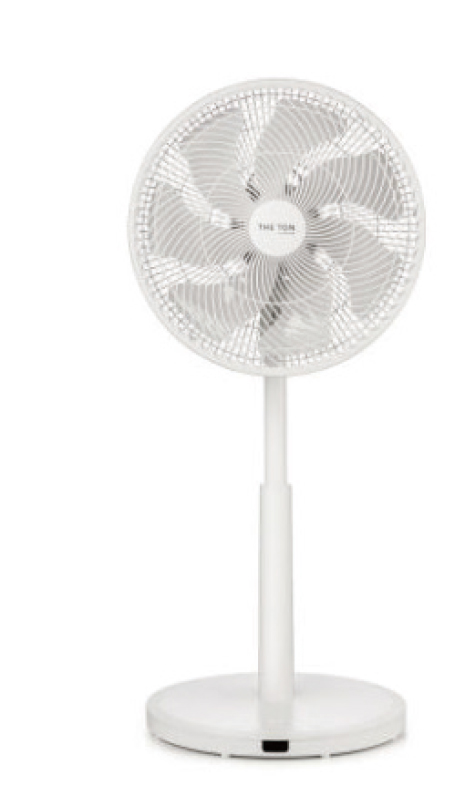
Electric Fan

https://korean-electronics.com//inquiry

[INQ. NO. 2505E05] Shinil Industrial Co., Ltd. recently announced that it will be launching its new home appliance brand, ‘THE TON.’ Shinil Industrial plans to launch cost-effective home appliances in the KRW 50,000 to 100,000 range under this brand.
The first product to be released under the ‘THE TON’ brand is an electric fan. Its strengths include its long lifespan and excellent energy efficiency due to its high-efficiency BLDC motor, as well as its minimal noise and heat generation.
This product uses seven blades to create strong yet soft wind, and provides wind optimized for various situations through a total of 12 stages of delicate wind-speed control.
It can also be easily operated via a compact remote control, and its height can be adjusted from a minimum of 72 cm to a maximum of 91 cm. It delivers wind to various areas with a wide rotation angle of 75 degrees left and right and 40 degrees up and down. It is also easy to keep clean as the front and rear nets can be washed separately.
Shinil Industrial Co., Ltd., with 60 years of history, produces and sells a wide range of products such as fans, heating appliances, and household kitchen appliances. Its major products, fans, have been awarded the ‘Korean Customer Satisfaction Index KS-QEI’ for the past 12 consecutive years based on their outstanding technology and quality. In addition Shinil Industrial has also launched new models including fan heaters, eco heaters, Moo Moo humidifiers, Rollingston wireless handheld electric mops, blenders, vacuum cleaners and microwave ovens. The newly launched heating products are leading the home appliance market for winter, in addition to its fans for summer.
“We research and analyze customer needs every year and continue to develop new products with high cost-effectiveness and endeavor in order to satisfy our customers. In addition, we have been awarded the ‘Korea Innovation Frontier Award’ for four consecutive years since 2014. Furthermore, we continue to fulfill our corporate social responsibilities,” commented the company’s CEO.

 
korean-electronics.com | Blog Magazine of korean electronics, brands and Goods

ATM Crime-Prevention Solution

https://korean-electronics.com//inquiry

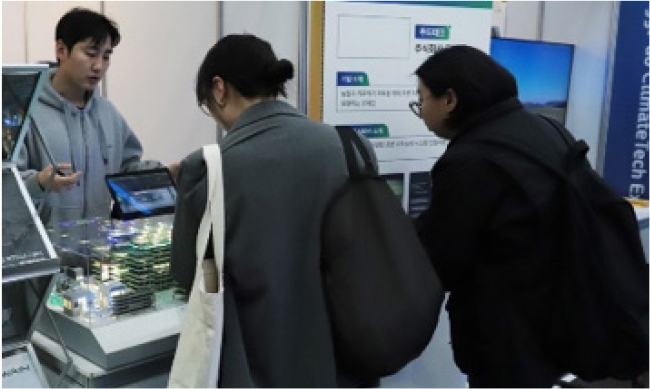
[INQ. NO. 2505E04] Suprema, an AI integrated security-solution specialist, recently introduced, at a local exhibition, an ATM crime-prevention solution utilizing the on-device AI module ‘Q-Vision Pro.’
Q-Vision Pro is a product that won the ‘CES2025 Best Innovation Award (Embedded Technology Category)’ at CES (Consumer Electronics Show) 2025 held in the USA in January this year.
Q-Vision Pro combines AI-based facial recognition technology and behavioral analysis technology to predict potential financial crimes and block illegal transactions, thereby protecting customers and bank assets.
The ATM crime-prevention solution can protect users while withdrawing cash from criminal threats through Q-Vision Pro installed on the top of the ATM. It detects guns, knives, masks, and helmets in the video being filmed and provides a crime risk alarm on the ATM screen and control dashboard.
Smartphone recognition is also possible to prevent voice phishing, and in this case, a voice phishing warning alarm is sent to the ATM.

In particular, it supports up to 50,000 users even when not connected to the network, and is designed to operate safely in an independent environment with a strong multi-layer data encryption function. It provides embedded-type hardware applicable to new ATMs and add-on type that can be easily installed on existing ATMs, supporting customized solutions that meet customer needs.
A spokesperson for the company explained, “By running an AI model that has learned objects using deep-learning technology on an on-device module, we can quickly determine whether the recognized object is dangerous. So, we expect that this will enable a rapid response in the event of an emergency.”
In addition, Suprema also unveiled its ‘BioStar X’ solution, which integrates access control and image analysis into a single platform.

  
korean-electronics.com | Blog Magazine of korean electronics, brands and Goods

Security Camera with Drop-free Glass

https://korean-electronics.com//inquiry

[INQ. NO. 2505E03] Security cameras are being used in diverse places in society for various purposes such as traffic management, disaster monitoring, and crime prevention. However, since security cameras are mainly used in outdoor environments, there are some limitations such as reduced visibility due to contamination from rainwater and foreign substances.
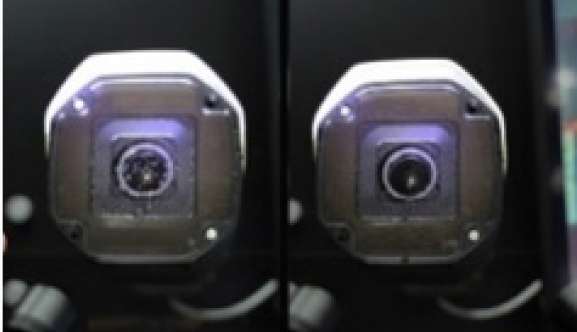
Microsystems, Inc. recently showcased a security camera at a domestic exhibition made with its electronic self-cleaning glass technology that can overcome the limitations of such security cameras.
This electronic self-cleaning glass technology is based on transparent electrodes embedded inside the glass. When contaminants are attached to the glass surface, it detects the specific value of the contaminants through the electrodes, applies multiple electric signals to form an electric field ― thus removing only the contaminants by vibrating them.

The security camera solution detects and removes water droplets formed on the lens surface in situations such as heavy rain. It uses the specific value of the water droplets to generate vibrations and removes them from the lens surface by gravity.
“When water droplets form on the lens surface, the light becomes distorted and visibility deteriorates, requiring an immediate response. This solution can automatically detect and remove raindrops, allowing vivid security footage to be captured even in bad weather conditions,” explained a spokesperson for the company.
Microsystems is also advancing the technology for commercializing a solution to remove solid contaminants, including dust.
“Contamination caused by dust gradually reduces visibility as it accumulates, but raindrops make it difficult to read the footage immediately, so we developed a solution to remove liquid contaminants first,” commented the company’s CEO.
Microsystems, Inc. is a technology-oriented enterprise that provides unique microfluidic technologies for autonomous driving and the security industry. The company’s Drop Free Glass (DFG) is the world’s first electronic self-cleaning glass for automotive and security camera applications.

  
korean-electronics.com | Blog Magazine of korean electronics, brands and Goods

Robotic Vertical Farm System

https://korean-electronics.com//inquiry

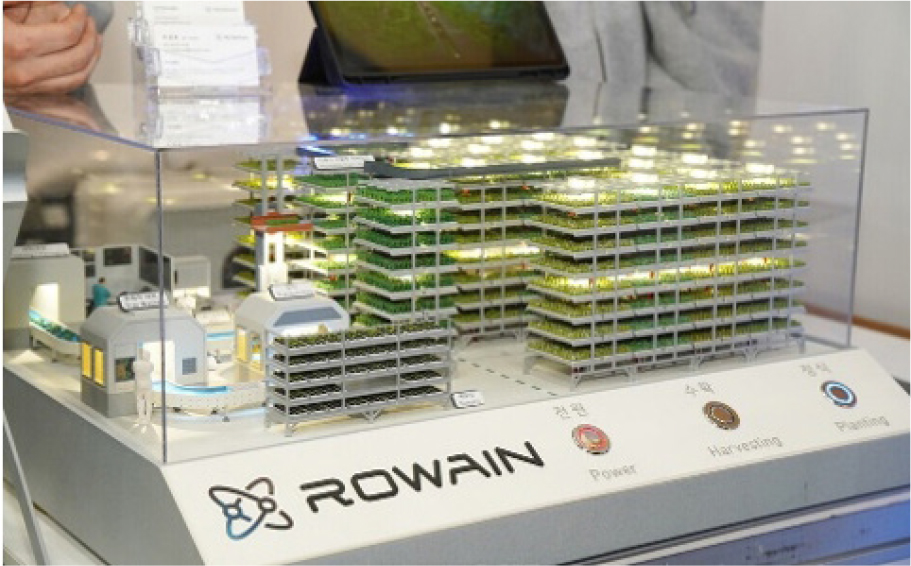
[INQ. NO. 2505E02] ROWAIN is a company that has been conducting business with the goal of overcoming agriculture and climate crises by developing an economically feasible robot vertical farm system, and thereby realizing sustainable future agriculture.
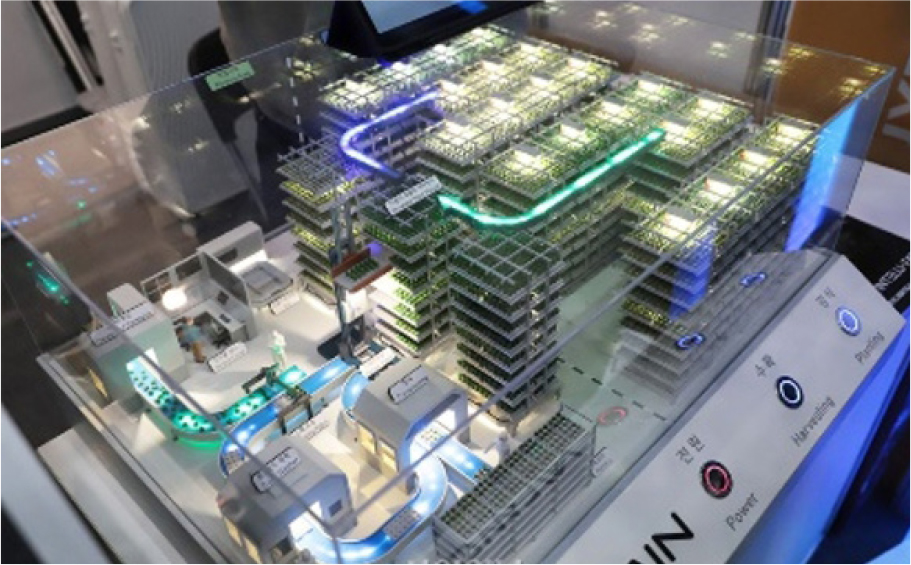
Based on a human infrastructure comprised of experts in the field of robotics, ROWAIN has developed ‘INTELLI-FARM’ ― a next-generation agricultural solution featuring a robotic vertical farm system ― by securing efficient robot automation and artificial intelligence (AI) integrated control technology.

ROWAIN recently introduced INTELLI-FARM to the Korean market. INTELLI-FARM features a structure in which autonomous transport robots are in charge of all tasks within a vertical farm divided into cultivation and work areas. All tasks such as removing, transplanting, and harvesting of cultivation beds are fully automated by robots, and all of these operations are performed only in the work area, thereby eliminating labor-intensive environments and ensuring safety.

At the same time, by eliminating unnecessary worker utilization, the cultivation density has been dramatically increased, and the modular cultivation device has been operated to enhance expandability. Accordingly, a 500-pyeong vertical farm can be operated with just one autonomous transport robot, and initial installation and maintenance costs are drastically reduced.
A spokesperson for the company explained, “While we have accumulated visible results through domestic investment attraction, demonstrations, and startup program selection, we have also achieved a contract with the Korea Rural Community Corporation (KRC), and we plan to start supplying INTELLI-FARM in the first half of 2026.”
Based upon such domestic achievements, ROWAIN is aiming to advance into overseas markets such as North America and Asia, and is already pursuing joint research and development with global companies through the signing of four MOUs.


korean-electronics.com | Blog Magazine of korean electronics, brands and Goods

Robot Arm Control Solution

https://korean-electronics.com//inquiry

[INQ. NO. 2505E01] Robots are an essential element nowadays in the automation of manufacturing sites. In particular, robot arms are being used in various fields from the manufacturing process through to inspection and logistics, and so there are growing demands for their technological advancement.
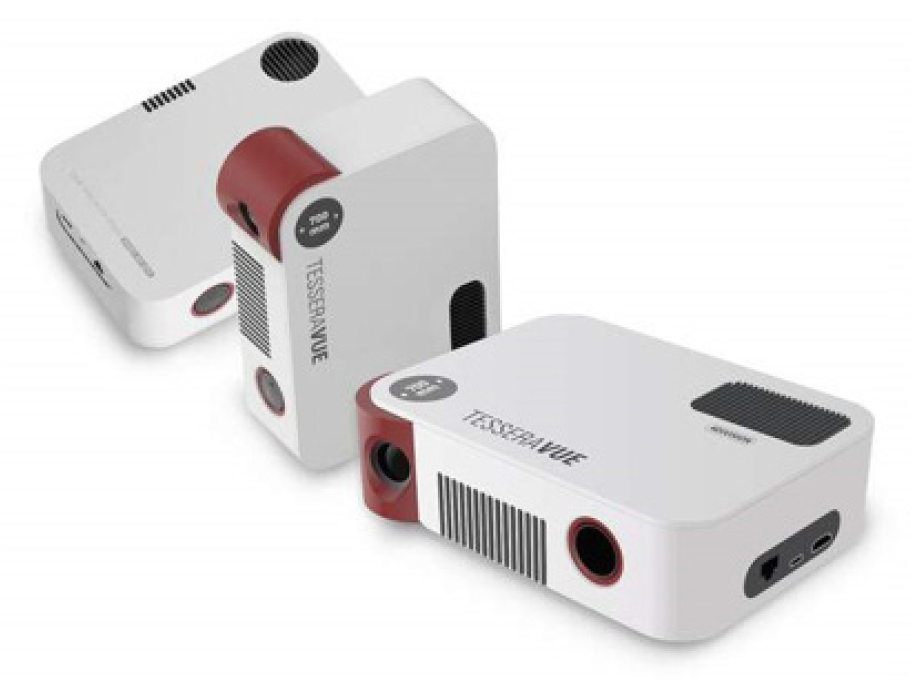
4DiVISION recently introduced the TesseraVue solution that can be attached to robot arms to expand the utilization of robot arms at a local exhibition.
TesseraVue can provide customized optical functions in 3D by installing a camera inside, and implements on-sensor AI by taking advantage of the built-in graphics processing unit (GPU). This allows the application of an exchangeable filter system that responds to various surface conditions, and which can improve the shape-recognition rate.
In addition, the robot arm program is modularized using the built-in GPU and implemented quickly with an intuitive user interface (UI), while a visual simulator is being used to continue the gradual evolution from low-coding to no-coding.

A spokesperson for the company explained, “TesseraVue provides customized solutions that integrate the core technologies required for industrial robot control. In the case of the robot arm control solution, it can generate precise point clouds through 2D and 3D measurements, and it can also realize robot arm motion planning and control using simulation.”
For defect detection, TesseraVue can improve quality and productivity by simultaneously measuring shape and surface defects, and is effective in measuring scratches and damage on non-luster surfaces.
“We aim to implement a complete smart factory capable of automatic assembly by supporting an all-in-one system that includes modularized, customized 3D sensors, easy and fast robot arm programming through intuitive UI, and independent robot control through on-sensor AI programs. Through this, we ultimately aim to revolutionize the paradigms of the robot arm program,” remarked the company’s CEO.

 korean-electronics.com | Blog Magazine of korean electronics, brands and Goods

Korea Achieves $58.21 Billion Worth of ExportsIn April

https://korean-electronics.com//inquiry

Boosted by continuous release of market-leading competitive export items

Korea’s exports continued to grow for three consecutive months despite changes in the trade landscape, led by the United States.
Last month’s exports were the highest-ever for April. They increased by $370 million from the previous record of $57.84 billion in April 2022.
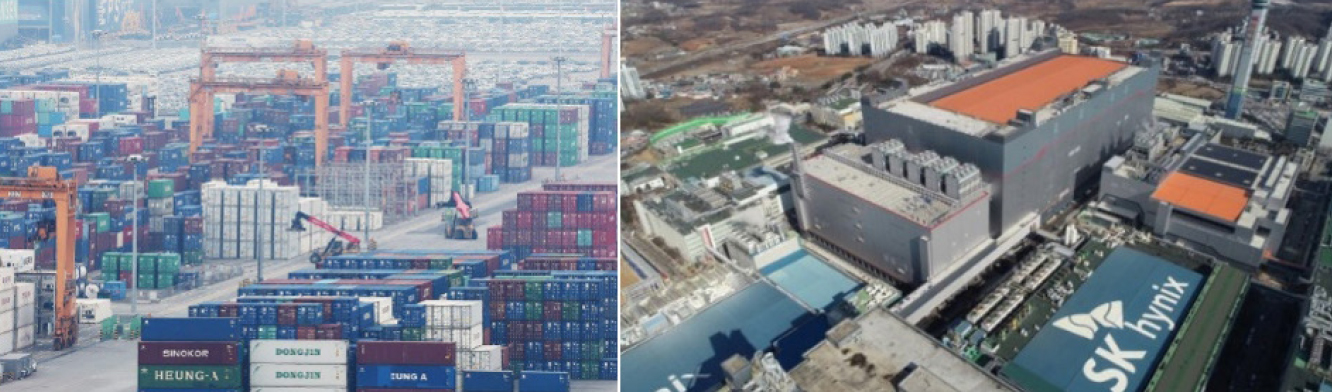
The export boom was led by semiconductors, the largest export item. Semiconductor exports recorded the highest-ever April performance, at $11.7 billion, as the fixed price of DRAM (DDR4 8Gb) rebounded for the first time in 12 months since April 2024, and high value-added memory exports such as high-bandwidth memory (HBM) continued to boom. This is a 17.2% increase compared to the same month last year.

Wireless communication device exports also continued to increase for the third consecutive month, recording $1.5 billion, up 26.5%, led by smartphone exports ($400 million, +61.1%).
Bio-health exports increased 14.6% year-on-year to $1.4 billion. Bio-pharmaceutical exports ($900 million, +21.8%) increased significantly.

Promising Korean exporters developing and releasing competitive new items
Promising Korean exporters are continuing to actively challenge overseas markets to gradually increase their export growth in the second quarter of this year – through strategically developing and releasing new items that are expected to be highly competitive in global markets.
Microsystems recently showcased a security camera at a domestic exhibition made with its electronic self-cleaning glass technology that can overcome the limitations of current security cameras.
AnyAble recently introduced a 3D printer that applies 3DPE technology at a local exhibition.
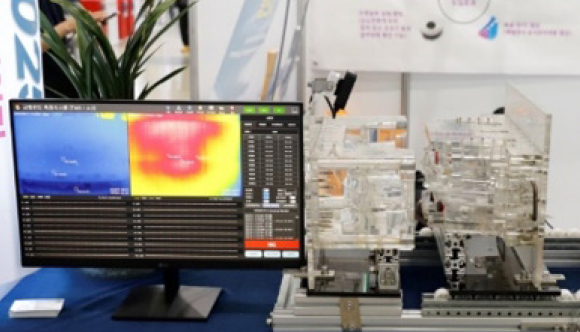
Hanguk Mold, which participated in INTERMOLD KOREA 2025, introduced a mold products surface-temperature management system. It is a solution that measures the surface temperature of a mold with a thermal-imaging camera and converts it into data.


korean-electronics.com | Blog Magazine of korean electronics, brands and Goods

Blossoming Journey

https://korean-electronics.com//inquiry

Blossoming Journey: 5 Must-Visit Spring Destinations in South Korea

Spring in South Korea transforms the peninsula into a vibrant canvas of colors and renewal. As winter recedes, the country awakens with blossoming landscapes perfect for unforgettable travel experiences. From iconic cherry blossom festivals to fields of golden flowers and historic sites adorned with spring’s touch, here are five exceptional destinations showcasing Korea’s springtime splendor.

Jinhae: A Spectacular Cherry Blossom Festival

Jinhae, in South Korea’s southern coastal region, is the country’s premier cherry blossom destination. Each spring, this naval city hosts the Jinhae Gunhangje Festival, Korea’s largest cherry blossom celebration. Originally started in 1952 as a memorial for Admiral Yi Sun-sin, it has evolved into a magnificent celebration of naval heritage and natural beauty. The 63rd Jinhae Gunhangje Festival in 2025 will run from March 29 to April 6, attracting millions of visitors.
Key viewing spots include Yeojwacheon Stream, where cherry trees form a tunnel of blossoms along its banks, with the “Romance Bridge” being particularly captivating. Though now closed as a functioning station, Gyeonghwa Station’s railway tracks lined with cherry trees create one of Korea’s most photographed springtime scenes. For panoramic views, visitors can ascend Jinhae Tower at Jehwangsan Park.
Visit from late March to early April for peak bloom. From Seoul, intercity buses take 4-5 hours, or you can take the KTX high-speed train to Changwon or Busan followed by local transportation. Local delights include cherry blossom-themed foods and fresh seafood from nearby waters.

Gyeongju: Spring Amidst Ancient History

Gyeongju, the thousand-year capital of the ancient Silla Kingdom, offers a unique blend of historical landmarks and beautiful spring scenery. This UNESCO World Heritage city becomes even more captivating when cherry blossoms adorn its numerous historical sites.
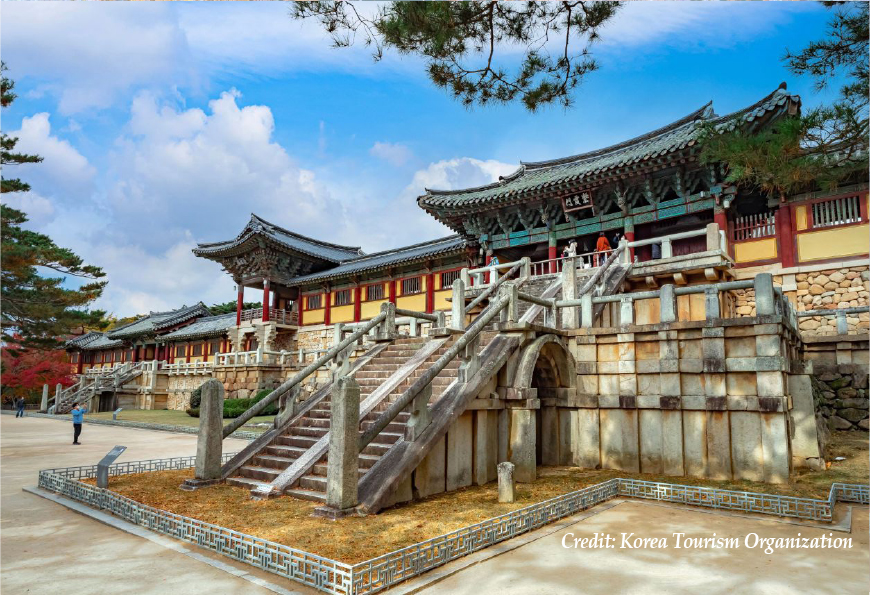
Hwangnyongsa Cherry Blossom Road, the path in front of General Kim Yu-sin’s tomb, is famous for its “popcorn-like” fluffy cherry blossoms. At Daereungwon Royal Tombs, ancient burial mounds create a striking contrast with the cherry and canola flowers that bloom around them. UNESCO World Heritage sites Bulguksa Temple and Seokguram Grotto take on an enhanced spiritual atmosphere in spring, while Bomun Lake offers leisure activities alongside cherry blossom viewing.
Spring flowers typically bloom from late March to early April. Transportation to Gyeongju is convenient, with KTX trains and express buses connecting the city to Seoul and other major centers. Accommodation options range from traditional hanok guesthouses to modern hotels and resorts. Don’t miss traditional cuisine including Gyeongju ssambap (wrapped rice) and historic Gyeongju bread.

Gurye Sansuyu Village: A Sea of Golden Yellow

While cherry blossoms dominate much of Korea’s spring imagery, Gurye Sansuyu Village offers a distinctly different spring palette with its golden yellow cornelian cherry flowers. From mid-March to early April, the entire village transforms into a stunning landscape of bright yellow blossoms stretching approximately 2km through Daepyeong, Bangok, Hawui, and Sangwi Villages.
The sansuyu flowers hold special cultural significance in the region. According to local tradition, couples in old Gurye would exchange these flowers and fruits as a form of proposal, giving the area a romantic heritage. Peak bloom typically occurs in late March, coinciding with the annual Gurye Sansuyu Flower Festival which celebrates with various cultural performances and programs.
Accommodation includes traditional hanok guesthouses and pensions that allow visitors to experience the countryside lifestyle. The area is known for products made from sansuyu fruits such as tea and makgeolli (rice wine), which make perfect souvenirs.

Jeju Island: A Rainbow of Spring Colors

Jeju Island, Korea’s largest volcanic island, transforms into a painter’s palette in spring with multiple flower varieties blooming across its unique landscape. The combination of volcanic terrain, lush vegetation, and coastal scenery creates a multi-dimensional spring experience.
Jeonnong-ro in Jeju City becomes a 1.2km tunnel of cherry blossoms, while Noksan-ro features an enchanting blend of cherry blossoms and yellow canola flowers. In Seongeup Folk Village, traditional thatched-roof houses against a backdrop of cherry blossoms create a nostalgic scene. Gapado Island, off Jeju’s coast, is covered with fields of green barley in spring, creating an emerald sea effect against the blue ocean.
Jeju’s cherry blossoms typically bloom from late March to early April, while canola flowers bloom from March through May, making April the ideal time to experience Jeju’s full spring spectrum. Jeju is accessible via flights from major Korean cities, and renting a car is the most convenient way to explore. The island offers distinctive local cuisine featuring fresh seafood, black pork, and abalone.

Suncheon: Embracing Spring’s Ecological Awakening

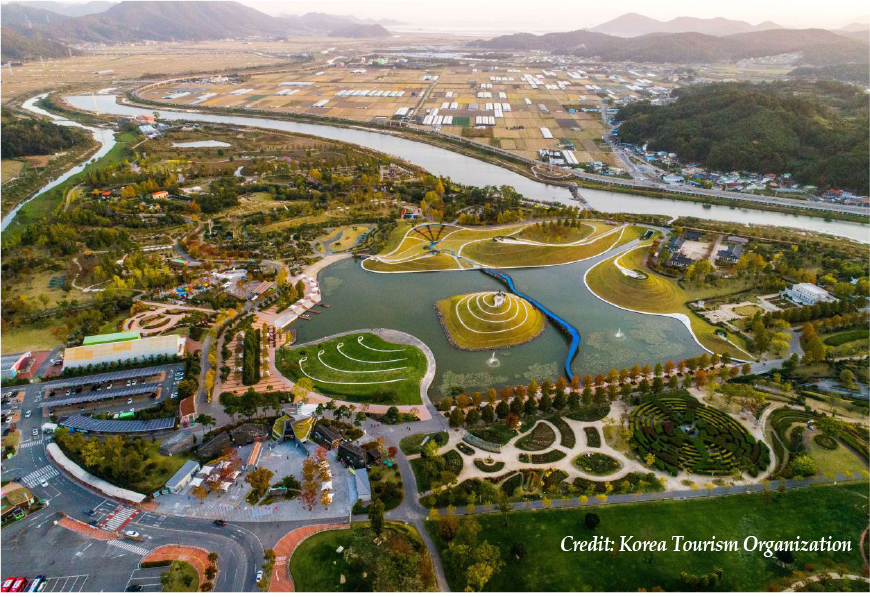
Suncheon, in South Korea’s southwestern region, offers a comprehensive spring experience centered around verdant natural environments and ecological preservation. The Suncheon Bay National Garden bursts with colorful flowers in spring, while the nearby Suncheon Bay Wetland Reserve, famous for its vast reed beds and migratory bird habitats, takes on a fresh green appearance.
For spiritual tranquility, Songgwangsa Temple surrounded by mountains offers a peaceful spring retreat, while Naganeupseong Folk Village allows visitors to imagine life in Korea’s pastoral past while surrounded by fresh spring greenery.
Spring in Suncheon brings mild temperatures and lush greenery perfect for outdoor exploration. The National Garden’s spring flowers typically reach their peak in April and May, offering a slightly later spring experience than other Korean destinations.


korean-electronics.com | Blog Magazine of korean electronics, brands and Goods

Korea’s Exports Continue to Grow Noticeably

https://korean-electronics.com//inquiry

Indicating that the nation’s export items are gaining increasing popularity
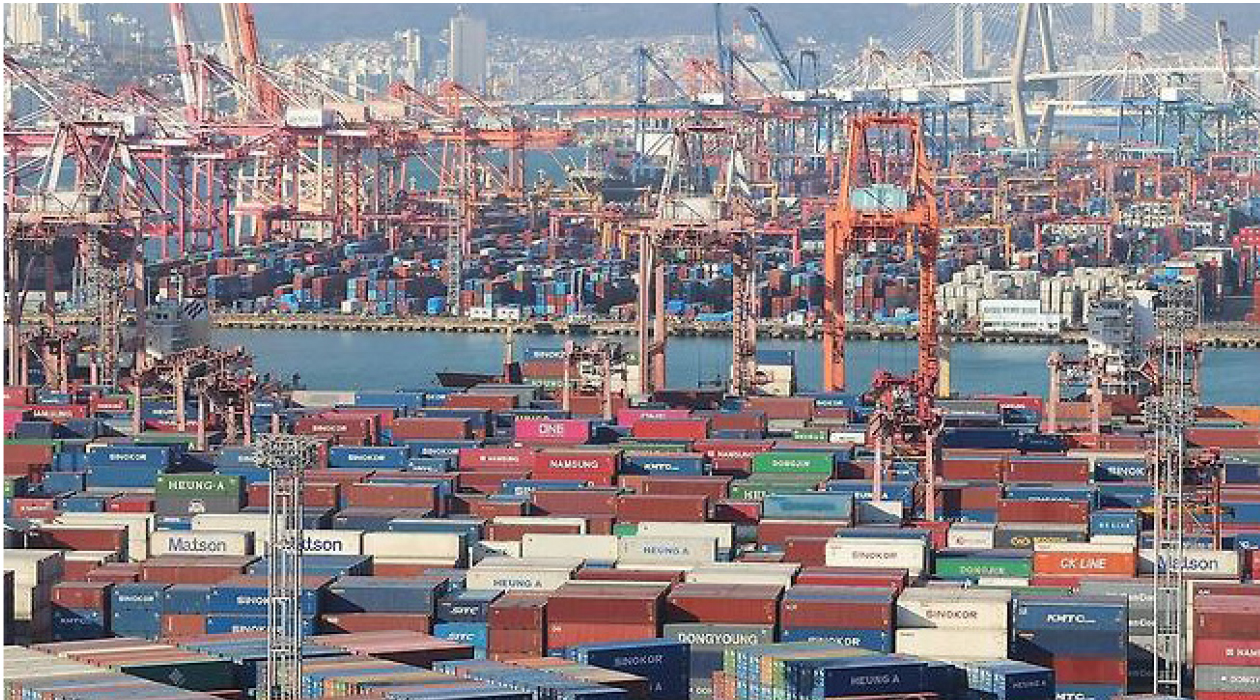
 Last March, Korea’s exports amounted to $58.28 billion, up 3.1% year-on-year. The export of semiconductors, the nation’s largest export product, recorded an amount close to the highest-ever March performance, while automobile exports also continued to increase, leading the export performance in March.
Semiconductor exports amounted to $13.1 billion, up 11.9% year-on-year. This is attributable to the strong demand for high value-added items such as high-bandwidth memory (HBM) and DDR5 used in the artificial intelligence (AI) and data center industries. Semiconductor exports exceeded $10 billion for nine consecutive months until January, increasing for 15 consecutive months compared to the same period last year, but turned to a decline in February.
Exports of computers ($1.2 billion, 33.1%) and wireless communication devices ($1.3 billion, 13.8%) also increased for two consecutive months, showing an increase in exports across all IT items. Display exports also increased by 2.9% to $1.5 billion, breaking the seven-month negative flows that had continued since August last year.

Automobile exports increased by 1.2% year-on-year to $6.2 billion. However, exports of electric vehicles (EVs) decreased significantly due to the global chasm (temporary stagnation in demand) for EVs; but exports of hybrid vehicles and internal combustion engine vehicles increased, leading to an increase in overall exports.
Ship exports increased by 51.6% year-on-year to $3.2 billion. This is the highest performance in 15 months since December 2023 ($3.7 billion). However, exports of steel (-10.6%) and petroleum products (-28.1%) decreased significantly.
By country, exports to China were recorded at $10.1 billion, down 4.1% year-on-year. It was analyzed that the decrease in semiconductor exports had a major impact. Exports to the United States increased by 2.3% to $11.1 billion.


korean-electronics.com | Blog Magazine of korean electronics, brands and Goods
KMIRA Signs MOU for the First Hosting of E-MECO

https://korean-electronics.com//inquiry

E-MECO is the only specialized exhibition in the energy measurement and control sector in Korea, which is anticipated to contribute to the growth of the national economy.

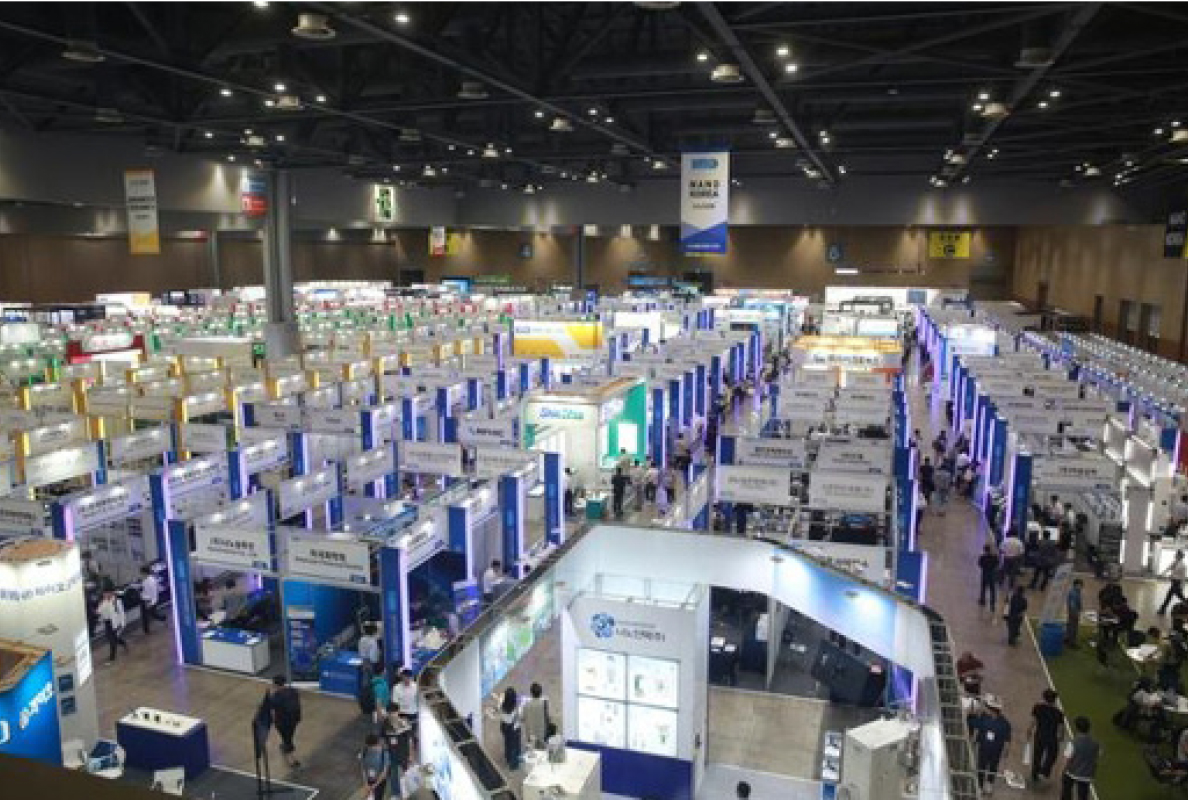
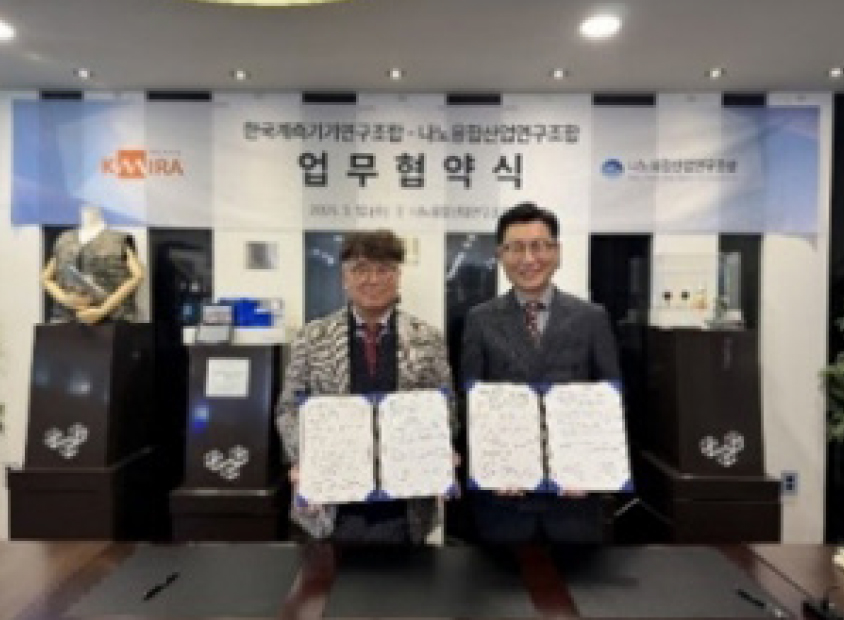
The Korea Measuring Instruments Research Association (KMIRA) has signed a business agreement (MOU) with the Nano Technology Research Association (NTRA) for the joint hosting of NANO KOREA 2025 and E-MECO 2025, both of which are scheduled to be held from July 2 to 4 of this year.
This MOU signing is considered to be an important first stepping stone for providing networking opportunities for companies in related fields through cooperation between the two research associations. Through these exhibitions, the two associations plan to share the latest technology trends and provide venues for various discussions for industrial development.

E-MECO is the only specialized exhibition in the energy measurement and control sector in Korea, and is a newly created domestic exhibition for securing energy resources, which is emerging as a challenge internationally; and for the oil, gas, and plant sectors, which are essential to the national economy.
Lee Yong-ku, the secretary-general of KMIRA explained, “Through this official MOU, we will actively discover cooperative projects with the Nano Technology Research Association and support domestic small and medium-sized enterprises (SMEs) and member companies.”
Chung Jong-il, the executive director of the NTRA, added, “This MOU focuses on jointly hosting exhibitions and cooperation in exhibition works, and we will jointly pursue technology development, hosting workshops for member companies, and corporate promotion from now on.”
Meanwhile, E-MECO 2025 will be held from July 2 to 4 at KINTEX 1.

 
korean-electronics.com | Blog Magazine of korean electronics, brands and Goods
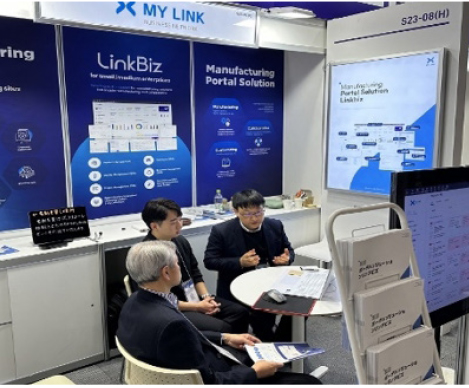
Project Management Solutions

https://korean-electronics.com//inquiry

[INQ. NO. 2504E18] MYLINK INC. participated in the Smart Factory Expo-Tokyo 2025, held on January 22-24 at Tokyo Big Sight.
This exhibition is the largest event in Asia showcasing the latest manufacturing innovation technologies all in one place, and it ended successfully with a total of 85,000 visitors over the three days.
Japanese manufacturing companies showed great interest in smart factories, data analysis, and cloud solutions, and a spokesperson for MYLINK explained that many inquiries were received regarding its main product, ‘LinkBiz’ service.
The reason why MYLINK is drawing attention in the Japanese manufacturing industry is because of the innovation of its flagship product, the LinkBiz solution. Unlike the IT solutions introduced by existing Japanese manufacturers, LinkBiz has a differentiated competitive edge in that it deeply applies IT systems to manufacturing sites, focusing on schedules and processes.
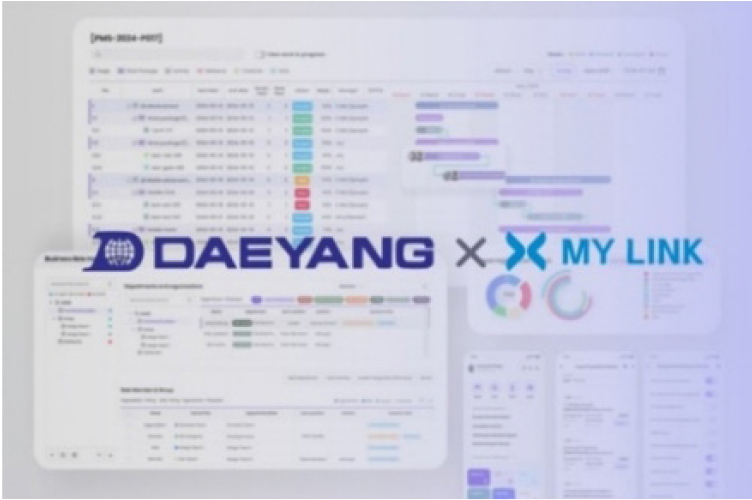
In particular, ‘Link PMS’ automatically manages project resources and costs according to schedules, supporting efficient resource distribution and optimized operation; and its precise resource management function, which Japanese companies consider important, is also considered a strength. In addition, through order-based project planning, managers can automatically calculate workers’ project-resource costs, thus further improving the accuracy and efficiency of resource utilization.

Furthermore, the fact that work-processing and schedule management are integrated on a single platform was highly evaluated by Japanese manufacturing buyers. This allows companies to achieve their target performance more systematically and efficiently. Offering the flexibility for users to customize all modules and functions according to their clients’ needs is also considered a major advantage in the Japanese market.
Through this exhibition, MYLINK plans to expand its collaboration with various Japanese companies and further strengthen its position in the Japanese market. In addition to establishing a Japanese branch in the future, MYLINK plans to expand collaboration with local partners currently under discussion, and lead the digital transformation (DX) of Japanese manufacturing through customized solutions.
The CEO of the company, Park Sang-il, remarked, “Through this exhibition, we have once again confirmed the high growth potential and position of the Japanese market. Starting this year, we will accelerate our business expansion in the Japanese market and establish ourselves as a company leading the digital transformation of global manufacturing.”

 
korean-electronics.com | Blog Magazine of korean electronics, brands and Goods