Realizing the world’s best inline extrusion mold pattern technology in a saturated market

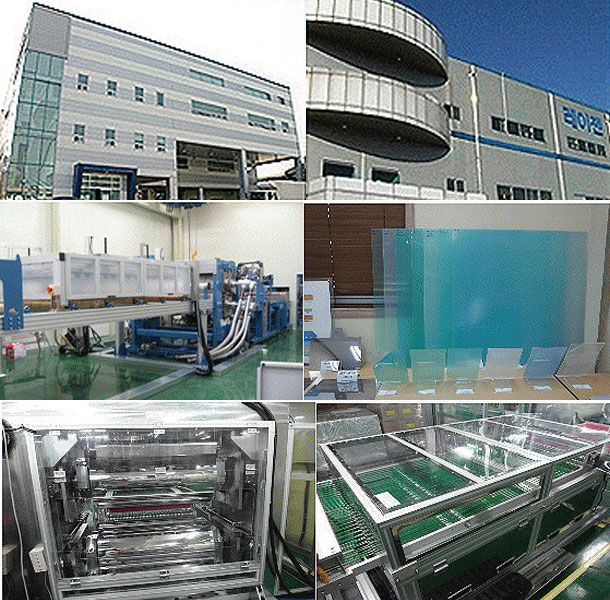
[INQ. NO. 1508E25] Raygen was established in 1981 as a specialized manufacturer of Thin Film Transistor-Liquid Crystal Display (TFT-LCD) Back Lights supplied to LG Display and Samsung Electronics. As TFT-LCD cannot emit light by itself, it requires a Back Light Unit (BLU), and light guide plates are an essential component of the BLU. Since 1999, Raygen has developed light guide plates, the core components of TFT-LCD BLU, by combining precision mold technology with know-how in injection molding.

The company is supplying BLUs for TVs, monitors and notebook computers to LG Display and exporting light guide plates used in the BLU to Samsung Electronics, domestic BLU companies and the Chinese market. It has three operation divisions (Waegwan, DKC, and Anseong) at home alone and is experiencing stable growth by recording KRW 10 billion in annual sales by installing and operating a research center and establishing overseas subsidiary companies.

https://korean-electronics.com//inquiry The name of the company, Raygen, is a compound word formed from the words “ray” (light) and “gen” (generate), and it connotes a firm will to change itself at the speed of light and realize customer satisfaction for generations. When the company decided to develop the new technology, the domestic light guide plate market was saturated. As competition in the existing light guide plate market intensified in the wake of universalized technology, not only domestic companies but also firms in China and Taiwan proactively made inroads into the market and put pressure on prices.
Raygen

Raygen felt the need to gain a new competitive edge in the light guide plate industry. Meanwhile, venture companies were requested to differentiate technology for the purpose of acquiring a growth engine for new business and securing the power of decision on components. However, a lot of money was requested to develop one advanced technology in the component material industry.

Agonizing over what to do, Raygen found an opportunity in a public project to develop component material technology. The company realized that it needed to develop technologies that could not be easily imitated by others in order to gain a competitive edge in the market.

Raygen made a success in developing hybrid complex pattern extrusion light guide plates with high-intensity and organic light-emitting diodes by implementing roll stamping (HTPM) technology and inline extrusion pattern molding technology. Light guide plates are a core component of BLU, the light source of LCD, and it is a place facing the path of light. As the path of light can continue only when a medium changes, there is no change in path in the light guide plate.

At that time, light guide plate patterning technology made it possible for the light projected into a light guide plate through formation of a patterning medium to be scattered on the surface and visually detected toward the panel. As a result, the thickness of a light guide plate determines that of an LED TV, and the patterning technology that forms a medium has an effect on the image quality on the screen.
Raygen_1

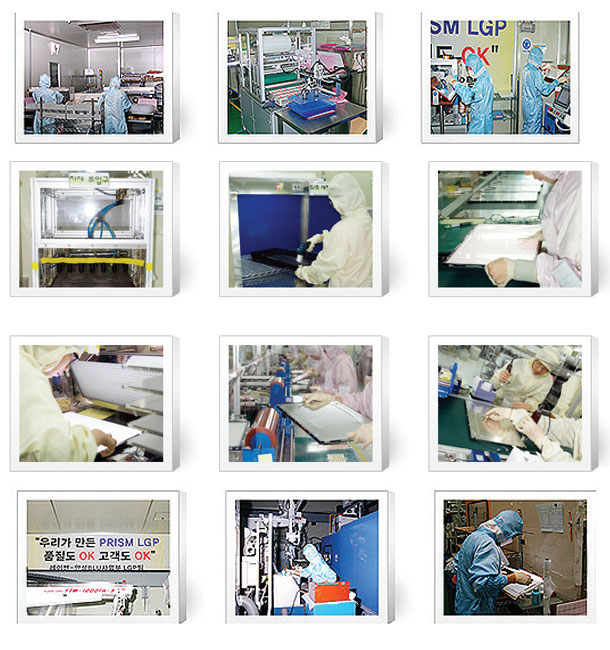
Raygen decreased the thickness of existing light guide plates from 3mm to 2mm through the use of inline extrusion pattern molding technology and roll stamping patterning technology while realizing high intensity. The brightness of the LCD surface, referred to as luminance, is influenced by pitch, the interval between pixels, and higher intensity for clearer and brighter displays. Generally speaking, if the thickness of a light guide plate is decreased, luminance is reduced by 8%, but the inline extrusion pattern molding technology developed by Raygen enabled the domestic BLU market to catch two rabbits – high intensity and ultrathinness.

Man, Machine, Material and Method (4M) is cited as the reason for scattering in the course of manufacture. These four elements need to be thoroughly managed to manufacture quality products. However, the company faced difficulties in each and every process of production. The production of hybrid pattern extrusion light guide plates was dotted with a series of new attempts, from basic designing to manufacturing. A gap between an originally planned device and actual application to production lines resulted in a relapse into a previous process on a frequent basis, and problematic supply and demand made it necessary to visit various suppliers and set the case. The company was pressured to establish a new process within two years and develop the world’s most advanced technology.

However, the difficulties would not have been overcome without the help of hard-working researchers of Raygen. Although they had to do arduous jobs in a base light guide plate extrusion center where the room temperature was as high as 50°C and repeat the same process over and over again for two years, no one on the research team fell behind. Rather, in the course of exploring new processes and detecting new problems, they became more confident that they were the only ones who could make it a success. Perseverance and confidence in advanced technology on the part of the researchers eventually led to successful development.

Optical patterns are required to industrialize base light guide plates through the inline extrusion pattern molding technology. As for the patterning technology, an existing silkscreen method and a razor printing method were universally used, but Raygen implemented a more sophisticated patterning through a new process technology known as roll stamping. When the thickness of a light guide plate is decreased, pitch is relatively widened.

Accordingly, the pitch (line width) needs to be reduced as well when the thickness of a light guide plate is reduced. The company decreased the pitch of a light guide plate from 300μm to 70μm through the formation of roll stamping patterns. It broke the rule that a thinner panel inevitably results in an absence of luminance.

There is a saying that “Opportunity belongs to the person who prepares for it.” Raygen adopted a method for inducing investors and clients by establishing an independent technology, instead of developing technology with the help of investors and clients like other companies that take part in public projects. The company had that much confidence in its technology. For instance, when it developed the inline extrusion pattern molding technology for the first time in the world, LG Display and Samsung Electronics, to which Raygen supplied parts, gave it a love call after reading an article on the technology in Electronic Times. Raygen gained trust from consumers and companies with prepared technology instead of inducing funds based on an abstract vision or persuasion.

The Roll Stamping (HTPM) technology that Raygen developed in the course of a material component technology project has been successfully industrialized, and the company has delivered components and test products worth KRW 3.6 billion to LG Display. It also generated KRW 53 million worth of sales to Sharp in Japan and SDC in Samsung based on the inline extrusion pattern molding technology. The company is expected to create synergy in realizing thin, light and clear image quality through the combination with roll stamping technology in the future.

As more diverse industries have come to use back lights, the light guide plate industry is expected to play an active role not only in the display sector, including notebook computers and TVs, but also in the auto, ship, airplane and lighting sectors. As the LED lighting market is expected to record growth as high as 74.6% until 2015, it has a bright future in terms of increased demand. However, intensified competition in the industry and frequent changes in the display market pose a challenge to the company on a continual basis. Still, Raygen has a bold vision for securing a continuous growth engine in innovative materials and advanced light guide plate production in the TFT-LCD back light industry through the transition of existing PMMA extrusion resins into MS resins.

Since 1981, when Raygen achieved success in developing electro-molding technology for the first time in Korea, it has grown into a little giant equipped with three operation divisions in the component material industry over 30 years. It is the result of continuous efforts to explore new business areas and develop independent technologies despite ceaseless changes in the market and intensified price competition against overseas royalty technologies. The corporate philosophy on the development of human resources and technological competence on the part of Raygen are continuously evolving into the growth engines of the display industry for the future.


korean-electronics.com | Blog Magazine of korean electronics, brands and Goods
Gaining a competitive advantage with the development of intelligent CCTVs

[INQ. NO. 1506E14] Established in 1998, ITX Security mainly manufactures Digital Video Recorders (DVR), Full- HD IP Cameras, CCTV Cameras and Vehicular Black Boxes, leading the local security market.

DVRs developed and manufactured by ITX Security have emerged as staple products in the domestic imaging device market based on independent technology, and their performance is highly recognized, to the extent that 39.1% of the total products are exported to North America and 26.5% of them are exported to Europe.

https://korean-electronics.com//inquiry ITX Security provides the best security solutions to clients on the strength of diverse equipment, including next-generation control systems, PC-based DVRs and specialized camera lines, as well as skilled engineers. It also makes efforts to acquire advanced quality management systems and achieve sustainable managerial development by obtaining the Certification of Quality/Environment Management System (ISO 9001, ISO 14001).

The company aimed to develop intelligent CCTVs that could save high-quality images and that boasted user-friendly design and image analytics functions. ITX Security started conducting a technology development project for the purpose of developing a wire-andwireless IPbased next-generation intelligent imagerecognizing device.

intelligent-CCTVs The existing DVRs that had been manufactured by ITX Security compressed imaged recorded in a camera and digitally saved them on a hard disk. Taking this a step further, the company produced the Network Video Recorder (NVR), an image device equipped with a built-in web server. As it has its own IP address, it can transmit data from an imaging device to a PC, making it possible to watch images without separate conversion.

Technologies developed by ITX Security include profiling, distributed data processing and video analytics. This technological development made it possible to effectively control megapixel image data exchanged on the NVR network and realize intelligent image surveillance that helps proactively respond to crimes.

The first reason why ITX Security gained a competitive edge in the CCTV market is that it made investments in human resources. Since the company decided to develop a new technology in the nextgeneration image security market, it considered the introduction of the best engineers as the top priority.

It was not easy to induce excellent engineers to join new R&D projects conducted by venture companies in the beginning. Engineers showed an unwillingness to join R&D projects conducted by venture companies that faced an uncertain future.

However, the executives of ITX Security succeeded in persuading engineers after several attempts, and they were able to secure excellent human resources. This was due to the fact that the executives were able to make engineers understand that ITX Security could take a leading role in the CCTV industry only when its corporate potential was combined with engineers’ strong competence.

intelligent-CCTVs_1 The second reason why ITX Security gained a competitive edge over other imaging device providers is that the company was able to come up with an idea to enhance convenience on the part of users.

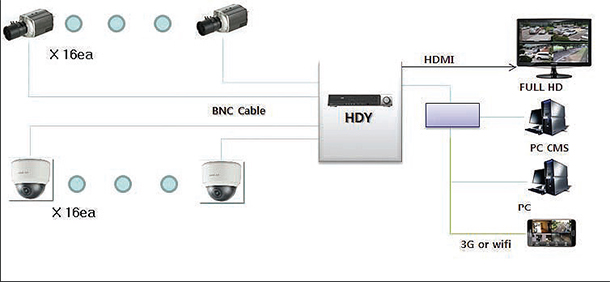
As IP product groups exchange data on the network, each and every device owns an IP address. Existing DVR systems had a simple structure where a camera is connected to a DVR and coaxial cable.

On the other hand, an NVR had a structure where multiple cameras go through a network switch to be reconnected to the NVR, and various network set-ups, including IP address setup and sharer option setup, have to precede this. Ordinary people who have used CCTVs might have found this process difficult.

ITX Security increased the number of LAN ports from one to four to simplify the “Camera-Sharer-NVR” process to a “Camera-NVR” process based on a one-onone connection. In addition, instead of the sharer, network functions were added to enable an NVR to recognize a camera as soon as the camera is connected to a LAN line.

The idea was aimed to help users experience better performance without a drastic change in existing methods given that CCTV users are small business operators unaccustomed to using a computer. The process elicited a prompt response from excellent security companies at home and abroad as soon as it was introduced in an exposition, and it also led the company to meet S1, Korea’s largest security company.

ITX Security emerged as the first mover in the IP product group market by boldly changing existing analog image surveillance products into IP-based image surveillance ones. Prior to the new technology, main products were confined to DVRs, and the company recorded 40 billion won in annual sales while reaching a plateau.

However, it was able to post 30 billion won in sales of IP cameras and NVRs in the first half of this year after development of the new technology, and it is expected to record 80 billion won in sales this year. Two years of efforts to create jobs was not wasted. Their employees, who numbered 160 prior to the project, were increased to number 200. The global image surveillance market is expected to grow by 14% per annum for the upcoming five years, and the NVR sector is expected to record an annual growth rate of 24%.

Also, as analog CCTVs are replaced with digital ones, and demand for CCTVs in public institutions is soaring, the outlook for ITX Security is more positive. ITX Security is expected to record 120 billion won in sales in 2014 and 150 billion won in 2015, growing 25% or more every year in terms of sales. Confidence in product planning and manpower on the back of “Time to Market” is the greatest advantage and asset owned by ITX Security. ITX Security decided to advance into the interactive technology sector instead of settling for the manufacture of existing products.


korean-electronics.com | Blog Magazine of korean electronics, brands and Goods

Coxem: A global leader of all-in-one SEM-EDS system

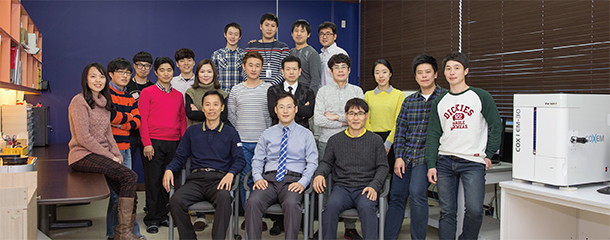
[INQ. NO. 1504E18] As a professional company possessing nano-measuring technology, Coxem has been leading the global market of all-in-one SEM-EDS based on its specialized technology background of manufacturing of scanning electron microscope (SEM) developed in 2008 by the company. With such market leadership, countless creative moves are being made by the company. The following contents are based on an interview with the company’s CEO Lee Jun-hee and will help people who are interested to know more about the company’s remarkable achievement in the global market and to understand the secrets behind its successful growth.

https://korean-electronics.com//inquiry Coxem is a specialized company of nano-measuring technology. It was established in 2007 as a technologyindustrialized company of a national research institution in Daedeok Valley, based on technology of Scanning Electron Microscope (SEM) developed by the Korea Research Institute of Standards and Science (KRISS) over more than six years.

Coxem has succeed in releasing of the first edition of ‘CX-100’, a console type of normal SEM in June, 2008 by utilizing its own technologies, making South Korea the world’s fifth country to commercially manufacture electron microscope, following Germany, the U.S.A, the Czech Republic, and Japan.

Coxem While selling normal type SEMs, Coxem released an allin-one SEM-EDS, an integrated type of EDS (Energy Dispersive X-ray Spectroscope) that analyzes the material components demanded by customers. Accordingly, the company applied to acquire patents for the product and succeeded in registering the patent. However, it soon realized it had to gain technologies to develop and commercialize the so-called integrated SEM-EDS products in overseas markets.

Coxtem could thus take an opportunity to initiate an international joint R&D project with the U.S.-based Princeton Gamma Technology (PGT) in 2012, boosted by support from the Korean government.

However, PGT was, one year after the start of cooperation with Coxem, merged and acquired by the global No. 1 research equipment and analytical equipment company, Thermo, in 2012. After the M&A, Coxem had to conclude a contract for the project again with Thermo and consequently successfully carried out the project. During the project, for the development of the integrated scan system of SEM and EDS, Thermo was responsible for the development of the small-sized EDS for the integration, while Coxem took charge of the development of the integrated operating software by installing the product in the SEM. After completion of two years of product development, Coxem commercially released and started selling the EM-30AX model, the world’s first product with the integration system of EDS and SEM.

Coxem_1 Coxem has enjoyed significant sales growth by satisfying customers’ requirements, with the commercialized all-in-one SEM-EDS product by joint development resulting in nearly 20 percent price reduction. Through the cooperation, Coxem could acquire the development know-how and procedures from the advanced company, and could thus accumulate the capacity to independently develop advanced analytic equipment.

With the release of the integrated form of SEM and EDS, Coxem could exert market leadership more than ever in a favorable way for itself thanks to the increased level of the product’s maturity through the cooperation with Thermo. For example, until that time, customer companies had to buy the tabletop type SEM and the EDS separately, but, with the integrated product, customers could enjoy the benefits that each of the two previous items provided at the same time with integrated form. Actually, the sales ratio of the integrated product increased from the existing 9 percent to 45 percent and this trend is being maintained.

Coxem has gained multiple intellectual property rights by registering a local patent, applying a PCT, and applying for foreign patents (the USA, Japan, and Europe). In particular, through a patent applied for PCT – Combined Apparatus for Scanning Electron Microscope and Energy Dispersive X-ray Sepectroscopy, Coxem could enter such advanced markets as the USA, Japan, and Europe, taking an opportunity to take the lead in competition with enterprises in advanced countries.

With the successful result of the international joint R&D project, Coxem has received high recognition among industrial circles for the jointly created technology that dramatically lowers the production cost while elevating the performance and the accuracy of the microscope. In August 2014, Coxem succeeded in acquiring NET (New Excellent Technology) certification from the Ministry of Trade, Industry and Energy (MOTIE), proving its advanced technology again.

Based on this advanced technology, Coxem’s sales reached 3 billion won ($2.8 mil.) in 2012, 4.4 billion won ($4 mil.) in 2013, and 4 billion won ($3.7 mil.). For the year of 2015, Coxem planned to boost sales to 8 billion won ($7.4 mil.) and plans to lift its sales to 20 billion won ($18.5 mil.) by 2017 by increasing the number of overseas partner countries to more than 20 nations. Through this, Coxem aims to become one of the global top-six companies manufacturing electron microscope.

High-quality auxiliary battery for the global market

[INQ. NO. 1502E24] As a global top company in the field of auxiliary battery, Intercast provides highest-quality and best service for auxiliary batteries based on its accumulated experience. Since its establishment in 2008, the company focuses on four core business sectors of OEM / ODM, convergence software, integrated control system, and WEB / APP.

https://korean-electronics.com//inquiry For the OEM / ODM sector, the Power-Up 9000 series by the company was developed, providing USB SDCARD memory and rechargeable batteries, and for the convergence software, services such as the smart country market bidding service, smart process management service, QR gallery service, and the smart learning service are provided. For the integrated control system, integrated LED light control system and the intelligent integrated control system are serviced, and for the WEB / APP business sector, relay server system, high good point and sales management system, and IP-based mobile broadcasting service are provided to customers. Products and services of Intercast are supplied to numerous government organizations and companies not only domestically, but also to many countries worldwide.

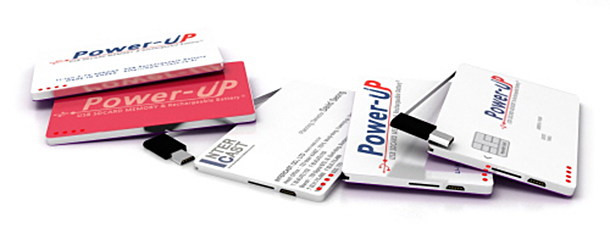
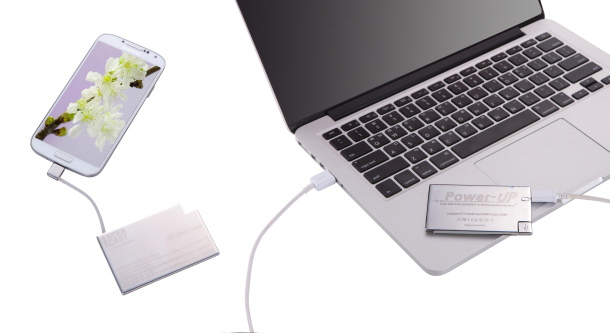
power-up-9900_1 Intercast’s power-up battery series are the USB memory and rechargeable battery included in one product, which is portable, lightweight, and efficient. The product uses USB to charge the battery, and the memory function and the OTG function are loaded. Also, LED residual value indicator is embedded for the user to conveniently check the status.

The product also includes functions such as the mobile phone holder, key ring and earphone holder, and is used to charge smartphones. The charging time is 2~6 hours for 1A, and the weight is 32g. The maker’s power-up 9900 series is a card-type product, and the cards and business cards are printable, and possible to carry in a wallet or one’s pocket. The product can be used as promotional items, and for many other purposes.

power-up-9900_2 The key to the success of Intercast is the innovative development of technologies which are high-quality and also effective and convenient to the customers. These are all enabled by the affiliated R&D center which is now established and located in the top science/technology educational institution in Korea, KAIST. Through the affiliated R&D center, Intercast registered and acquired many patents for its products, services and systems. Intercast has been certified as an innovative venture company by the Korean government.

Intercast has acquired patents and design patents for the products, including the Power-up Series. The patents acquired for the Power-up Series are not only domestic patents, but also international PCT patents. Intercast focuses on cooperation between industry and academia, and received the President’s Award for collaboration among academia, industry and institutions.


korean-electronics.com | Blog Magazine of korean electronics, brands and Goods
Biometric access controllers

[INQ. NO. 1502E23] Established in 2010, NET has specialized in releasing of synthesized IT solutions by developing RAID sub-system and biometrics. Based on the technology of fingerprint sensor and algorithm, NET’s products make up the core of fingerprint recognition, and with the diversification in the use of biometrics worldwide, NET will not only satisfy, but exceed the expectations of its customers. NET currently supplies OEM sensors, fingerprint algorithm embedded modules, USB scanners for logical access and for AFIS, and integrated systems for physical access and time attendance.

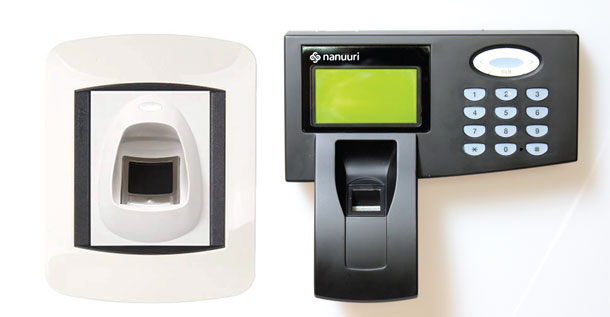
Biometric-access-controllershttps://korean-electronics.com//inquiry NET’s GAMII Biometric Identifier is a digital device in analog design enclosure, with biometric access control and time attendance. The finger identification is 1:20,000 in 1 second, and it is the world’s first certification within 1 second. The product includes automatic ON function identified in one touch with the fingerprint, and supports multi-security methods of fingerprint, RFID, and password. Also, various RFID cards are supported, including Milfare, ISO, and FeliCA. Moreover, TCP / IP are supported, and the product size is 170X150.5X62.6mm.

BioChave biometric access control is a customercustomized product including fingerprint algorithm and using LE sensor. It is installed into the building, and uses only live finger through the LE sensor. The product acquired international standards including CE and KC.

Biometric-access-controllers_1 NET’s two other products GoLF and GiRF are fingerprint identification devices mounted with fingerprint access function and RFID function. IT is applicable to 1:1 individual storage or 1:30 group storages. They are offered in red+grey and black+black color, and provide standalone access control, and small and fast authentication. They are 33.2 x 94.2 x 13.8mm in size.

With its technical know-how, a competitive cost-saving system, customer-oriented sales capacity, ideal technology and creative ergonomic designs, NET is continuing making its efforts to meet a customer’s requirements through one-stop service. NET has exclusive algorithm, sensors and solutions for the system integration based on the customer needs. Products of NET are supplied to the Air Force, and exported to several foreign countries, including Brazil and Japan.

NET has acquired several certifications and international standards such as the CE, KC Mark, and through the company’s own algorithm, sensors and solutions, the technologies provide differentiation from other competitors.


korean-electronics.com | Blog Magazine of korean electronics, brands and Goods

Specialized spare parts for optical communication equipment

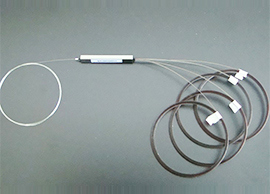
[INQ. NO. 1502E22] Fiber & Networking (FNN) is a specialized manufacturer of spare parts for optical communication equipment needed for infrastructure of BcN(Broadband convergence Network), which is considered as the core of information technology combining communication and broadcasting.

plc-splitterhttps://korean-electronics.com//inquiry

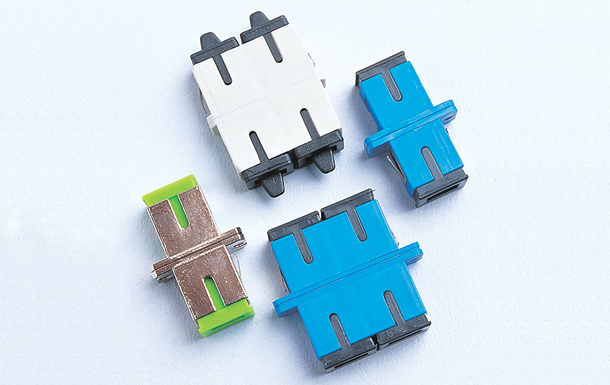
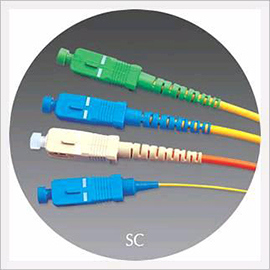
optical-adaptor-sc FNN manufactures various models as solutions for optical communication equipment including PLC Splitters, Optical Patch Cord, and Optical Adaptor.

PLC splitters are products playing an important role in fiber to the home (FTTH) networks. PLC Splitters are installed in each optical network between the PON Optical Line Terminal (OLT) and the Optical Network Terminals (ONTs) that the OLT serves. Networks implementing BPON, GPON, EPON, 10G EPON, and 10G GPON technologies all use these simple optical splitters.

Since establishment in 2004, FNN manufactures and supplies optical communication components and optical network components. The company focuses on the manufacturing of ST/LC flange insertion & integrated housing assembly, patch cord & passive components assembly, and optical fiber outlet for FTTH manufacturing. Also, a license was acquired for the network construction, and distribute ferrule flange, SC housing, ST flange & housing, and factory automation drivers.

optical-patch_cord-sc Through the exclusive R&D department, FNN focuses on the new product development and acquiring patents through innovative technology. Also, the R&D department emphasizes production technology improvement and support, ferrule, stub measuring machine development, production automation and facility development.

FNN was designated by the Korean government as one of the leading innovative venture companies in the field, and also certified by the KOPTI, Korean Small & Medium Business Administration, and KAPID. Through the exclusive R&D department, various patents are registered and acquired regarding the technologies developed by FNN.


korean-electronics.com | Blog Magazine of korean electronics, brands and Goods
Damp-proofing LED tubes & LED bulbs

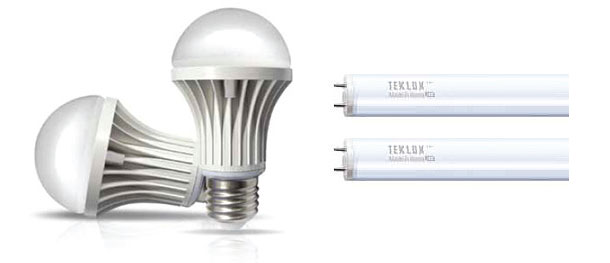
[INQ. NO. 1502E21] Teklux is an up-scale LED lighting manufacturer and exporter based in Seoul, Korea. It specializes in R&D activities, production of LED tubes, LED bulbs, LED panel light, LED down light and LED light fixture. Teklus has successfully expanded its exports to Japan, North America, the Middle East and Mexico.

https://korean-electronics.com//inquiry Starting with the establishment of an LED lighting laboratory in July 2007, the maker raised a big presence including building a factory for mass-production of LED lighting factory in Dec. 2008, obtaining the CE mark/ISO9001 & ISO14001 certification in 2009.

Teklux obtained the certification from the Korean venture entrepreneurship, obtained a patent for LED lamp cover design, and obtained government approval for the Teklux optoelectronics institute. The maker won the Korean good design mark for LED bulbs. And entire range of products obtained RoHS approval.

LED-tubes

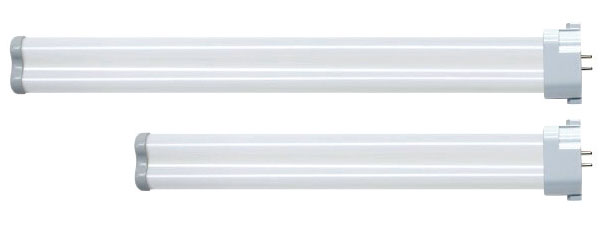
tbl-seriesTeklux’s super-light damp-proofing LED tubes TL Series are 32W / 40W fluorescent lamps that can replace the existing LED lamp. The products can provide highpower factor above 0.9 and high-efficiency above 86%. The TL Series is compatible with worldwide AC voltages and frequencies, and the free voltage-type can reduce the installation cost due to it being power controller free.

Moreover, the product is lighter than other LED tubes, energy-efficient and low heat. The fire-resistant components provide a safe environment, along with the long lifespan and low maintenance cost. TL Series can be applied to the refrigerator, for commercial use, in parking lots, and also at home.

There are also many competitive lineups leading the company’s drive into remaining promising overseas markets, including the TLC series.


korean-electronics.com | Blog Magazine of korean electronics, brands and Goods
Market-leading medical equipment

[INQ. NO. 1502E20] SJ Global was established in 2009 as a manufacturer of medical instruments and equipment. Since 2009, it has focused its efforts on laser therapy, cold/hot combination therapy, beauty care machine, physical therapy, etc. SJ Global’s reputation is based on the development of its own unique technologies, beautiful design, and an unfailing will to pursue perfection and achieve the impossible.

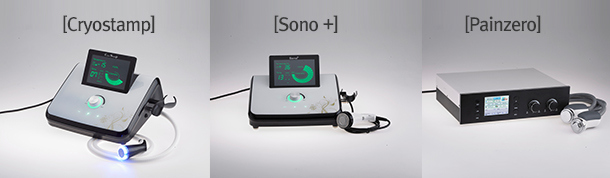
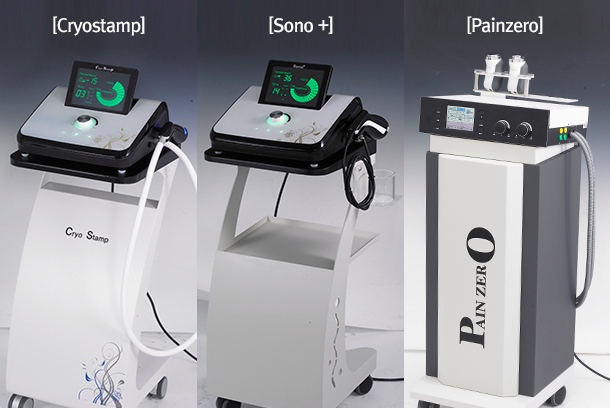
https://korean-electronics.com//inquiry Now, SJ Global produces many models of highly competitive medical equipment. Based on electrophoresis, SJ Global’s Cryostamp can perform functions of cryotherapy, hot therapy, Iontophoresis, electric low frequency therapy and combination therapy using cold and hot electrical stimulation. Grafted with cold/hot stimulation appliances, which are not available in existing ionizers or skin care units capable of electrical stimulation, it maximizes skincare effects. It provides cold/hot stimulation either individually or concurrently, can make the precise temperature adjustment, and enables highly functional cosmetics, Vitamin C and A, anti-aging vitamin E, Beta-carotene, AHA, etc. to efficiently penetrate deep into the skin, thus providing the best skincare.

painzero-sono-painzero_1 SJ Global’s Sono+ is an ultrasonic (wave) beauty appliance using sound waves. Sound waves are effective in cleansing (finely vibrating sound wave vibrates the skin, dropping wastes or corneous layer in the skin), lifting and anti-aging (due to blood circulation promoted by skin vibration massage) and obesity management by shaking subcutaneous fat. As a medical stimulator in which medium-frequency stimulator, ultrasonic wave stimulator and medical warmer are combined, this product is intended not only for alleviation of muscle pain but also skincare and obesity management by applying mediumfrequency current using electrodes, ultrasonic waves and heat on a human body.

painzero-sono-painzero SJ Global was registered as a venture company through its innovative technologies and also certified of GMP. Products developed and produced by SJ Global are exported to many countries, including Creatio in Japan, Medieos in the U.S. and Tin Fook Group in China. Also, the SJ Global affiliated R&D center was established to enable new product research and development.

SJ Global acquired several certifications and international standards including ISO 13485 and CE, and the company was selected as a participating company for the joint technology development project for academiaindustry cooperation.


korean-electronics.com | Blog Magazine of korean electronics, brands and Goods

Automatic liquid packaging equipment

[INQ. NO. 1502E19] Seoyoung Tech’s automatic liquid packaging equipment “Damkki allows sterilization, packing and long storage of red ginseng extracted by double boiler, and also health drinks.

damkkihttps://korean-electronics.com//inquiry Furthermore, the product allows containing fluid foods such as juices, meat stock and others by making them into natural slush. For this process, packing is possible from 50ml to large capacity. Damkki is fluid health equipment enabling purchase of reliable materials and packing foods made at home.

Damkki protects the health of the family at a low price. Moreover, Damkki is portable, and can be carried to schools, workplaces, and other places. For the method to use Damkki, if hot water is used to clean the inside, it is more hygienic. Also, when using cold water, please first use hot water for one cycle. Then, put the contents inside. The particles must be smooth for use. Press the power button, and select through the button for the preferable size, and press twice to confirm the selection. Put the pouch inside, and press the Damkki button to contain the fluid.

To clean the product, pour hot water and press the Damkki button twice for automatic discharge. After discharge, remove the hose and operate for two minutes. Then, remove the rubber parking and clean with water. Afterwards, simply assemble the product in the reverse order of disassembly.

Automatic-liquid-packaging-equipment In the modern world, the demand by customers to drink Oriental drinks through liquid packaging machines is increasing, but most products are highly expensive, and also have problems with hygiene. To solve these problems and to meet the needs of the customers, Seoyoung Tech developed and manufactured the Damkki, which is a hygienic, and low-price automatic liquid packaging machine for red ginseng and other liquid foods. Through

Damkki, Seoyoung Tech seeks to provide better health to the family and to offer more convenience in eating healthy liquid foods with low cost and better hygiene. Damkki, the automatic liquid packaging equipment developed by Seoyoung Tech upgraded the effectiveness of the existing liquid packaging equipment, while reducing the price. Also, as hygiene is an important factor in nutritional foods, this factor was upgraded for easy cleaning and maintenance. Through these efforts, the company was designated by the Korean government as an innovative venture company.

Seoyoung Tech registered several patents, including the patent on beverage injection devices for packs. Also, more patents are under application for the technologies developed by Seoyoung Tech.


korean-electronics.com | Blog Magazine of korean electronics, brands and Goods
PCB one step total solution

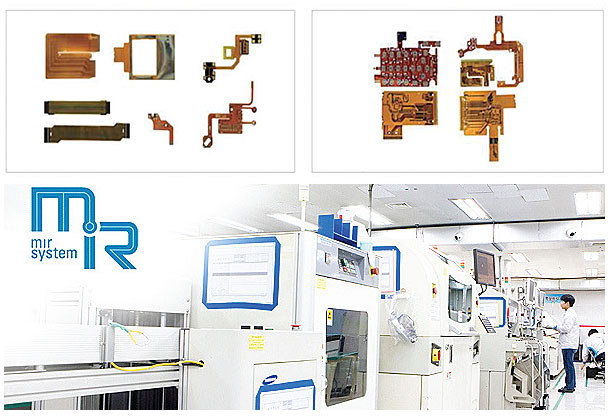
[INQ. NO. 1502E18] Mir System was established in 1995, and has supported the R&D activities of the IT industry by specializing in the PCB artwork, which has now been extended to total solutions for PBA assembly. Recently, products are being enhanced both in terms of types and quality, and due to the advance of the digital technology and the trend of convergence, manufacturers prefer slim, simple, and eco-friendly products.

PCB-one-step-total-solutionhttps://korean-electronics.com//inquiry To cope with such development and product environments, Mir System takes the initiative in supporting total PCB, including PCB artwork, simulation, PCB manufacture, parts purchase, and PBA assembly, to satisfy the needs of the customers. Also, the rigid and flexible PCB is all available to support customers in the customized method. Through these efforts, Mir System was designated as a cooperative company for many famous international companies, including Samsung Electronics and the PCB Designer.

The PCB one-step total solution by Mir System provides from PCB design and circuit simulation to PCB manufacture, SMT and set assembly, parts sourcing, and H/W, S/W development. The first step in this total solution is CAD, followed by design for manufacturability, and PCB analysis composed of signal integrity, power integrity, and EMI (Electro-Magnetic Interference). The PCB one step total solution is supplied to various fields, including the communication devices such as smartphone, tablet PC and smart camera, medical devices, defense industry materials, for industry and households.

PCB-one-step-total-solution_1 The rigid PCB and the flexible PCB are all available, possible for assembly and manufacture. Moreover, the hardware and software development are also provided, including the embedded system, application and firmware for the software, and the PCB art work, DSP / FPGA, and PCB debugging for the hardware. The PCB one-step total solution copes with short delivery, and satisfies high quality, activating outsourcing for the customers. While most companies support only the specific field, Mir System follows up on all processes covering everything from PCB design to PCB assembly.

Through continuous development and providing total service to the customers, the efforts had been acknowledged and the company was designated as an innovative venture company by the Korean government. Also, Mir System was selected as the PBC designer for the defense industry, and as the subcontractor for Samsung SDI. Moreover, the company was designated as an “INNO-BIZ” company and an affiliated R&D center was established. Factories are enlarged and invested to meet the requirements of the customers, and high-quality equipment was installed.

Since 1995, Mir System focused its efforts on providing total solutions for customers, and acquired several international standards, including the ISO 9001 and the ISO 14001 certifications. Moreover, patents had been registered and acquired.


korean-electronics.com | Blog Magazine of korean electronics, brands and Goods