Korean Companies’ TVs

https://korean-electronics.com//inquiry

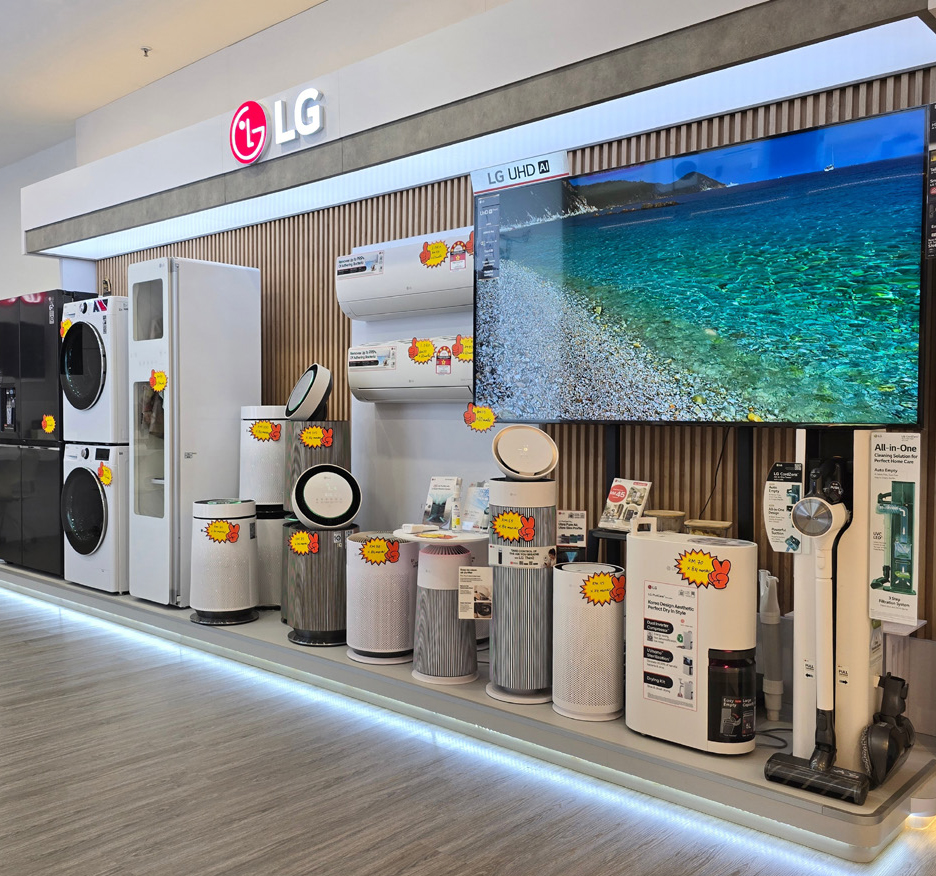
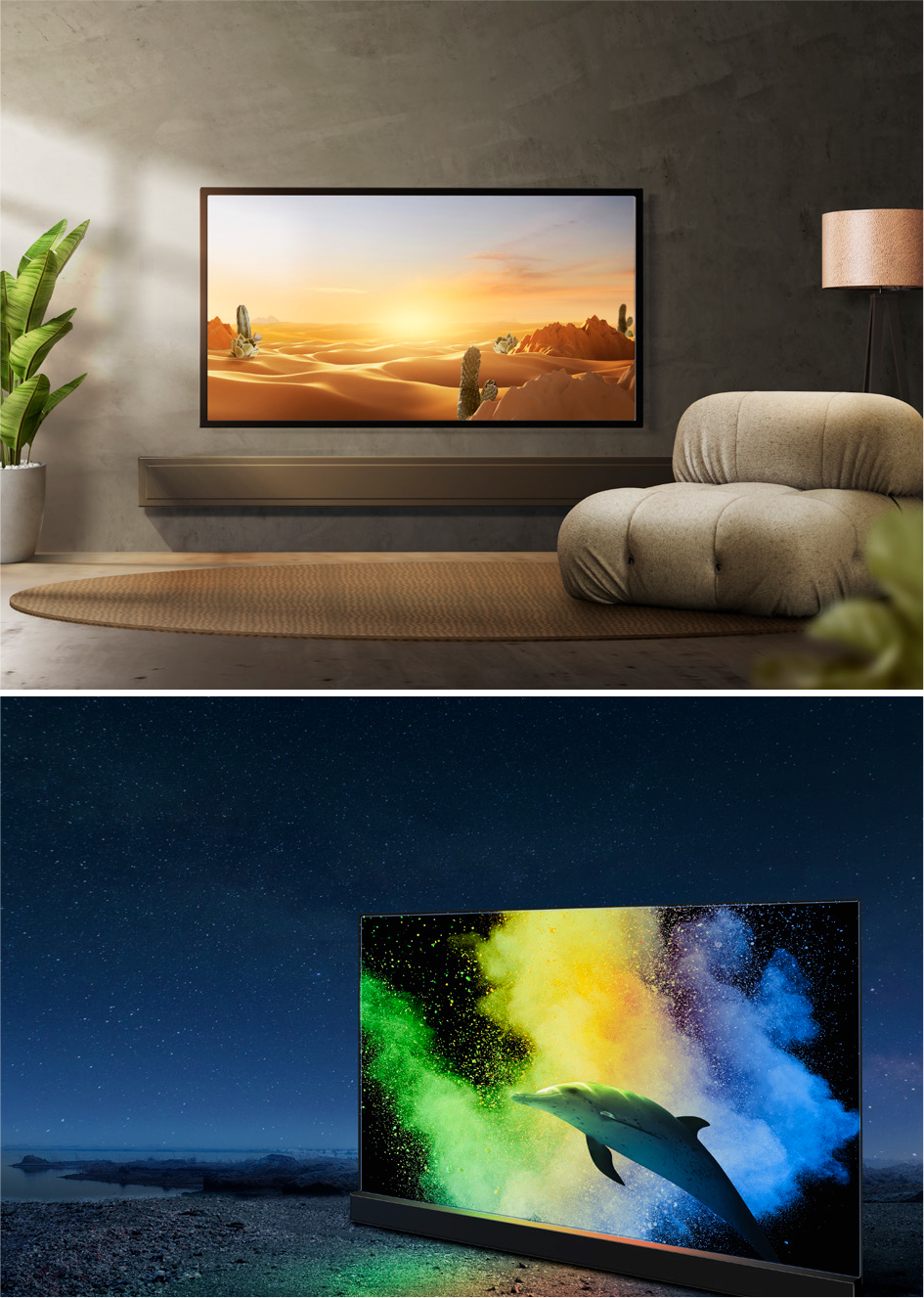
Korean Companies’ TVs Retained Their Global Leading Position

Samsung maintains its top spot in the global TV market in the third quarter.
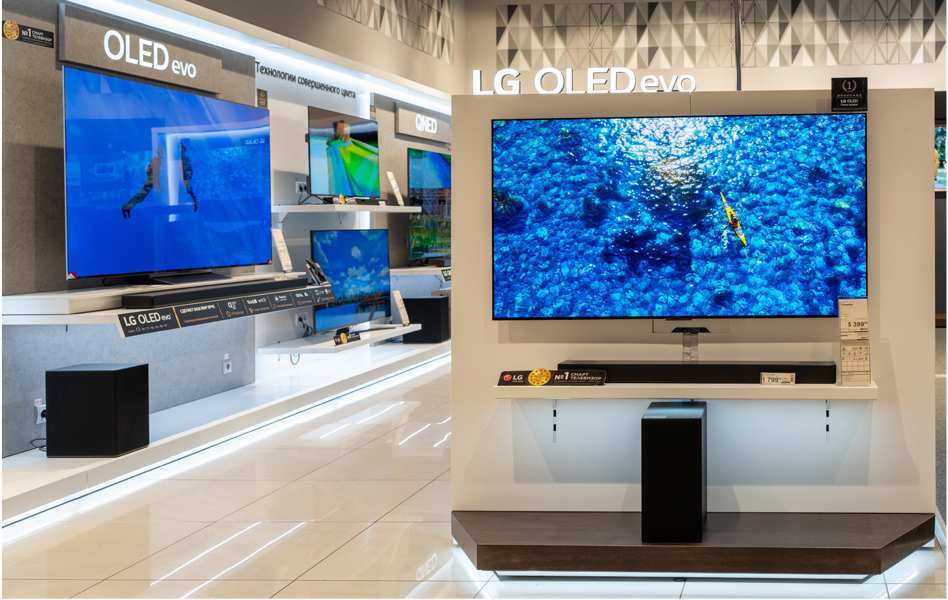
LG holds 50% of the OLED TV market.

Samsung Electronics maintained its top spot in the global TV market in the third quarter of this year. LG Electronics also maintained its top spot in the premium OLED TV market. However, Chinese TV manufacturers, driven by price competitiveness, are rapidly catching up and this raises concerns among Korean companies.

According to market research firm Omdia, Samsung Electronics maintained its top spot in the TV market in the third quarter of this year, in both sales and shipments. Its sales share rose to 29%, up from 28.6% in the same period last year. Although LG Electronics’ sales share declined from 16.5% to 15.2%, it still maintained its second place. TCL ranked third (13.0%), and Hisense fourth (10.9%).
This is because Samsung Electronics and LG Electronics maintain high market share in the premium TV market.
Samsung Electronics recorded a 53.1% market share in the market for premium TVs priced at US$ 2,500 or more. It also maintained its top spot in the market for ultra-large TVs, 75 inches and larger, with a 29.1% share. LG Electronics maintained its top spot in the relatively lucrative OLED TV market, both in shipments (49.7%) and sales (45.4%). Samsung’s OLED TVs recorded a 34.9 market share. If the current sales trends of both companies continue, Samsung Electronics will hold the top rank in the global TV market for over 20 years this year, while LG Electronics will hold the top rank in the OLED TV market for 13 consecutive years.
However, based on shipments in the third quarter of this year, Chinese companies have already caught up with Korean companies. The combined market share of Chinese companies in shipments is 31.8%, surpassing the Korean companies’ share of 28.5%.
Chinese companies’ rapid rise in market share is largely because the overall TV market has shrunk. This is because lower-priced products are selling better under the circumstances with decreasing demand. According to market research firm TrendForce, global TV shipments in the third quarter of this year totaled 49.75 million units, a 4.9% decrease compared to the last year. This is the first time that shipments in the third quarter have fallen below 50 million units.

korean-electronics.com | Blog Magazine of korean electronics, brands and Goods
Accelerating the Transition from EV Batteries to ESS

https://korean-electronics.com//inquiry

Accelerating the Transition of North American Factories from EV Batteries to ESS

Planning to mass-manufacture LFP batteries within the year at LG Ensol’s
Canadian joint plant

Samsung SDI’s U.S. plant also produces ESS.

Battery companies chose the energy storage system (ESS) business as a breakthrough in the declining electric vehicle (EV) market and to capture the market. They are accelerating a two-track strategy that focuses on technological advancement and production efficiency.
LG Chem recently announced that it has signed a joint development agreement with Sinopec, China’s largest integrated energy and chemical company, to develop core materials for sodium-ion batteries. Through this agreement, the two parties plan to jointly research and develop core materials, including cathode and anode for sodium-ion batteries, and secure cost competitiveness.
Sodium-ion batteries are a type of secondary battery utilizing sodium to replace lithium, the main material in existing secondary batteries. Compared to lithium-ion batteries, which have been a mainstay item of Korea’s battery industry, the advantages of sodium-ion batteries include lower prices and easier resource procurement.
Accordingly, the two companies plan to expand their business model by applying the materials they jointly developed to batteries for global ESS and mass-market electric vehicles (EVs).
LG Energy Solution, which has recently been strengthening its attack on the North American ESS market, is relocating its production lines to streamline local ESS production and procurement. This is a conceived plan to increase production of ESS batteries following a sharp decline in North American EV demand due to the U.S. government’s decision to end subsidies of approximately US$ 7,500 per vehicle last September.
According to the battery industry, NextStar, a joint venture in Canada between LG Energy Solution and Stellantis, is converting some of its ternary lithium-ion battery production lines for EVs to lithium iron phosphate (LFP) batteries for ESS. It plans to begin mass-production of LFP batteries for ESS within the year with the expedited conversion. This will allow NextStar to flexibly respond to market demand fluctuations by establishing ‘a two-line system’ that produces batteries for both electric vehicles and ESS.
LG Energy Solution already converted its plant in Holland, Michigan, into a dedicated LFP-based ESS production base earlier this year, and with this conversion to Canada, it will complete its two major ESS hubs in North America.
Samsung SDI and SK On are also preparing to diversify their income sources by converting existing EV battery production lines to ESS. Samsung SDI converted the EV production line at Star Plus Energy, a joint venture in North America with Stellantis located in Indiana, USA, to ESS, and began mass-production in October.
SK On produces ESS batteries at its SK Battery America (SKBA) plant in Georgia, USA. It plans to supply ESS ordered from Flatiron Energy Development in the USA using its existing production facilities in the United States.


korean-electronics.com | Blog Magazine of korean electronics, brands and Goods
Samsung and LG Also Enter the Space Age

https://korean-electronics.com//inquiry

Acquiring Satellite and Communications Patents

Samsung Electronics ranks first, followed by LG.
Focusing on securing satellite communications network technology, KARI ranks first in patent volume, followed by ADD.

It is evaluated that Samsung Electronics and LG Electronics are developing their intellectual property (IP) competitiveness in space science and technology. They are preemptively preparing for the “New Space (private-led space development)” era, while securing both quantitative and qualitative competitiveness.

Following Samsung and LG, the Korea Aerospace Research Institute (KARI), the Electronics and Telecommunications Research Institute (ETRI), Hyundai Motors, KT, Korea University, and the Agency for Defense Development (ADD) ranked third to eighth, respectively. In the quantitative category, KARI ranked first, followed by ADD, Samsung Electronics, ETRI, and Hanwha Systems.
KARI is evaluated as a key institution in Korea’s space development. It was analyzed that KARI has built the best space patent portfolio in Korea with its development of the multipurpose satellite ‘Arirang,’ the meteorological satellite ‘Cheonlian,’ the lunar probe ‘Danuri,’ and the space launch vehicle ‘Nuri.’
Hanwha Group is considered to be leading the commercialization of space science and technology and the expansion of the private space industry. With the acquisition of Satrec Initiative, a Korean satellite company, in 2021, it has been strengthening its value-chain integration, encompassing satellite manufacturing, launch services, and data utilization.


korean-electronics.com | Blog Magazine of korean electronics, brands and Goods
Hyosung Heavy Industries

https://korean-electronics.com//inquiry

Hyosung Heavy Industries Builds Additional Ultra-High Voltage Transformer Plants in the USA

Invests significantly in a plant in Tennessee, USA, five years after the acquisition from Mitsubishi of Japan

Hyosung Heavy Industries carried out an additional investment of approximately KRW 200 billion in its ultra-high voltage transformer plant in Tennessee, USA. With the investment, it has secured the largest production base in the region.
Hyosung Heavy Industries recently announced that it will invest an additional US$ 157 million (approximately KRW 230 billion) in its ultra-high voltage transformer plant in Memphis, Tennessee, expanding production capacity by more than 50% by 2028. Hyosung Heavy Industries acquired the plant from Mitsubishi of Japan in 2020 for US$ 46.5 million (approximately KRW 68 billion).
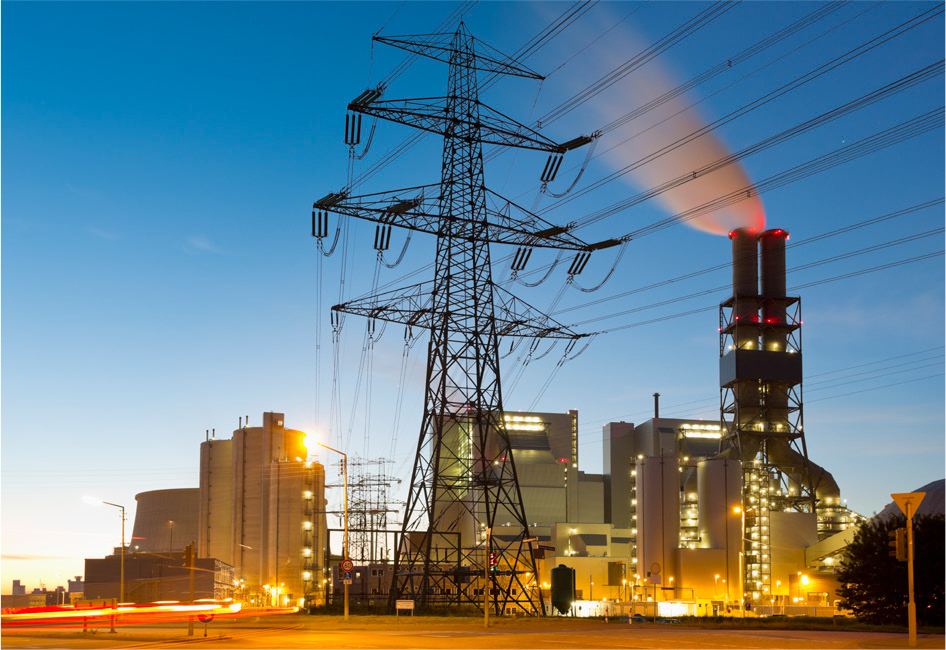
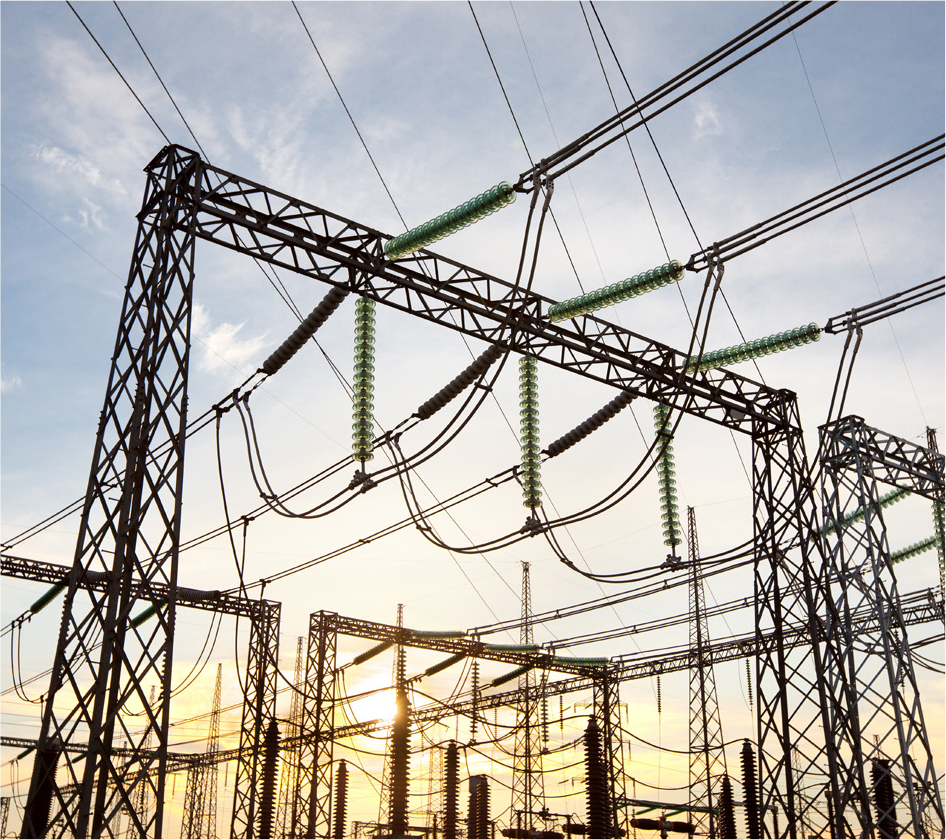
The Memphis plant is the only facility in the United States that is capable of designing and manufacturing 765kV ultra-high voltage transformers. These transformers are key components that convert voltage in the first stage of power transmission — determining the stability, efficiency, and operational reliability of the power grid.

Since the early 2010s, Hyosung Heavy Industries has maintained a dominant market share in the U.S. 765kV ultra-high voltage transformer market, supplying approximately half of the transformers installed in the local transmission grid. To achieve this, Hyosung Heavy Industries has invested a total of US$ 300 million (approximately KRW 440 billion) through three expansions since acquiring the Memphis plant.
Such investment by Hyosung Heavy Industries is a strategic response to the changing environment of the U.S. market. Recently in the United States, demand for power-grid expansion is skyrocketing, driven by the replacement of decrepit power facilities and the growth of power-intensive industries such as AI data centers. The local transformer market is growing at an average annual rate of approximately 7.7%, from approximately US$ 12.2 billion (approximately KRW 17.8 trillion) in 2024 to approximately US$ 25.7 billion (approximately KRW 37.5 trillion) in 2034.


korean-electronics.com | Blog Magazine of korean electronics, brands and Goods
DRAM Prices are Soaring Following HBM’s Triple-Fold Rise in Half a Year

https://korean-electronics.com//inquiry

The memory market dominance will be changed Samsung Electronics sees ‘green light’ for next year’s earnings Restructuring for high-performance, high-profi t structure

 The competition to expand artifi cial intelligence (AI) infrastructure is shifting investment and demand, which have been concentrated on high-bandwidth memory (HBM), to general-purpose DRAM. As global companies accelerate the expansion of their computing infrastructure, demand for HBM- oriented high-performance memory is shifting to DRAM for general-purpose servers.

Memory-demand companies are responding by expanding long-term contracts and pre-orders, and DRAM prices have nearly tripled in just half a year. Samsung Electronics’ semiconductor (DS) sector’s operating profi t is projected to triple next year compared to this year.
Global cloud providers including Open AI, Google and Amazon are continuing to expand their AI servers to improve computing effi ciency.
Consequently, the average DRAM capacity per server is expected to increase by more than double digits next year compared to last year, and demand for overall server DRAM is expected to increase by more than 20%.

While demand for DRAM is rapidly increasing, supply is limited due to increased investment in HBM. This is because Samsung Electronics and SK Hynix are continuing to invest in memory facilities focused on HBM. Both companies plan to focus on mass-production of HBM4 from the end of this year to next year, so it is diffi cult to rapidly increase general DRAM production capacity. An industry insider commented, “With facilities concentrated on HBM, general-purpose DRAM production capacity is rapidly decreasing. As Samsung Electronics and SK Hynix reduce production of older semiconductors, the entire market is shifting to high-performance products.”
TrendForce forecasts that the price of DRAM in the fourth quarter of this year will increase by 13~18% compared to the previous quarter. UBS also raised its forecast for fi xed transaction price increases of DRAM from 5% to 17%, stating, “The memory market has entered a supercycle that comes once in a decade due to the surge in demand for AI servers.”


korean-electronics.com | Blog Magazine of korean electronics, brands and Goods
All-Solid-State Batteries: Samsung SDI allies with BMW

https://korean-electronics.com//inquiry

Tripartite cooperation on all-solid-state batteries Samsung to produce cells and install them in BMW vehicles Solid Power, a U.S. materials company, is participating Higher safety than lithium-ion
A game changer that will shake up the market

Samsung SDI of Korea, BMW of Germany, and Solid Power of the United States have joined forces to develop all-solid-state batt eries, known as ‘the dream batt ery,’ that is lighter, stronger and longer-lasting. Samsung SDI announced that it has signed a three-party business contract with BMW and Solid Power for the development and demonstration of all-solid-state batt eries.
Solid Power, a batt ery materials company, will supply solid electrolyte, the raw material. Samsung SDI will use this to produce all-solid-state batt ery cells with increased energy density and safety. BMW will then develop batt ery modules and packs based on these and demonstrate their performance. The goal is to install all- solid-state batt eries in BMW’s next-generation test vehicles to verify their actual performance. All-solid-state batt eries, unlike existing lithium-ion
batt eries, utilize solid materials instead of liquid electrolytes. This reduces the risk of fi re caused by electrolyte leakage and eliminates the need for individual cell sealing. They are highly stable and light so it is called ‘a game changer’ to reshape the dominance of the next- generation batt ery.
The only issue, however, is price. The cost of manufacturing all-solid-state batt eries is estimated to be three- to fi ve-times higher than liquid-based lithium-ion products. Moreover, the facility costs required to produce all-solid-state batt eries are estimated to be 10 to 20 times higher than those for lithium-ion batt eries. Consequently, no electric vehicles equipped with all-solid-state batt eries have yet been launched. However, the tripartite alliance between Samsung SDI, BMW, and Solid Power is seen as a strategy to overcome these technological and cost barriers.

Samsung SDI has maintained a close relationship with BMW since it was selected as a supplier of EV batt eries for BMW in 2009, and this agreement further enhances their technological cooperation.
Joo-young Go, head of the ASB Commercialization Team at Samsung SDI, explained, “Competitive batt ery technology directly leads to innovation in electric vehicles. We will continue to closely collaborate with global partners to lead the commercialization of all-solid-state batt eries.”
Martin Schuster, Vice President of Batt ery Cells at BMW Group, remarked, “With Samsung SDI’s participation, we can further accelerate the development of next-generation batt ery cell technology. This global cooperation will once again demonstrate BMW’s ultimate goal of providing
cutt ing-edge batt ery technology.” Meanwhile, John Van Scoter, President and CEO of Solid Power, emphasized, “We will work with global automakers and leading batt ery companies to commercialize all-solid-state batt ery technology.”
The prospect of the all-solid-state batt ery industry is very positive. The global all-solid-state batt ery market is projected to grow nearly sevenfold over the next fi ve years, from $148 million this year to $963 million in 2030.

  
korean-electronics.com | Blog Magazine of korean electronics, brands and Goods
Samsung Breaks TSMC’s Monopoly: Green Light for Foundry Rebound

https://korean-electronics.com//inquiry

A series of positive news for Samsung Semiconductor Joint supplier-ship with TSMC
Increasing the potential to obtain big tech orders

The fact that Samsung Electronics Foundry obtained the order for AI5, Tesla’s next-generation autonomous driving AI semiconductor, is a signifi cant deal that goes beyond simply securing volume from Taiwan’s TSMC. This is seen as an important opportunity to reduce the quarterly losses of its foundry business, which currently generates KRW 2 trillion (approximately USD 1.6 billion), and to att ract new customers.
Since TSMC plans to produce A15 starting in 2026, Samsung will be able to mass-produce it much sooner, contributing to its foundry performance. Furthermore, since it is likely to be produced at the Taylor fab in the factory in Texas, USA, which will be completed next year, it will increase utilization at the Taylor fab and enhance the fi nal quality of next-generation A16, thereby killing two birds with one stone.
It is more meaningful that Samsung Electronics has now assumed the role of dual vendor (multiple supplier ) in producing advanced chips alongside TSMC. It is considered ideal if customers can maintain multiple suppliers to increase their bargaining power in contract manufacturing. However, big tech customers that outsource production to
TSMC have maintained a sole vendor (single vendor ) system, entrusting all production to TSMC to produce their semiconductors using the most advanced processes.

However, for as long as big tech companies maintain the sole vendor system, it is inevitable that Samsung Electronics will be at a signifi cant disadvantage in the competition for orders.
Nonetheless, as Tesla leads the way in diversifying advanced chip manufacturing between TSMC and Samsung Electronics, other big tech companies may seriously consider dual vendor systems. Indeed, Qualcomm is reportedly considering producing the Snapdragon 8 Elite, which will be mounted in the Galaxy S26, also at the Samsung Foundry.
According to foreign media reports, TSMC plans to increase prices for advanced nodes below 5nm by 5~10%. Prices for the most recent 2nm process are expected to rise by at least 50%.

korean-electronics.com | Blog Magazine of korean electronics, brands and Goods
Following HBM, NAND·DRAM in a Boom

https://korean-electronics.com//inquiry

SK Hynix solidifies ‘AI memory kingship’
Explosive demand for AI-driven high-performance products “Unlike the short-term boom in 2017”
HBM’s global dominance system continues Annual growth expected to be consistently at 30% “DRAM and NAN to be sold out next year also”

Artificial Intelligence (AI) is completely reshaping the memory industry. Just a year ago, it was believed that only high- bandwidth memory (HBM) was selling well, but now the boom has spread to general-purpose DRAM and NAND flash.

With the exponential demand for high-performance computing, particularly AI servers, the semiconductor industry’s long-awaited ‘memory super cycle’ appears to be in full swing.

The proliferation of AI is shifting from a simple, temporary demand to a structure that requires processing massive amounts of data across all stages, including learning, inference, and on-device. This is leading to a structural transition — and here, memory usage is steadily increasing. A spokesperson for SK Hynix explained, “We expect that HBM will continue to be ‘sold out’ every year after 2023 and will show a high average annual growth rate of 30% over the next five years. Shipments of high-capacity DDR5, a general purpose product, are expected to be at least doubled compared to the previous quarter, and the proportion of expensive corporate SSDs within NAND is increasing.”

The complex process of HBM makes short-term capacity- expansion difficult, and all-three global memory companies — Samsung Electronics, SK Hynix, and Micron — are maintaining a conservative investment approach. There is also the practical constraint that the production-capacity of general-purpose DRAM decreases as the proportion of HBM increases.
Amidst this constrained market environment, SK Hynix is proactively responding by expanding dedicated HBM lines and improving production efficiency. 
 
korean-electronics.com | Blog Magazine of korean electronics, brands and Goods
K-Electric Power Equipment in Great Demand

https://korean-electronics.com//inquiry

Three Korean electric power equipment companies — Hyosung Heavy Industries, HD Hyundai Electric, and LS Electric — are actively targeting the North American and European ultra-high voltage circuit-breaker markets.
Hyosung Heavy Industries announced that it will invest a total of KRW 100 billion to build a new plant in Changwon, Gyeongnam, which is dedicated to producing ultra-high voltage circuit breakers for export.
The new plant, scheduled to be completed in the first half of 2026, will produce 420, 550, and 800kV ultra-high voltage circuit breakers exclusively for export. These products will be supplied to global markets including the USA, Europe and the Middle East. Upon completion, Hyosung Heavy Industries’ capacity to produce ultra-high voltage circuit breakers will increase by approximately 1.5 times compared to its previous capacity.
Hyosung Heavy Industries is also expanding its circuit breaker plant in Pune, India. As the world’s third-largest power producer, India’s power-grid is being modernized in full swing, and demand for ultra-high voltage circuit breakers is rapidly increasing.

Hyosung Heavy Industries is leading the market, becoming the first Korean company to surpass KRW 10 trillion in cumulative circuit-breaker production this year. In July, it secured KRW 264 million in orders, the highest ever, for ultra-high voltage circuit breakers from a major U.S. electric power company.
Circuit breakers are devices that protect equipment and human lives by breaking an electric current in the event of power-system failures or abnormal currents at power plants and substations. They also act as a ‘fuse room’ in people’s homes.

HD Hyundai Electric has also been expanding its circuit-breaker business recently. The company signed a contract earlier last month with a Finnish design, procurement and construction company to supply 14 units of 145kV ‘SF6-Free’ high-voltage circuit breakers. This marks the second order secured in Europe, following a contract with Sweden concluded in May.
HD Hyundai Electric previously supplied high-voltage circuit breakers for projects such as a new city project in NEOM City in Saudi Arabia and a new city development project in the Diriyah archaeological site. It also received a KRW 64.4 billion order of ultra-high voltage circuit breakers in Korea for Samsung Electronics’ Pyeongtaek semiconductor plant. Performance verification of the company’s 420kV eco-friendly high-voltage circuit breaker is currently underway, aiming to obtain a certification in the first half of 2026.

LS Electric is accelerating its efforts to target the eco-friendly gas-insulated switchgear (GIS) market. A GIS is a complex power system that integrates circuit breakers and disconnectors into a single unit, and can be considered a type of circuit breaker. An LS Electric official explained, “We are proactively targeting the eco-friendly, over 170kV large-capacity GIS market, which even major global companies such as Siemens have not yet marketed.”

 
korean-electronics.com | Blog Magazine of korean electronics, brands and Goods

Coex Expands its MICE Empire

https://korean-electronics.com//inquiry

Coex Expands its MICE Empire:
New Coex Magok Convention Center Leads Seoul’s Western Innovation Hub

A New Milestone in Seoul’s MICE Industry

Coex has established itself as Korea’s premier exhibition and convention center, serving as a cornerstone of the nation’s MICE (Meetings, Incentives, Conferences, and Exhibitions) industry. Hosting over thirty major exhibitions annually, Coex has become synonymous with success and innovation in the sector. Last year marked a significant milestone in the center’s history as it celebrated unprecedented achievements.
In a bold step forward, Coex introduced the Coex Magok Convention Center (hereafter referred to as Coex Magok), Seoul’s first exhibition and convention center in the city’s western region. This landmark opening took place on November 28, 2024, and signaled the beginning of a new era for MICE activities in western Seoul.
With an anticipated occupancy rate of sixty-five percent in its inaugural year, Coex Magok has been hailed as a transformative addition to the region’s exhibition industry. This development is particularly meaningful given that, since 2000, new exhibition venues in Korea have predominantly emerged outside Seoul.
The introduction of Coex Magok marks a significant shift, reinvigorating Seoul’s role as a hub for industrial innovation. This addition is set to strengthen Korea’s global reputation in the competitive MICE sector, creating new opportunities for growth and collaboration.

Where Vision Meets Versatility

Coex Magok has been meticulously designed to integrate exhibition and convention spaces, offering a seamless ‘ConfEx’ experience that combines the best of both worlds. Spanning five floors and encompassing 7,452 square meters of exhibition space, the venue offers a variety of purpose-built facilities for a range of events.
The ground floor features a sprawling exhibition hall that connects directly to Magok Plaza, providing organizers with unparalleled flexibility for large-scale events. The basement houses the Square Ballroom, a versatile space linked to a vibrant underground commercial zone. This area is ideal for seminars, weddings, and catering events, offering visitors a convenient and accessible experience.
On the third floor, meeting rooms are designed to accommodate small-scale business gatherings and interviews. Some rooms boast outdoor views, adding an inspiring touch to meetings. The fourth floor is home to Le West Hall, the centerpiece of Coex Magok.
This expansive convention hall can host up to 2,200 attendees and is divisible into three independent sections, making it suitable for conferences, shareholder meetings, and academic symposia. The fifth floor complements these facilities with additional multi-purpose rooms, supporting mid-sized seminars and breakout sessions.
The vertical layout of Coex Magok is a modern marvel. It allows diverse and simultaneous events to be held within a compact footprint. Industries such as healthcare, pharmaceuticals, and biotechnology, which have a significant presence in Magok, have found Coex Magok to be an ideal venue for their activities.

A Gateway to Seamless Connectivity

Coex Magok offers exceptional accessibility, enhancing its appeal as a premier event destination. The center is directly connected to Subway Line 9’s Magoknaru Station and the Airport Railroad, ensuring convenient access from Gimpo and Incheon International Airports. Major roadways such as Olympic Boulevard provide seamless travel options for participants from across Korea and abroad.
Magok itself has emerged as a thriving hub for advanced industries, surpassing even landmarks like Sangam DMC and Pangyo Techno Valley in scale. The complex is designed as a mixed-use facility, featuring a 400-room Mercure Hotel on its upper floors, a shopping mall below, and cultural attractions nearby, including LG Science Park and Seoul Botanic Park.
This integration of business, leisure, and culture creates a comprehensive experience for MICE participants, making Coex Magok a destination that meets a variety of needs.

Redefining Events with Innovation and Sustainability

Coex Magok has set new standards for efficiency and automation. By collaborating with August Robotics, Coex introduced Korea’s first floor-marking robots, streamlining event setup and enhancing operational precision. This innovative approach reflects Coex’s commitment to digital transformation and operational excellence.
Looking to the future, Coex is determined to lead the global MICE industry by fostering international collaborations and embracing ESG (Environmental, Social, and Governance) principles. With its dual locations in Seoul and international ventures in Vietnam, Indonesia, and Germany, Coex is poised to shape the future of exhibitions on a global scale.
Coex stand as shining examples of Korea’s visionary approach to the exhibition industry. These dynamic venues not only address current demands but also anticipate future trends, ensuring their place at the forefront of global innovation.
 
 
korean-electronics.com | Blog Magazine of korean electronics, brands and Goods