Samsung and LG Collaborate on Gaming Monitors

https://korean-electronics.com//inquiry

Joining hands in targeting this high-value market against China

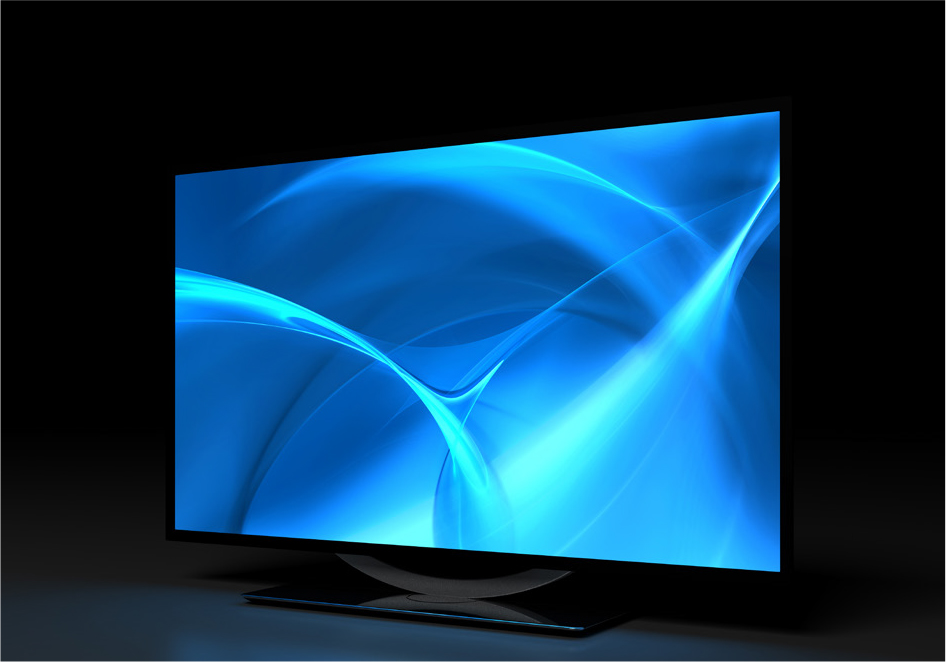
Samsung and LG, which have long completed against each other in Korean and global home appliance markets, set in motion an effort to cooperate. According to industry sources, Samsung Electronics Co. has decided to use white (W)-OLED panels made by LG Display Co. in its upcoming OLED gaming monitor, Odyssey G7, set for release this year. This follows LG Electronics Inc.’s decision to adopt quantum dot organic light-emitting diode (AD-OLED) panels from Samsung Display Co. in its gaming monitors scheduled for release in the second half of this year.

It is reported that Samsung Electronics Co. has selected panels from LG Display Co. to expand to OLED its Odyssey G7 monitor lineup, which was originally released last year using LCDs. With reports indicating that Samsung Electronics Co. and LG Display Co. have signed a panel supply contract and commenced full-scale mass-production and set manufacturing early this year. Forecasts suggest it is highly likely to launch in the second quarter of this year.
This collaboration between Samsung and LG is seen as a strategy to counter China, which has emerged as a new threat by leveraging cost-effectiveness and technological advancement.
Demand for gaming monitors in the global market has been increasing every year. Market research firm Omdia forecasts that gaming monitors will account for approximately 35% of total global monitor shipments this year. Also, it is expected that the share of gaming monitor shipments will rise to about 40% by 2029.
In particular, OLED gaming monitors are expected to overtake LCD monitors, which have been the mainstream until now, and establish themselves as the ‘new trend.’ In fact, the revenue share of OLED monitors, which stood at just 1.2% in the total global monitor market in 2022, has expanded to 7.4% in 2023, 13.6% in 2024, and reached 20% last year.
OLEDs are rising in the gaming monitor industry due to their high scan rate and response speed. OLEDs have a self-lighting structure where each individual pixel produces its own light, so they do not have the chronic problems of LCDs ― which include blacklight bleeding, slow response time, and blacklight issues (the phenomenon where black appears gray in dark scenes) ― providing overwhelming contrast ratios and vivid images that appear just like what users see with their own eyes.

 
korean-electronics.com | Blog Magazine of korean electronics, brands and Goods

AI semiconductors and glass substrates

https://korean-electronics.com//inquiry

Glass Substrates with Enhanced Power Efficiency Become a Game Changer for AI Semiconductors

Samsung Electro-Mechanics moves to dominate the glass substrate market.

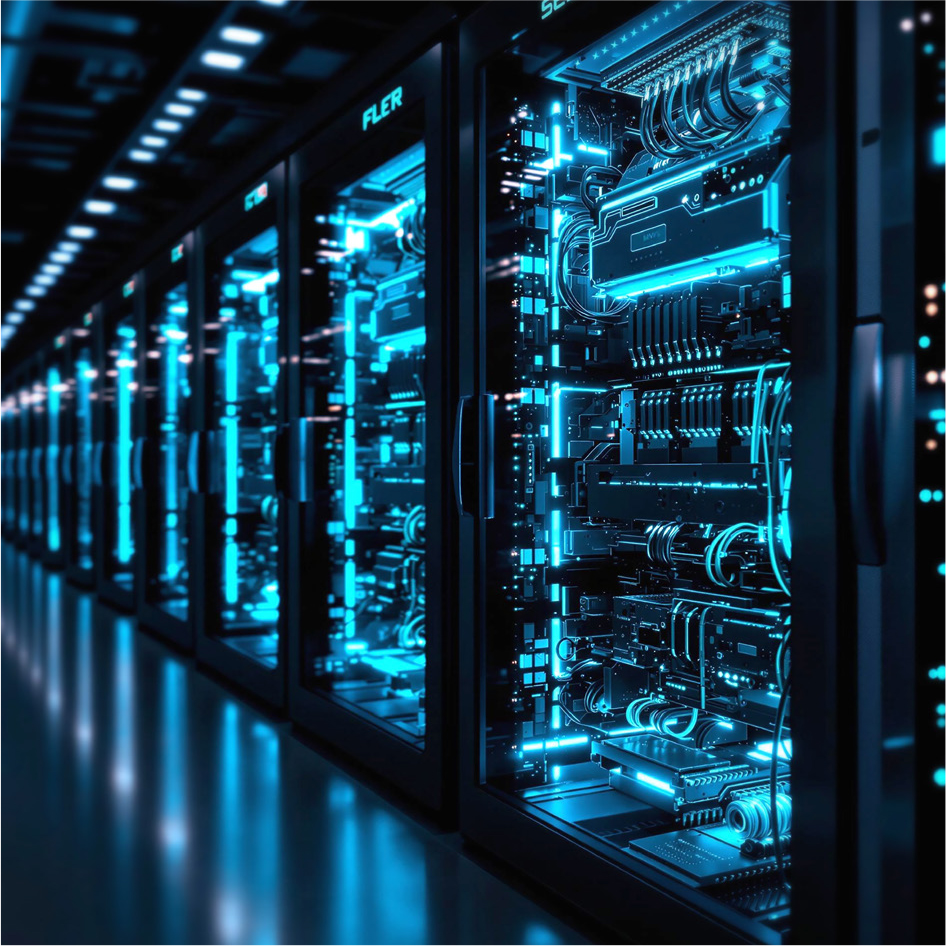
The competition in semiconductor performance is shifting beyond chips to substrates, due to the rapid expansion of artificial intelligence (AI). As data-processing volumes surge, the role of substrates connecting chips has become increasingly critical. Limitations of conventional plastic-based substrates are becoming more evident, positioning glass substrates as an alternative for high-performance applications.
AI semiconductors, in particular, have a structure tightly linking graphic processing units (GPUs) and high bandwidth memory (HBM).

Plastic (organic) substrates that have been widely used so far are increasingly facing structural limitations due to the large-scale, high-performance trends of AI semiconductors. They are more vulnerable to heat, prone to warping at high temperatures, and require additional layers to enhance performance.
Amidst such expectations and limitations, competition in glass substrates is intensifying. SKC’s subsidiary Absolics is considered closest to commercialization, producing prototypes at its Georgia facility in the USA and conducting tests with global clients. LG Innotek is also preparing for mass-production in 2027-2028, based on its pilot production system.

Global companies are joining the race. Intel is seeking to lead the way in technical conversion by significantly expanding substrate size, while China’s BOE is building supply chains through pilot production lines. Japan’s Ibiden is also advancing development, leveraging its leading position in the substrate market.
Samsung Electronics’ affiliates are likewise moving to strengthen their capabilities in glass substrates based on each affiliate’s core competitiveness and role. Rather than a single unified effort, each affiliate is developing technologies that collectively enhance the group’s packaging competitiveness. Samsung Electro-Mechanics is responsible for developing and mass-producing glass substrates. The company is producing prototypes based on a pilot line in its Sejong Plant, and working with Japan’s Sumitomo Chemical Group to secure a supply chain for glass core materials. The company aims to enter mass production after 2027.
 
 
korean-electronics.com | Blog Magazine of korean electronics, brands and Goods

Hyosung Heavy Industries Wins Contract for Australian ESS Project

https://korean-electronics.com//inquiry

Securing an ESS design-construction contract worth approximately KRW 140 billion

Sales in North and Central America last year exceeded KRW 1 trillion for the first time

Hyosung Heavy Industries has secured a battery energy storage system (BESS) contract worth KRW 140 billion in Australia, thereby broadening its business prospects. The company established a presence in the United States and Europe, making over KRW 1 trillion in sales in the North and Central American markets. Following this achievement, it plans to actively seek out new markets, including Australia.

Hyosung Heavy Industries announced that it recently signed a KRW 142.5 billion contract with Tangkam BESS Pty. Ltd. for the design, procurement, and construction of energy storage systems (ESS) in Australia. The project involves building a 100MW/200MWh battery-based ESS in the Tangkam region of Queensland, Australia, with commercial operation targeted at the end of 2027. The company will handle the installation and test-drive, and the maintenance contract will be signed separately.
This marks the first time Hyosung Heavy Industries has supplied an ESS to Australia. The Australian government is implementing a policy to expand ESS aimed at stabilizing the power grid, investing a budget of AUD 20 billion (approximately KRW 20 trillion) to increase its renewable energy generation ratio to 82% by 2030.
Hyosung Heavy Industries believes that this new supply project will be a key solution for the Australian power grid, and plans to show its integrated system-control technology through its own battery management system software.
The company also plans to expand full-scale into global markets. It proved its competitiveness among leading global competitors last year, when its heavy-industry division achieved sales of KRW 1.1123 trillion in the North American market for the first time since its founding. Last month, the company secured a KRW 787 billion contract in the United States for the supply of power equipment, which is the largest in the company’s history, and a KRW 29 billion long-term supply contract for ultra-high voltage transformers in Finland.

 
korean-electronics.com | Blog Magazine of korean electronics, brands and Goods
SK Hynix to Accelerate HBM Production

https://korean-electronics.com//inquiry

Decided to introduce ASML’s EUV scanners

Actively responding to demand for AI memory

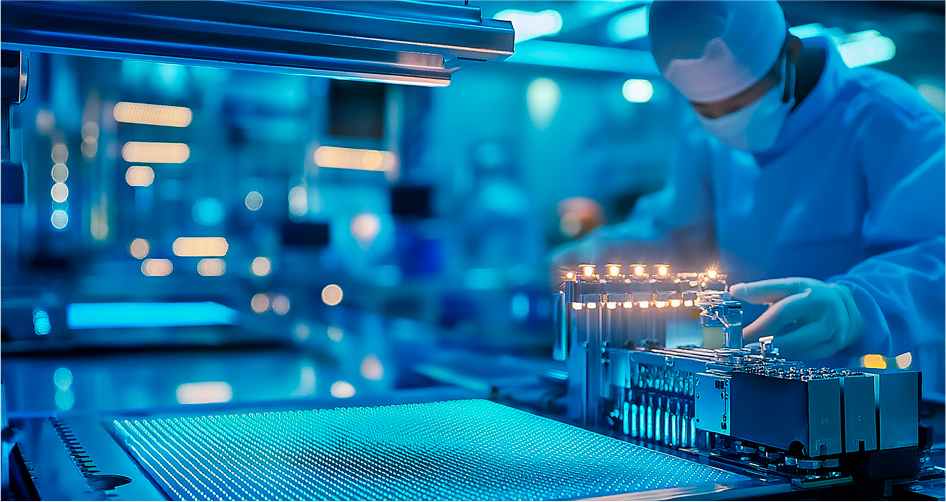
SK Hynix is speeding up its memory semiconductor production capacity by introducing extreme ultraviolet (EUV) equipment worth KRW 12 trillion. The EUV used for the production of advanced DRAM, is expected to be deployed in key lines, including the semiconductor cluster currently under construction in Yongin, Gyeonggi-do, and is also expected to accelerate the transition to SK Hynix’s advanced 6th-generation (1c) process.

The company recently disclosed that it had decided to acquire EUV scanners from ASML, a Dutch equipment manufacturer. The total acquisition cost is approximately KRW 11.9496 trillion, equivalent to 9.97% of its total assets as of the end of 2024. The procurement will take place over approximately two years through December next year and includes installation and modification costs.
Although the company did not disclose the exact number of EUV units it is introducing, industry estimates suggest it may acquire more than 20 machines, given that each unit costs between KRW 300 billion and KRW 500 billion. With around 20 EUV systems already in operation, it more than doubles its EUV line.
The EUV to be introduced in large quantities this time will be deployed at Cheongju M15X plant, while a significant portion is also expected to be allocated to the first fab (Y1) at the Yongin cluster, scheduled to begin operations next year. The rapid introduction of EUV is intended to expand production capacity across the entire Yongin cluster, where wafer production is expected to increase to between 380,000 and 400,000 wafers per month in the future.
According to SK Hynix, the investment is aimed at addressing growing demand for AI memory including HBM, and expanding demand for general-purpose DRAM. The company is trying to expand its production capacity to stabilize supply following the increasing demand for general-purpose memory in the front industry including servers and mobile.


korean-electronics.com | Blog Magazine of korean electronics, brands and Goods
K-Battery

https://korean-electronics.com//inquiry

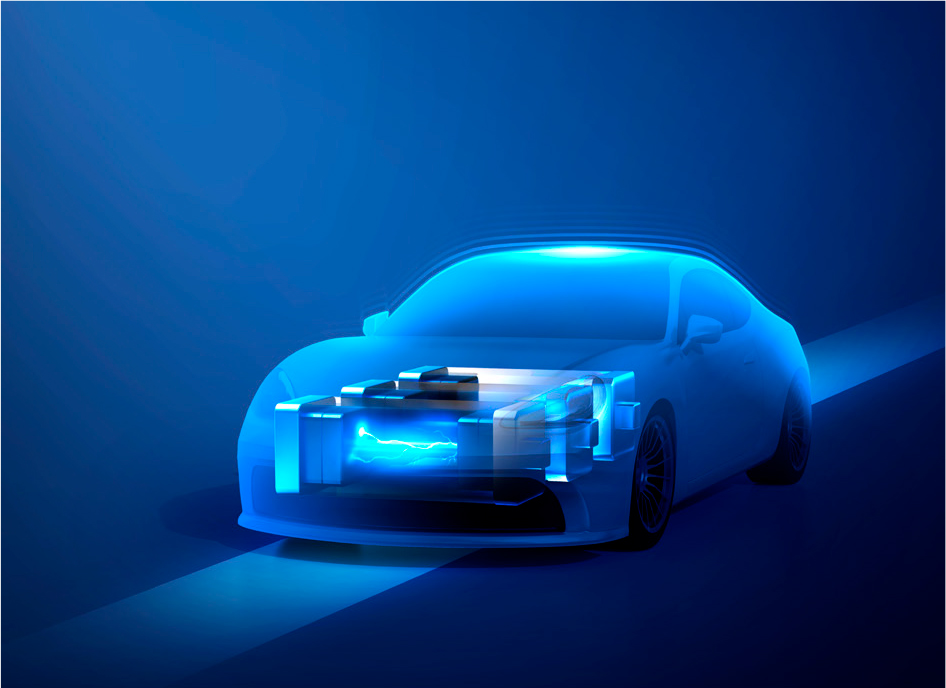
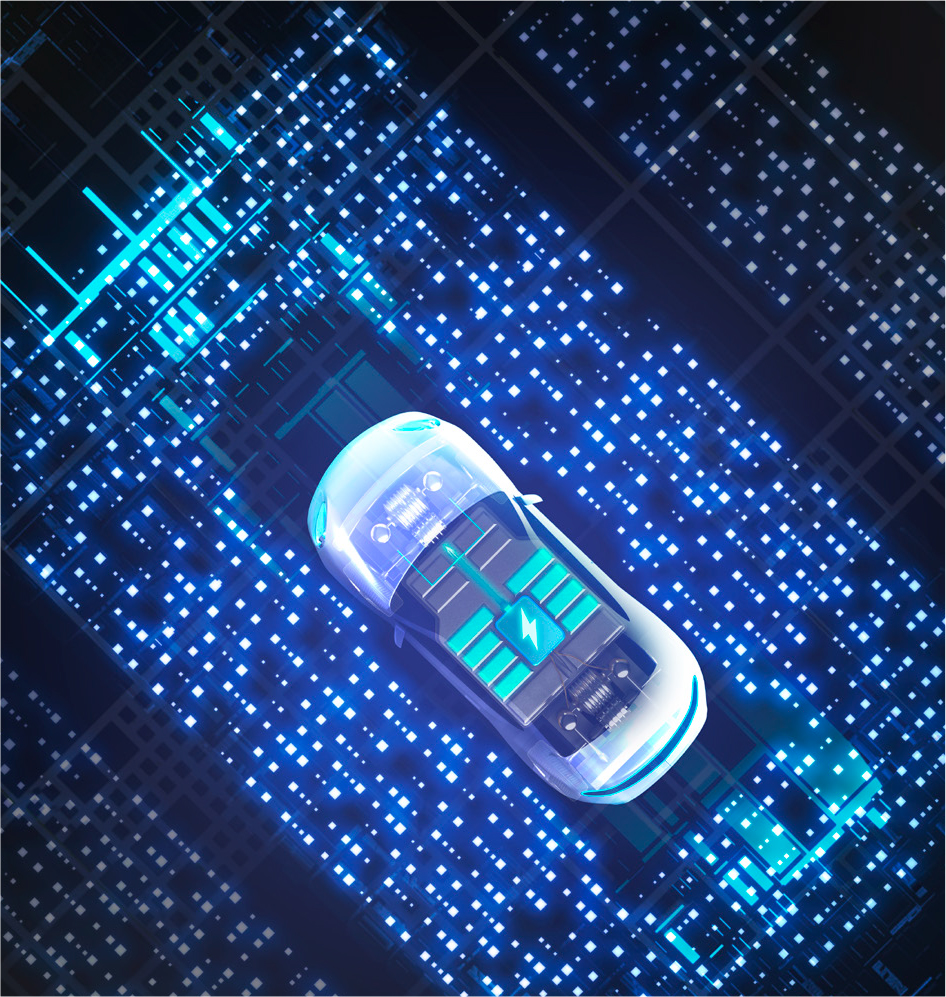
K-Battery Wins KRW Trillions of Orders

Samsung SDI to supply ESS batteries to the USA

POSCO Future M secures a large contract on anode materials

The domestic battery industry is showing signs of recovery, following major supply contracts clinched by Samsung SDI and POSCO Future M. It is assessed that the continued securing of orders worth over KRW 1 trillion in each of the battery cell and core materials sectors is creating a positive atmosphere throughout the industry.
Samsung SDI announced that its North America subsidiary, Samsung SDI America (SDIA) signed a contract worth about KRW 1.5 trillion to supply batteries for energy storage systems (ESS) to a U.S. energy company. The contract will run from this year until 2029, with supplies delivered in phases.
The batteries supplied under the deal will be produced at the factory of StarPlus Energy, a joint venture between Samsung SDI and Stellantis, located in Indiana, USA. The company plans to supply nickel-cobalt-aluminum (NCA) and lithium iron phosphate (LFP) batteries one after another.

POSCO Future M also announced that it has signed a long-term supply contract worth about KRW 1.01 trillion with a global automaker for synthetic graphite anode materials. The contract period is five years from 2027 to 2032, and can be extended by mutual agreement.
The industry speculates that the counterparty for the contract is electric vehicle manufacturer Tesla. POSCO Future M signed another deal with Tesla in last October to supply natural graphite anode materials worth about KRW 671 billion for four years starting in 2027. Including the latest supply volume, the total value of graphite anode materials the company is expected to supply to Tesla could reach as high as KRW 4 trillion, the largest order since the company has entered the anode materials business in 2011.

 
korean-electronics.com | Blog Magazine of korean electronics, brands and Goods
LG Display’s OLED Panels

https://korean-electronics.com//inquiry

LG Display’s OLED Panels Prove Technical Prowess in China

First supply for TCL’s monitors
Targeting gaming and premium markets
Realizing 4K high-resolution

Korean display companies are stepping up efforts to target the Chinese organic light-emitting diode (OLED) market as Chinese home appliance companies rapidly transition from liquid crystal display (LCD) monitors to premium OLED monitors.
According to industry sources, TCL recently launched its first OLED monitor, the 32X3A OLED monitor, adopting the latest OLED panel from LG Display.
This product delivers 4K high-resolution, and a refresh rate of 240Hz through an LG Display OLED panel. It also features a dynamic frequency and resolution (DFR) function that allows the monitor to switch to 1080p at up to 480Hz, especially to meet demand from e-Sports gamers. The technology can currently be implemented only through LG Display’s OLED panels. TCL is said to have selected the panel for its first OLED monitor because of this feature. TCL is a strong player in the TV market but a relative newcomer in monitors.

Chinese panel makers, including TCL China Star (CSOT), Everdisplay (EDO) and BOE, have yet to match Korean companies in the latter’s mass-production scale and performance of OLED panels.
OLED panels produced by TCL China Star are reportedly currently used only in smartphones and smartwatches. As Chinese companies have yet to master mass-production of large OLED panels used in TVs and monitors, they have no choice but to still rely on Korean-made panels.

TCL’s decision to advance into the premium monitor market by launching its first LED monitor after focusing only on LCD so far reflects the rapid growth of the related industry in China. According to global market tracker Omdia, China accounted for a quarter (24.1%) of global monitor shipments last year, surpassing North America at 22.3% to become the world’s largest monitor market.

 
korean-electronics.com | Blog Magazine of korean electronics, brands and Goods
K-Security Recording Prosperity

https://korean-electronics.com//inquiry

Korea Startup Centers supporting overseas expansion of Korean startups

QuaeryPie, a Korean security solutions company that entered the Japanese market with support from the Korea Startup Center (KSC), is being kept busy responding to requests for collaboration from Japanese companies. It recently signed a supply contract with leading Japanese IT and manufacturing companies such as TerraSky, Payroll, and Toyota Motor Corp.
KSC, supervised by the Ministry of SMEs and Startups and operated by Korea SMEs and Startups, is serving a role as a significant stepping stone for domestic artificial intelligence (AI) and data startups to expand overseas. It supports the settlement of companies that do not have enough capital and excellent manpower, and are hampered by their lack of understanding of local policies and systems.

According to the Ministry of SMEs and Startups, 104 of the 119 KSC-supported companies, or 87.3%, succeeded in entering overseas markets last year. Overseas sales they generated through this amounted to KRW 105.9 billion and investment attraction reached KRW 580.5 billion.
KSC has five offices in Seattle, USA; Hanoi, Vietnam; Tokyo, Japan; Paris, France; and Singapore. KSC Tokyo is located in Toranomon, Minato Ward, Tokyo, which is a densely populated area with Japanese financial institutions, public institutions, and major corporate headquarters.
Shaple&Company, a provider of software-as-a-Service (SaaS)-based field work efficiency solutions, also successfully entered the Japanese market with KSC’s assistance. In particular, KSC’s active support has become a big help in expanding its business by forming bridges with large company partners such as Hyosung Japan and Samsung Japan.

korean-electronics.com | Blog Magazine of korean electronics, brands and Goods

LG Electronics Maintains No. 1 Ranking in U.S. Home Appliance Market for Second Year

https://korean-electronics.com//inquiry

Six home appliances record 22% market share
LG Electronics wins the top spot in refrigerators for the first time

LG Electronics maintained its No. 1 position in the U.S. home appliances market last year following 2024. In particular, the company has expanded its market share by ranking No. 1 for the first time in refrigerators, exceeding washing machines and dryers, which had performed strongly last year.

According to U.S. market research firm TraQline and others, LG Electronics ranked No. 1 for two consecutive years, achieving a 22% market share in six major home appliance categories last year, based on sales.
Most noteworthy this time is refrigerator sales. In addition to washers and dryers, its flagship products so far, LG Electronics achieved a 24.3% market share and took first place even in refrigerators, surpassing competitors like Samsung Electronics, General Electric (GE), and Whirlpool. This marks the first time LG Electronics has ranked first in the U.S. refrigerator market.
LG Electronics is also stepping up efforts to expand its performance in the U.S. home appliances market to business-to-business (B2B) areas such as commercial washers and the construction (builder) market. It has signed a supply contract with CSC Service Works, North America’s No. 1 laundry solution company that operates about 1.5 million commercial washers across the United States and Canada. It is also expanding its customer base by supplying commercial washers to various residential environments such as university dormitories and multi-family housing.

 
korean-electronics.com | Blog Magazine of korean electronics, brands and Goods
Samsung Electronics Reclaims No. 1 Position in Global DRAM Within a Year

https://korean-electronics.com//inquiry

Market share reaches 37%

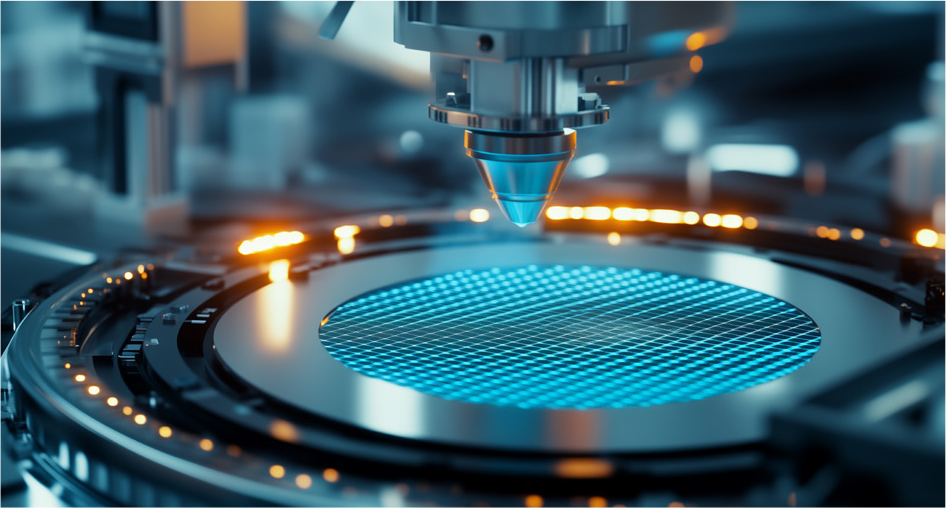
Samsung Electronics has regained the No. 1 position in the global DRAM market from SK Hynix in a year. This is because the company has recaptured competitiveness in the high-bandwidth memory (HBM) market, and related sales have increased due to rising prices of general-purpose DRAMS.

According to market research firm Omdia, the global DRAM market reached USD 52.47 billion (approximately KRW 76 trillion) in the fourth quarter of last year, representing a USD 12 billion (approximately KRW 17 trillion) increase from the previous year. The sharp rise in DRAM prices has significantly expanded the market size itself. Samsung Electronics’ DRAM sales increased by 40.6% from the previous quarter to a total of USD 19.156 billion (approximately KRW 27.7 trillion). Its market share rose 2.9% points to 36.6%, reaching the No. 1 position.
During the same period, SK Hynix’s DRAM sales increased 25.2% to USD 17.226 billion (approximately KRW 25 trillion), but its market share fell slightly from 34.1% to 32.9%, dropping to second place. After SK Hynix gained the 1st ranking in the HBM market in the first quarter of last year thanks to increased sales, the ranking returned to its original position a year later.
It was the first time in 33 years that the top rank in the DRAM market changed since Samsung Electronics won the global No. 1 ranking in 1992. Since then, SK Hynix has taken the top spot for three consecutive quarters, until the third quarter of 2025, based on Omdia data.
Samsung Electronics’ significant sales growth in the DRAM market is driven by the overall rise in general-purpose DRAM prices. According to Counterpoint, the prices of DRAM for servers in the fourth quarter of last year rose by 76% compared to the previous quarter, and are expected to rise 98% in the first quarter of this year as well. Samsung Electronics benefits more from rising DRAM prices because it produces much more general-purpose DRAMs than SK Hynix.
Samsung Electronics delivered HBM4 first, which will be supplied to NVIDIA this year, but SK Hynix is expected to gain the upper hand in overall supply. Samsung Electronics started supplying HBM4, capable of up to 13Gbps (13Gbps per second), in February.
SK Hynix is expected to begin supplying products in the first quarter. However, given its lead in production and yield, the market expects SK Hynix to take up approximately 50% of the total HBM4 supply, with Samsung Electronics accounting for 20%.

 
korean-electronics.com | Blog Magazine of korean electronics, brands and Goods
LS Electric Expands U.S. Plant to Meet Higher Demand for Power Grid

https://korean-electronics.com//inquiry

HD Hyundai and Hyosung Heavy Industries are also taking a step forward

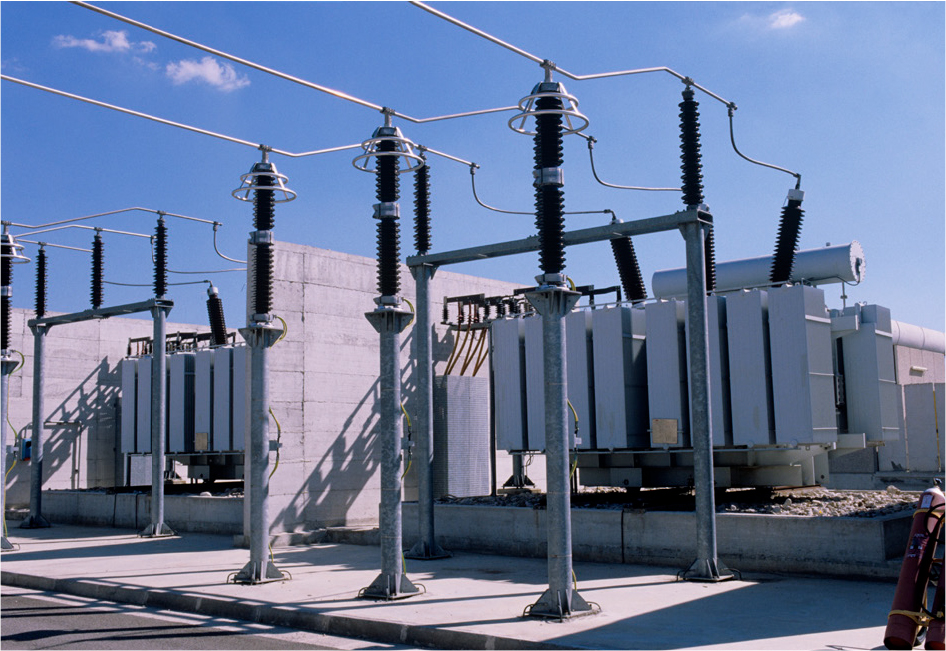
LS Electric is making an additional investment in its high-voltage distribution board plant in Enoch, Utah, USA. Korean power equipment companies are rapidly increasing their exports and local production in the United States.
According to an industry source, LS Electric recently signed a contract with Utah to invest an additional KRW 200 billion in its high-voltage power distribution board plant in Enoch.
Its goal is to increase the current operating capacity of KRW 50 billion, to up to KRW 150 billion and expand the factory site from approximately 13,223m2 to about 79,338m2. It aims to start construction for expansion within the first half of the year.
LS Electric plans to increase the yield and quality of its plant to the level of its plant in Cheongju, the largest in Korea. Utah is expected to offer ‘Rural Economic Development Tax Increment Financing (REDTIF)’ benefits for this investment.
The reason for the factory expansion is the demand from U.S. big tech companies for high-voltage distribution boards for AI data centers.

In response, domestic power equipment companies, including LS Electric, are continuously increasing their investments in the region. HD Hyundai Electric intends to construct a second plant in Alabama, while Hyosung Heavy Industries plans to expand its ultra-high voltage transformer plant in Memphis, Tennessee, to the largest in the United States.

Due to the overwhelming demand for power equipment in the U.S. market, not only local production but also exports are increasing. According to the Ministry of Trade, Industry and Energy, exports of electrical equipment, including voltage regulators, cables, and circuit breakers, totaled USD 16.7 billion last year, a 7% increase from USD 15.6 billion in 2024. Exports are expected to reach USD 17.7 billion this year, a 6% increase from the previous year.
 
 
korean-electronics.com | Blog Magazine of korean electronics, brands and Goods