OCI & Hanwha’s Solar Power Business in the U.S. See Revival
OCI’s Malaysia factory benefits.
Hanwha’s U.S. factory will begin operations next month.
As the United States excludes high-purity polysilicon, a key material for solar power generation, from additional tariffs under Section 301 of the Trade Act, South Korean solar companies have received the green light for their North American business.
Polysilicon is a key raw material used in the manufacturing of solar wafers and semiconductors. In the solar industry, it serves as the starting point for the production of ingots, waters, cells, and modules. It is analyzed that the United States made the decision to exempt this material from tariffs to prioritize the securing of essential materials needed for its domestic solar manufacturing ecosystem while reducing its dependence on China-centric supply chains at the same time.
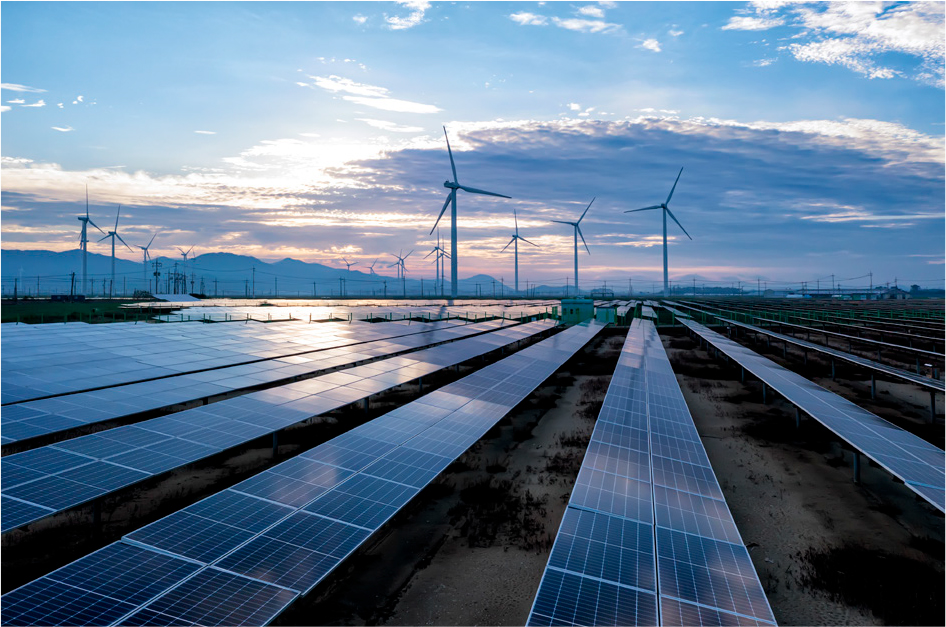
OCI Holdings is mentioned as the biggest beneficiary of this exemption decision. OCI Terrasus, OCI Holdings’ production subsidiary in Malaysia, possesses an annual production capacity of 35,000 tons of solar-grade polysilicon. It is one of the few non-Chinese production bases capable of reliably supplying materials to global solar manufacturers targeting the U.S. market.
It is assessed that OCI Terrasus has secured a competitive edge in terms of price compared to global competitors. The industry estimates that OCI’s polysilicon offers a price competitiveness of approximately 30% compared to products from Germany’s Wacker and the USA’s Hemlock.
Hanwha Q CELLS, a subsidiary of Hanwha Solutions, is also set to establish the largest integrated solar production system in North-America, covering ingots, wafers, cells, and modules, centered on its plant in Cartersville, Georgia and then begin full-scale commercial operations. However, the recent tariff exemption is expected to impact production costs.
The Cartersville plant has a production capacity of 3.3GW (gigawatts) for ingots and wafers, 3.3GW for cells, and 3.5 GW for modules. When the 5.1GW module production capacity of the plant in Dalton, Georgia is added, Hanwha Q CELLS’ total module production capacity in the USA expands to approximately 8.6GW.
korean-electronics.com | Blog Magazine of korean electronics, brands and Goods