Gyeongbokgung

https://korean-electronics.com//inquiry

Explore the Surroundings of Gyeongbokgung Palace in Hanbok

Gyeongbokgung Palace is one of the most recognizable cultural heritage and tourist sites in Korea. Once a palace where the kings of the Joseon dynasty resided and ruled the kingdom, its shining presence can still be found amid majestic buildings in the heart of Seoul. The area surrounding the palace is full of experience spaces, exhibition halls, and restaurants beloved by Gen Z. This area can broadly be divided into Seochon and Bukchon areas, centered around different themes. Considering the area’s historical significance, wearing a hanbok as you explore the area can enrich your memory of the visit even further.

Explore the sensibilities of small alleyways in the Seochon area

Seochon is a village west of Gyeongbokgung Palace and can be accessed through Yeongchumun Gate, the western gate of Gyeongbokgung Palace. Once a village occupied by artists, Seochon has a rather humble, unique atmosphere with small, single-story buildings lining the narrow alleyways, in contrast to the glittering splendor of central Seoul. In recent days, Seochon has begun to draw a large crowd of younger visitors with chic and elegant boutiques, galleries, and cafés that renovate the old buildings with contemporary sensibilities.
The first stop in this Seochon trip is Groundseesaw Seochon. This exhibition space became prominent with hip and interesting exhibitions like “Photographs by YOSIGO: Holiday Memories” and “Accidentally Wes Anderson: Inspire. Discover. Adventure Awaits.” The building itself impresses with its architectural merits, which were recognized by the 2020 Seoul Architecture Award. Going inside, one can find a pond and a garden built at the center of the building, creating a peaceful ambience like that in a forest. Just visiting the building, in that sense, is an experience that exceeds one’s expectations.

When emerging from the complex net of alleyways, one finds a two-story residential building with a small signboard. This building houses the Korean branch of “Ofr.,” a French independent bookstore. This seemingly mundane residential building houses a treasure trove of chic and quirky items waiting to be discovered by the discerning shopper. From rare edition books from abroad casually arranged in piles to design posters hung up on walls with peeling paint and colorful tote bags thrown around the space, the interior space exemplifies the casual yet chic ambience that has captivated many members of the Korean Gen Z. For travelers, Ofr. offers T-shirts made in-house, cute accessories, and interior decorations that make for great souvenirs.
In a village awash in retro sensibilities, Dae-o Bookstore stands out as the most analog of its spaces. From the peeling paint of its signboard to the worn organ once belonging to the elderly couple who owned the bookstore, earthenware pots, and furniture adorned with jagae (mother-of-pearl and lacquer craft), this old hanok (traditional Korean house) building contains numerous stories that have accumulated in it since 1951. Its unique ambience led to the interior being featured in the jacket photograph of singer-songwriter IU’s first cover album, “A Flower Bookmark.” Today, Dae-o Bookstore functions as a book café, open to those who order beverages.

A two-minute walk from Dae-o Bookstore brings one to Seochon’s famous Tongin Market, a local market with a hundred-year-long history. The delicious smell from the market makes it difficult to just go past the market. The most famous dish served in the market is the oil tteokbokki, rice cakes seasoned and stir-fried in a hot pan. Unlike other tteokbokki, oil tteokbokki has a thick sauce. The rice cakes become crispy flavor bombs dense with savory flavors, culminating in a unique gourmet experience. Another option is to go for the “Coin Lunchbox,” a DIY lunchbox you can assemble with different dishes offered in Tongin Market. The coins used in exchange replicate the coins used in the Joseon period. Multilingual signage makes the experience accessible to international visitors as well.

Take the pic of the day, with hanok buildings as a backdrop, at the Bukchon area

Bukchon is another tourist site that one can visit in conjunction with Gyeongbokgung Palace. Compared to Seochon, the hanok buildings in Bukchon tend to be much better preserved, and Bukchon also has parks, a café street, and other interesting sights. The gate that originally led to Bukchon was Geonchunmun Gate, the eastern gate of Gyeongbokgung Palace, but today, visitors must use the entrance of the National Folk Museum of Korea instead.
The centerpiece of the Bukchon area is Bukchon Hanok Village. Originally a historic neighborhood occupied by the members of the royal family, yangban (aristocracy), and state officials in the Joseon period, most hanok buildings in the village follow the urban format, which eschews the open arrangement of traditional hanok buildings that reveals the central courtyard to the beholder, instead featuring higher walls that ensure greater privacy. The photo spot at the top of the hill allows one to capture the unique scenery of the hanok buildings and Namsan Seoul Tower at a distance in a single frame. Bukchon Hanok Village is a residential neighborhood, so one should not disrupt the residents’ privacy or enter the residents’ houses without permission.
When starting from Gyeongbokgung Palace and coming up the road via the Bukchon Hanok Village Information Center, one soon finds a curiously fragrant spot at the entrance to an alleyway. The fragrance comes from the brand shop “GRANHAND.,” a hip Korean fragrance brand that enjoys considerable popularity among the members of Gen Z in Korea. GRANHAND. has eight stores across Seoul. Bukchon’s branch, established in 2014 as the brand’s first store, is also the only GRANHAND. store set in a hanok building. The store offers a range of fragrance products, from perfumes to diffusers, candles, and oils. GRANHAND. is famous for describing its fragrances like works of literature. Unfortunately, these descriptions are not available in languages other than Korean. Visitors can test the fragrances to search for their favorite among the many offered in the store. The earthenware pot-shaped candle, in particular, is only offered in the Bukchon branch, so it makes for a great souvenir or a gift.
One can find a unique restaurant serving gukbap (rice soup), a Korean soul food, at the alley that leads to the National Museum of Modern and Contemporary Art, Seoul. It is ANAM, a Bib Gourmand restaurant included in the MICHELIN Guide Seoul 2024. Koreans often associate “pork and rice soup” with white or red soup, but the one served in ANAM is green in color, which comes from the oil used to flavor the soup. In winter, the oil is made with Cheongyang chili pepper and kale, while in summer, the oil features Cheongyang chili pepper and pigweed. The oil imbues the soup with a rich fragrance of vegetables. One can also add cilantro to taste.
After a meal, head to Onion Anguk for sweet desserts and tea. This bakery café is housed in a hanok space refined with contemporary sensibilities. There are terrace and table seats, but the most popular seats in the café are those in the wood-floor hall, where one can sit on the floor. Another claim to fame is its baked goods menu, represented by the Pandoro and Ang Butter (bread with red bean paste and thick butter slices). Add an iced Americano or their signature milk tea to add a layer of richness to the desserts.

•The above article is courtesy of VisitKorea, the official website of the Korea Tourism Organization (www.visitkorea.or.kr)


korean-electronics.com | Blog Magazine of korean electronics, brands and Goods

Best Summer Beach Destinations

https://korean-electronics.com//inquiry

When the summer sun beats down relentlessly, nothing feels more refreshing than diving into the cool ocean. The best beaches in Korea offer more than just swimming, though. Imagine riding a train with picturesque views, and eating the freshest seafood you’ve ever had at a beachside food stall! Enjoy exciting water sports, and then recharge in a café or bakery nearby. No matter your travel style, these top beach destinations have it all!

In Busan & Gyeongsang Province

Haeundae
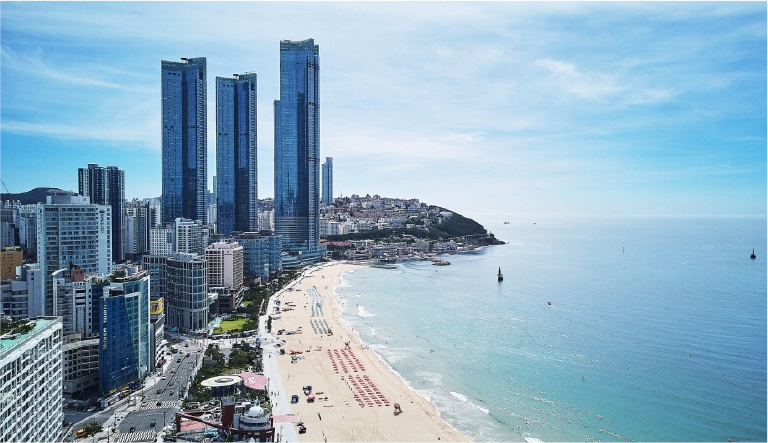
Haeundae Beach is Korea’s most representative beach! Haeundae Beach is unlike other beaches in Korea in that the sandy shore stretches between the sea and tons of tall buildings, creating a beautiful view that becomes even more stunning when the sun sets!
The area around Haeundae Beach also has plenty of attractions, including Busan X the SKY observatory, Haeundae Blue Line Park, and the lush forest of camellia and pine trees on Dongbaekseom Island.

Gwangalli
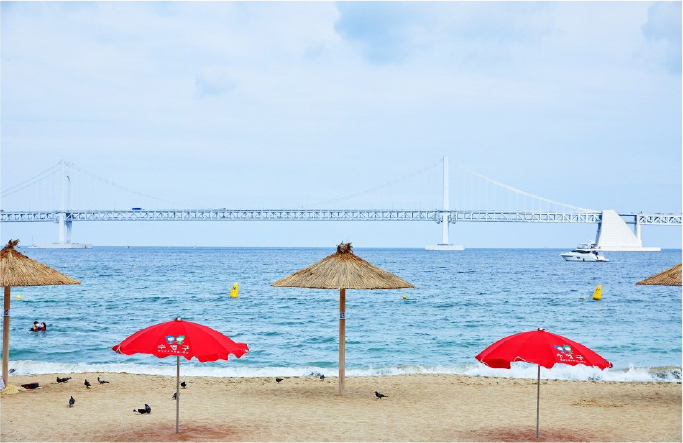
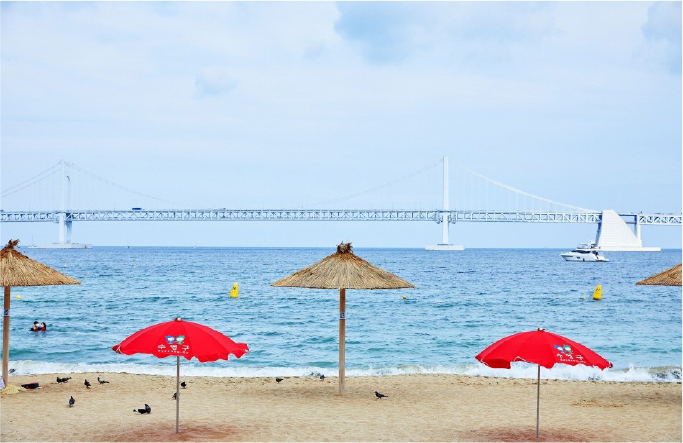
Gwangalli Beach is unique in that the horizon appears to be doubled, due to Gwangandaegyo Bridge. The beach is easy to reach using public transportation, and is surrounded by fun things to do, drawing in a steady stream of visitors.
Gwangalli Beach is even more beautiful at night, with the lights of Gwangandaegyo Bridge twinkling on the horizon. On Saturdays, you can see Korea’s largest drone show, the Gwangalli M Drone Light Show. The beach is also the venue for the annual, must-see Busan Fireworks Festival.

Uljin
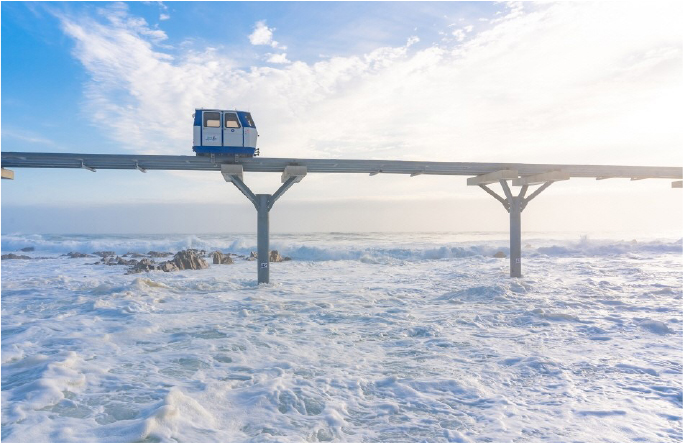
For a truly unique beach experience, hop aboard the Jukbyeon Coast Sky Rail, one of the 100 Must-Visit Tourist Spots for 2023-2024. The monorail covers a course of 2.8 km, showing interesting points such as “Heart Coast,” named for its double-curved coastline, a famous filming site, and a lighthouse. Stop by the nearby Jukbyeon Port for fresh seafood.

In Gangwon State

Gangneung
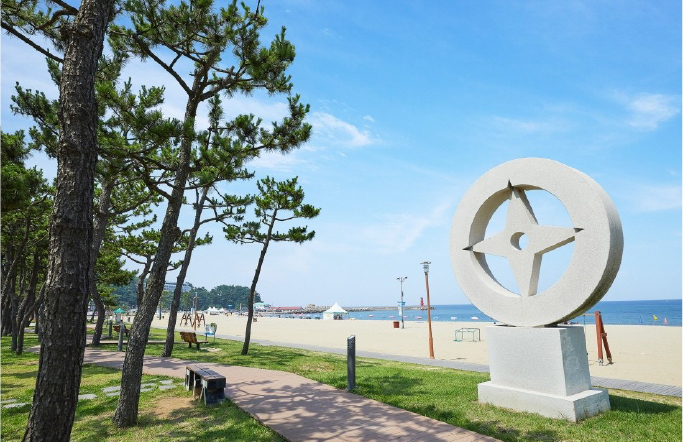
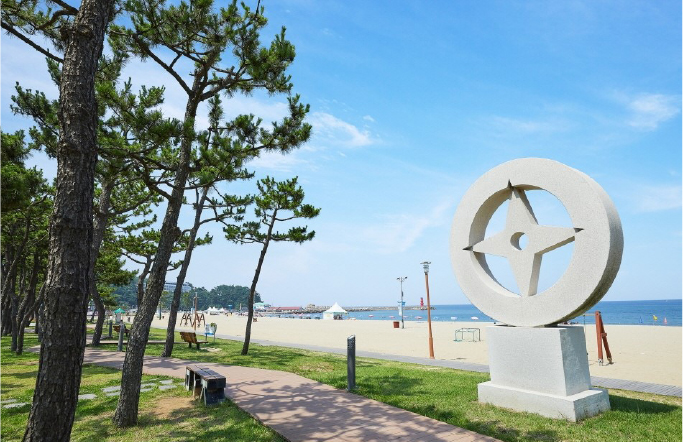
The lush forest of pine trees that grows along the sandy shore makes Gyeongpo Beach charming. Enjoy a leisure stroll on the deck walking trail as it waves back and forth between the sand and the pine forest. There are also many facilities for tourists, including restaurants, accommodations, and even campgrounds, making this beach popular among younger travelers.
Anmok Beach is well-known thanks to its proximity to Gangneung Coffee Street. The street is lined with coffee shop after coffee shop, each with its own unique ambiance. The street itself is so popular, it has been listed on KTO’s 100 Must-Visit Tourist Spots in Korea many times! The cafés all face the beach, offering great views from their second-floor seating and higher.

Sokcho
Sokcho Beach is popular among visitors all year round with a range of attractions, including a walking trail through a pine forest, flower paths, and photo spots. It is also extremely easy to reach on foot, just a five-minute walk from Sokcho Express Bus Terminal, making it a top pick for tourists. This short distance means you can also enjoy the tasty foods that are available in downtown Sokcho.
The Sokcho Eye, a 65-meter-tall Ferris wheel, is another attraction of Sokcho Beach. The first Ferris wheel in Korea to be built next to the beach, it offers views of the ocean to one side and Seoraksan Mountain to the other. At night, enjoy the LED performance as it lights up the beach.

Yangyang
Naksan Beach is known as the beach that BTS member V visited. It’s a great spot to visit if you enjoy walking, as there is a forested trail that follows the 2-kilometer-long beach. The beach itself has a shallow bay, suitable for swimmers of all ages. Vacationers can enjoy a comfortable trip with surrounding amenities including cafés, convenience stores, restaurants, and accommodations. If visiting, be sure to include a stop at the nearby Naksansa Temple, one of the Eight Scenic Sites of Gwandong.

On Jeju Island

Hamdeok
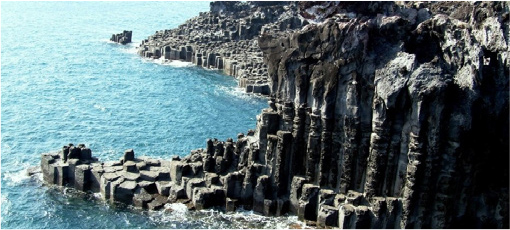
Hamdeok Beach is one of the best beaches to see the beautiful emerald-colored sea around Jeju. The beach is popular among locals because of its fine sand and shallow waters. Seoubong Parasitic Cone rises up next to the beach to create a special landscape; in spring, the hillside is covered in yellow canola flowers. If you follow the walking trail up Seoubong, you can take in the full view of the area, including the restaurants, cafés, and hotels that stand next to the beach.
After fun at the beach, enjoy a refreshing drink at a nearby café. Café Delmoondo in particular stands right on the beach with ocean-view seating. They roast their own coffee beans and offer a range of desserts. The outdoor terrace is also a great photo spot!

•The above article is courtesy of VisitKorea, the official website of the Korea Tourism Organization (www.visitkorea.or.kr)  


korean-electronics.com | Blog Magazine of korean electronics, brands and Goods
Palace Walking Course Where Culture Is Buried in Every Step

https://korean-electronics.com//inquiry

In the Gwanghwamun Gate area, records of 600 years of history remain intact among the huge forests of buildings. In particular, it is fun to look around the palaces and compare their different attractions as the major palaces are located in close proximity. Follow the walls of Gyeongbokgung Palace through Gwanghwamun Gate to Deoksugung Palace to find the traces of the Joseon dynasty, and walk along the Deoksugung Stone Wall Street to the Seoul Museum of Art to view modern and contemporary times. Walk along a trail filled with the scent of culture at every step.

Gyeongbokgung Palace Becomes a Holy Place for Tourists in the Center of Hanyang
Gyeongbokgung Palace, which is the center of the Joseon dynasty in the past and is now firmly guarding the heart of Seoul, has various attractions. Upon entering the palace, you will encounter Geunjeongjeon Hall, where important ceremonies were held. Next, the history of the Joseon royal family is intact: Sajeongjeon Hall, where people discussed political affairs; Gangnyeongjeon Hall, the king’s bedroom; and Gyotaejeon Hall, the queen’s bedroom. Gyeonghoeru Pavilion, where banquets were held against the backdrop of a beautiful pond, and Hyangwonjeong Pavilion, located in Secret Garden, are special attractions.
The Palace Royal Guard Changing Ceremony, Gwanghwamun Gate Guard on Duty Ceremony, and Gatekeeper Military Training are also held every morning and afternoon, so it is crowded with tourists every day. In addition to this, depending on the season, you can enjoy various programs such as the Saenggwabang experience, night opening, special viewing of the Gyeonghoeru Pavilion, and starlight night tour.

Gwanghwamun Gate: The Gateway Connecting the Best Palace of Joseon and the Center of Seoul
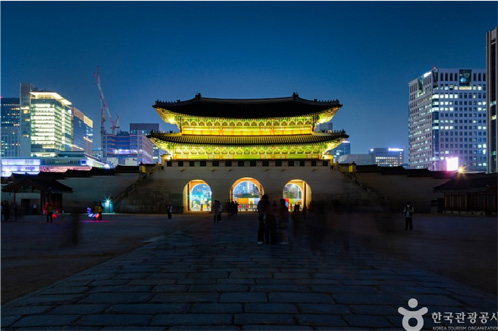
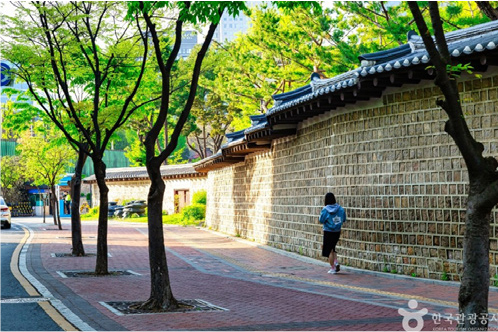
If you walk along the walls of Gyeongbokgung Palace, you will reach Gwanghwamun Gate, the palace’s main gate where the king used to go in and out. Gwanghwamun Gate, the only one with the Gwolmun style among the five palaces of the Joseon dynasty, has a splendid and magnificent spirit.
Gwanghwamun Gate is the gatekeeper that protects Gyeongbokgung Palace and is also the Ojakgyo Bridge that connects tourists to the plaza. The scenery of the quiet palace and the modern architecture soaring high in the sky harmonize with each other, creating a unique atmosphere.
Gwanghwamun Gate, a meeting place for visitors traveling around and a starting or ending point for tourists, boasts a splendid figure and stands in the center of Seoul.

Gwanghwamun Plaza: A Leisurely Cultural Walk in the Center of Seoul
Gwanghwamun Plaza does not require a long explanation. It is the first place that comes to mind regarding an excellent place to walk and a rest area in Seoul. The plaza, a cultural plaza connecting the past and the future, is a comfortable haven for Koreans and foreign tourists.
Passing through the wide lawn (Yukjo Madang) that symbolizes Yukjo Street of major government offices in the Joseon dynasty, you can see the statue of King Sejong the Great, the symbol of Gwanghwamun Plaza. It is full of attractions, such as Norimadang, where various events are held, and the waterway of time that connects the past and the present. Also, it has various resting areas with forests and shade: the pine tree garden, Time Garden, the four season garden, the cultural shelter, Gwanghwamun Citizens Square, and Gwangjangsup.
In addition, for the convenience of visitors, there is an information desk, restrooms, a resting room for children, a nursing room, a vending machine, and a drinking fountain, so you can enjoy a pleasant walk.

Deoksugung Palace: Emperor’s Palace with Fascinating Elegant Beauty
Deoksugung Palace contrasts with the splendor of Gyeongbokgung Palace. It’s not as splendid, but it’s full of elegant beauty. Walking a little outside Gwanghwamun Plaza, you can find Daehanmun Gate, the main gate of Deoksugung Palace, on your right. Modern Western-style buildings in harmony with the imperial palace of the Korean Empire come with a different attraction.
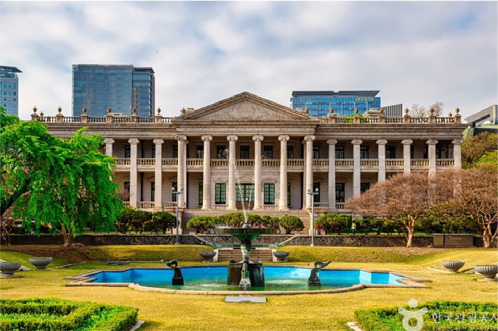
You can just walk through the quiet Deoksugung Palace, but it is also good to make a reservation for Seokjojeon Hall when you stop by. Seokjojeon Hall, which follows the neoclassical style of the 19th century, is a place where foreign envoys were received, and the interior is decorated with a Rococo style. The building consists of three floors, from the ground to the second floor. After restoration work in 2009, Seokjojeon Daehan Empire History Museum was opened in 2014 and continues to this day.

Deoksugung Stone Wall Street: The Romantic Place of Street Artists
There was once a myth that couples would break up if they walked along Deoksugung Stone Wall Street. This is because if you walked the street in the past, you would have reached the Seoul Family Court. This superstition was handed down because it was a path that couples who were going to divorce inevitably had to walk, but the superstition has disappeared into history.
Deoksugung Stone Wall Street is a street that runs along the wall of Deoksugung Palace for about 1 km. It has been transformed into a street of culture and art with a calm and romantic atmosphere. A street painter with an easel on one side of the winding stone wall street, a musician who plays passionately regardless of people passing by, and a magician who bring fantasy into reality for a short time are some of the you can see along the stone wall street of Deoksugung Palace.
Mixing in with the crowds of people watching and savoring the scent of art, walking along the street, immersed in the music behind you, you will feel like you have become a street artist.

Seoul Museum of Art: Cultural History and Art Connected like a Trail
The romance of Deoksugung Stone Wall Street leads to the Seoul Museum of Art. Located on one side of Jeongdong Street, the Seoul Museum of Art exudes a noble and elegant atmosphere. This is because a modern building was built while preserving the front of the Supreme Court building, which was built in a Renaissance style in the past.
The unique atmosphere of the building, the photo zone located at the museum’s entrance, and the artistic trails makes it even easier to take pictures. When the weather is good, many photographers can been seen in the area.
The reason why this place is enjoyable is that there is always free exhibitions. In addition, special exhibitions considering both professionalism and popularity are also presented, so it is like “Killing two birds with one stone” because you can enjoy the artwork while going on a walk. The Seoul Museum of Art’s “Docent” app is good to use when appreciating art the exhibition commentary.

1330 Korea Travel Hotline: +82-1330 (Korean, English, Japanese, Chinese, Russian, Vietnamese, Thai, Malay)

 
korean-electronics.com | Blog Magazine of korean electronics, brands and Goods

Korea Travel Cheat Sheet: 3 New Transportation Services

https://korean-electronics.com//inquiry

The language barrier at subway stations in Seoul has been knocked down! Hailing a taxi in Seoul is as easy as in your home country! All your questions about using a public bicycle are easily answered by a helpful chatbot! Urban travel in Korea is going to be easier than ever in the New Year, thanks to three new transportation services that were released at the end of 2023.

Real-time Interpretation System using AI technology │ Released December 2023

What is it? A service at Seoul subway stations that uses AI technology to provide real-time interpretation into 13 different languages.
Is it possible for people from different countries to speak in their native language and still communicate? With the new Real-time Interpretation Service at Seoul subway stations, it is! The system uses AI technology to interpret the conversation between foreign tourists and the Korean staff at the subway station. For example, a Chinese tourist can ask how to get to Yongsan Station in Chinese, and the Korean station worker will reply in Korean.
So how does it work? A mic is connected to a see-through touch screen that displays the words spoken. After the tourist asks a question in their own language, their question is translated into Korean and appears on the monitor for the Korean station worker to see. The staff can then respond in Korean and their reply will be translated into the language spoken by the tourist automatically using AI. Because the AI translates the spoken words immediately, there is no delay in communication. The touch-screen can also be used to look up information on T-locker and T-luggage, storage systems in place for tourists.

How to use | Select a language from the start screen → Speak into the microphone → Read the translated reply from the station worker
Supported languages | Korean, English, Japanese, Chinese, Vietnamese, Thai, Malay, Indonesian, Spanish, French, German, Arabic, Russian (13 languages total)
Location | Customer Support Center, Myeongdong Station (Seoul Subway Line 4)

  • Machines to be added to Seoul Station, Itaewon Station, Gimpo Airport Station, Gwanghwamun Station, and Hongik Univ. Station in 2024

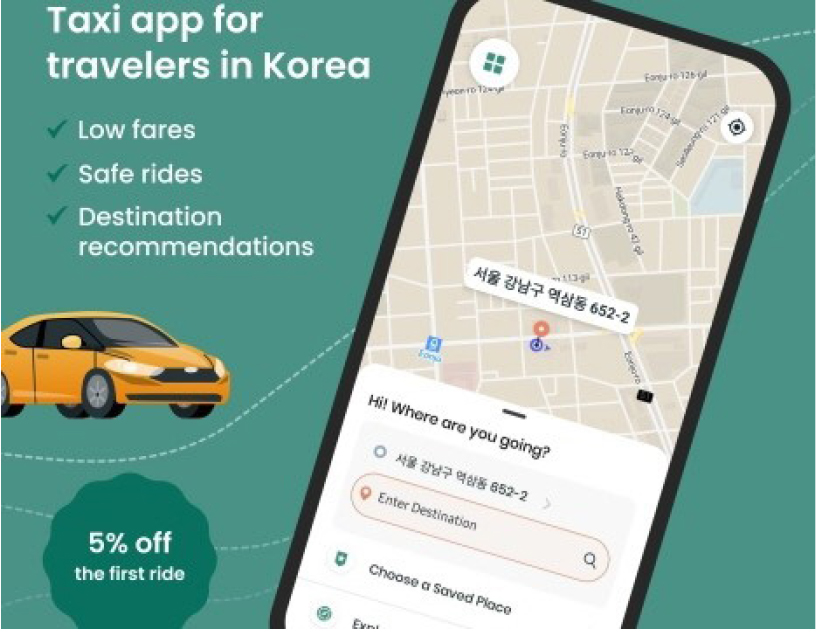
Foreigner-exclusive taxi app TABA | Released December 2023

What is it? | TABA is an app made exclusively for foreign tourists to make hailing taxis easier and more convenient in Seoul.
“Get a taxi in Korea.” That’s the catchphrase of TABA, a foreign tourist-exclusive taxi hailing app. Other taxi apps have a number of inconveniences and stumbling blocks for foreign visitors, from requiring a Korean phone number to register to only allowing payment with bank cards issued in Korea. TABA has approached it differently to remove all obstacles!
TABA is available in five languages, with user verification possible using one’s cell phone number from their home country, and payment accepted via international card (VISA, MASTERCARD, UnionPay, DISCVOER, AMEX, etc.). Because the app was created with the support of the Seoul Metropolitan Government, the app is also able to provide some great fare rates! The app can be downloaded from Google Play or the App Store.

How to use | Download the app and create an account → Verify identity using phone number from home country → Input a destination → Confirm the distance & rate before selecting a taxi type (standard, spacious, luxury) → Pay taxi fare before boarding using an internationally issued bank card
Language support | English, Japanese, Simplified Chinese, Traditional Chinese, Thai (5 languages total)

  • Vietnamese, Indonesian, and Russian planned to be added early 2024
    TIP. Discount event
    o All first-time users will receive a 5% discount on their first trip. The discount coupon is automatically applied after making an account on the app.

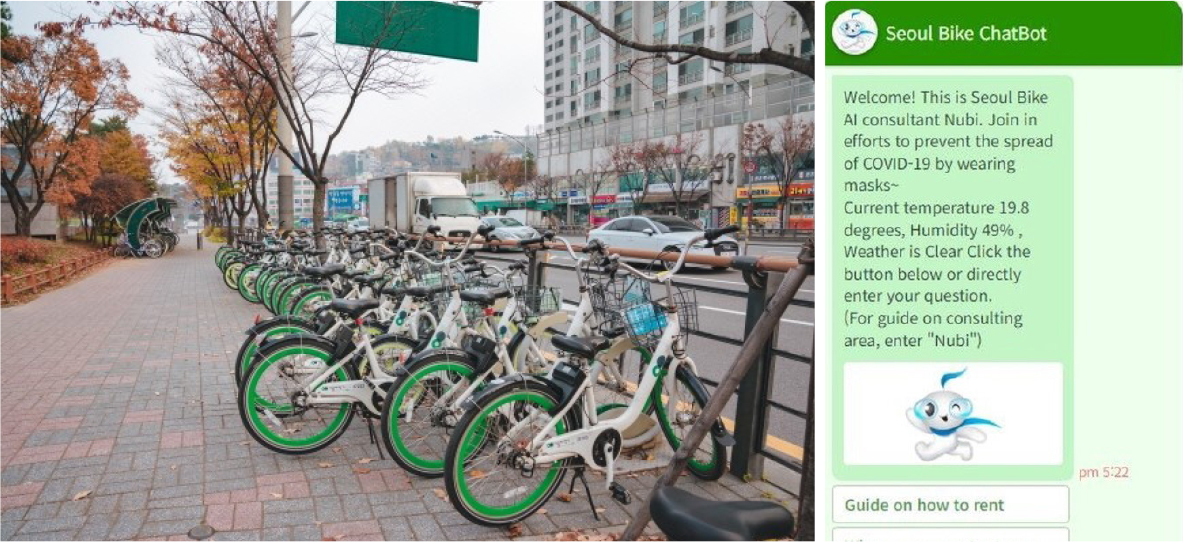
English chatbot service for Seoul’s public bicycles, Seoul Bike | Released November 2023

What is it? | Get answers to all your questions about Seoul’s public bicycles, Seoul Bike , through the English chatbot.
It won’t take long walking around Seoul before you’re bound to spot bicycles with green tires. These are none other than Seoul’s public bicycles, Seoul Bike. An estimated 50,000 foreigners used Seoul Bike last year, leading to the addition of English service on the Seoul Bike ChatBot.
The chatbot can answer all your questions, like how to use the bicycles and fixing payment issues. No matter what question you have when using Seoul Bike, simply ask the chatbot or find it in the related menu for quick and easy answers. The Seoul Bike app can be download from Google Play or the App Store.
In addition, the app is also connected with 120 Dasan Call Center, Seoul’s hotline, so users can easily get connected to assistance. Dasan Call Center can provide interpretation service between users and the team in charge of Seoul Bike inquiries.

How to use | Download the Seoul Bike app → Create an account and log-in → Select “Foreigner” on the main page and then purchase a voucher → Select a bicycle from the map → Select “Rent a bicycle” and then scan the QR code on the bicycle → Enter your questions in the chatbot or check the FAQ section
Language support | English

  • Chinese and Japanese to be added at a later date
    TIP. How to buy a Seoul Bike Voucher
    o Single day use tickets are available to Koreans and foreigners alike through the Seoul Bike app, but foreigners can also get a voucher if they use the foreigner-exclusive Discover Seoul Pass. Simply register your pass code in the Seoul Bike app to get your voucher.

More info
o 1330 Korea Travel Helpline: +82-2-1330 (Korean, English, Japanese, Chinese, Russian, Vietnamese, Thai, Malay)


korean-electronics.com | Blog Magazine of korean electronics, brands and Goods

Do You Know Gimbap? The K-food that Enchanted the World

https://korean-electronics.com//inquiry

Korea has plenty of tasty dishes, but if Koreans had to pick one as their soul food, nine times out of ten, it will be gimbap. From childhood memories of their moms preparing it for picnics, to cheap yet filling fast food when they were students, gimbap has come a long way. The versatility of gimbap has also allowed it to spread worldwide, with frozen vegetable gimbap available at Trader Joe’s in America quickly selling out. Keep reading to learn more about this tasty food, including top restaurants and foods that go great with gimbap.
 

Gimbap that captured the world

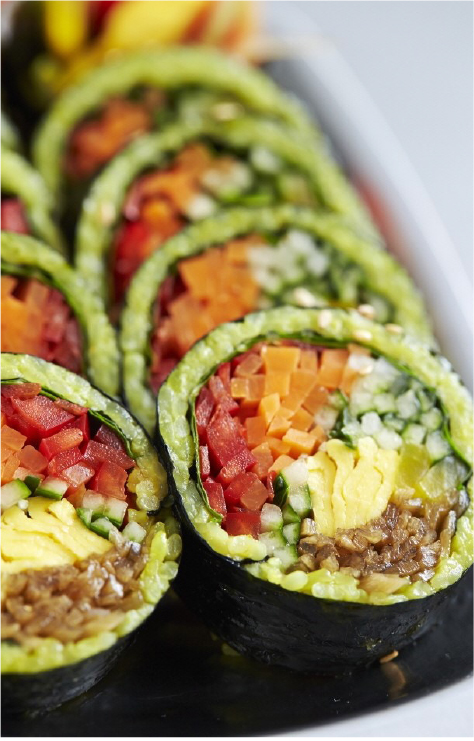
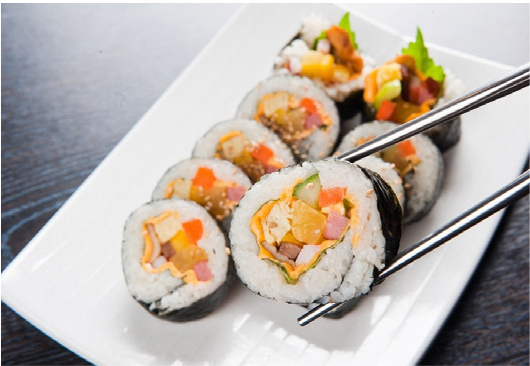
In simple terms, gimbap is a food made by rolling rice and a variety of ingredients in a sheet of laver before slicing into bite-sized pieces. Because the ingredients are highly customizable, gimbap can be made to anyone’s taste, whether it’s beef gimbap, tuna gimbap, or even vegetable gimbap. This last one is especially popular among vegetarians because there is no meat included.

Gimbap to your taste

The flavor of gimbap can easily be changed depending on the ingredients used, the amount of rice, and even if there is a sauce or not. Have you found your favorite gimbap flavor or gimbap shop yet?

Vegetable gimbap | This basic gimbap is filled with vegetables like carrot, spinach, cucumber, ueong (burdock root), and pickled radish. Some shops will put in more exotic vegetables like broccoli or avocado. No matter which vegetables are added, the crunchy texture of the vegetables makes this gimbap variety stand out.

Tuna gimbap | The main ingredient in this gimbap is tuna mixed with mayonnaise. The savory taste of the tuna goes great with the strong flavor of perilla leaves, with many shops layering this ingredient between the tuna and the rice. The salty tuna is balanced out by the other fillings, making tuna gimbap a steady-seller.

Cheese gimbap | This gimbap sees the addition of a cheese ingredient, such as cheddar cheese or cream cheese. The creamy texture of cheese makes this gimbap special. If you get the chance, be sure to try mozzarella cheese gimbap when it’s warm; the cheese melts all through the ingredients for a burst of flavors.

Egg gimbap | This gimbap stands out from the rest by using egg in place of the rice. This simple change replaces carbohydrates with protein, making this a great choice for people following a Keto diet. The thick egg wraps around the other ingredients for a tasty bite that is extremely filling.

Korean’s go-to meals with gimbap

1) Enjoy with ramyeon or udong
Gimbap goes especially great with noodle dishes with a broth, like ramyeon or udong. The broth especially helps keep your mouth from feeling dry when eating rice. Many gimbap restaurants also provide udong broth free of charge. Ramyeon can provide a bit of spice that’s missing from eating gimbap alone.

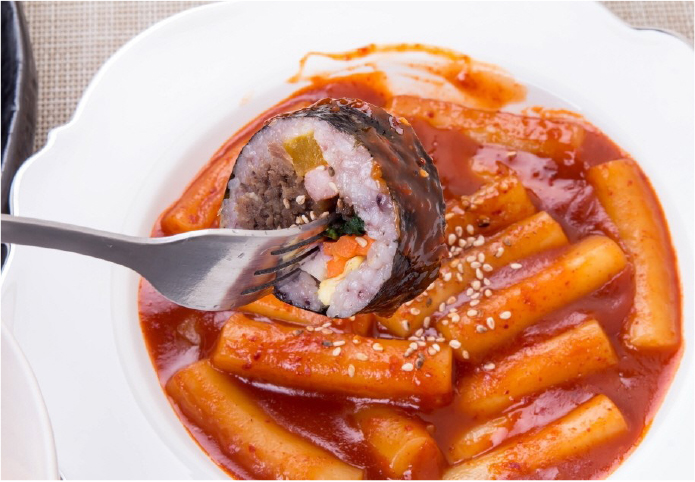
2) Dip in tteokbokki sauce
Like dipping tortilla chips in salsa, Koreans enjoy dipping gimbap in tteokbokki sauce. The spiciness of tteokbokki soaks into the rice for a deep flavor.

Recommended gimbap restaurants

Kobongmin | One of Korea’s gimbap chain restaurants, their best-sellers are the savory tuna gimbap and the dongaseu gimbap with a strip of crunchy pork cutlet in the middle. Lacto-ovo vegetarians can enjoy the baggoji (dried shavings of calabash gourd) gimbap. They also sell many other popular street foods that go great with gimbap.

Otto Kimbap | Getting its start in Itaewon, Otto Kimbap has spread throughout the Seoul and Gyeonggi-do areas. When visiting this restaurant, be sure to order gimbap and dak-gangjeong (deep-fried and braised chicken) together. In particular, the wasabi gimbap is the perfect counterbalance to the chicken’s seasoning.

Namdaemun Tongtong Gimbap | This gimbap shop has been operating in Namdaemun Market for a long time. Famous for their rice-to-ingredient ratio of 1:9, the gimbap here is bursting at the seams. One roll is enough to fill you up so be sure to pick your menu carefully. The most popular options are the healthy brown rice gimbap and the spam egg gimbap. If there is an ingredient you don’t like, you can also easily have it removed when placing your order through the kiosk.

Selermari | This restaurant became famous for vegetarian gimbap that is both healthy and visually pleasing. Popular menus include the spinach and soy bean paste gimbap, made with seasonal spinach, green onion, and Korean chili pepper mixed in soy bean paste, and the egg strip gimbap filled with thick egg strips. If you like spicy foods, be sure to try the mushroom gimbap; it packs a punch!

Ways to enjoy leftover gimbap

1) Gimbap jeon (gimbap pancake)
Gimbap jeon is the best way to enjoy gimbap that has gone cold. Simply coat your gimbap in eggs and then fry in a frying pan with a bit of oil. When the egg is all cooked and sunny yellow, enjoy your tasty treat!

2) Gimbap fried rice
Another way to enjoy leftover gimbap is by mixing it up and stir-frying it. For a more flavorful dish, try frying some green onion and scrambling an egg before you add in the gimbap.


korean-electronics.com | Blog Magazine of korean electronics, brands and Goods
5 Signature Foods Made for Traditional Korean Holidays

https://korean-electronics.com//inquiry

During traditional holidays in Korea, the whole family gathers together and makes special foods to place on the table for the ancestral memorial ceremony. These foods serve to unite the family unit, with each food having a special meaning such as happiness, longevity, or financial success. To celebrate these holidays like a Korean, try making one of these signature Korean holiday foods and sharing with your family!

Jeon
Jeon is a savory pancake made by coating the ingredient of choice with a light flour batter and then frying it in a pan with some oil. The ingredient used will completely change the taste. A variety of jeon can be seen during Korea’s holiday seasons, but you are almost guaranteed to see kimchi jeon (kimchi pancake), haemul pajeon (seafood and green onion pancake), gogi wanja jeon (pan-fried battered meat balls), kkochi jeon (pancake skewer), and gamja jeon (potato pancake). Outside of the holiday period, if you want to try some delicious jeon, head to a jeon specialty street. Near Hoegi Station on Seoul Subway Line 1, you can find plenty of restaurants selling thick haemul pajeon on Hoegi Station Pajeon Street. For a range of jeon, visit Mapo Jeon Street, located near Gongdeok Station on Seoul Subway Lines 5 & 6.

Japchae
Japchae is yet another dish that is often present during festive days in Korea. Japchae is a compound word of the Korean words “jap” meaning mix, and “chae,” from “chaeso” which means vegetable. In reality, japchae also includes meat, mushrooms, and glass noodles, and is stir-fried with a soy sauce-based marinade. While the ingredients complement each other when mixed together, they must first be chopped and fried separately, requiring a lot of work. While parents prepare the japchae, it is not uncommon to see their children waiting around for a bite of the tasty dish.

Mandu
Mandu are dumplings made of a flour-based shell filled with a range of minced ingredients such as meat, vegetables, or kimchi. In addition to the range of possible fillings, mandu can also be prepared in a few different ways: in a soup, boiled, steamed, or fried. On Seollal (Lunar New Year’s Day), many families add mandu to their bowl of tteokguk (sliced rice cake soup). The ingredients go well together, and mandu was used as a symbol representing the wish for a peaceful new year during memorial services. There are many mandu specialties throughout the country. In Seoul, Jaha Sonmandu makes a hearty mandu soup, while Wonju’s Wonju Kimchi Mandu has famously plump kimchi mandu, and Daegu’s Miseongdang offers flat mandu filled with just glass noodles and chives.

Tteokguk
On the morning of Seollal, Koreans make a wish for the New Year, greet their elders, and eat tteokguk (sliced rice cake soup)! While there are slight variations by region, the standard tteokguk is made by cutting a long rice cake stick into thin slices and then boiling them in a beef broth. Before serving, the soup is topped with egg garnish and seaweed flakes. The white rice cakes and broth represent starting out the New Year with a clean slate, while the long rice cake stick and round slices symbolizes longevity and prosperity, respectively. Koreans will also say “I ate one bowl of tteokguk” to say they got one year older, as Koreans previously counted ages as starting on the first day of the year.

Songpyeon
When talking about Chuseok, songpyeon is the first food that comes to mind. Songpyeon is a type of rice cake made during Korea’s harvest period with the year’s new grain. The rice cakes are placed on the charyesang (ancestral rites table) as a symbol of thanks for the results of the year. Although families in the past would gather and share their well-wishes for each other while making these rice cakes, these days many families buy them pre-made from rice cake shops. The rice cake is made using a dough of freshly harvest rice, and filled with beans, red beans, sesame, chestnuts or other nutritious ingredients and then steamed. The rice cakes get their name and signature scent from being steamed over a bed of pine needles (“song” means pine in Korean).


korean-electronics.com | Blog Magazine of korean electronics, brands and Goods
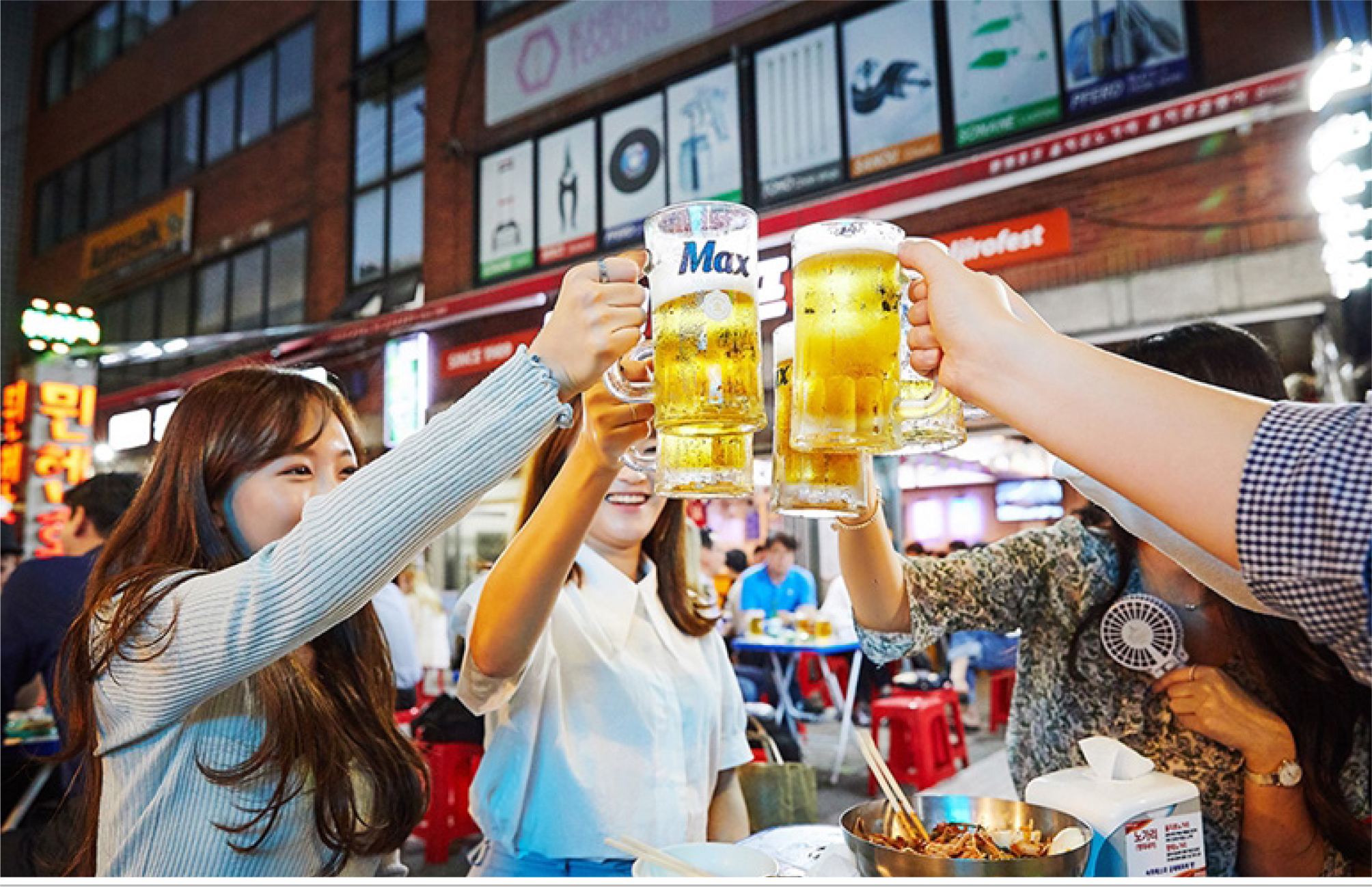
Experience Jeju at a Leisurely Pace

https://korean-electronics.com//inquiry

One of the main reasons people go on vacation is to get rid of stress. The stress-relieving powers of simple things such as enjoying a good meal or buying some new shoes are amplified when on vacation! Everything tastes better and looks better, even your home. Jeju Island is the perfect place to relax, with a natural environment, delicious local foods, and unique shopping opportunities. Set out now for your very own stress-relieving trip to Jeju-do!
There are a number of smaller islands around Jeju, including Udo and Marado Islands. These days, Gapado Island, the fourth largest island, has become a popular day-trip destination. The island resembles a swimming ray when seen from above. The island is most visited during spring, when the fields of green barley are waving in the sea breeze.

Setting off for Gapado Island
The ferry to Gapado Island departs from Unjinhang Harbor in Hamo-ri, Seogwipo-si off the southwest coast. The ferry from Unjinhang Harbor operates from 09:00 to 16:00, although the last ferry back from Gapado Island is at 16:20. Tickets are purchased as a round-trip set, so if you leave after 15:00, you’ll have to spend the night on the island and return the next morning. Tickets must be purchased at least 40 minutes before departure, in order for all passengers to be recorded. On-site ticket purchase is available but you may have to wait a few hours until the next ferry if you visit during the peak season. It’s recommended to reserve tickets in advance, either online or over the phone. Foreigners must submit their passport for verification when purchasing or picking up their ticket on-site.

Fun on Gapado Island
The best way to see all the island has to offer in a short amount of time is by renting a bicycle. The bike rental is located right at the harbor, so you can’t miss it! There are both regular and tandem bicycles for rent, at a rate of 5,000 won and 10,000 won respectively. Payment is only accepted in cash, so be sure to plan ahead if you want to rent one.
There is a circular road around the coast of the island that offers beautiful sights of the sea, but don’t forget the interior of the island. One place you must see is Somang Observation Deck. Located at the highest point of the island, both Marado Island to the south and Hallasan Mountain to the north can be seen from the observation deck. The railings of the deck are decorated with many ribbons with wishes and hopes, somang in Korean, written on them, giving the location its name.
Another attraction on the island is Pang Gallery, dedicated to the unique painting style of women in the Mithila region of the Indian subcontinent. The art is created with natural dyes and pigments, using fingers and twigs as brushes. The paintings generally focus on nature, daily life, or Hindu gods and goddesses.

Eat your stress away

Special treat of the island
There are a number of local specialties on Gapado Island, foremost of which is green barley ice cream! This soft serve ice cream is popular among all ages, and the pale green color makes for beautiful photos. The ice cream can be ordered in a cup or cone, both of which are served with a small ppeongtwigi (rice puff) snack.
Other snacks on the island include green barley makgeolli (rice wine) and green barley misutgaru (roasted grain drink). All these treats can be found at the convenience stores and snack bars around the harbor. We recommend buying snacks to enjoy while you wait for the ferry to return.

Pier 22
Being an island, it’s obvious that some of the best foods you’ll find in Jeju are seafood dishes! If you’re looking for a dish favored by locals, try the red-banded lobster jjim (steamed lobster) from Pier 22 near Geumneungeutteum Beach. Red-banded lobsters are a unique species of lobster with a hard, sharp shell, found only the in southern sea around Korea. Because of the hard shell, the restaurant gives each diner a small wooden hammer to crack the shell! The sweet lobster meat tastes great dipped in ranch dressing.

Umu Pudding
Umu Pudding is a special dessert found only on Jeju Island! The name umu comes from the Korean word for red algae, umutgasari. When it is boiled, it releases a gelatin substance, known as agar. The red algae used at Umu Pudding is harvested by haenyeo, female divers of Jeju. You can choose from three flavors, the standard custard, matcha-flavored, or chocolate pudding. The shop also sells products with an Umu character design that make for great souvenirs. Before leaving, be sure to get a few pictures of the sweet interior!

Black pork
The most famous food from Jeju is heukdwaeji, otherwise known as black pork! Jeju’s local black pigs have played an important part in the history, culture, and livelihood of the island. Grilled black pork tastes best after being dipped in meljeot (salted anchovy) for about 20 seconds. To eat like a Korean, wrap the meat and some pamuchim(spicy spring onions) in a lettuce or perilla leaf.

Pork noodles
You can eat guksu (noodles) anywhere in Korea, but gogi guksu (pork noodles) is a specialty of Jeju! Each bowl is filled with noodles and pork slices for a filling meal. The pork adds to the powerful flavor of the broth. The dish is served plain but chili pepper powder can be added to taste. Even if you add a lot to make it super spicy, the broth maintains its flavor.

Beltfish & mackerel dishes
Before leaving Jeju, you have to try galchi (beltfish) or godeungeo (mackerel). These two fish can be served a variety of ways, although the most common are stewed and fried; spicy stewed beltfish is the most popular. The taste of stewed beltfish will vary slightly by restaurant, but they are all marked by their strong seasoning. The spicy yet slightly sweet flavor is addicting! Most restaurants in Jeju use a local silver beltfish, which has an even stronger taste. Radish and potatoes are also stewed with the beltfish for a full meal.

Retail therapy

Sumokwon Night Market
Sumokwon Night Market is the latest trending location for nightlife in Jeju! Located near Halla Arboretum, the market draws in as many tourists as the popular night markets in Seoul. The entire area is decorated in cute photo zones and features both local specialty products and handmade items. Purchase some of the foods available from the food trucks, such as giant turkey drumsticks, black pork ribs, or fresh pineapple juice, to quench any late-night cravings!

Jeju Local Products Exhibition & Sales Market
Jeju has developed a unique culture due to being so far separated from the Korean peninsula. Thanks to this, there are plenty of local products that will please anyone who receives one as a gift! The best place to visit for these special souvenir items is the Jeju Local Products Exhibition & Sales Market. The market has over 2,200 items created by 138 individual shops! You’re sure to find something for everyone here; just be sure you don’t forget a gift for yourself!

More info

▶ 1330 Korea Travel Hotline: +82-2-1330 (Korean, English, Japanese, Chinese, Russian, Vietnamese, Thai, Malay)

The above article is courtesy of VisitKorea, the official website of the Korea Tourism Organization (www.visitkorea.or.kr)


korean-electronics.com | Blog Magazine of korean electronics, brands and Goods
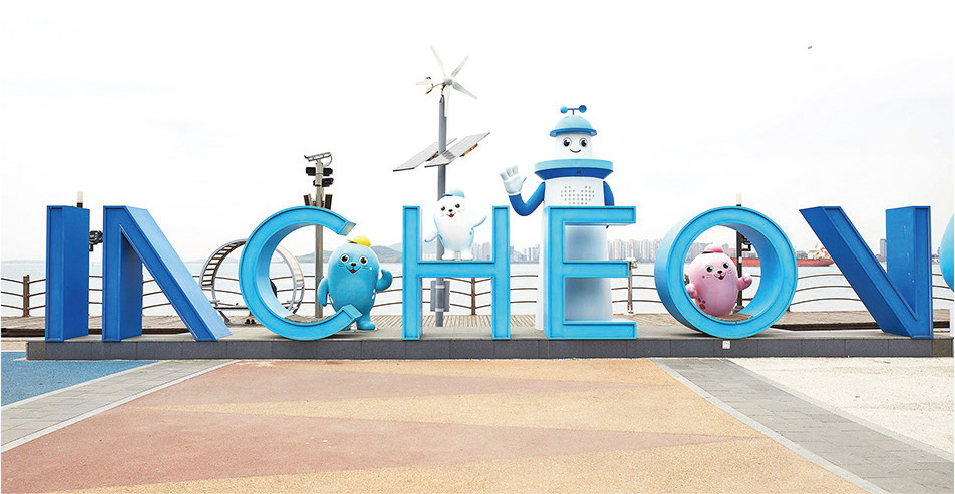
Five Hiking Courses in Seoul for All Skill Levels

https://korean-electronics.com//inquiry

Seoul isn’t just home to millions of people, it’s also home to many mountains both large and small. Everywhere you look, the skyline of Seoul’s tall buildings is backed by undulating mountain ridges. From the peaks of these mountains, you can see the whole of Seoul unfold before you.
The mountains around Seoul have an average height of 410 meters, making them quite low and easy for hikers of all skill levels. The mountains are also the perfect place to enjoy Korea’s changing seasons. Especially in summer, you can enjoy the cool breeze that blows through the shaded valleys. Another attraction of the mountains is how easily accessible they are via Seoul’s extensive public transit system, with most hiking paths starting just a short walk from subway station exits. To enjoy a bird’s-eye-view of Seoul while in peaceful nature, select one of the courses below, available in various difficulty levels.

Hanyangdoseong, Seoul City Wall (Naksan Section 2.1 km) | Walk through History
1396 to protect Hanseong, the then-capital city of Joseon. Currently, the old city wall in located in the middle of Seoul, and is divided into six sections. Among these, the Naksan Section is the easiest course, and offers stunning nightscape views, making it a popular choice. You can receive a commemorative badge if you walk all six sections of Hanyangdoseong and collect stamps at the designated spots.

Inwangsan Mountain (338.2 m) | Panoramic view of Seoul
Standing atop Inwangsan Mountain is like standing in the middle of Seoul due to its location in Jongno-gu, near the center of the city. The hiking trail even starts from the middle of the city, near Gyeongbokgung Station! The path is well maintained, and is short enough that even the most inexperienced hiker can reach the summit in no time. If you’re visiting with young children or someone who has walking difficulties, the Inwangsan Jarak Trail (2.5 km / 1 hr) that circles the mountain is a great choice.

Cheonggyesan Mountain (618 m) | Stairway to Heaven
Cheonggyesan Mountain is jokingly called “cheongaesan,” a Korean play on words in reference to the thousand (“cheon gae”) stairs you must climb to reach the summit. While there aren’t actually one thousand stairs, the mountain does seem to have an endless supply of them.
Kkalddakgogae Pass in particular was named for the sharp sound of breathing you’ll produce after climbing up the steep staircase here. But if you can make it past that section, the summit will be just before you. During the summer months when it rains often, the sound of water babbling in the valley brook will keep you company.

Gwanaksan Mountain (632 m) | Path of many ups and downs
Gwanaksan Mountain isn’t that large in the grand scale of mountains, but it is quite a strenuous hike, requiring adequate warm-up before starting out. You’ll also want to be equipped with proper hiking boots. The trail begins with a rather flat walk, but quickly leads to repeated ups and downs as you follow the ridge line of this rocky mountain. Preparing gloves or hiking sticks can make your walk easier. If you enjoy an active lifestyle, you may even come to enjoy the roller-coaster-like walk.

Dobongsan Mountain (740 m) | Beautiful stone peaks
Dobongsan Mountain is located on Seoul’s northern side, bordering Uijeongbu and Yangju in Gyeonggi-do. The mountain stands out for its many rocky peaks, ranging from softly rounded to sharp points. While the mountain is smaller than Bukhansan Mountain, the rocky terrain makes it a much more difficult hike. Despite this, hikers often say the hardships at reaching the summit are all but forgotten when they take in the view from the majestic rocky peaks.


korean-electronics.com | Blog Magazine of korean electronics, brands and Goods
Enjoy the Hangang River to the Fullest

https://korean-electronics.com//inquiry

The Hangang River, a piece of nature within the city, is a popular recreational area for Seoulites. There are many parks along the river, making it an ideal place for a picnic, as well as other activities such as watching the fountain show. Why not spend a day like a local and enjoy everything by the river?

Go on a Picnic

Hajodae Scenic Point
The Hangang River is a representative picnic spot in Seoul. There are many rental shops that offer tents, mats, tables, speakers and more, so you don’t have to prepare too much in advance. Convenience stores within the park also offer picnic essentials for sale.

Picnic on the Water
Enjoy a BBQ on the Hangang River at Waikiki Market in Nanji Hangang Park. If you order a set menu, you can get your choice of beef or pork with various side dishes, grilled skewer ingredients, and bottled water and you can grill the meat over charcoal on your own. Enjoy a delicious meal with an unhindered view of the river in daytime and a beautiful sunset and nightscape scenery during nighttime.

Must-Eats in Hangang
One of Koreans’ favorite combos, chicken and beer is a must-eat menu for an ideal picnic at a Hangang Park. There is a chicken franchise within Yeouido Hangang Park and Banpo Hangang Park for a quick pick-up. Ordering a boneless chicken will make cleaning up after easier as all you need is a fork for to enjoy the savory taste.
Instant ramyeon is another must-eat at a Hangang Park. It is easy to find ramyeon anywhere in Korea, but the clear view of the river makes the meal all the more special. A special ramyeon cooking machine makes cooking ramyeon in Hangang Park even more unique. The instructions with pictures are easy follow, so be sure to try this tasty meal.

Fun Activities Await

Bike Ride
Bike trail along the river makes it easy for anyone to go on a fun bike ride. There are many bike rental shops within the Hangang Parks. Just put your ID or passport on deposit and rent your choice of bike, available in single, double, or kids-friendly seats.
DDareungi, a public bike rental offered by the Seoul Metropolitan Government, can be rented and returned using a mobile application. An exclusive foreigner rate is available on the official website where travelers can purchase the ticket online and use it in any of the rental shops.

Water Sports
Activities to cool off the summer heat is always welcoming. To experience various water activities, head to Jamwon Hangang Park. Water sports including waterskiing, wakeboarding, paddle boarding, kayaking, and windsurfing as well as other activities such as banana boats and peanut boats are available with lessons for beginners. Ttukseom Hangang Park also offers paddle board, windsurf and kayak rentals. If you’d prefer a yacht tour, head to Banpo Hangang Park.
The Hangang Park outdoor swimming pools located in the city are not only easy to get to, but also affordable. Currently, there are four outdoor swimming pools (Yeouido, Ttukseom, Jamwon, Gwangnaru) and two water playgrounds (Nanji, Yanghwa) that offer their own unique theme and atmosphere. Yeouido outdoor swimming pool is the representative pool of Hangang Park with a capacity of 3,600 people, while Ttukseom outdoor swimming pool offers a lazy river pool. Nanji water playground has an infinity pool designed to look as if it’s connected to the Hangang River. Swimming pools and water playgrounds only operate during summer season.

Wrap it up with a Night Tour

Moonlight Rainbow Fountain
The most well-known nightscape spot among the many Hangang Parks is the Moonlight Rainbow Fountain by Banpodaegyo Bridge. The colorfully lit water dancing to fun music will leave spectators in awe. The fountain nozzles are installed in a row on a 1,140 meter-long bridge and was registered in the Guinness Book of World Records as the world’s longest bridge fountain in 2008.

Night Market
The night at Hangang Park comes alive with the night market. Food trucks line the road with foods from around the world and you’ll also find various handmade goods that make for an excellent souvenir. There are also many events and performances that make a trip to the Hangang Moonlight Market much more entertaining.

Hangang Cruise
The view of Seoul on a cruise is a sight to behold. There are three main options available: Sunset Cruise, for viewing sunset that colors Seoul in a hue of red; Starlight Cruise, for soaking up the evening atmosphere by the river; and Moonlight Music Cruise, where you can enjoy the nightscape with live music. Cafeteria within the cruise provides food and drinks for sale for those looking for a grub. You can get on the cruise at the dock within Yeouido Hangang Park.


korean-electronics.com | Blog Magazine of korean electronics, brands and Goods
Head to Yangyang, Korea’s Surfing Paradise

https://korean-electronics.com//inquiry

Head to Yangyang, Korea’s Surfing Paradise

Yangyang in Gangwon-do is a popular summer retreat among Koreans for its beautiful coastal scenery. In particular, it became known as a hot spot among surfing enthusiasts after the opening of a beach exclusively for surfing! Head off for a hot summer full of fun at Yangyang’s Surfyy Beach!

Surfyy Beach

HSurfyy Beach in Yangyang is the nation’s first surfing-only beach, stretching around 1 kilometer along Hajodae Beach.
The beach area is complete with rest spaces, cafés, and bars for an exotic attraction full of youthful energy. It has also appeared in plenty of popular dramas, such as KakaoTV & Netflix’s “Lovestruck in the City (2020).”
At the surfing school, you can easily rent equipment and take surfing lessons, guided by a qualified instructor.

Nearby cafés & pubs

There are lots of unique cafés and pubs along Ingu Beach, near Surfyy Beach. Many of them offer DJ shows on the weekends, or operate with nearby guesthouses to host parties both large and small. For a taste of the uniqueness, the signature menu at Please Wait, located at Ingu Beach, is the ice cream bar latte!
If you enjoy socializing in an upbeat atmosphere, be sure to check out the cafés and bars in the area. Many of them offer ocean-view seating. Salty Cabin became especially popular on social media for their fun mixed drinks, such as the Sangria Sunrise. With both indoor and outdoor seating, you can enjoy a drink in the shade and one in the sun!
Singlefin Alehouse was designed with a resort concept. Their signature menus are Chicago-style pizza and roasted corn kernels.

Nearby tourist attractions

Hajodae Scenic Point
Hajodae Scenic Point is a famous attraction in Yangyang, complete with a pavilion atop the cliffs, and plenty of rocky islands and outcroppings. The pavilion itself is surrounded by pine trees, standing in harmony with the rocks and sea.
One pine tree in particular is very famous among Koreans. Looking out to the East Sea from Hajodae Pavilion, you can see a 200-year-old pine tree growing from the top of the rocky cliff. The tree is used as the background image for national broadcasts during the first verse of the national anthem; many people even call the tree “National Anthem Pine Tree”.
You can get an even better view of the coastline by walking to Hajodae Skywalk. The observatory is located within a military-controlled zone, but is open to tourists within set hours.
The skywalk offers all kinds of scenes, from the emerald colored East Sea below your feet on the transparent deck, to the stretch of Hajodae Beach, and even fishermen on the rocks. A stroll along Hajodae Dulle-gil, stretching from the observatory to Hajodae Military Rest Area, is a great way to get in some exercise while enjoying the cool sea breeze.

Naksansa Temple
Naksansa Temple is located atop Obongsan Mountain with an unobstructed view of the East Sea. As one of the three main temples in Korea dedicated to the Avalokitesvara Bodhisattva, it is famous for its grand 16-meter-tall Avalokitesvara Bodhisattva statue. They say if you rub the back of the stone frog below the statue, you will be granted a wish.


korean-electronics.com | Blog Magazine of korean electronics, brands and Goods