Increased Exports of Automobiles and SecondaryBattery Materials Despite Overall Sluggish Statusof Korea’s Exports

https://korean-electronics.com//inquiry

Korea’s exports decreased for seven months in a row until April in the aftermath of the prolonged economic slump in the semiconductor sector, which produces the nation’s main export product.
Exports of automobiles also increased in April, but failed to make up for the slump in semiconductors, petrochemicals, and displays.
The Ministry of Trade, Industry and Energy (MOTIE) recently announced that the total amount of Korea’s exports in April was calculated at US$49.62 billion, which was a 14.2% decrease from April 2022.
As a result, the monthly export volume decreased from the same period last year for seven consecutive months from October 2022. In addition, the export scale in April was down from March 2023 ($55.1 billion).
After bottoming out at $46.4 billion in January this year, exports increased to $50.1 billion in February and to $55.1 billion in March before starting to decline again in April.
Looking at each item — despite the increase in exports of automobiles and secondary battery materials in April —semiconductors, the largest export product, remained sluggish, leading to a decrease in overall exports.
Exports of automobiles recorded $6.16 billion in April, becoming the second largest export item after semiconductors. Compared to April 2022, automobile exports increased by 40.3%, and continued to do so for 10 consecutive months.
On the other hand, semiconductor exports fell to $638,000 in April 2023, a huge 41.0% decrease from a year ago, falling for the ninth month in a row.

By item, there were increased exports of ships (59.2%) and general machinery (8.1%), while there were decreases in information technology (IT) items such as displays (-29.3%), petroleum products (-27.3%), petrochemicals (-23.8%), and steel (-10.7%) and so on.
Looking at Korea’s export status by region in April, there were decreased exports to China (-26.5%) and ASEAN (-26.3%), which have a high share of semiconductor exports.
On the other hand, exports to the European Union (9.9%) and the Middle East (30.7%), which are related to increased automobile exports and infrastructure investment, increased during the same period.
Imports in April dropped to $52.23 billion, down 13.3% from a year earlier, due to a decline in energy imports amid falling energy prices. As a result, the April trade balance continued to lose $2.62 billion.
Korea’s monthly trade balance has been in deficit for 14 consecutive months since March 2022. This is the longest level since the trade deficit occurred for 29 consecutive months from January 1995 to May 1997.


korean-electronics.com | Blog Magazine of korean electronics, brands and Goods

FOEX Trade Center Emerging as a Leader in a NewConcept of Trade Methods

https://korean-electronics.com//inquiry

Acting as a bridge between state agencies and businesses

Creation of the world’s first semi-public private enterprise
FOEX Trade Center was established in 2017 with the awareness of the need for a company to create a business in the middle ground between state institutions and companies amid intensifying competitions within each group in modern times.
FOEX Trade Center is creating business between government agencies and companies by proposing mutual trade, cultural and sports exchanges, and educational exchanges through import and export consultations — to government agencies, public institutions, and state-owned companies located in
China.

Promotion of a new concept trade market in the FTA era
Kim Seung-su, chairman of FOEX Trade Center, invented a new term called Trade Direct Dealing (TDD), a new concept trade method that transforms individual marketing into integrated marketing for small and medium-sized manufacturers.
Chairman Kim explained, “The FOEX Trade Center will gradually expand its business scope into global supply chains as the first step in September this year through the role of the purchasing agency by exhibiting samples such as building materials, furniture, etc. – in collaboration with the city of Fuoshan, China. The Republic of Korea has the largest economic territory in the world with FTAs in place with 59 countries around the world, including Indonesia, which was added from January 2, 2023, and it is thus necessary to attract foreign capital based on this.”

Building of the world’s first offline export/import network for industrial goods
The chairman added, “In the concept of a trade market, the operation of a permanent trade center that enables regular buyer matching and import/ export consultations is important, rather than just being limited to an event-type trade fair.”
FOEX Trade Center plans to build a global supply chain centered on purchasing agency in Saemangeum by linking up small and medium-sized manufacturing companies in the world with integrated marketing, which is weak in marketing, through utilizing offline platforms such as O2O, B2B, and B2B2C for industrial goods, which are impossible for export and import in B2B in Alibaba and B2B2C in Amazon.

Promotion of MCN Special Economic Zone in Saemangeum
He suggested the socalled Saemangeum MCN Special Economic Zone for the establishment of a strategic export and import base for young people’s entrepreneurship and employment while first using the term Multi Channel Network (MCN) in the 2022 presidential election pledge proposal, and thus to create a youth digital economic city in Saemangeum.


korean-electronics.com | Blog Magazine of korean electronics, brands and Goods

Korea Had 253,058 Trading Firms Last Year – A Record-setting Total Value of Trade

https://korean-electronics.com//inquiry

A net increase of 10,030 trading firms last year, compared to the previous year.

The number of newly established trading firms increased by 4.4% last year to reach approx. 67,000 — whilst the number of existing trading firms that exited from their trading business decreased by 1.8%, with only about 57,000 leaving the export sector.


Gyeonggi Province contributed the most to the country’s exports, and semiconductors and electric products were the leading export items.


The Korea Customs Service released its “2021 Statistics on Trading Activities by Companies” on July 27, 2022. The statistics revealed that the total number of trading firms reached a fresh all-time high of 253,058 in 2021, which is a 4.1% increase compared to the previous year — equivalent to an addition of 10,030 new trading companies. The past year has seen the largest total value of trade, which contributed to the record-setting number of trading firms.


Companies performing trading activities are defined as those either engaged in exports or imports. The total number of companies performing trading activities is smaller than the number of exporting companies. Meanwhile, importing companies combined as companies that are both engaged in exports and imports were counted as a single trading company. The Korea Customs Service conducts an annual survey on exporting firms and importing firms to gain a better understanding of the maturity-level of trading firms by grading them as one out of the following three categories: initial operation, entry, or exit. Compiled figures and findings are later published as official statistics.


Last year’s total value of trade hit a record of US$ 1.2268 trillion, which is a 28.1% increase (equivalent to US$ 269.2 billion) compared to the previous year. It is assumed that the post-COVID economic recovery contributed to robust trading activities, which led to an increase in firms engaged in trading activities.


The number of exporting firms shrank by 2.5% (equivalent to 2,500 firms) to 95,640 whereas the number of importing firms increased by 5.3% (equivalent to 10,594 firms) to 212,302. Newly established trading firms that entered the trading business increased by 4.4% (equivalent to 2,844 firms) to 67,236. Companies that exited from their trading business decreased by 1.8% (equivalent to 1,023 firms) to 57,206.


Entry ratio and exit ratio figures were also released. Entry ratio is calculated by dividing the number of newly established trading firms by the total number of this year’s active trading firms; and exit ratio is calculated by dividing the number of trading firms that exited from their trading business by the total number of active trading firms of the previous year. It turned out that entry ratio slightly rose by 0.1%p to 26.6%, while the exit ratio decreased by 1.0%p to 23.5%. Entry ratio and exit ratio figures were also analyzed by item: specifically, the ten most popular items that are handled by a bulk of exporting firms and importing firms. Miscellaneous textile was named as an export item — a core material used to produce COVID masks — that both posted the highest entry ratio and exit ratio for two years in a row at 48.7% and 64.4% respectively.


This is attributable to multiple companies entering and exiting the mask-producing business — a business with a low entry barrier — as the demand for masks skyrocketed during the COVID pandemic. The entry ratio of leather products was the highest among all imported items at 49.5%, whereas miscellaneous textile posted the highest exit ratio among all imported items at 53.8%.


One-year survival rate is an indicator that shows how many firms maintain their trading activities among all firms that established their trading business in 2020. The rate for exporting firms dropped slightly to 46.7% — a 1.2%p decrease compared to last year’s figure. The rate for importing firms saw a slight increase to reach 50.9% — a 0.8%p increase compared to last year’s figure. Five-year survival rates of trading firms that established their business in 2016 were also released. It was revealed that 16.3% of exporting firms and 18.9% of importing firms managed to maintain their business for at least five years.


Another version of one-year survival rate and fiveyear survival rate of trading firms was released, which factors in the types of products these firms handle. Exporting firms that handle minerals posted the highest one-year survival rate at 53.7%; and those handling medical products posted the highest five-year survival rate at 16.9%. Importing firms that specialize in purchasing meat both posted the highest one-year survival rate and the five-year survival rate at 65.3% and 27.1% respectively. Statistics also revealed that the number of Emerging Exporting Companies totalled 4,111 last year — exporting firms that post higher export growth rates compared to the average export growth rate of all firms over the past three years — which is down by 21.7% compared to the last year’s figure.


The number of ‘gazelle companies’ saw a 14.9% decline with 1,315 gazelles currently in the market. Gazelles companies refer to newly established companies among Emerging Exporting Companies that have been engaged in the trading business for less than five years. Statistics on how much each region contributes to exports were also released. It turned out that Gyeonggi Province contributes 21.4% to Korea’s exports, followed by South Chungcheong Province with 16.2%; Ulsan Metropolitan City with 11.5%; Seoul Metropolitan City with 10.6%; and Incheon Metropolitan City with 7.1%. The share taken up by the capital region, including Gyeonggi Province, Seoul and Incheon Metropolitan cities, was 39.1%.


Three key items that contribute to Korea’s exports are electronic products, including semiconductors, which comprise 31.2% of the country’s exports; followed by machinery and computers with 11.8%; and automobiles with 10.4%. Once the share of these three items is combined, it reaches 53.4%, which means that more than half of products that are exported are the nation’s top-three export items. Lastly, the statistics revealed that Leading Companies — trading firms with annual export size exceeding USD 10 million in value — contributed to 91.5% of Korea’s total exports.


korean-electronics.com | Blog Magazine of korean electronics, brands and Goods

Many Korean Firms in China Impacted by China’s Harsh Covid Clampdown

https://korean-electronics.com//inquiry

The Korea International Trade Association Shanghai Center surveyed 177 Korean companies with business operations in China to assess the extent of damage these companies experienced during the lockdown period in key areas, including Shanghai.


The results were released on June 27 in the form of a report and it revealed that a vast majority of them, comprising 88.1%, were impacted by the measures were impacted by the measures implemented by the Chinese government, which necessitated the provision of support for affected companies to minimize losses.


The report revealed that 88.1% of the respondents experienced “financial losses or negative consequences during the course of performing their business activities.” As many as 97.4% of respondents said sales declined during the first half of this 31.4% of them said their sales plummeted by more than 50% compared to their performance a year ago. A total of 95.5% of respondents forecasted diminishing sales throughout the second half of this year.


During the first half of this year, 69.9% of respondents said they scaled down investments, while 66.7% of respondents said they are hiring fewer people, and that they anticipated the situation will aggravate during the second half of this year with 70.5% of respondents predicting a contraction of investment and 67.3% forecasting a decline in hiring. The report forecasted, “Investment and employment will likely see mounting pressure over time.”


It was also revealed that China’s harsh Covid restrictions are particularly hindering in-person business activities. A total of 16.8% of respondents were affected by movement restrictions; another 16.8% of respondents experienced difficulties in performing sales promotion and marketing activities; while 15.9% of respondents experienced logistics and supply chain disruptions.


When asked about how much their business performance has returned back to normal after restrictions were lifted, 41.5% of respondents said their business has recovered to less than 50% of pre-restriction levels; and a staggering 22.4% of respondents said their business has recovered to less than 30% of pre-restriction levels. This figure showed a big gap between manufacturing companies and non-manufacturing companies. 68.3% of manufacturing companies said their business has recovered to more than 70% of pre-restriction levels, whereas merely 28.3% of non-manufacturing companies responded they managed to reach this level, which indicates more than a double of non-manufacturing businesses are disproportionately affected compared to manufacturing businesses.


The report described, “Considerable time will be needed for non-manufacturing companies to put their business back on track as movements are still restricted and face-to-face customer service is limited despite lifting of lockdown measures in Shanghai.” In response to a question on plans to maintain business in China, the survey revealed 55.3% of respondents have plans to scale down, suspend, pull out business operations in China or relocate their business elsewhere. Only 35.9% of respondents said they intend to adhere to their original business plan and only a fraction of respondents – 7.3% – said they plan to expand business operations in China. The report also discovered Korean companies with business operations in China expect the following from the Chinese government: a) the predictability of the Chinese government’s response to the Covid pandemic, b) distribution of financial subsidies, c) tax deductions and d) discounts on rent.


Seon-young Shin, the Head of the Korea International Trade Association Beijing Center stressed, “The Korean government and relevant institutions should notify the Chinese government of the extent of damage Korean companies are experiencing and insist on the necessity of providing assistance to compensate for the loss in order to boost mutual economic cooperation.” The Head also added, “It will be a smart move collaborate with other foreign companies in China in making this request as a vast majority of foreign companies in China are experiencing similar difficulties and suffering losses our companies are experiencing.”


korean-electronics.com | Blog Magazine of korean electronics, brands and Goods

Korean Companies’ Risk of Global Supply-Chain Disruptions

https://korean-electronics.com//inquiry

Eight in ten companies are exposed to supply-chain risk

In a situation where at least eight in ten Korean exporting companies are currently exposed to the risks of global supply chain disruptions, a recently published report highlighted the importance of the government’s role in introducing more robust policies to support affected companies. It also stressed the need for companies to devise strategies to build up resilience to deal with supply chain disruptions.
The Korea International Trade Association (KITA) recently released a report titled “The global supply-chain crisis and Korean companies’ response,” which includes a survey result compiled by collecting relevant information from 1,094 Korean exporting companies.


According to the survey, 85.5% of respondents are experiencing problems stemming from supply chain disruptions. Among those experiencing problems, 35.6% pinpointed logistical disruptions, including shipping delays, and skyrocketing shipping costs as the biggest type of risk — followed by rising raw material prices (27.8%), and disruptions triggered by lockdown measures in certain regions (16.9%).
Supply chain disruptions have been a chronic issue with the prolonged Covid pandemic and the war between Russia and Ukraine. The report revealed that companies are devising ways to minimize the knock-on effects of supply chain disruptions. A total of 35.9% of respondents said they are securing alternative supply sources of key items, while 17.8% of respondents said they are building up safety stocks.
However, it was revealed that as many as a quarter of companies are inadequately prepared to respond to the ongoing disruptions, with 12.4% of respondents saying they do not have any strategies in place, and 15.3% saying that they are temporarily suspending or winding down production.
As 39.4% of affected companies identified addressing logistical challenges as the most urgently needed support required from the government, this clearly indicated that what is critically needed is securing freight space on container ships in order to resolve delays in logistics, and the provision of shipping cost subsidies. Aside from addressing logistical challenges, 20.8% of affected companies stressed the need to introduce a supply-chain early warning system, which will allow them to pre-emptively manage and respond to such risks.
Ga-hyeon Park, the Head Researcher at KITA, recently noted, “The ongoing supply chain risk is not only a complicated issue involving a wide array of issues, including the international situation, resource nationalism and climate change, but also became an issue exerting a greater influence on industries.”
The researcher also advised, “The government should focus on resolving logistical problems to overcome the risks accompanied by supply chain disruptions and support companies to build up resilience to deal with disruptions, along with its effort to strengthen year-round monitoring on potential abnormalities, which will help companies to pre-emptively respond to surfacing risks.”


korean-electronics.com | Blog Magazine of korean electronics, brands and Goods

Trade of Goods between Korea and USA Soars to 169.1 Billion Dollars in 2021

https://korean-electronics.com//inquiry

Marking the 10th anniversary of the signing of the FTA between the two nations

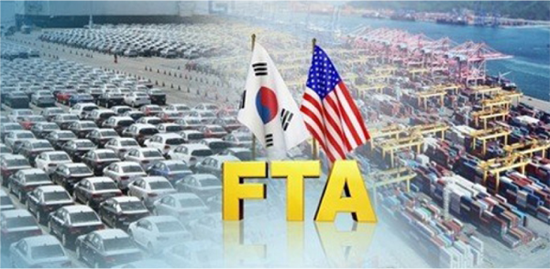
This year marks the 10th anniversary of the signing of the Korea-U.S. FTA. Trade of Goods agreement in 2011 before the ratification of the bilateral FTA, which stood at US$100.8 billion, and then soared to US$169.1 billion in 2021. This shows a 67.8% increase in trade within a decade.
For the United States, Korea accounted for 9.3% of trade of goods in 2011 before the ratification of the Korea-U.S. FTA. This figure rose to 13.4% in 2021, making Korea the second-largest trading partner for the Unites States. Korea’s exports to the United States were led by automobiles, automobile parts, petroleum products, secondary cells, refrigerators and synthetic resins, resulting in US$11.6 billion worth of trade surplus for Korea before the ratification of the bilateral FTA, increasing to US$ 22.7 billion in 2021.


Korea attracts the largest size of foreign direct investment (FDI) from the United States, and at the same time, the United States is the largest investment destination for Korean companies. After the ratification of the bilateral FTA, 22.3% of FDI to Korea came from the United States and a whopping 25.2% of Korea overseas investment went to the United States. Korea’s investments in the United States dramatically increased with a bulk of investment directed to the battery, semiconductor and e-vehicle sectors, which contributed to expanding production facilities in the United States and job creation. This also proved to be an opportunity for Korea, as Korean enterprises were able to expand their markets.
The Korea-U.S. FTA as a main contributor to strengthening cooperation in the supply- chain sector between the two countries deserves to be stressed.
Taking the semiconductor industry as an example, the two countries were able to establish a strong valuechain based on each other’s respective strengths. The United States, with its excellence in semiconductor designing on top of a foundation of a stable source of investment, and Korea, with its strengths in the manufacturing sector, established a strong value chain. A similar example can be witnessed in the battery industry sector.

Korean battery production companies and the American automobile companies are engaged in joint investments. This resulted in establishing mutually beneficial cooperative relations between Korea and the United States. It enabled Korean companies to gain a competitive edge compared to other rival countries by securing large-scale clients in advance and allowed American automobile companies to secure a stable source of battery supply.
Aside from these examples, bilateral cooperation based on the contract manufacturing organization (CMO) of medicine and medical supplies amid the Covid pandemic developed into a vaccine alliance, which is seen as another example of solidifying the supply chain.
The report released by the Korea Institute for International Trade (KITA) says, “Based on a stronger cooperative economic partnership with the signing of the Korea-U.S. FTA and expanded trade and investment, Korea rose to become a core partner in terms of supply chain for the United States.” It also added, “A strengthened cooperation in the supply chain sector between Korea and the United States is becoming ever more apparent, especially in core industry sectors, including the semiconductor, battery and pharmaceutical product sectors. The reorganization of supply chain based on mutual trust is gaining greater attention as the two countries experienced a series of supply chain crises triggered by the confrontation between the USA and China and the Covid pandemic.”
Yu-jin Lee, the head researcher at KITA, forecasted, “Future trade agreements will go beyond allowing greater access to each other’s markets and will focus on solidifying alliance from the perspective of economic security.” The researcher also said, “The United States is recently stressing solidarity with its allies and partners as the United States proposes the Indo-Pacific Economic Framework (IPEF). Korea should thus consider ways on how it can utilize the cooperative relationship between Korea and the United States made possible by the FTA between the two countries, and link it with discussions on new regional economic security alliance.” <Source: KITA>

 
korean-electronics.com | Blog Magazine of korean electronics, brands and Goods
Recent Export Trends of Korea’s Mobile Phones

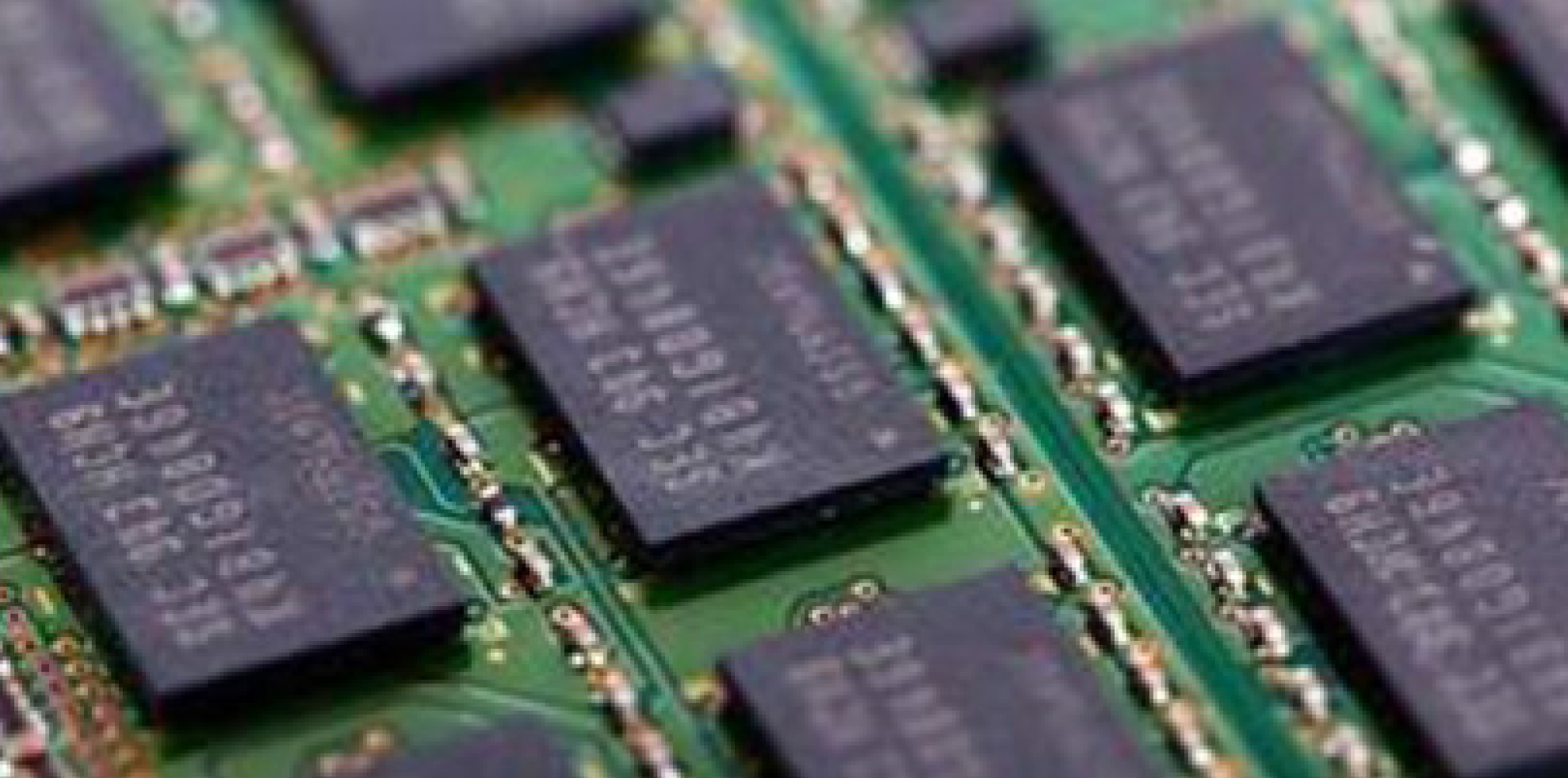
https://korean-electronics.com//inquirySouth Korea’s recent export trends of mobile phones revealed a 23 percent plunge year-on-year to a 16-year low last year, caused by sluggish growth in demand from China amid fiercer competition in the Chinese market.
Export volume for mobile phones amounted to $14.61 billion last year, down 23.2 percent or $4.42 billion compared with the previous year, according to the Ministry of Science and ICT and the Institute of Information & Communications Technology Planning & Evaluation.
The amount was considered the lowest in 16 years since 2002 in a time when South Korea achieved an export volume amounting to $11.36 billion for mobile phones.
The nation’s exports of mobile phones attained a record high in 2008, recording $33.44 billion and thus outpacing the existing mainstay semiconductor exports of $32.79 billion. And then exports started to fall below $30 billion in 2009, declining to $20 billion in 2017.
By region, mobile phone exports to China including Hong Kong decreased sharply by 37 percent to $4.3 billion on year last year amid fiercer competition with local rivals such as Huawei. For exports to the United States, recognized as the world’s premium phone market, it turned out that Korean exports fell by 10 percent to $5.05 billion, but the decline was relatively limited, permitting the U.S. market to replace China as the biggest market for South Korean mobile phones exports.
However, on the positive side, exports of semiconductors in 2018 grew to a record high of $128.15 billion, nearly nine times larger than exports of mobile phone exports.
Since South Korean smartphone companies appear to have suddenly lost their dominance of the world’s biggest mobile phone markets in recent years, manufacturers are forced to naturally position themselves to seek alternative tactics. These include launching new budget phone models to increase their global presence in emerging markets, and introducing high specifications such as a quad-lens camera, 5G network and foldable form factor to entice smartphone demand worldwide. (Source: KITA)

korean-electronics.com | Blog Magazine of korean electronics, brands and Goods

ASEAN, Rising as a Promising Export Market for New Industries, Parts, and Materials

https://korean-electronics.com//inquiryASEAN has a population of 640 million, 12.5 times the population of Korea. The GDP growth rate of ASEAN from 2009 to 2017 is almost 5%. The proportion of the Korean exports to the Big 4 markets (China, U.S., EU and Japan) was 50.8% in 2017, decreased from 56.6% of 2007. On the other hand, the proportion of export to ASEAN increased from 10.4% to 16.6%.
ASEAN countries are rising as promising areas for export of new industrial products and parts/materials as they are intensively fostering the high-tech products, and the parts and materials industry of Korea.
In ‘Export Opportunities and Promising Items for ASEAN,’ which was presented by the Institute for International Trade of the Korea International Trade Association, electrical machines and parts in the field of new industry, machines and parts in the field of optical instruments, and parts, copper and aluminum materials, etc. are items expected to be exported to the ASEAN may be significantly more.
Increase of the local market share and stabilization of import demand, especially focusing on electric condensers, telephones, microphones, and printed circuits in the field of electrical equipment, reflectors, liquid crystal devices and laser equipment among optical instruments, and processing/crafting machines, machining centers for metal processing, and cold- formed processing machines in the machinery field are expected to help exports.
This report said that
“while the entire exports of Korea in the last year increased 1.6 times from 2009, the entire exports of ASEAN increased almost 2.3 times. Among them, exports to Vietnam, Indonesia, Myanmar (VIM), and Philippines (VIP) which have strong growth potentials increased 4.2 times and 3.8 times, respectively.”
It also added that “looking at it by item, exports of the new industry, including next-generation semiconductors, displays, high-tech new materials, etc., to ASEAN, VIM and VIP increased 3 times, 15 times, and 6.4 times, respectively. Korean companies evaluated Vietnam and Indonesia most highly in terms of export potential and investment advancement in the survey of the Korea International Trade Association.”
Jung, Gwi-il, a researcher of the Trend Analysis Center of the Korea International Trade Association emphasized that “the major countries of ASEAN have huge potential for the population and economic growth rate and are expanding political support for the industry of high-tech and parts and materials. Korean companies should realize ASEAN as a promising market for export of higher value-added items and accordingly, aggressively attack their markets based on the new industry and the field of parts and materials.”

korean-electronics.com | Blog Magazine of korean electronics, brands and Goods

Korean Medical Equipment Competes Well in Europe and Latin America

https://korean-electronics.com//inquiryWith the global medical device market projected to grow at an annual average rate of 5.1%, exports of Korean medical devices, which are one of Korea’s main export items, spiked 13.6% over the previous year. In particular, Europe and Latin America where import demand is high are emerging as leading players in advanced and emerging markets.

According to KOTRA’s reports titled “Trends and Opportunities in the European Medical Device Market” and “Trends in the Latin American Medical Device Market and Strategies for Korean Companies”, the European medical device market in 2016 was worth US$ 110 billion, accounting for 28% of the world medical device market and placing second in the world. In terms of imports, Europe is the largest import market of medical devices and Europe accounts for approximately 47% of global medical device imports.

Over the past five years, Exports of medical devices expanded 21.4% to Western Europe and 15.7% to Central and Eastern Europe and these spikes are attributed to rapidly aging populations and the modernization of hospital facilities. Korea’s exports of medical devices to Europe grew 5.8% year-on-year in the third quarter of 2017. They grew explosively in Ireland (335.1%), Finland (110.9%) and Belgium (96.1%).

Europe has different market characteristics such as economic power and medical technology level by region. There is a great demand for dental devices in the Middle East and Eastern Europe where dental tourism has developed. In particular, Hungary’s imports of Korean dental implants surged 182.6% over the past two years. On the other hand, in Italy and Austria, Korea’s ultrasound imaging systems are well recognized and are holding the top position in terms of import market shares.

The Latin American medical equipment market is expected to grow 8.4% over the next five years, running to US$12.2 billion in 2016. Korea’s medical equipment exports to Latin America expanded more than 9% year on year to about US$100 million in the third quarter of 2017 with those to Argentina and Mexico surging 50% and 20%, respectively.

The export of Korean medical devices to Latin America is led by ultrasonic and electronic imaging devices and medical x-ray devices. In particular, company B, a dental X-ray company, achieved a 25% share of the digital X-ray market within five years after its establishment with its high technology and partnerships with a number of Mexican distributors. In addition, due to the characteristics of the Latin American market, where 60% of the population is overweight, portable blood pressure and blood sugar measuring devices, which can diagnose chronic diseases such as diabetes and hypertension, will be in high demand.

In the case of Central and South America, the process of acquiring medical device certification is complex and takes a long time, so it is necessary to make thorough preparations using local agents. In addition, Korean medical equipment companies need strategies to secure price competitiveness by actively utilizing Korea’s FTAs with Chile, Colombia, and Peru and complement relatively weak local after-sales service networks.

“Korean medical equipment companies are making forays into Europe and Latin America thanks to stronger competitiveness of the Korean medical equipment industry which has grown into the world’s ninth largest,” commented Yun Won-seak, head of the Information and Commerce Cooperation Headquarters at KOTRA.

Yun also suggested the direction for Korea’s medical equipment exports, saying, “It is necessary to customize export marketing by countries, demand, and sales channels mainly for promising items such as advanced medical devices that combine the needs of an aging society and ICT technologies such as ultrasonic diagnosis and dental equipment.”

korean-electronics.com | Blog Magazine of korean electronics, brands and Goods

Southeast Asia’s largest online shopping Lazada to beef up Korean section

https://korean-electronics.com//inquiryLazada Group, Singapore-based e-commerce platform operator that runs shopping malls across six nations in Southeast Asia, will beef up Korean section to response to growing popularity of Korean beauty and consumer products in the region.

Because of Hallyu, the Korean Wave referring to popularity of Korean pop culture, there is high interest and demand for Korean brands and culture, said Will Ross, CEO of Lazada Crossborder in a press conference on Tuesday in Seoul.

Lazada, No. 1 shopping site in Southeast Asia which is 83 percent owned by China’s Alibaba Group, will expand strategic partnership with Korean entertainment companies and support Korean merchants in their reach to consumers in the region, he said. In Korea, Lazada already has business alliance with Genieworks, an online to offline service provider, Studio Dragon, a drama production unit of CJ E&M, and artist agency Humap Contents. The shopping site that opened in 2012 displays over 3,000 brands run by 135,000 merchants.

korean-electronics.com | Blog Magazine of korean electronics, brands and Goods