Ideal solution for visual function disorders
[INQ. NO. 2611E05] Digital healthcare company ICU Corporation Inc. recently introduced its latest PREZNEL DTx—an integrated digital healthcare platform for visual function disorders that combines AI, XR (extended reality), and eye-tracking technologies – at a local exhibition.
By integrating professional optometric expertise with XR and artificial intelligence, ICU Corporation is developing solutions that span the entire continuum of care for visual function disorders—such as strabismus (squint) and amblyopia (lazy eye)—from diagnosis and therapeutic training, through to progress monitoring.
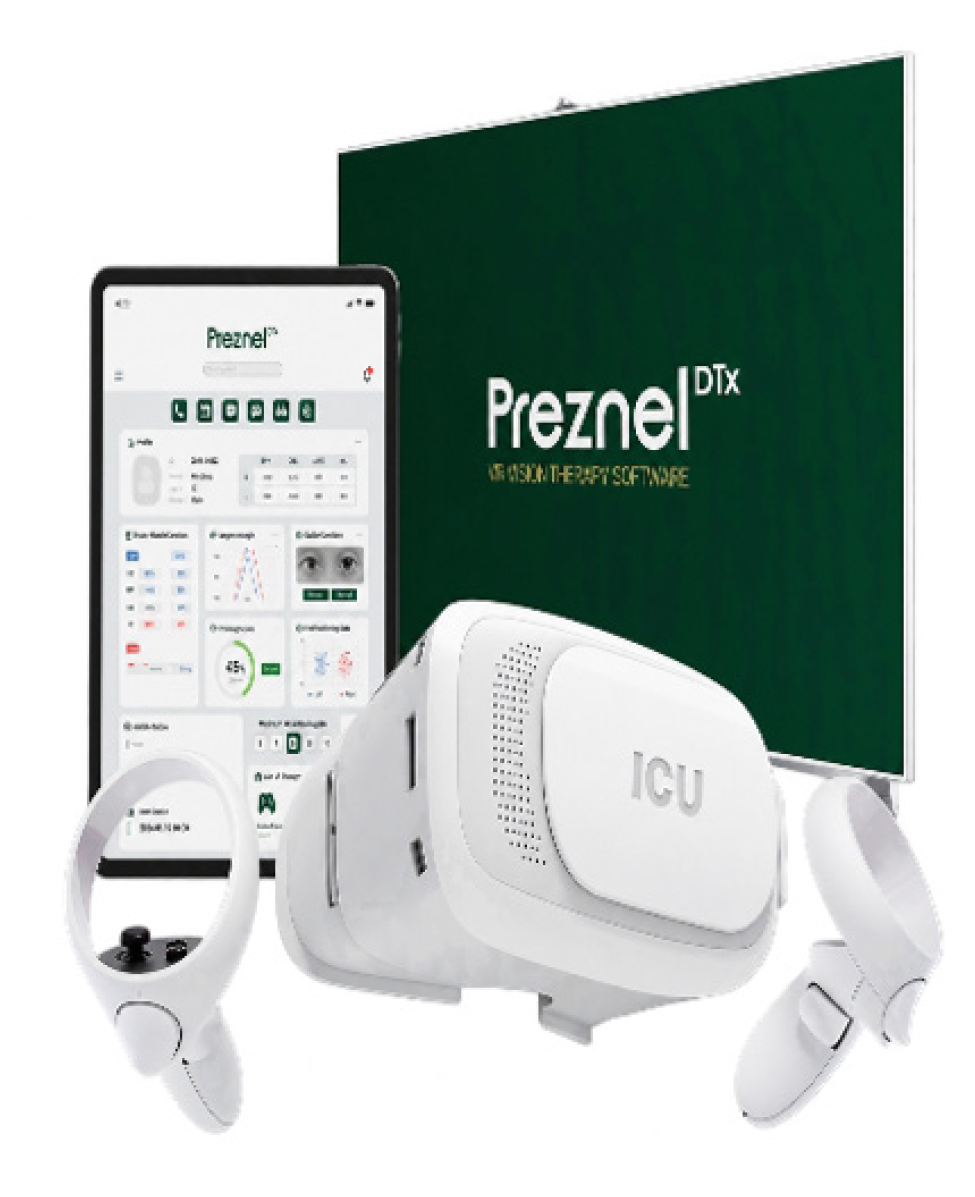
The company’s goal is to overcome the limitations of traditional surgery-centered treatments or clinic-based vision therapy by creating an environment where pediatric and adolescent patients can consistently continue with visual rehabilitation in their daily lives.
PREZNEL DTx is a digital therapeutic platform that utilizes AI-based eye-tracking technology to objectively assess visual function—including the angle of strabismus, and the degree of diplopia (double vision)—while providing a VR environment for repetitive training of binocular vision and extraocular muscles.
A key feature highlighted by ICU Corporation is its objective assessment of visual function. To address the reliance on subjective patient responses in conventional testing, the platform measures eye movements and visual reactions within AR/VR environments. These measurements are converted into data, allowing medical professionals to systematically monitor a patient’s condition and progress.
The VR-based visual training is designed to provide repetitive stimulation to specific extraocular muscles and binocular visual functions. Notably, the platform incorporates gamification elements and interactive content, specifically tailored to help pediatric patients remain engaged throughout their long-term treatment programs. The focus is on enhancing treatment adherence by ensuring that patients engage with the content—allowing them to progress through their therapy naturally—rather than perceiving the training as a series of repetitive, mundane tasks.
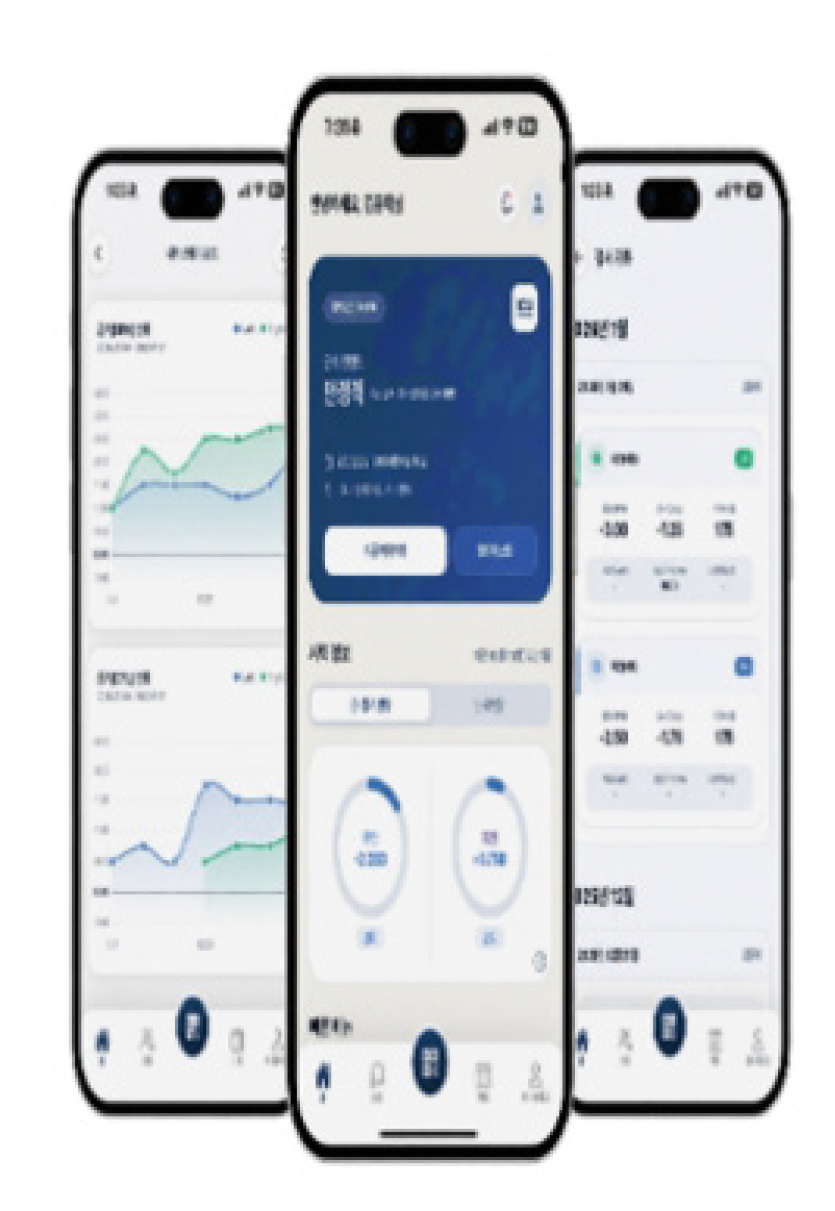
ICU Corporation is also building an end-to-end model that extends clinical examinations and treatments from the hospital setting to home-based care. By using AI to analyze data on gaze and visual responses collected during training, the system tracks progress and enables medical staff and caregivers to continuously monitor the patient’s recovery.
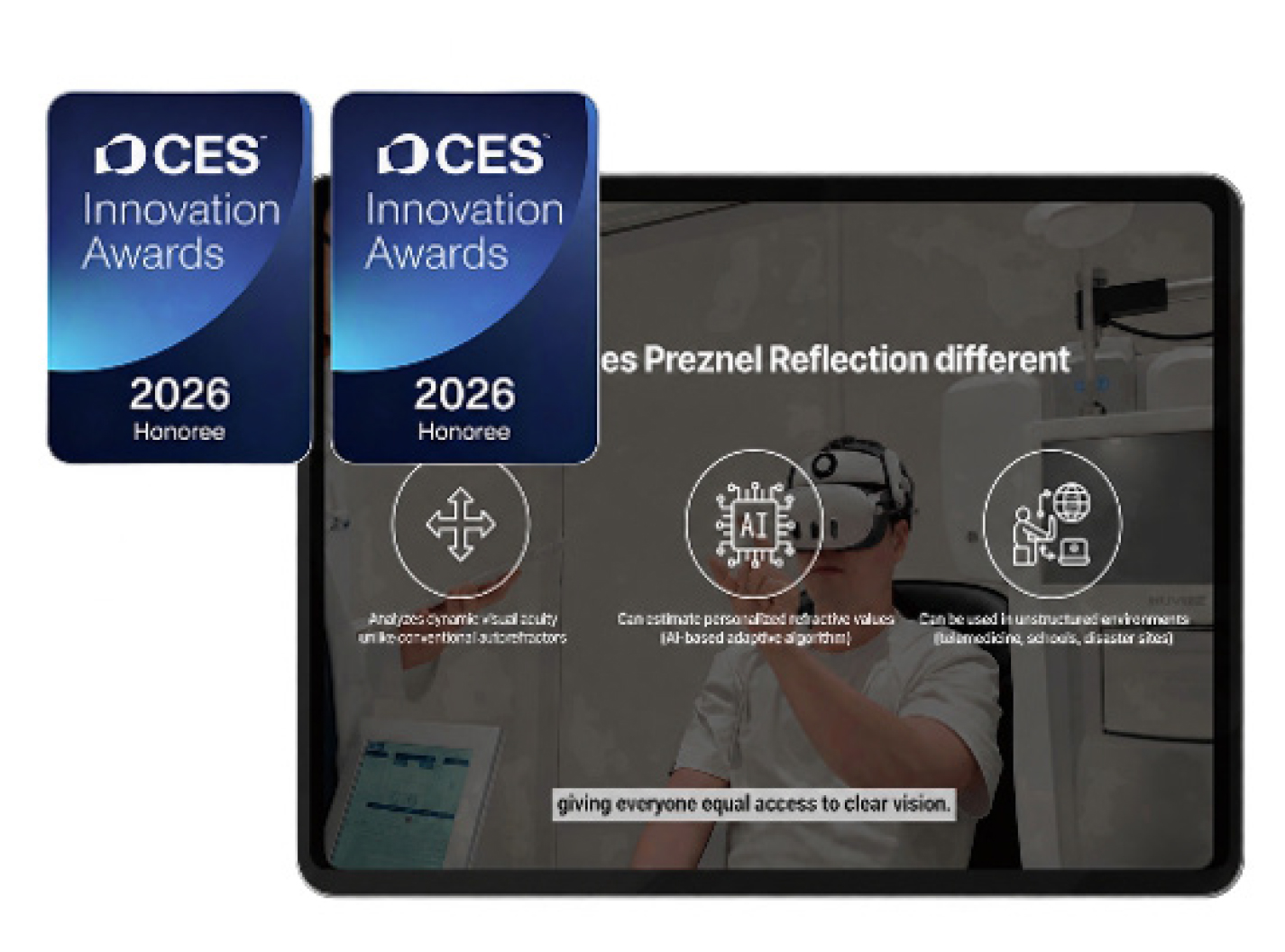
ICU Corporation is making great strides in the global market after gaining international recognition for its technological prowess by being named an Honoree in two categories at the CES 2026 Innovation Awards. The company has established a U.S. subsidiary, ICU USA Inc., and signed a memorandum of understanding (MOU) with UCLA Health, thereby laying the groundwork for clinical trials and FDA regulatory approval in the United States.
Among its international targets, ICU Corporation has prioritized the USA as its primary market for expansion. The United States, with its well-developed markets for optometry and vision therapy, offers high potential for the adoption of XR and AI-based visual-function assessment tools and digital therapeutic solutions.
Leveraging its PCT international patent applications and a local U.S. subsidiary, ICU Corporation intends to navigate regulatory processes—including FDA Pre-Submissions and 510(k) clearances—with plans to subsequently expand its business reach into Canada, Japan, and China. It also aims to broaden its product pipeline; building upon its current solutions for strabismus and amblyopia, it plans to extend its digital healthcare technology into the management and inhibition of pediatric myopia progression. The overarching strategy is to evolve into a global platform that integrates the diagnosis, training, and remote monitoring of visual function disorders.
korean-electronics.com | Blog Magazine of korean electronics, brands and Goods