[INQ. NO. 2606E08] UMI Optics is a venture specializing in the field of ophthalmology. Its main products include ophthalmic diagnostic equipment such as fundus cameras and slit lamps with digital interface optical modules, which it developed using its own technology. These products are not only exported to international markets but also sold domestically.
After establishing a cleanroom (Class 10,000), UMI Optics began producing punctual plugs for dry-eye relief and Schirmer strips for measuring tear secretion, thus expanding its business into the ophthalmic consumables market.
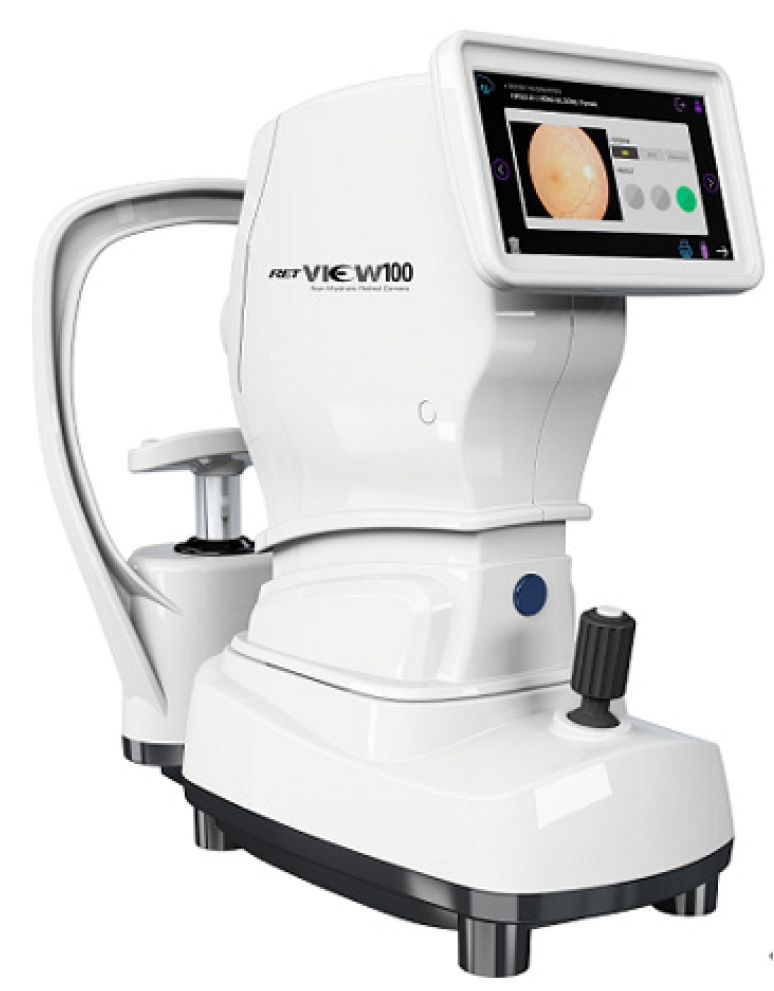
Since 2018, UMI Optics has been conducting national R&D projects and successfully developed a non-mydriatic fundus camera, and it is actively working to expand both domestic and international sales channels.
The fundus camera is a device used to observe the state and lesions of the fundus. It is utilized not only to assess fundus findings but also in screenings for adult diseases such as hypertension and diabetes. It is thus used in primary healthcare institutions such as ophthalmology, internal medicine, and family medicine. With the global increase in the prevalence of adult diseases, there is growing awareness of the importance of early screening for the major complications of these diseases, including the three leading causes of blindness: macular degeneration, diabetic retinopathy, and glaucoma.
UMI Optics’ fundus camera (Model name: RETVIEW100) features an automatic imaging function that allows medical staff, even without specialized ophthalmology training, to easily capture fundus images. In addition, it is a non-mydriatic fundus camera, meaning that no dilation agent is required, allowing the fundus examination to be completed quickly.
A key feature of this camera is its integration with an AI solution that detects the presence of lesions associated with the three major causes of blindness: diabetic retinopathy, macular degeneration, and glaucoma.
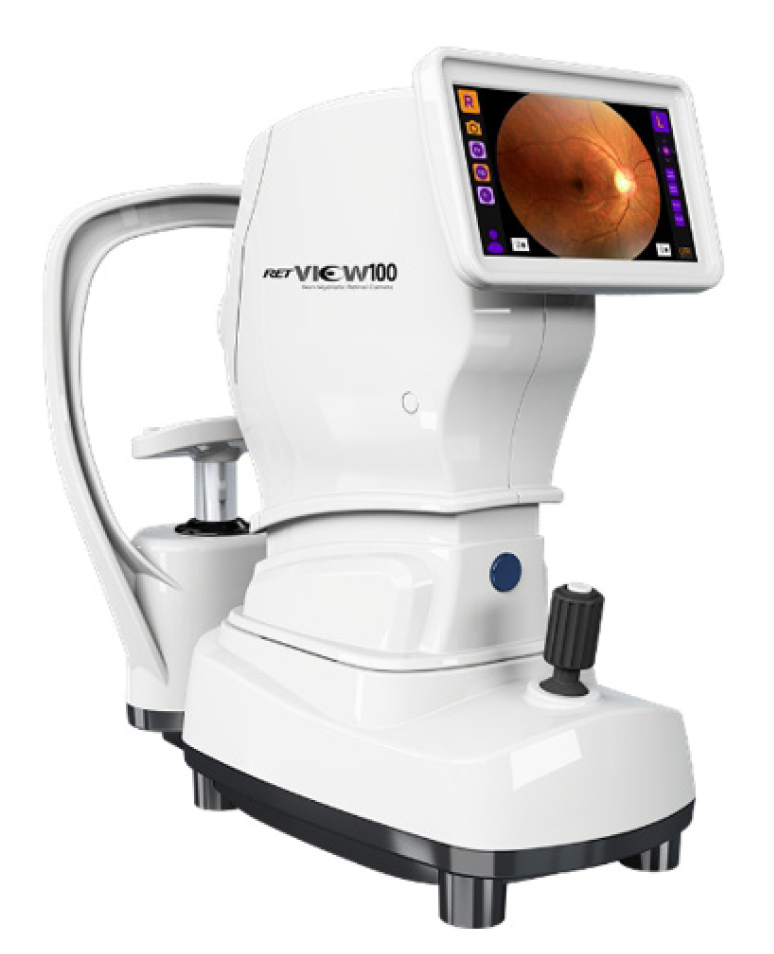
This enables primary healthcare institutions such as internal medicine, family medicine, public health centers, and screening centers to conduct preliminary screenings for these diseases without the need for collaboration with ophthalmologists.
This improves access to early detection in primary-care settings, where healthcare access is higher than in ophthalmology departments. By preventing delays in treatment through early screening for the major causes of blindness, it is also expected to reduce national healthcare costs related to blindness.
korean-electronics.com | Blog Magazine of korean electronics, brands and Goods