Korean Exhibitions

https://korean-electronics.com//inquiry

Korean Exhibitions: Platforms for Opening the Future of Industrial Innovation

The exhibition industry is a key business platform that first introduces innovations from each country and connects companies and markets. For over 20 years, the Korean government has provided support for entities to hold exhibitions through the Domestic Exhibition Support Project for Hosting, (“the Project”) and by developing exhibitions as a strategic tool for expanding exports and enhancing national trade competitiveness.
In particular, the Project supports the holding of exhibitions to strengthen industrial growth and connections with global markets, focusing on the following three key pillars:

Fostering Exhibitions by Stage of Growth
The Project categorizes the exhibitions into three growing stages: ‘New,’‘Promising,’ and ‘Global Top,’ and systematically supports the necessary capabilities for each stage.
For the New Exhibitions, the Project provides comprehensive support for attracting small and medium-sized enterprises (SMEs), and for promotional costs to secure a stable growth foundation in the domestic market.
For the Promising Exhibitions, laying the foundation for entering the global market is important, so the Project actively supports the attraction of overseas buyers, international promotion, and hosting side events to help Korean companies to advance onto the international stage.
As international exhibitions, the Global Top exhibitions are a stage that requires the advancement of their platforms. Support is provided primarily through expanding the global networks, such as attracting overseas guests and foreign journalists.
As such, Korean exhibitions, grown through such step-by-step support, are strengthening their role as a global industry platform through innovative exhibitions that lead industry trends.
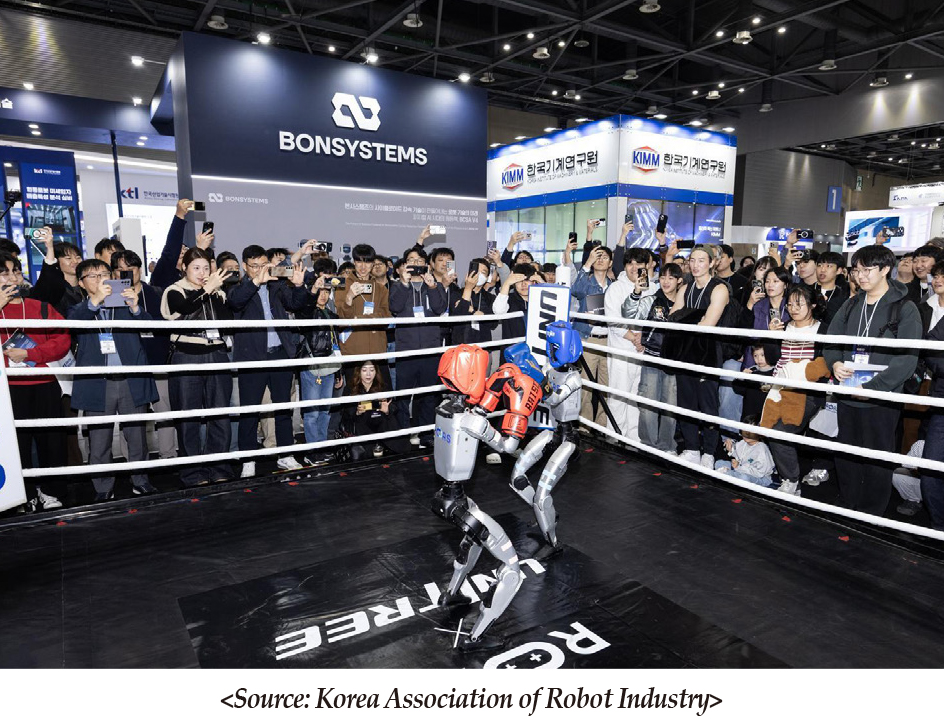
Promoting Exhibitions Centered on Strategic Industries
The Korean government has designated key industries — such as semiconductors, secondary batteries, biotechnology, and robotics — as strategic industries that are crucial for the national economy, and is thus encouraging exhibitions in these fields to strengthen the nation’s industrial competitiveness.
The Project comprehensively supports the development of core capabilities of strategic exhibitions that showcase new technologies and connect global partnerships across industries, leading the expansion of the industrial ecosystem.
It is expected that these strategic industry exhibitions will grow into specialized platforms for policy announcements and technology sharing, and advance to become Global Top stages for industrial innovation at prestigious international events such as the Consumer Electronics Show (CES), Hannover MESSE, and the Mobile World Congress (MWC).
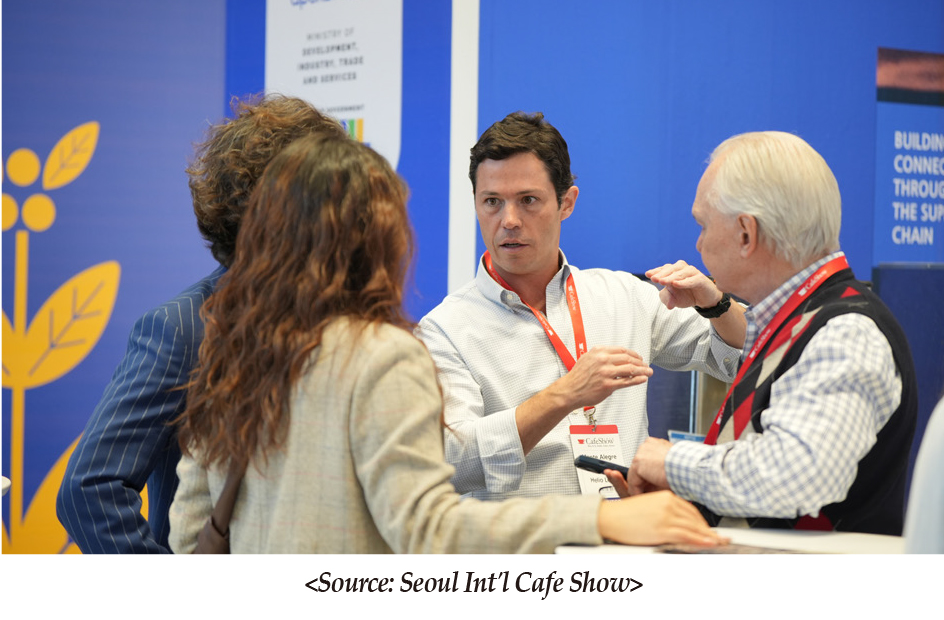
Strengthening the Foundation for Fostering Regional Exhibitions
Since 2013, the government’s efforts to foster regional exhibitions have intensified as regional exhibitions have been included in the targets of the Domestic Exhibition Support Project for Hosting. Recently, support has been focused on exhibitions linked to local industries, underlining the fact that regional exhibitions serve as key venues for showcasing regional characteristics and strengths.
In this way, regional exhibitions promote local industrial growth, support local SMEs in securing business opportunities and markets, and promote relationships for mutual growth. These changes are restoring the balance of the existing exhibition industry structure, which is concentrated in the Seoul metropolitan area, and laying the foundation for strengthening regional industrial competitiveness through growing into global-level exhibitions.
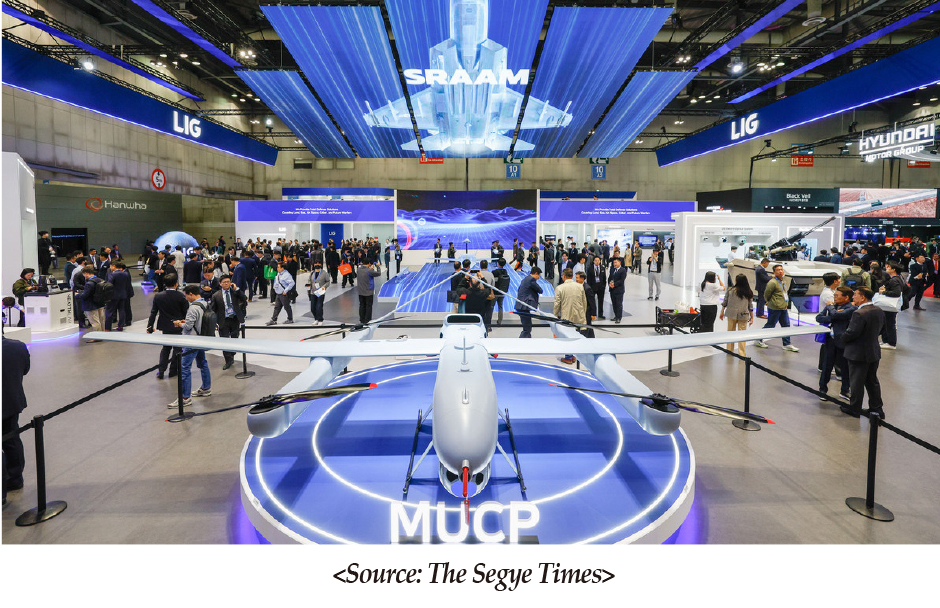
Automechanika Frankfurt, a representative global brand exhibition, has expanded its exhibition franchise model to countries like China, Turkiye, Malaysia, and the UAE — establishing itself as an international business platform that aims to connect the global supply chains into a coordinated network. Similarly, some domestically organized exhibitions that have grown under the Korean government’s systematic support are actively seeking overseas market expansion and expanding their global networks.
If more exhibitions join this trend and receive continued support at the national level, domestic exhibitions are expected to grow as global brand exhibitions for each industry, securing leading positions in the global market.

korean-electronics.com | Blog Magazine of korean electronics, brands and Goods

Neural Network-based Image-generationTechnology

https://korean-electronics.com//inquiry

Wayne Hills launches the research & development of neural network-based image-generation technology from brain signals.
 

Wayne Hills Bryant A.I. (Wayne Hills) announced that its U.S. subsidiary has begun R&D and artificial intelligence IP patenting to develop Neural Link A.I., an A.I. generation/synthesis service that can create video content using only human thoughts.

The core of the development of Wayne Hills’ Neuralink AI is to use BCI (Brain-Computer Interface) technology to connect tiny electrodes made of polymer materials to the brain to receive detailed electrical signals generated when the brain perceives and thinks, and to display the information as text and images on a monitor, or wireless device, for the first time.
Wayne Hills’ existing AI software ‘Speech to Video (STV) ver 2.0’ requires a person to provide voice information through direct speech to realize it as a video, but ‘Wayne Hills Neural Network AI’ shows a big difference in that even if you just think about it, it texts it into BCI and immediately visualizes the text — so, ultimately, human thoughts are immediately realized as a video.

Neural network A.I is expected to use implantable BCI for implanting a device directly into the human brain
Wayne Hills’ neural network A.I. is expected to use implantable BCI, which implants a device directly into the human brain. In addition to brain waves, implantable BCIs can read neural signals of brain cells and movements of the motor cortex in detail, which is expected to minimize the error between human thoughts and the final output.
In the future, it will be possible to create video content by directly converting the meaning of thoughts into text on wireless devices and monitors without having to express them in words, actions, or expressions, and automatically generating and synthesizing images that match the text. Through this process, Wayne Hills’ existing service, Text-to-Video (TTV) AI, which converts text to video, is expected to play an important role.
“Since we already have an AI service that can create or synthesize videos using information such as voice and text, we can achieve remarkable results through research and development on brain signal recognition through neural network-based BCI,” explained Lee Soo-min, CEO of Wayne Hills, adding, “We will do our best to target the global market based on our technology by focusing on preempting overseas patented IP and R&D first.”


korean-electronics.com | Blog Magazine of korean electronics, brands and Goods
LG Electronics Develops Antibacterial GlassPowder and Water-soluble Glass Powder

https://korean-electronics.com//inquiry

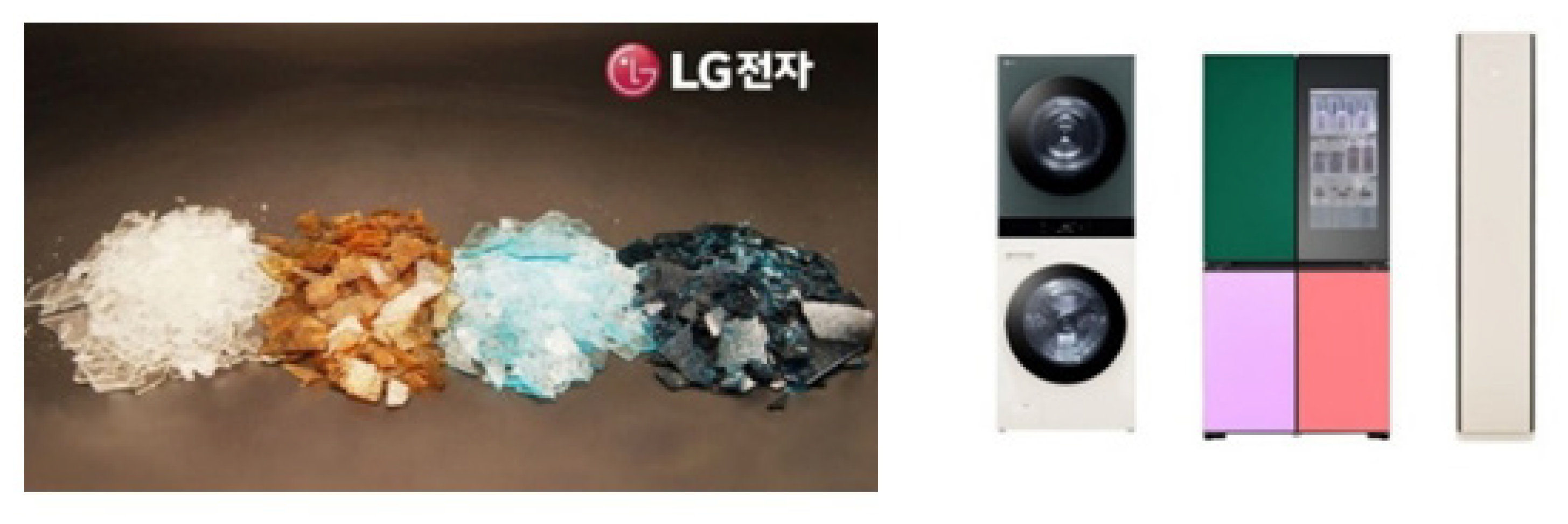
LG Electronics recently developed antibacterial glass powder and water-soluble glass powder that melts in water to help restore marine ecosystems.
The antibacterial glass powder developed by LG Electronics can be added when making various materials such as plastics, fibers, paints, and coatings. Glass powder consists of fine particles obtained by crushing glass. The demand for antibacterial materials has increased since COVID-19, and they are being used in various areas such as healthcare, packaging, medical care, and building materials.

Since last year, LG Electronics has applied antibacterial glass powder to home appliances such as refrigerators, washing machines, and air conditioners. This antibacterial glass powder was added when producing plastic parts such as handles that are often in contact with the body.
The water-soluble glass powder developed by LG Electronics is a material that changes into inorganic ions when dissolved in water. This can be used to restore the marine ecosystem by helping to grow microalgae and algae in the sea.
The reason why LG Electronics is promoting such a new-concept functional material business is that it forms part of its ‘ESG (Environmental, Social, and Governance)’ activities. This is in response to environmental pollution by developing eco-friendly functional materials. LG Electronics also added
“production and sales of functional materials business such as glass powder” to its articles of incorporation last year to promote this business.
LG Electronics’ glass powder research dates back to 1996. Only 219 patents related to glass powder have been applied for so far. The Smart Park in Changwon, Gyeongsangnam-do, has an annual production capacity of 4,500 tons.
Ryu Jae-cheol, president of LG Electronics’ H&A business division, explained, “We plan to continue to expand the application area by going beyond the inherent limitations of existing glass materials. We assess that functional materials businesses will lead to a sustainable future and become new growth engines that accelerate ESG management.”


korean-electronics.com | Blog Magazine of korean electronics, brands and Goods
Samsung Electronics Begins Mass-Production ofthe World’s First 12-nano Class 5th-generationDRAM

https://korean-electronics.com//inquiry

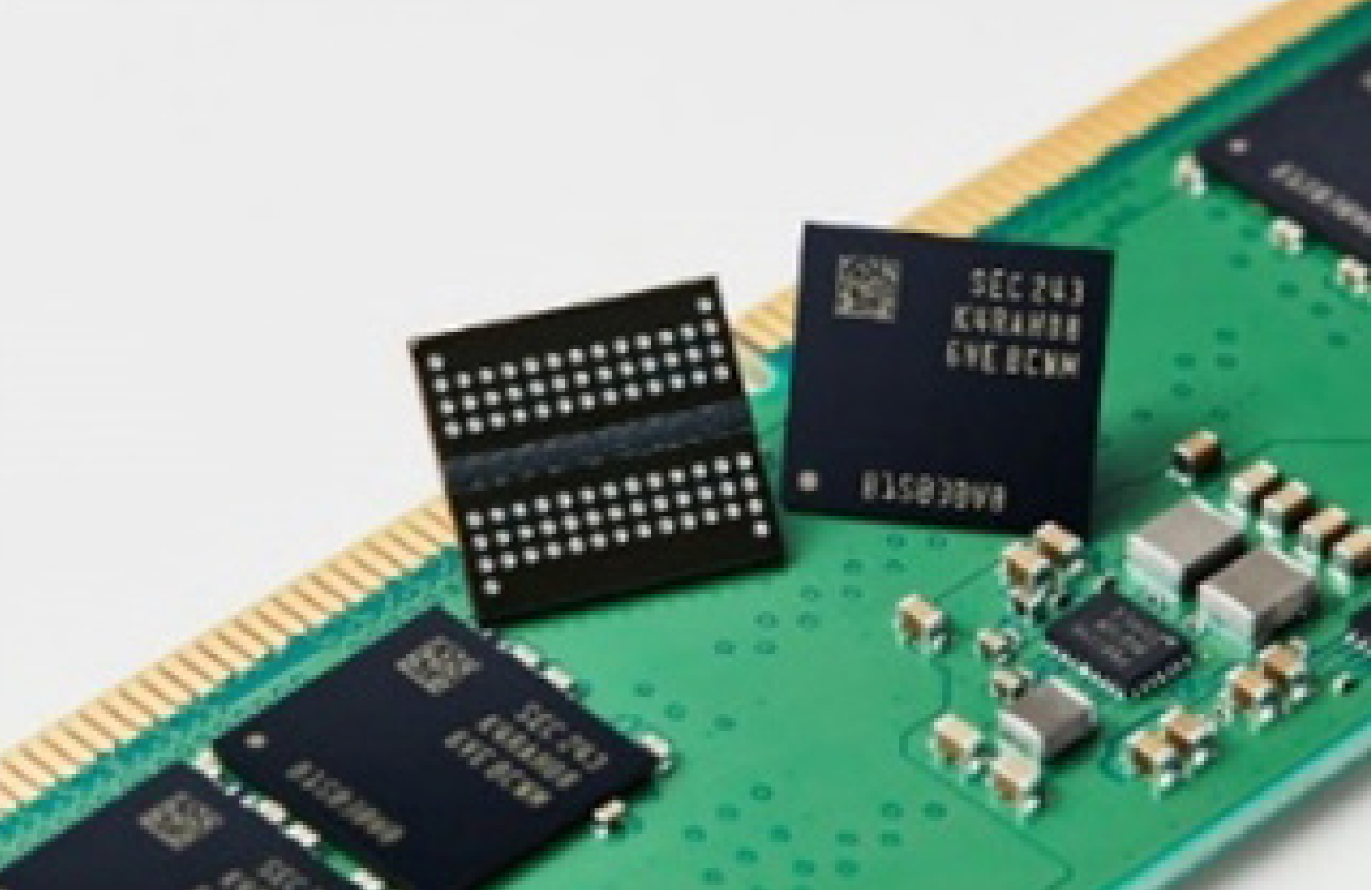
Samsung Electronics is the first company in the world to begin mass-production of 5th-generation DRAM using a 12-nano process. By mass-producing 16 gigabit (Gb) DDR5 DRAM, it aims to overcome the memory semiconductor recession. It has developed a strategy to
establish itself as a leading shareholder by solidifying technological competitiveness in DRAM micro processing.
Samsung Electronics recently announced that it would mass-produce 12-nano class DRAM using cutting-edge technology. This 12-nano class is a state-ofthe-art semiconductor production process in which the circuit line width is only about 1/10,000 of the thickness
of a human hair, and is at a level that cannot be seen with the naked eye.


Compared to the previous generation products,productivity improved by about 20% and power consumption improved by about 23%. It is expected to be the best solution for global technology companies who are actively participating in reducing carbon emissions and energy use.
Samsung Electronics increased the capacity of the capacitor that stores charge by applying a new material
with a high permittivity (K). As the volume of the capacitor of the DRAM increases, the potential difference between the data signals increases, making it easier to distinguish them. In addition, the industry’s most advanced process was completed by applying operating-current reduction technology and noisereduction technology that can more clearly distinguish data.
DDR5 standard 12-nano class DRAM supports a maximum operating speed of 7.2Gbps. This is a speed that can process two 30GB UHD movies in one second. Samsung Electronics plans to continuously expand its 12-nano class DRAM lineup to meet customer demand and supply it to various applications such as data centers, artificial intelligence, and next-generation computing.
Recently, the DRAM memory market has been experiencing a recession due to a decline in business conditions. According to market research firm Omdia, the global DRAM market (based on sales) is expected to decrease by 44.1% from the previous year to $44.322 billion this year.
However, it is expected to turn to a growth trend from next year. It is expected to increase by 15.3% in 2024, 49.1% in 2025, 24.2% in 2026, and 3.9% in 2027. Moreover, in 2027, it is expected to more than double from this year to $98.334 billion.
Currently, Samsung Electronics is maintaining its No. 1 position with a 42.7% share of the entire DRAM market in the fourth quarter of last year.

korean-electronics.com | Blog Magazine of korean electronics, brands and Good

LS Cable & System, Completed Asia’s Largest Factory Exclusive for HVDC Submarine Cables

https://korean-electronics.com//inquiry


LS Cable & System recently announced that it has completed construction of the only factory in Korea and the largest in Asia for high-voltage direct current (HVDC) submarine cables in Donghae-city, Gangwondo.
Construction began in July 2021, and about KRW 190 billion was invested. It has a total floor area of 34,816m2 (about 10,532 pyeong), including a high-rise production tower (VCV tower: vertical continuous extrusion system) with a height of 172m.
A spokesperson for the company said, “The HVDC projects worth KRW trillions are being promoted mainly in Europe, largely due to the carbon neutral policy. We have been preparing to expand our business through preemptive investments such as plant expansion and the acquisition of kt Submarine.”

LS Cable & System built Korea’s first submarine cable plant in Donghae in 2008 and has invested about KRW 700 billion to strengthen its submarine business capabilities. In addition, with its recent acquisition of shares in kt submarine, expectations are growing not only for cable supply but also for the expansion of construction projects.

The CEO of LS Cable & System said, “The completion of this HVDC factory will be an accelerator for growth in the era of energy transition and the rising trend of the electric power industry. We will contribute to the development of the power industry as well as strengthening national competitiveness through the establishment of an efficient energy network.”
LS Cable & System, established in 1962, has been contributing to building power grids and communication networks first in Korea and then in countries all over the world by developing, producing and providing cables and related solutions used in daily life and throughout many industries.
Furthermore, the company set the stage for industrial and economic development by capitalizing on its innovative technology to supply various special industrial cables and industrial materials.


korean-electronics.com | Blog Magazine of korean electronics, brands and Goods

Samsung Electronics to Invest KRW 300 Trillion forSystem Semiconductors

https://korean-electronics.com//inquiry

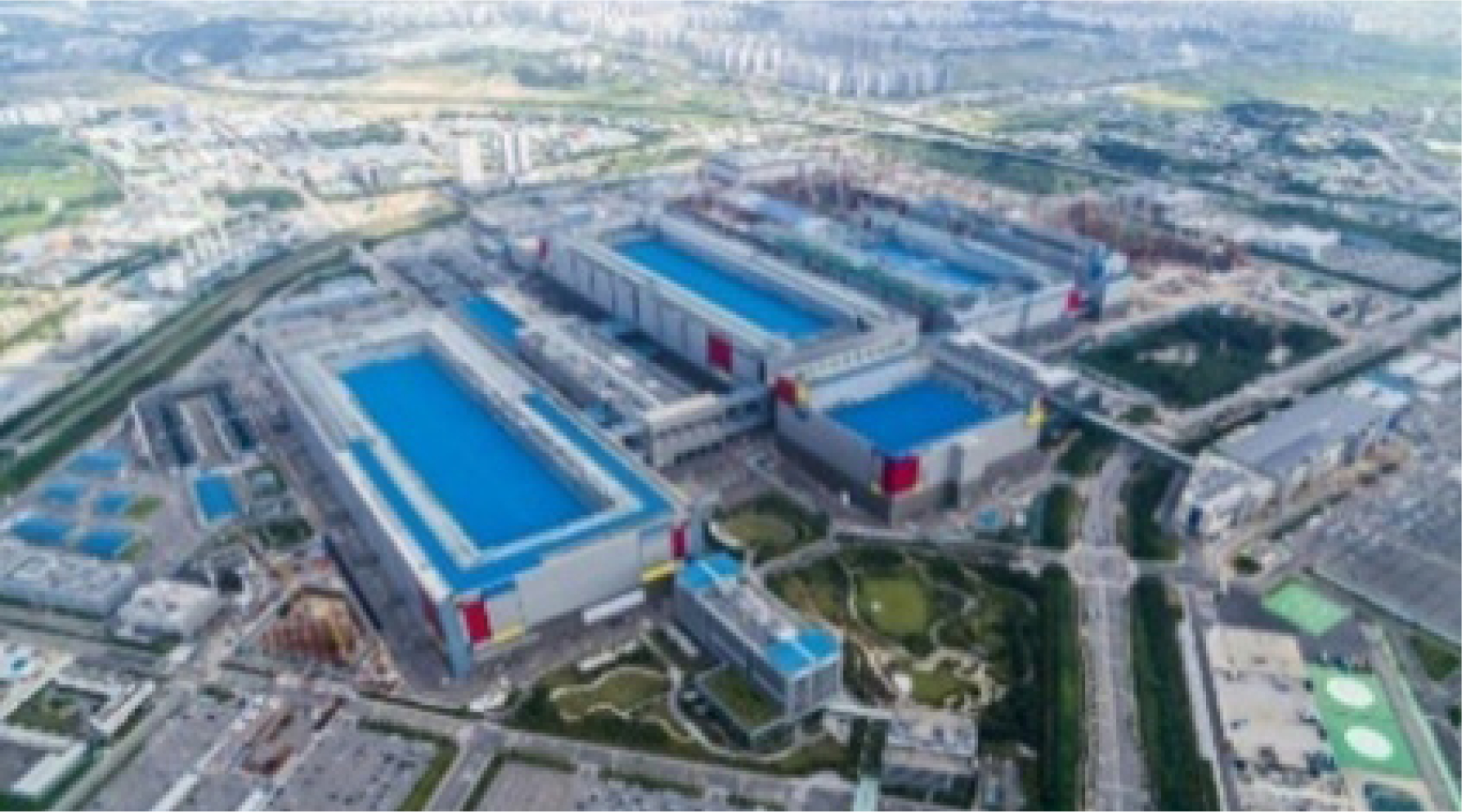
As Samsung Electronics secured production bases in Giheung, Hwaseong and Pyeongtaek, as well as Yongin, it developed a ‘semiconductor triangular mega cluster.’
Samsung Electronics has recently decided to invest a total of KRW 300 trillion to build this ‘high-tech semiconductor cluster’ in the semiconductor national industrial complex created by the Korean government in Yongin, Gyeonggi-do.
The basic plan for the Yongin Semiconductor Cluster is to build five semiconductor manufacturing plants over the next 20 years and to attract 150 domestic and foreign excellent companies engaged in materials, parts, equipment, and semiconductor fabless.
Samsung Electronics’ KRW 300 trillion investment is estimated to have a direct and indirect production inducement effect of KRW 700 trillion, and an employment
inducement effect for up to 1.6 million people.

When the Yongin Semiconductor Cluster is created, the world’s largest semiconductor cluster will be completed by linking existing semiconductor production complexes such as Giheung, Hwaseong, Pyeongtaek, and Icheon with Pangyo, Seongnam, where nearby companies engaged in manufacturing of materials, parts, equipment and semiconductor fabless gather.

A spokesperson for the business community pointed out, “The super-gap in the memory semiconductor
sector led by Samsung Electronics is expected to widen and competitiveness in the foundry market will also
increase.”
The formation of the Yongin National Industrial Complex as a system semiconductor cluster is
interpreted as meaning that Samsung Electronics’ production strategy has reached an epoch-making
turning point.
Samsung Electronics is pushing ahead with the ‘shell first’ strategy despite the slowdown in the
semiconductor market. This is a method of constructing a ‘clean room,’ which is an essential clean space when building a semiconductor production base, first and then proceeding with facility investment. The advantage is that flexible resource allocation is possible because the use is determined by predicting the market conditions at the time of final completion, rather than building a factory by pre-determining memory or foundry.
According to Samsung C&T’s recent business report, the construction progress of Samsung Electronics’
Taylor 1 plant in Texas, USA was 43.8% as of the end of last year; and the clean room construction progress of Pyeongtaek 4 plant was 21.3%. The Pyeongtaek 4 plant is expected to be completed in October next year.
If the Yongin cluster, known as ‘the system semiconductor mecca,’ is constructed as planned, the
triangular mega cluster in southern Gyeonggi will be completed. In particular, the fact that Samsung
Electronics recently announced that it would build the Yongin cluster centered on system semiconductors is interpreted as meaning that it will enter the competition in the foundry market in earnest. Samsung Electronics

has thus widened the super-gap in the memory semiconductor field and prepared a foothold to
pursue the leading TSMC in the foundry field.

Currently, among global foundry companies, only Samsung Electronics and TSMC are capable
of mass- producing foundry processes below 5 nm. In June of
last year, Samsung Electronics began mass-production of the 3nm process that applied the
structure of GAA, a next-generation transistor, for the first time in the
world.
Unlike TSMC, which decided to apply GAA technology from the 2nm process, Samsung
Electronics is being recognized for closing the gap in the
technology race by starting mass-production from 3nm. However, it is unable to close the wide
market share gap with TSMC due to ‘physical limitations’ owing to
lack of production facilities. According to the Taiwanese market research firm Trend Force,
as of the fourth quarter of last year, TSMC had a market share of 58.5%,
ahead of Samsung Electronics (15.8%).
The Yongin cluster also means that the Korean government, which is trying to maintain its
position as the ‘strongest country in semiconductors’, and Samsung
Electronics, ‘the world’s No. 1 in memory

semiconductors’, initiated a joint private-public operation, targeting the global system
semiconductor market where TSMC has the greatest market share.
Just as TSMC has been growing rapidly based on the Taiwanese government’s full support,
it is interpreted that the Korean government started its full support for
the semiconductor industry.
The semiconductor industry is a pillar of the Korean economy and a key security asset,
accounting for 5.6% of gross domestic product (GDP), 24.2% of total facility
investment, and 19.4% of exports as of 2020. Major countries such as the United States,
China, Japan, and Taiwan are strengthening their semiconductor clusters
with full government support, while making all-out efforts to attract semiconductor
production facilities to their countries.

The Semiconductor Association’s spokesperson explained, “The customized support
strategy for system semiconductors, such as establishing a semiconductor
mega cluster, upgrading the value chain ecosystem, securing next-generation
semiconductor core technology and expanding manpower, will be of great
help in creating a strong ecosystem for the domestic semiconductor industry.”


korean-electronics.com | Blog Magazine of korean electronics, brands and Goods

Taihan Wins Bid for a USA Power Project Worth US$42 Billion

https://korean-electronics.com//inquiry

Taihan continues to receive orders from the USA. Taihan Cable & Solution Co., Ltd. has announced that it won an order for a power infrastructure project worth USD 42 billion from a power company in California, USA. It is a large-sized project to establish 275kV high voltage underground power grids in LA in order to respond to electricity demand, expected to sharply increase due to the LA Olympics in 2028.
Including this project, the cable manufacturer received orders worth KRW 190 billion from the USA this year. The cable company has won more than 10 new project orders from California, Florida, New York and other states since April, strengthening its position as a major supplier in the USA. The company is expanding product portfolios after winning orders for 69~275kV high voltage cables, low & medium voltage cables and aerial wires.
According to the cable provider, demand for electricity infrastructure in the USA continues to rise due to the replacement of old power grids and the expansion of new and renewable energy. As the power grid improvement plan worth USD 73 billion is included in the Biden Administration’s USD 1.2 trillion infrastructure investment budget plan, the relevant demand expansion is expected to accelerate.
Equipped with unrivaled competitiveness in the U.S. electricity market, the company is expected to solidly expand its businesses. It plans to continuously increase export products, ranging from the main item of high-voltage cable, to optical and submarine cables that are to be produced after next year.

Taihan Wins Bid for a USA Power Project Worth US$42 Billion

“Customized solutions through pre-marketing activities and technical support carried out by the U.S. HQs and branches in the eastern and western part of the nation were the key to the achievement.,” remarked a spokesperson for the cable company, adding, “We will continue to strengthen our position as a main supplier based on strong networks and business competence.”
The spokesperson also pointed out that the company would pursue opportunities for winning additional orders by actively responding to the needs of the market as the demand for power grids by the U.S. industrial sector is expected to grow due to the Biden Administration’s plan to enhance the power infrastructure.
Meanwhile, 85% of the total high-voltage cables exported to the USA last year was provided by the company according to the statistical data provided by the Korea International Trade Association (KITA). The top-tier cable provider recorded a 98% market share in 2008, and a 79% market share 2019.
 
korean-electronics.com | Blog Magazine of korean electronics, brands and Goods
LG Energy Solution’s Plan to Invest KRW 5 trillion Targeting the U.S. Market

https://korean-electronics.com//inquiry

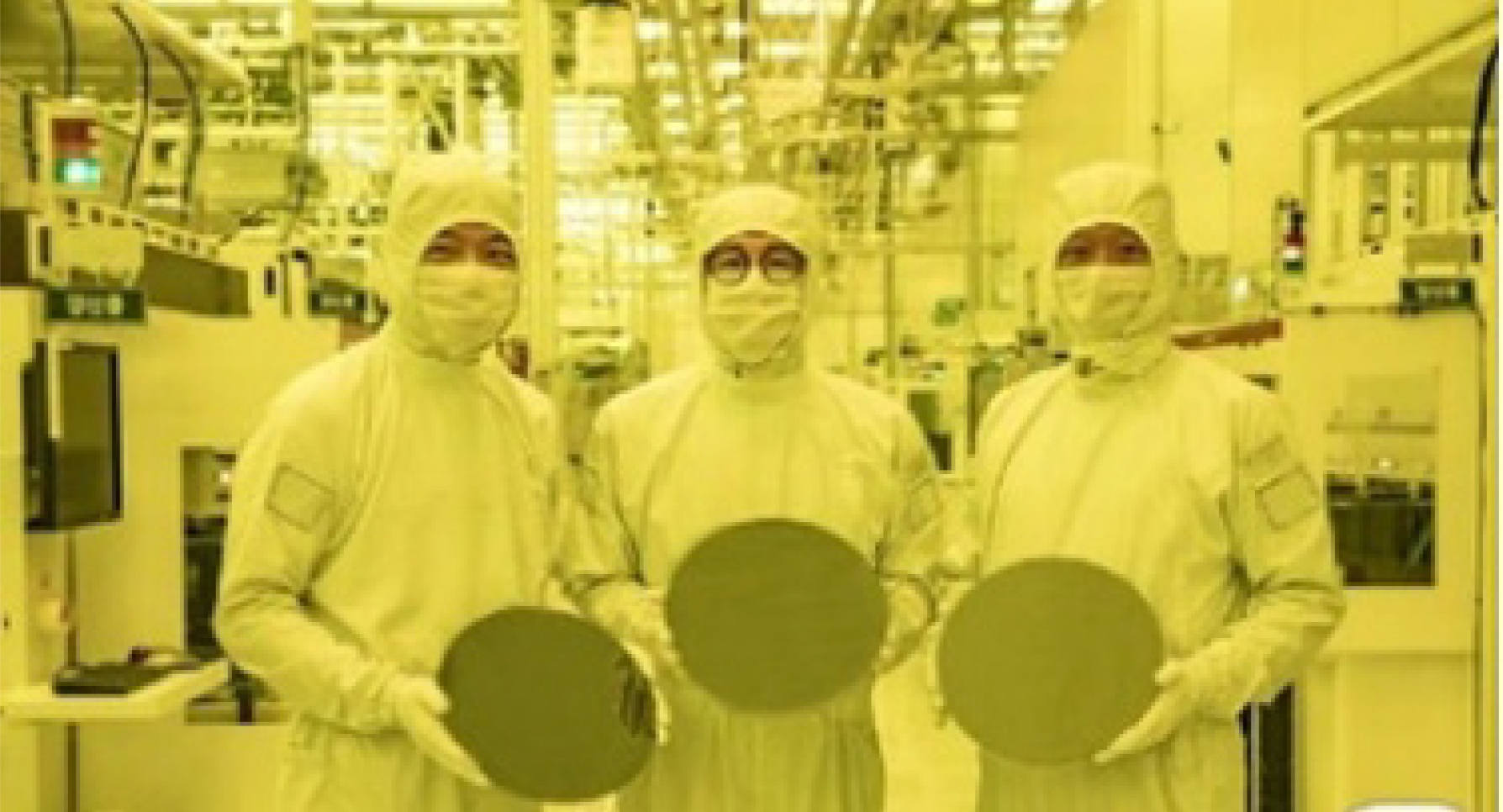
LG Energy Solution has a plan to inject KRW 5 trillion targeting the battery market of the United States after its decision to open two new factories in the first-half of this year – with an aim to attain additional battery production capability of more than 70GWh only in the USA.
LG Energy Solution recently released its investment plan for its aggressive investment in battery production in order that it can lead the eco-friendly industry in the U.S. market – in line with the acceleration of the transition in the vehicle market – from general vehicles to electric vehicles (EVs). This is in accordance with the Green New Deal policy of the USA and the changing market environment.

Planning to inject KRW 5 trillion by 2025, along with the building plan of two additional factories

LG Energy Solution’s Plan to Invest KRW 5 trillion Targeting the U.S. Market


LG Energy Solution decided to invest more than KRW 5trillion in the U.S. market alone by 2025. Once the investment is made, its own battery production capacity – plus with its Michigan factory (5GWh) – will grow to a total of 75 GWh.
The new two factories are planned to be built as so-called ‘Green Factories’ to be operated with new renewable energy only. The Michigan factory is already being operated only with new renewable energy since the 2nd half of last year.

LG Energy Solution’s Plan to Invest KRW 5 trillion Targeting the U.S. Market


LG Energy Solution has also a plan to advance into the recent rapid growth area of cylindrical batteries for electric vehicles (EVs) – together with pouch batteries for energy saving systems for EVs. LG Energy Solution has been pursued under the ‘Green Field’ project by securing a site by itself and starting with building a factory from the 2nd half of last year. This will enable LG to contribute to the development of the ‘Green New Deal’ policy of the United States.
The President of LG Energy Solution recently explained “We expect that the USA’s Green New Deal policy will promote the rapid growth not only of electric vehicles (EVs), but also of the ESS market. So, we will secure battery-production capability in advance and build a localized stable supply chain system from R&D to production. We will thus contribute to the success of the nation’s Green New Deal policy as a best partner in the nation’s markets of EVs and ESS.”

LG Energy Solution’s Plan to Invest KRW 5 trillion Targeting the U.S. Market


korean-electronics.com | Blog Magazine of korean electronics, brands and Goods

Samsung targeting No. 1 maker in global NAND market, following its prior position in D RAM market

https://korean-electronics.com//inquirySamsung Electronics, which recently released its plan to inject no less than KRW 8 trillion into its new NAND flash production line, turned out to have a plan to become a company that overcomes its global rivals in building more global NAND production facilities from this year to next year.
Taking advantage of the likelihood of global competitors’ falling behind in their investments due to the Corona virus, Samsung Electronics expects to become the global No. 1 maker in the NAND market through its large-scale investment and swift response to the potential increase of demand in the future – based upon the overwhelming competitiveness in NAND business.
Samsung Electronics plans to produce cutting-edge NAND products in the 2nd Pyungtaek production line, which is scheduled to operate in the second half of next year – in line with global growing demands.
Samsung Electronics, which first started its mass-production of the six-generation of V NAND products in the industry, is expected to manufacture the seven-generation of products through this new production line.

First-Quarter 2020 Global Semiconductor Equipment Billings Up 13 Percent Year-On-Year
Worldwide semiconductor manufacturing equipment billings contracted 13 percent to US$15.57 billion quarter-over-quarter in Q1 2020 but increased 13 percent year-on-year, according to a recent announcement by the global industry association SEMI, representing the electronics design and manufacturing supply chain.
The data are gathered jointly with the Semiconductor Equipment Association of Japan (SEAJ) from over 80 global equipment companies that provide data on a monthly basis. The quarterly billings data by region in billions of US dollars, quarter-over-quarter and year-over-year change by region are as follows. <Source:SEMI>

korean-electronics.com | Blog Magazine of korean electronics, brands and Goods
2019 Global Semiconductor Equipment Sales Fall by 7 Percent to $59.8 Billion

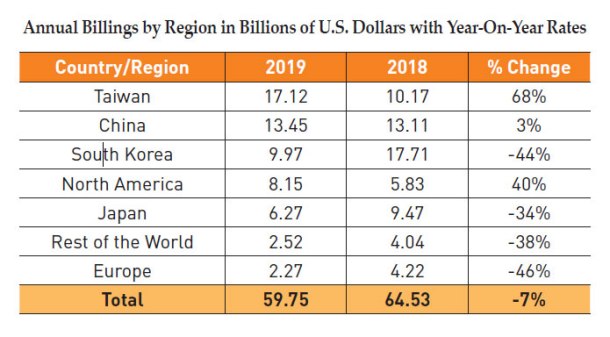
https://korean-electronics.com//inquirySemiconductor equipment manufacturers worldwide logged sales of $59.8 billion in 2019, a 7-percent drop from the all-time high of $64.5 billion in 2018. This is according to a recent report by SEMI, the industry association representing the worldwide electronics product design and manufacturing supply chain.
Taiwan claimed the largest market share for new semiconductor equipment last year with sales of $17.12 billion after a 68 percent growth surge, dislodging Korea from the top spot. China maintained its position as the second largest equipment market with sales of $13.45 billion, followed by Korea, at $9.97 billion, after receipts fell by 44 percent. While the new equipment markets contracted in Japan, Europe, and Rest of the World, North America equipment sales jumped 40 percent to $8.15 billion in 2019, the region’s third consecutive annual increase.
Global sales of wafer-processing equipment declined by 6 percent in 2019, while other front-end segment sales grew 9 percent. Assembly and packaging, along with test equipment sales, also faltered, declining 27 percent and 11 percent, respectively, while sales to China rose across all major equipment segments, except for assembly and packaging.
Compiled from data submitted by members of SEMI and the Semiconductor Equipment Association of Japan (SEAJ), the Worldwide SEMS Report is a summary of the monthly billings figures for the global semiconductor equipment industry. Categories cover wafer processing, assembly and packaging, testing, and other front-end equipment. Other front-end includes mask/reticle manufacturing, wafer manufacturing, and fab facilities equipment. <Source:SEMI>
korean-electronics.com | Blog Magazine of korean electronics, brands and Goods