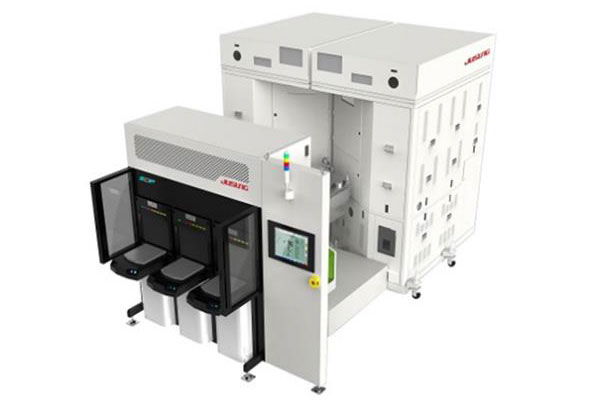
 Semiconductor equipment manufacturers worldwide logged sales of $59.8 billion in 2019, a 7-percent drop from the all-time high of $64.5 billion in 2018. This is according to a recent report by SEMI, the industry association representing the worldwide electronics product design and manufacturing supply chain.
Taiwan claimed the largest market share for new semiconductor equipment last year with sales of $17.12 billion after a 68 percent growth surge, 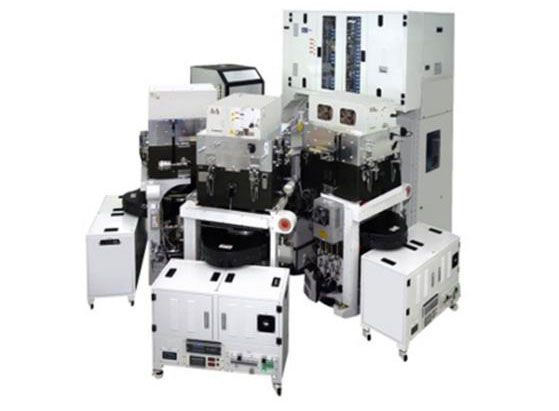 dislodging Korea from the top spot. China maintained its position as the second largest equipment market with sales of $13.45 billion, followed by Korea, at $9.97 billion, after receipts fell by 44 percent. While the new equipment markets contracted in Japan, Europe, and Rest of the World, North America equipment sales jumped 40 percent to $8.15 billion in 2019, the region’s third consecutive annual increase.
Global sales of wafer-processing equipment declined by 6 percent in 2019, while other front-end segment sales grew 9 percent. Assembly and packaging, along with test equipment sales, also faltered, declining 27 percent and 11 percent, respectively, while sales to China rose across all major equipment segments, except for assembly and packaging.
 Compiled from data submitted by members of SEMI and the Semiconductor Equipment Association of Japan (SEAJ), the Worldwide SEMS Report is a summary of the monthly billings figures for the global semiconductor equipment industry. Categories cover wafer processing, assembly and packaging, testing, and other front-end equipment. Other front-end includes mask/reticle manufacturing, wafer manufacturing, and fab facilities equipment. <Source:SEMI>

korean-electronics.com | Blog Magazine of korean electronics, brands and Goods

 semiconductor encapsulants. BCMB is a flameretardant, lightweight polymer material for electronic materials that is growing in the global market.

 advantages of reduced licensing period as a small site is utilized within the photovoltaic development site and there are almost no civil complaints.”
 Samsung’s plan is based on the phenomenon that the premium smartphone market remains sluggish, such as the prolonged flagship model replacement cycle, while the demand for mid-range and low-end phones is growing, particularly in emerging markets. In addition, it seems that Samsung has a willingness to pre-empt the Chinese makers, such as Huawei, Xiaomi, Oppo, Vivo, etc., from expanding their positions in the market of mid-range and low-end phones.
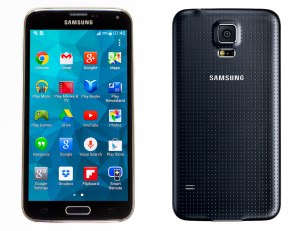 In addition to modifying its mid-range and low-end phone strategy, Samsung Electronics has also made clear its target customers. President Koh said, “The strategy organization for mid-range and low-end smartphones will have a positive impact on targeting the millennium generation (the generation born in the 1980s to early 2000s).
 CNBC and other foreign media evaluated that Samsung Electronics revised its mid-range and low-end phone strategy in order to cope with the sluggish global smartphone market.