Robotic Hand Platform

https://korean-electronics.com//inquiry

[INQ. NO. 2603E01] Wonik Robotics introduced its robotic hand platform, the Allegro Hand, at SEMICON KOREA 2026, recently held at COEX in Seoul.
During this exhibition, Wonik Robotics demonstrated three products ― the V4, V5 Plus, and V5 Sense. The V4 demonstrated handling of irregular objects based on artificial intelligence (AI). It learned spheres, rectangular parallelepipeds, and cylinders through simulations, and based on this learning, it was able to perform rotational movements with irregular objects that had not been learned.
The V5 Plus features pressure sensors at its fingertips, enabling it to grasp and hold objects with appropriate gripping force. The V5 Sense also features pressure sensors in its finger joints and palm. This allows for stable force control and allows for monitoring of contact with objects.

“Our Allegro Hand is a research and development platform, primarily targeting universities and corporate research labs,” explained a spokesperson for the company, adding “The V5 Sense, scheduled for release this year, can provide more detailed contact and pressure data than existing products, which is essential for research.”
Wonik Robotics is a robotics automation specialist that realizes industrial automation through its in-house developed autonomous mobile robots (AMR/AMMR) and robotic hands (Allegro Hand), based on advanced robotics engineering and AI technologies.

korean-electronics.com | Blog Magazine of korean electronics, brands and Goods

K-Security Recording Prosperity

https://korean-electronics.com//inquiry

Korea Startup Centers supporting overseas expansion of Korean startups

QuaeryPie, a Korean security solutions company that entered the Japanese market with support from the Korea Startup Center (KSC), is being kept busy responding to requests for collaboration from Japanese companies. It recently signed a supply contract with leading Japanese IT and manufacturing companies such as TerraSky, Payroll, and Toyota Motor Corp.
KSC, supervised by the Ministry of SMEs and Startups and operated by Korea SMEs and Startups, is serving a role as a significant stepping stone for domestic artificial intelligence (AI) and data startups to expand overseas. It supports the settlement of companies that do not have enough capital and excellent manpower, and are hampered by their lack of understanding of local policies and systems.

According to the Ministry of SMEs and Startups, 104 of the 119 KSC-supported companies, or 87.3%, succeeded in entering overseas markets last year. Overseas sales they generated through this amounted to KRW 105.9 billion and investment attraction reached KRW 580.5 billion.
KSC has five offices in Seattle, USA; Hanoi, Vietnam; Tokyo, Japan; Paris, France; and Singapore. KSC Tokyo is located in Toranomon, Minato Ward, Tokyo, which is a densely populated area with Japanese financial institutions, public institutions, and major corporate headquarters.
Shaple&Company, a provider of software-as-a-Service (SaaS)-based field work efficiency solutions, also successfully entered the Japanese market with KSC’s assistance. In particular, KSC’s active support has become a big help in expanding its business by forming bridges with large company partners such as Hyosung Japan and Samsung Japan.

korean-electronics.com | Blog Magazine of korean electronics, brands and Goods

LG Electronics Maintains No. 1 Ranking in U.S. Home Appliance Market for Second Year

https://korean-electronics.com//inquiry

Six home appliances record 22% market share
LG Electronics wins the top spot in refrigerators for the first time

LG Electronics maintained its No. 1 position in the U.S. home appliances market last year following 2024. In particular, the company has expanded its market share by ranking No. 1 for the first time in refrigerators, exceeding washing machines and dryers, which had performed strongly last year.

According to U.S. market research firm TraQline and others, LG Electronics ranked No. 1 for two consecutive years, achieving a 22% market share in six major home appliance categories last year, based on sales.
Most noteworthy this time is refrigerator sales. In addition to washers and dryers, its flagship products so far, LG Electronics achieved a 24.3% market share and took first place even in refrigerators, surpassing competitors like Samsung Electronics, General Electric (GE), and Whirlpool. This marks the first time LG Electronics has ranked first in the U.S. refrigerator market.
LG Electronics is also stepping up efforts to expand its performance in the U.S. home appliances market to business-to-business (B2B) areas such as commercial washers and the construction (builder) market. It has signed a supply contract with CSC Service Works, North America’s No. 1 laundry solution company that operates about 1.5 million commercial washers across the United States and Canada. It is also expanding its customer base by supplying commercial washers to various residential environments such as university dormitories and multi-family housing.

 
korean-electronics.com | Blog Magazine of korean electronics, brands and Goods

Samsung Electronics Reclaims No. 1 Position in Global DRAM Within a Year

https://korean-electronics.com//inquiry

Market share reaches 37%

Samsung Electronics has regained the No. 1 position in the global DRAM market from SK Hynix in a year. This is because the company has recaptured competitiveness in the high-bandwidth memory (HBM) market, and related sales have increased due to rising prices of general-purpose DRAMS.

According to market research firm Omdia, the global DRAM market reached USD 52.47 billion (approximately KRW 76 trillion) in the fourth quarter of last year, representing a USD 12 billion (approximately KRW 17 trillion) increase from the previous year. The sharp rise in DRAM prices has significantly expanded the market size itself. Samsung Electronics’ DRAM sales increased by 40.6% from the previous quarter to a total of USD 19.156 billion (approximately KRW 27.7 trillion). Its market share rose 2.9% points to 36.6%, reaching the No. 1 position.
During the same period, SK Hynix’s DRAM sales increased 25.2% to USD 17.226 billion (approximately KRW 25 trillion), but its market share fell slightly from 34.1% to 32.9%, dropping to second place. After SK Hynix gained the 1st ranking in the HBM market in the first quarter of last year thanks to increased sales, the ranking returned to its original position a year later.
It was the first time in 33 years that the top rank in the DRAM market changed since Samsung Electronics won the global No. 1 ranking in 1992. Since then, SK Hynix has taken the top spot for three consecutive quarters, until the third quarter of 2025, based on Omdia data.
Samsung Electronics’ significant sales growth in the DRAM market is driven by the overall rise in general-purpose DRAM prices. According to Counterpoint, the prices of DRAM for servers in the fourth quarter of last year rose by 76% compared to the previous quarter, and are expected to rise 98% in the first quarter of this year as well. Samsung Electronics benefits more from rising DRAM prices because it produces much more general-purpose DRAMs than SK Hynix.
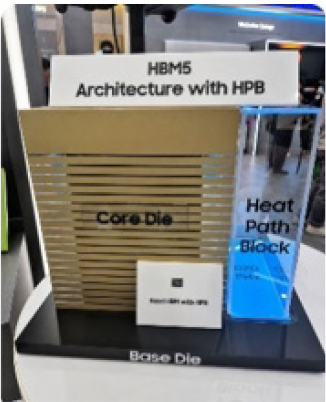
Samsung Electronics delivered HBM4 first, which will be supplied to NVIDIA this year, but SK Hynix is expected to gain the upper hand in overall supply. Samsung Electronics started supplying HBM4, capable of up to 13Gbps (13Gbps per second), in February.
SK Hynix is expected to begin supplying products in the first quarter. However, given its lead in production and yield, the market expects SK Hynix to take up approximately 50% of the total HBM4 supply, with Samsung Electronics accounting for 20%.

 
korean-electronics.com | Blog Magazine of korean electronics, brands and Goods

LS Electric Expands U.S. Plant to Meet Higher Demand for Power Grid

https://korean-electronics.com//inquiry

HD Hyundai and Hyosung Heavy Industries are also taking a step forward

LS Electric is making an additional investment in its high-voltage distribution board plant in Enoch, Utah, USA. Korean power equipment companies are rapidly increasing their exports and local production in the United States.
According to an industry source, LS Electric recently signed a contract with Utah to invest an additional KRW 200 billion in its high-voltage power distribution board plant in Enoch.
Its goal is to increase the current operating capacity of KRW 50 billion, to up to KRW 150 billion and expand the factory site from approximately 13,223m2 to about 79,338m2. It aims to start construction for expansion within the first half of the year.
LS Electric plans to increase the yield and quality of its plant to the level of its plant in Cheongju, the largest in Korea. Utah is expected to offer ‘Rural Economic Development Tax Increment Financing (REDTIF)’ benefits for this investment.
The reason for the factory expansion is the demand from U.S. big tech companies for high-voltage distribution boards for AI data centers.

In response, domestic power equipment companies, including LS Electric, are continuously increasing their investments in the region. HD Hyundai Electric intends to construct a second plant in Alabama, while Hyosung Heavy Industries plans to expand its ultra-high voltage transformer plant in Memphis, Tennessee, to the largest in the United States.

Due to the overwhelming demand for power equipment in the U.S. market, not only local production but also exports are increasing. According to the Ministry of Trade, Industry and Energy, exports of electrical equipment, including voltage regulators, cables, and circuit breakers, totaled USD 16.7 billion last year, a 7% increase from USD 15.6 billion in 2024. Exports are expected to reach USD 17.7 billion this year, a 6% increase from the previous year.
 
 
korean-electronics.com | Blog Magazine of korean electronics, brands and Goods

Seoul’s Creative Heart

https://korean-electronics.com//inquiry

Seongsu-dong From Factory Floors to Seoul’s Creative Heart

Seongsu-dong’s transformation from an industrial backwater into one of Seoul’s most vibrant cultural districts stands as a defining example of urban regeneration. Once packed with shoemaking workshops, auto repair shops, and small factories, the neighborhood has evolved into a creative hub of fashion, cafés, technology firms, and experiential retail. Rather than erasing its past, Seongsu-dong rebuilt its future on preserved red brick warehouses, turning industrial heritage into cultural capital

The Industrial Roots That Shaped the Landscape
Seongsu-dong began its rise in the 1960s and 1970s when it was designated a semi-industrial zone. Shoemakers migrated here from central Seoul as rents climbed, and over time the district became South Korea’s main handmade shoe production cluster, housing more than a thousand workshops at its peak.
The neighborhood’s identity was defined by low rise red brick factories built for efficiency and durability. Their wide interiors and high ceilings were originally meant for machinery but later proved perfect for galleries, cafés, and creative studios. What was once purely functional architecture became the backbone of Seongsu-dong’s revival.

Saving Brick Buildings Instead of Replacing Them
While much of Seoul redeveloped into glass towers, Seongsu-dong’s industrial decline in the late 1990s preserved its factory structures. Large scale demolition never arrived, leaving behind a landscape of aging but character rich warehouses.
In the early 2010s, artists and entrepreneurs moved in, drawn by affordable rents and raw industrial aesthetics. Local government later reinforced preservation through programs encouraging red brick restoration, ensuring that new development would complement the historic look rather than erase it.

Seoul Forest and the Rise of a Creative Lifestyle Zone
The opening of Seoul Forest in 2005 accelerated Seongsu-dong’s transformation. The massive urban park dramatically improved livability, attracting residents, startups, and visitors. Shared offices and social enterprises settled nearby, bringing in young professionals who blurred the line between work and leisure.
Cafés, boutiques, and restaurants soon clustered around the park, creating a walkable lifestyle district where green space met creative commerce. Seoul Forest became both a recreational hub and a catalyst for cultural growth.

Repurposed Landmarks That Defined the New Identity
Iconic reused buildings anchored the neighborhood’s cultural reputation. Daelim Changgo transformed a former warehouse into a gallery and fashion venue, preserving raw brick walls and steel pillars as design features. Café Onion converted a decades old factory into one of Seoul’s most photographed cafés, keeping its worn textures and industrial charm.
LCDC Seoul pushed repurposing further by merging old auto shops and shoe factories into a multi level cultural complex built around a shared courtyard and rooftop views. These spaces showed how industrial heritage could become immersive cultural environments.

From Trend District to Global Retail Playground
By the mid 2020s, Seongsu-dong had become Seoul’s trendsetting epicenter. Global luxury brands launched experiential concept stores here, choosing the area’s youthful creative energy over traditional upscale districts. At the same time, pop up shops appeared constantly, transforming warehouses into short term showcases for fashion, beauty, food, and art.
This fast rotating retail culture turned the neighborhood into a living exhibition space where visitors encountered something new each week, fueling its reputation as Seoul’s most dynamic hotspot.

Balancing Growth With Tradition
Major corporations soon followed, relocating headquarters and building smart office complexes in Seongsu-dong. The district evolved into a new business hub alongside its cultural fame. However, rapid success pushed rents upward, forcing many traditional artisans, especially shoemakers, to leave.
To protect local character, authorities introduced sustainable development zones, limited franchise expansion, and revitalized Handmade Shoe Street as a cultural attraction celebrating the district’s roots.

A Future Built on Old Bricks
Looking toward 2030, large redevelopment projects aim to turn Seongsu-dong into a global innovation district with startup campuses and mixed use towers. Yet its greatest strength remains the coexistence of old and new. Red brick factories stand beside tech offices, and artisan workshops operate near luxury boutiques.
Seongsu-dong’s story proves that urban renewal does not require erasing history. By embracing its industrial past and adapting it for modern life, the neighborhood has become one of Seoul’s most authentic and dynamic districts, where creativity grows from the foundations of heritage.
 
 
korean-electronics.com | Blog Magazine of korean electronics, brands and Goods

Korea’s January Exports

https://korean-electronics.com//inquiry

Korea’s January Exports Hit a Record High of $65.85 Billion


 In the first month of the New Year, Korea’s exports reached a record high of $65.85 bil., fueled by a semiconductor boom. Semiconductor exports doubled compared to the same month of last year.
According to the Ministry of Trade, Industry and Energy (MOTIE), Korea’s exports last month reached $65.85 billion, a massive 33.9% increase year-on-year. Average daily exports, taking into account operating days, also rose 14.0% to $2.8 bil., a record high.
January imports were recorded at $57.11 bil., an 11.7% increase. Energy imports decreased by 11.9%, but non-energy imports increased by 18.4%.

With exports exceeding imports, the trade balance in January reached a surplus of $8.74 billion, a $10.71 billion increase year-on-year, marking the 12th consecutive month of surplus.
Exports of 13 of the 15 major export items increased. Of these, semiconductor exports reached $20.54 bil., a 102.7% year-on-year increase. While this represents a slight decrease from the all-time high of $20.8 bil of December last year, it still represents the second-highest performance on record.

The strong semiconductor performance was largely due to rising memory fixed prices driven by demand for artificial intelligence (AI) and data center infrastructure. Compared to the same month of last year, international memory fixed prices increased by 752% for DDR4 (8Gb), 661% for DDR5 (16Gb), and 334% for NAND (128Gb).
Wireless communication devices (USD 2.03 bil., up 66.9%) increased for the third consecutive month, while computers (USD 1.55 bil., up 89.2%) saw their fourth consecutive month of growth, driven by robust SSD exports fueled by growing demand for AI infrastructure. Displays (USD 1.38 bil., up 26.1%) also saw growth for the second consecutive month.

Automobile exports rose 21.7% to USD 6.07 bil., driven by increased operating days due to the Lunar New Year holiday being moved from January last year to February this year, and strong performance in eco-friendly vehicles such as hybrids and electric vehicles.
Conversely, petrochemical exports decreased 4.5% to USD 3.52 bil., impacted by lower export prices due to global oversupply.
By region, exports increased in seven of the nine major export markets, excluding Japan and the Commonwealth of Independent States (CIS).
Exports to the USA (USD 12.02 bil., up 29.5%) were sluggish in many categories, including automobiles, auto parts, and general machinery, due to tariffs. However, semiconductor exports showed growth, setting a new record for January.
Exports to ASEAN also increased by 40.7% to USD 12.11 bil., demonstrating the continued recovery in manufacturing and trade in ASEAN countries.
 
korean-electronics.com | Blog Magazine of korean electronics, brands and Goods
KINTEX

https://korean-electronics.com//inquiry

KINTEX: Developing a Global Space Competitiveness by Constructing its Third Exhibition Center

Opening a New Runway for K-Industry

KINTEX is currently constructing its third exhibition center, scheduled for completion in the second half of 2028. This project represents an infrastructure investment aimed at overcoming the structural limitations of the Korean exhibition industry, while also embodying a strategy to steadily attract large-scale global exhibitions and elevate KINTEX on the global stage.
With the completion of the third exhibition center, KINTEX’s total exhibition space will increase from 108,000 square meters to 170,000 square meters. It will also rise from 66th to the top 30 globally in terms of exhibition space, providing KINTEX with the physical capacity to simultaneously accommodate large-scale and multi-purpose exhibitions. This will effectively establish the foundation for KINTEX’s full-fledged entry into the global exhibition market.
For KINTEX, the construction of the third exhibition center is not simply an expansion project; it is a strategic decision that reflects the reality that the competitiveness of the nation’s exhibition industry hinges on the scale of its space. The exhibition center will function as an industrial platform where technology disclosure, market validation, and contract signing can occur simultaneously. It is not simply a space for promotion, but a space where business is completed.

Accordingly, the value of offline space in the exhibition industry is actually increasing even amid the proliferation of digital technology. As of 2025, the scale of the global exhibition industry reached approximately $60 billion, with an average annual growth rate of over 5%.
The problem, however, still lies in Korea’s spatial competitiveness. Exhibition powerhouses like the USA, China, and Europe are leading the global exhibition market with exhibition infrastructure spanning millions of square meters. In contrast, Korea’s total exhibition space is a mere 310,000 square meters, occupying a mere 0.7% of the global overall scale. Compared to its economic size, Korea’s exhibition infrastructure is significantly lagging behind. This gap in space availability is leading to a significant gap in Korea’s competitiveness in the hosting of exhibitions.

The construction of this third exhibition center aims to take this challenge to the next level. Beyond mere quantitative
expansion, it will be transformed into a smart exhibition center utilizing big data and artificial intelligence (AI). With the construction of the new center, visitor flow will be managed through data, further enhancing the efficiency of matching between participating companies and buyers. Furthermore, temperature, lighting, and power will be managed automatically. The goal is to transform all aspects of exhibition center operations into a data-driven system, thereby enhancing efficiency and productivity.

The opening of the GTX-A express train line has also improved accessibility to KINTEX. With the expansion of linked infrastructure, including anchor hotels, and multiplex buildings for parking, the whole area of KINTEX is expected to develop into a self-sufficient MICE complex combining exhibitions, lodging, transportation, and business.
KINTEX’s CEO Lee Min-woo described the construction of the third exhibition center as an expansion of Korea’s business runway, emphasizing, “Exhibition centers are economic infrastructure that connects industries and actualizes contracts. The third exhibition center will serve as a significant opportunity to broaden the physical foundation for domestic companies to compete in the global market.”

Major Exhibitions in 2026

 
korean-electronics.com | Blog Magazine of korean electronics, brands and Goods
Premium Skincare Device

https://korean-electronics.com//inquiry

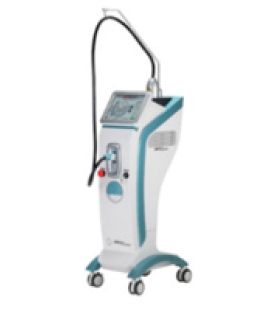
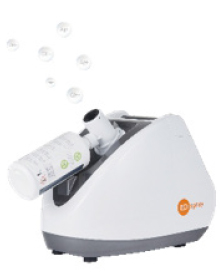
[INQ. NO. 2602E09] Healux Co, Ltd. is expanding its business into beauty devices, in addition to lifting threads. Its flagship device, HealfusionPRO, is a premium skincare device utilizing solution-based waterjet technology. The solution minimizes skin irritation while simultaneously removing impurities and improving skin condition.
HealfusionPRO features a 3D rotating tip, designed to provide three-dimensional care according to the skin’s curves. This allows the solution to be applied more evenly to the skin, and it focuses on providing a more precise treatment experience compared to the existing 2D devices.
The device is increasingly being adopted by dermatology departments and premium clinics in Korea. It is particularly popular among high-end clinics in the Gangnam and Cheongdam areas of Seoul, building brand trust through increased use.

Healux continues to achieve significant success in overseas markets. Currently, HealfusionPRO is being exported to Hong Kong, Turkey, the UK, and Mexico.
Healux is preparing to launch its Healfusion brand in the USA and Brazil. To this end, it is gradually developing product education materials and digital marketing contents tailored to the local markets. Furthermore, it is diversifying its business portfolio by expanding its export portfolio to include skin booster products like MESOGLORY.
This year, Healux plans to participate in major international exhibitions and conferences, starting with IMCAS Paris, followed by AMWC Monaco, Dubai Derma, Korea Derma, Cosmoprof Hong Kong, and the American Society of Medispa.
In particular, Healux plans to participate in the Be+Well exhibition in Las Vegas, USA, in June, marking the beginning of brand activities aimed at a full-scale entry into the U.S. market in the second half of the year.
Healux is a company providing various products and services in the medical aesthetics field, starting with the development and manufacturing of laser devices for skin treatment, and growing into a specialized company offering comprehensive anti-aging solutions. Founded in 2018 and headquartered in Seoul, Healux has expanded its global influence by distributing its products to approximately 60 countries worldwide.
 
 
korean-electronics.com | Blog Magazine of korean electronics, brands and Goods
Aesthetic Medical Devices

https://korean-electronics.com//inquiry

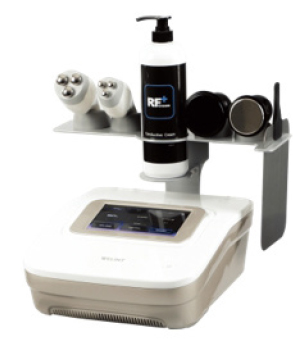
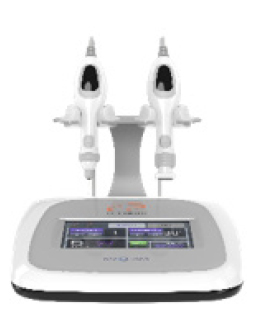
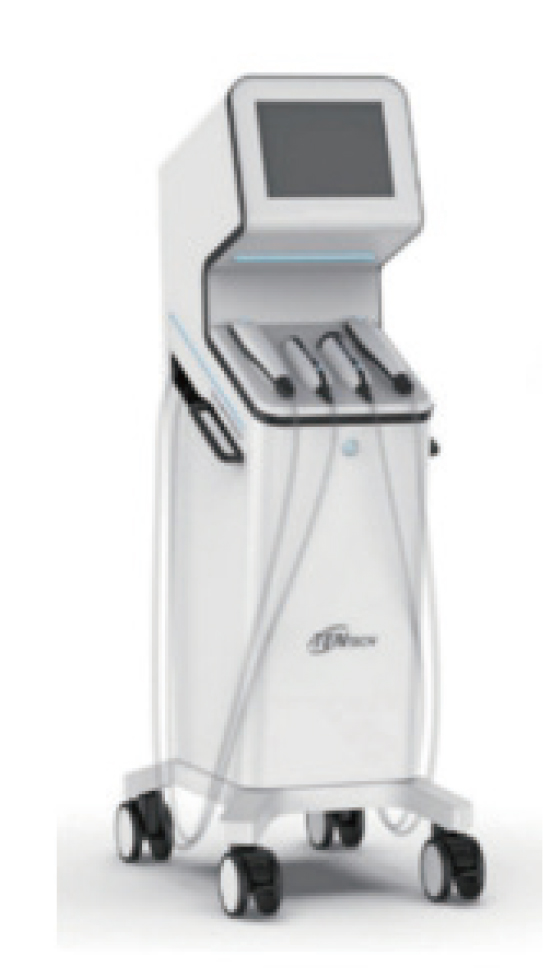
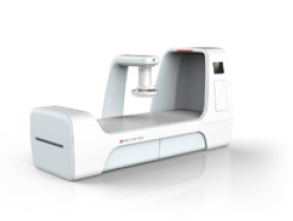
[INQ. NO. 2602E08] Chungwoo Medical, a specialized aesthetic medical device manufacturer with 25 years of experience, develops and manufactures energy-based medical devices, including radiofrequency (RF) and high-intensity focused ultrasound (HIFU) ― using proprietary technology.
With approximately 30% of its workforce dedicated to research and development and approximately 20% of its revenue reinvested in R&D, Chungwoo Medical has focused on advancing its products with clinical efficacy, safety, and user convenience in mind.

Leveraging this technological prowess, Chungwoo Medical’s products are currently supplied to over 70 countries worldwide, including those in Asia, Europe, the Middle East, and the Americas. The company is steadily securing key global certifications, including the EU’s MDR, the U.S. FDA, and Brazil’s ANVISA, thereby building its credibility in the international market.
At KIMES 2026, Chungwoo Medical plans to showcase its new aesthetic medical devices targeting the global market on an international stage, and to actively pursue overseas export sales and new distribution partners. During the exhibition, the company will conduct consultations tailored to each country’s distribution structure and regulatory requirements, based on product competitiveness, core technologies, and clinical data. It aims to establish mid- to long-term global partnerships by linking follow-up meetings and contract negotiations after the exhibition.
The APOLEX Tite, a key product to be showcased at the exhibition, is a medical device utilizing the Inside Monopolar Radiofrequency (IMR) method. Its design utilizes a patented, ultra-small temperature-sensing cannula to deliver high-frequency current to tissue to induce coagulation.
The 18g cannula minimizes the incision area, and a real-time temperature sensor enables energy control approximately 5°C before the set temperature is reached, ensuring a more stable treatment environment.

Furthermore, the device measures and controls tissue impedance in real time during the procedure, minimizing the impact on surrounding tissue and reducing the risk of charring or burns.
The ELLISYS SENSE is a medical device that uses high-frequency current to induce tissue coagulation. It features a double-shot design that delivers thermal energy to two skin layers in a single shot. It utilizes a vacuum suction system to maintain stable contact with the skin, and by controlling the needle insertion depth, it ensures even energy delivery to the target layer. Accordingly, this reduces treatment time, providing a more precise treatment environment.

The CONTLEX SENSE is a non-invasive, high-intensity focused ultrasound (HIFU) device featuring precise energy control using a magnetic cartridge. The two-way round-trip irradiation method was applied to increase the efficiency of the procedure. The two types of handpieces – line type and pen type – are supplied to enable flexible application according to the area and purpose of treatment.
Chungwoo Medical is expanding its global business into South America, the Middle East, some Asian nations, the Unites States, and Europe. By entering the market with FDA and CE certifications, the company plans to enhance brand credibility and expand its reach. Furthermore, it intends to strengthen its distribution network in South America and the Middle East to meet the growing demand for its non-invasive, energy-based devices.
Meanwhile, Chungwoo Medical plans to expand its reach with global buyers and medical professionals by participating in major international exhibitions, including IMCAS Paris, IMCAS America, IMCAS Asia, and Dubai Derma, following its participation in KIMES 2026. By launching R&D-driven new products and securing global certifications, the company plans to gradually strengthen its position as a leading K-aesthetic medical device brand.

 
korean-electronics.com | Blog Magazine of korean electronics, brands and Goods