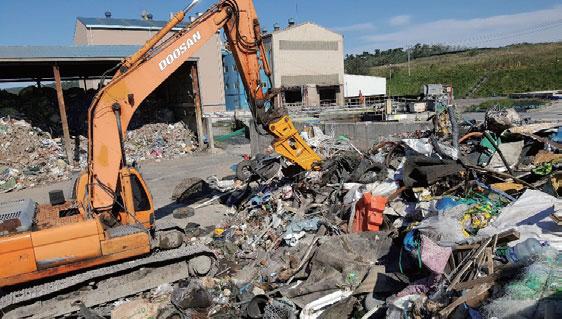
 [INQ. NO. 1908M06] TOV KOREA, as an exclusive manufacturer and exporter of hydraulic attachments for excavators, started its business with production of ZHB hydraulic breakers in 2002. With initiating of development and production of recycling waste cutters in 2016, TOV KOREA changed its name to the current name, pursuing a new take off.
The company’s recycling waste cutter was developed for the 1st stage of the comminution  of recycling large wastes and can be attached to all kinds of excavators. The cutter enables the complete 1st comminution of the needed large-sized wastes, regardless of shapes. More than ten times of output is approximately guaranteed compared to the existing similar kinds of products. The 360-degree hydraulic rotating cutter is designed with an emphasis on how to decrease worker’s fatigue while ensuring a certain level of efficiency and safety.
Moreover, the cutter has a significantly low-level of incidence of AS, has easily replaceable consumable parts, and has unrivalled high-durability over other products. The cutter shows high-performance in cutting rollers, large-sized wasted-tires, films, vinyls, wasted nets, etc. in a shorter operating time than other products. It is expected that the companies engaged in collecting and transporting of wastes will certainly see significant increased productivity by utilizing this innovative product. TOV KOREA hopes to grow into a bigger company with consistent sharing of the fruits of its growth with its valued partner companies.
korean-electronics.com | Blog Magazine of korean electronics, brands and Goods
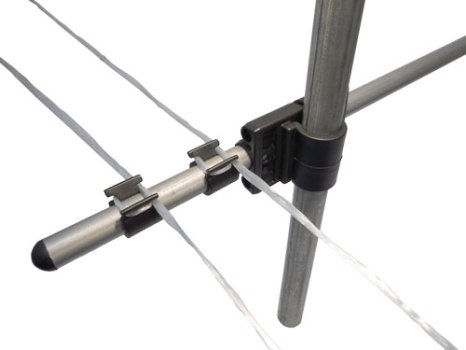
 adjust it conveniently according to the growth of a certain crop, with no necessity for further installment or replacement of the trellis. Acccordingly, this trellis is especially recommended for farmers to grow perennial berry crops such as blueberry, aronia, blackcurrants, etc.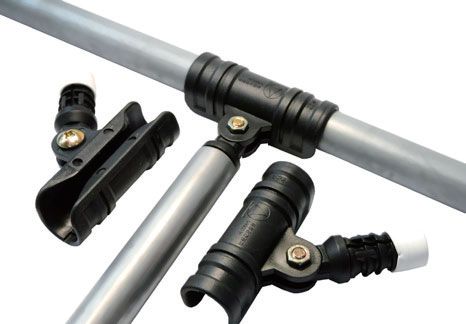
 The special vehicle is being used in order to help the workers operating in places that are at least more than two meters above the ground by elevating a worktable to the necessary height, with the worker on board. It is a special vehicle that has systems for the worktable’s two major operations − ascending and descending.
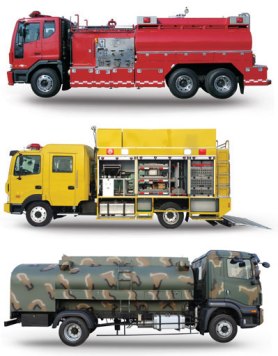 Rescue Trucks (5 ~ 8.5 ton) are equipped with several proper rescue equipment for lifesavings in disaster area. These trucks can each be fitted with various types of equipment according to the specifications ordered by customers.
 using its products; and it will give the highest level of satisfaction by introducing the optimal products with lower prices according to each customer’s needs.
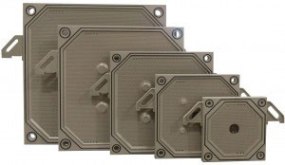 Blu tec developed an eco-friendly filter press that requires no electricity and thus increases convenience and safety for customers. It directly managed to produce and do trial runs for various sizes of filter presses such as laboratory filter press, high-capacity filter press, etc.
 Blu tec can supply and install pumps with accurate designs according to customers’ requests. Blu tec will reward its valued customers by contributing to a cleaner planet.
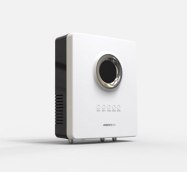 The company’s electric instant water heater has approximately six percent higher heating-efficiency than a conventional metal heating element. By using the TCM heating element, the electric instant water heater can always provide clean warm water without rust caused by oxidation and corrosion. Also this can swiftly provide warm water within only five seconds after starting the operation for heating water, and it thus can minimize the power consumption.
 And as the TCM heating element is shaped like a glass-tube, it is not exposed to the danger of oxidation and corrosion, and thus no maintenance costs are involved. This heating element’s lifespan is semi-permanent as it delivers a regular level of heating-efficiency, not affected by corrosion. All of its products are now being manufactured, based on the TCM heating element.
 VR Adventure Game