Four Points by Sheraton Seoul, Namsan

Untitled-35.jpgLocated in Seoul’s lively Yongsan-gu area, north of the Han River, Four Points by Sheraton Seoul, Namsan offers convenient access to business areas, tourist attractions and public transportation. It is directly connected to Seoul Station, one of the city’s major railway stations, via an underground passage. Also, Incheon International Airport is just 60 minutes away via the Airport Express train.
Four Points by Sheraton Seoul, Namsan occupies floors 19 to 30 of a mixed-use development tower. The hotel offers 342 sleek and comfortable guestrooms, each featuring spectacular panoramic views of downtown Seoul. All the guestrooms are equipped with the signature Four Comfort Bed™, fast and free WiFi and complementary bottled water.
The Eatery, the hotel’s inviting all-day dining restaurant, presents an extensive menu of local and international cuisines—ideal for business lunches, family get-togethers, and romantic dinners. For social gatherings, The Bar offers an extensive selection of drinks, snacks and craft beers from the brand’s signature Best Brews™ Program, which features an authentic local brew along with a selection of international beer. The hotel offers 54 square meters of function space and two private dining rooms, and a business center provides support services for corporate meetings and social events.
In the Asia-Pacific region, Four Points is Starwood’s fastest growing brand, with 42 hotels in operation and more than 50 hotels in the pipeline. In addition to Four Points by Sheraton Seoul, Namsan, the brand was on track to open eight properties in key destinations across the Asia-Pacific by the end of 2015, including Bali and Makassar, Indonesia; Chengdu, Penghu, and Hefei in China and Vadodara in India.

• Four Points by Sheraton Seoul, Namsan
37-85 Dongja-dong, Youngsan-gu, Seoul, Republic of Korea
Tel: (82-2)6070-7000 Website: http://www.fourpoints.com/seoulnamsan

korean-electronics.com | Blog Magazine of korean electronics, brands and Goods

Becoming a Global-Leading Innovation Enterprise in the Electrics and Automation Field

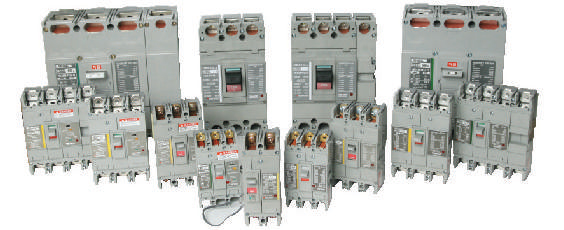
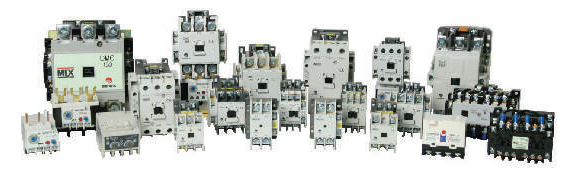
Since its establishment in 1974, LSIS Co., Ltd. Untitled-35has grown as a global leader in the electrics and automation field, leading the global market by producing electric power solutions and systems, such as transformers, circuit breakers, LV/MV switchgear, etc. It also produces automation solutions, such as PLC, HMI, and inverters; and, in addition, the main parts of railroad systems and electric cars, the eco-friendly systems such as photovoltaic and energy storage systems.

Chairman & CEO Shin Dong-hyuk


Korea’s representative enterprise in the electrics and
automation field

LSIS Co., Ltd, established in 1974, is Korea’s representative enterprise in the electrics and automation field. After having seceded from LG Group in 2003, it was relaunched under the current corporate name. In 2015, it established the new vision of “Futuring Smart Energy” through the proclamation ceremony of value management. About 3,500 executives and staff members, including CEO Koo Ja-kyun, work for LSIS, which is composed of the Operation Headquarters including Smart Power Distribution, Smart Power Transmission, Smart Industrial Automation, and China Headquarters, and the Support Department, such as CTO.
The turnover in 2015 was about KRW2.2 trillion.
LSIS has its Head Office and R&D Campus in Anyang, and domestic places of business in Cheongju (1&2), Cheonan, and Busan (1&2), respectively, and overseas subsidiaries/branches in China, Vietnam, Japan, etc. LSIS produces electric power solutions and systems, such as transformers, circuit breakers, LV/MV switchgear, and automation solutions, such as PLC, HMI, inverter, and, in addition, the main parts of railroad systems and electric cars, and eco-friendly systems such as photovoltaic and energy storage systems.
For electric power solutions and systems, LSIS offers a whole lineup ranging from low-voltage solutions to extra-high voltage electric power, such as power transformers and GIS (gas insulated switchgear), and also high-voltage direct current (HVDC) and flexible alternating current transmission systems (FACTS) as well as alternating current system.

Pursuing various innovation projects

In the field of Smart Power Transmission projects, LSIS is pursuing its convergence/integration solution project grafting IT functions onto high-voltage power equipment and systems. Its main products consist of GIS (gas insulated switchgear), power transformers, etc. for transmission of electricity generated by a power plant, and PDPS (Power equipment diagnostic & Prevention system), high-voltage direct current (HVDC) transmission systems, etc., for stable operation of power equipment. LSIS provides both total solutions of high-voltage power system ranging from AC system to DC system and onestop solutions, from design to construction. Furthermore, LSIS also promotes eco-friendly and new projects, such as smart grids, automobile electronic systems, photovoltaic solutions, and railroad systems.
In the field of Smart Power Distribution projects, LSIS produces products of low- to medium-voltage, such as vacuum circuit breakers (VCB), air circuit breakers (ACB), molded case circuit breakers (MCCB), which are positively necessary for supplying power to facilities for industry, commerce and residences. In addition, LSIS fosters next-generation business, such as smart meters and IED (Intelligent Electronic Devices).
In the field of Smart Industrial Automation projects, LSIS provides various solutions related to factory automation based on the automation solution. Main products consist of PLC (Programmable Logic Controller), low- and medium-voltage AC Drive, HMI (Human Machine Interface), and LSIS also conducts business in automation systems and the E/S (Energy Saving) field.
To explain in detail the eco-friendly field, in the smart grid field, LSIS provides xEMS (energy-management solution) under the brand name of “GridSol.” The main solutions consist of HEMS, BEMS, and FEMS (for houses, buildings, and factories, respectively). Meanwhile, LSIS’s R&D Campus has recently obtained certification of BEMS installation for the first time in Korea. In the field of energy storage systems (ESS) attracting attention these days, LSIS provides solutions for commerce/ industry, frequency regulation and renewable energy applications, etc. under the brand name of “EnGather,” thereby helping utilize efficiently the electric energy stored in the battery.

Untitled-36.jpg
Persistently striving for localization of HVDC technology

LSIS has been persistently investing in the localization of HVDC (high voltage direct current) technology called the centerpiece of next-generation power transmission. HVDC is the technology of supplying power by converting the alternating current power generated at the power plant into direct current, and it is the method of power transmission which has recovered shortcomings of alternating current power transmission, such as loss of power transmission. Due to increase of long-distance power transmission demand, increase of construction of large-scale offshore wind complexes, increase of grid connection between countries, increase of grid stabilization demand, etc., HVDC is receiving attention as the core field of the next-generation electric power market. LSIS started the joint research with KEPCO (Korea Electric Power Corporation) in 2009 for developing the conversion technology, and has secured the operation technology by successfully installing the ±80kV, 60MW test site on Jeju Island.
Moreover, in 2013, LSIS was selected as the transferee of the HVDC core technology from KAPES (KEPCO-Alstom Power Electronics Systems Inc.), the joint venture company established by KEPCO and Alstom of France. LSIS also participated in the DC500kV-level HVDC project between Bukdangjin and Godeok, promoted by KEPCO and KAPES, and plans
to manufacture and supply key components of converter stations until the first part of 2017.
HVDC can be classified into LCC (line-commutated converter) and VSC (voltage-source converter) according to the conversion method (the semiconductor device used in the converter). Since ABB succeeded in commercial operation for the first time in 1954, LCC has become widely known all over the world, and in Korea, both 2 HVDC cable routes installed between the land and Jeju Island and the HVDC project between Bukdangjin and Godeok are LCC.
Though VSC (voltage-source converter) has a comparatively short history (succeeding in the commercial operation in 1997 for the first time), it is a field rapidly growing on the strength of the business environment changes such as expansion of offshore wind. VSC has still lots of shortcomings in price, loss, maximum voltage and capacity, etc. compared with others, but it has also many selling points─e.g. it is excellent in function, and requires only small space for installation. By combining HVDC with the prior technology research related to VSC-type HVDC from the beginning of HVDC business, LSIS has already secured the generic technology, such as control algorithm, and is preparing for entering into the market at the appropriate time of market advancement through product development utilizing similar technology, like MMC STATCOM.
FACTS (Flexible AC Transmission Systems) is the collective name of various compensation devices enhancing efficiency of alternating current power systems, among which SVC (Static Var Compensator) was supplied the most and STATCOM has recently started to capture the limelight. Technologically, SVC is similar to LCC-type HVDC, and STATCOM to VSC-type HVDC respectively.
LSIS already developed the ±100MVar-level SVC system and has succeeded in delivering the system to 154kV-level substation of LS-Nikko Copper Inc. and operating it. In addition, as mentioned above, LSIS plans to release the MMC STATCOM (the system evaluated as the most advanced STATCOM reducing power loss and minimizing the effect of harmonic wave compared with the existing STATCOM) utilizing the generic technology of HVDC.

Expecting to grow as a global leader in the field of nextgeneration
smart grid systems

It seems to be premature to comment on the result as there are still many technologies under development but, if LSIS secures the above-mentioned systems (LCC-type HVDC, VSC-type HVDC, SVC and STATCOM), it will be equipped with the AC/DC portfolio ranging from low voltage to extra-high voltage. LSIS thus expects to not only establish its reputation as the representative enterprise of electric power solutions and systems, but also operate the business stably by providing systems complementary to one another.
The smart-grid system nationally, will play a role in efficient operation of the power system, and the industrial system will contribute to enhancement of the power efficiency in steel plants, and so forth. If LSIS enters the global market where sales of HVDC and FACTS are rapidly growing, LSIS is expected to gain an advantage preferably in narrowing the gap between itself and the advanced global companies, compared with the market of existing alternating current power systems, which is evaluated to be mature in the aspect of technology/business/market.
Since initiation of the full-scale business/development in 2010, LSIS looks forward to the first sales of HVDC in 2016. If the business gets off the ground, LSIS expects not merely to increase sales but also to join the ranks of global leaders in the nextgeneration smart grid systems.

korean-electronics.com | Blog Magazine of korean electronics, brands and Goods

Aiming to Become a Global Healthcare Enterprise

Untitled-30.jpgEstablished in 2001, CHUNGWOO Medical Co., Ltd. is an enterprise specializing in ITintegrated medical devices and now it has grown as a representative specialized enterprise of medical equipment in Korea in the high-end brand area having applied radio frequency and ultrasound technology. At present, it is earning a high reputation for its various high-quality brands in promising markets all over the world, including the regional market, and the domestic market. In addition, based on the company’s sound technological prowess on the strength of systematic and steady R&D, it is aiming to become a global best enterprise specializing in medical devices.

CEO Il-kwon Lee

Korea’s leading enterprise specializing in IT-integrated
medical equipment

CHUNGWOO Medical Co., Ltd. is an enterprise specializing in the IT-integrated medical equipment and is developing and producing diverse and specialized medical equipment based on new ideas, new technology, and new concepts. Based on the management philosophy of “Contribution to healthy and beautiful life,” and with the management goal of giving priority to “Confidence”, “Technology,” and “Quality,” and with the staff’s challenging spirit and innovative thinking, it produces only the products which can satisfy the customers. As a result, it is building up confidence, along with favorable evaluations in many countries besides Korea.
CHUNGWOO Medical has differentiated its products with the high-quality strategy carried forward consistently, based on high performance, high quality, and excellent design. With the company’s original technology secured over a long period time and high-quality competitiveness, it has been striving for development of new products continuously. As a result, it is planning to expand its business into various medical device areas in the medium- to long-term and, furthermore, continuously endeavors to become a
global healthcare enterprise.

Leading the domestic market with high-end brands in the
areas of skin, obesity and beauty treatment

CHUNGWOO Medical is an enterprise specializing in radio frequency and ultrasound medical equipment. Anchor products are APOLEX, the liposuction equipment using the radio frequency and CONTLEX, the equipment for reduction of skin wrinkles and lifting using the ultrasonic energy. APOLEX is the only liposuction equipment equipped with radio frequency in Korea. As the 1MHz RF(radio frequency) technology was applied for the first time in Korea through the development of Cannula to which the company’s technology has boiled down, APOLEX is the liposuction equipment capable of operating lifting as well as fat melting and liposuction simultaneously, which is differentiated from other equipment.
Besides APOLEX, CHUNGWOO Medical is producing diverse and specialized medical equipment for skin, obesity and beauty treatment, such as ROBOLEX which is a therapeutic equipment for treating obesity combined with the synergy effect of vacuum suction, radio frequency and laser. ELLISYS is a skin regeneration equipment that proliferates fibroblasts fit for the patient by sticking a gold-plated fine needle into the required skin layer and putting the radio frequency into the needle, and thereby making minor injury and collagen denaturation poles. By synthesizing collagen and elastine, and, as a result, maximizing the spontaneous cure of skin, RAFOS Premium is radio frequency equipment including the function of both CET and RET as the device capable of treating the cellulite reduction and pain most effectively.
CONTLEX is skin lifting equipment using ultrasound, and at present it is a key skin-related product and one of the best-selling items. Its distinct feature is that it generates heat in a specific part which is effective for lifting by high-intensity focused ultrasound, then coagulates the part and thus does not incur thermal damage except for the focused part. As the skin does not turn red and no scabs are formed, daily life is possible immediately after the operation and extra recovery time is not required, thereby enhancing the patients’ satisfaction.

Acknowledged as Korea’s best enterprise in the
industrialization of HIFU

Medical application of ultrasound started at the time of World War II, and since then ultrasound not only has held an unchallenged position in the 21st century diagnosis and treatment domain, but also has been developing repeatedly these days through fusion of medical imaging equipment like MRI and treatment technique using laser, etc.
Among these, since it appeared for the first time in 1993, HIFU (High-Density Focused Ultrasound) has been developing and recording high growth with China as the center, which is leading the relevant research, technical development and industrialization on the strength of state-level active investment and support, as well as in the USA, Europe and Japan.
On the other hand, in Korea, most of the medical equipment applying HIFU is still foreign-made, and the level of relevant research and technical development remains in the beginning stages, thereby requiring urgent countermeasures.
In relation to product development applying HIFU technology, explained, “In order to initiatively break through this situation in Korea, CHUNGWOO Medical has been proactively proceeded with meticulous research on HIFU. Owing to this result, we are acknowledged as Korea’s leading enterprise both in name and reality in terms of industrialization of HIFU, enough to be selected as one of the 100 excellent products of the State Research and Development.”
In a situation where there is growing competition among advanced countries of HIFU-applied medical equipment technology, such as the USA, Europe, Japan, China, the performance and technological prowess of the HIFU-applied ultrasonic equipment provided by CHUNGWOO entirely with domestic technology are evaluated to stand comparison with those of advanced countries. Based on this technological prowess, the company is extending the application scope of the device to abdomen, thigh, etc., as well as face.
Regarding the specific sales increase followed by activities of CHUNGWOO’s ultrasound and radio frequency product brands, CEO Lee explained, “Last year, we marked a turning point on the strength of lineup of ultrasound and radio frequency products, like passing KRW 10 billion of sales. This year, we will not only step up to enter the first-class medical equipment business circle by accomplishing groundbreaking growth to reach up to KRW 20 billion in sales, but also strive for the development of core technology all the more in order to release both the technology-leading products of the ultrasound/radio frequency area that we have pursued continuously for contributing to the development of the domestic ultrasound industry and the higher value-added products meeting the expectations of users.”

Dream of becoming a specialized enterprise of the worldbest
medical equipment

With regard to the technological competitiveness and strengths of CHUNGWOO Medical CEO Lee said, “We can say the strengths of CHUNGWOO Medical are that we possess a total of 28 domestic and international patents obtained until now, and we have more than 30 pending patents. We focus on investment in technology to the extent that 40% of the 70 staffs are R&D personnel. By investing more than 15% of sales in the development of medical equipment every year, we release two to three new products annually.”
Also, about the future export strategy, CEO Lee emphasized, “At present, the sales ratio of the company between domestic sales and export is 2:8. In the future, we have a plan to raise the ratio of export from the present 80% to 90% by becoming a specialized company of the world-best medical equipment on the strength of developing various products of higher value-added profit models. We will ceaselessly strive to become a global leader challenging the competition with trust and technological prowess in the world market.”

Apolex / Contlex / Ellisys / Robolex


korean-electronics.com | Blog Magazine of korean electronics, brands and Goods

SCCM industrialization and applications

Technology overview: Public interest in fresh and safe food is growing faster than ever along with improved quality of life and the use of online markets is giving rise to the demand for cold chain systems. However, the domestic market for refrigerated transportation is seriously lacking modernized systems and technologies for effective establishment and operation of the systems.
Inhttps://korean-electronics.com//inquiry particular, pre-cooling is hardly applied to agricultural products at production sites, and only 27.8% of such farm produce is shipped under refrigeration. Lack of proper temperature control often leads to considerable loss of products and even to disposal.
This project of SCCM Industrialization and Application was carried out in response to the rising demand for cold chain systems in order to develop smart cold chain management technologies for real-time remote temperatures/humidity control.
The smart cold chain management technology monitors temperatures/humidity in real-time by installing wireless sensors in vehicles and logistics facilities, collecting data from 50 sensors at the same time for location-specific management. Additional features can be easily installed as well. The application of the smart cold chain management is expected to improve the quality of logistics services and minimize the costs of the entire supply chain.

Industrialization: The smart cold chain management technology has been applied to a variety of sites in order to assess feasibility of industrialization. As to the food industry, temperature/humidity sensors were installed in a mushroom container, monitoring the inside of the container in real-time so as to analyze causes of product spoilage, which reduced annual average logistic costs and products loss by KRW 500 million. In the pharmaceutical industry, the smart cold chain system was applied to logistic warehouses so as to track temperatures of medicine, and application to hospitals has been verified as well through process analysis and test bed establishment, targeting four major hospitals in Korea.
In the apparel industry, the technology was applied to products sensitive to humidity such as leather with the purpose of preventing mold, which actually saved annual average product loss of KRW 26 million. In the CPG industry, the technology proved to be useful for preventing product damage and quality degradation during winter, lowering damage of CPG with high water content from 3% to 2%.

Problem-solving in industrialization: In Korea there are no regulations or regulatory systems on frozen or refrigerated food for the smart cold chain management and thus, internal standards of manufacturers or logistics services providers are applied voluntarily. There are no standardized regulations for handling perishable food either. As for livestock products, there are recommended expiry dates (24 months for frozen meat, 90 days cooled beef, and 45~55 days for cooled pork). Only the Livestock Products Sanitary Control Act stipulates that temperatures of transport vehicles should be maintained at 0~15℃.
Due to this lack of laws and regulations for mandatory temperature control of food, application of the smart cold chain management system was not easy but the company persuaded customers by highlighting that introduction of the system can prevent food spoilage or mold on clothing and improve quality of products through effective temperature/humidity control solutions applied to vehicles and storehouses.

Untitled-29.jpg

korean-electronics.com | Blog Magazine of korean electronics, brands and Goods

Proprietary technology of factory-integrated DMS

Technology overview: The technology of a digital factory and simulation realistically visualizes key elements of automatic manufacturing processes via 3D graphics so that a user can operate a virtual factory with the purpose of predicting and analyzing possible problems, performing design, verification, and correction of production methods in advance, and supporting optimized distribution of the factory’s resources, facilities, and human resources.https://korean-electronics.com//inquiry
More specifically, the technology establishes a virtual factory based on a general drawing and facilities control codes without building actual production lines. In addition, operation of facilities can be performed/verified/corrected in advance by applying control logic of facilities to a virtual factory. The company has also secured a technology for creating 3D models containing kinematic/electrical information and physical sensors and for high-speed processing of large-volume 3D graphic data.
Furthermore, they have succeeded in conversion and simplification of facility design data for 3D simulation, performance of a safety/equipment collision test, creation of an operator-friendly process chart, alignment of simulated production methods and mechanical movements with control programs, and application of a physical PLC controller and HMI in use.

Untitled-28.jpg

Industrialization: The 3D simulation technology was applied to thirty domestic/overseas new, modified, and mixed assembly lines of the Hyundai-Kia Automotive Group in order to verify their mechanical and electrical design, which reduced designed man-hour and improved the quality of control programs. Prior to actual set-up of a factory, virtual trial operation could minimize the period of the actual trial operation for preparing massproduction.
Furthermore, the technology could help to deal with frequent modification of production methods and mixed models, standardize PLC programs, and improve competitiveness compared with imported SW, and thus is being applied to the body, press, painting, and trim lines.
Currently, advancement of the technology is under way in response to requests of customers such as a phase shift circuit and monitoring. The technology has been applied to the standard PLC simulator of the global production technology training center of the Hyundai-Kia Automotive Group and to the integrated simulator and CPS simulator of the 3D virtual technology support center of the Korea Electronics Technology Institute.

Problem-solving in industrialization: Since domestic companies have introduced high-priced SW licenses, companywide application was not easy and customers had difficulty in using the virtual factory and simulator.
Requirements of customers were different depending on circumstances of each site, calling for continuous field tests to produce effective results. Thus, the company established a standardized template suitable for automobile manufacturing processes and achieved a virtual factory and simulation engineering services that match the site by up to 95%. These achievements were included in the regular process development procedures along with relevant services. The industrialization was largely divided into licenses and engineering services thereafter.
Based on the confidence that the smart factory technology is crucial to the future manufacturing industry, ceaseless R&D efforts were made in order to meet specific requirements of the site. The pilot and performance tests helped to reflect a customer’s know-how and specific production features of each industry. With the proprietary technology of the smart factory, the company offered effective management and standardization for control of old facilities and operation of processes.
The simulator was made more user-friendly while solutions for a simulator, controls design, operation, and monitoring as well as relevant training programs were offered to the global production technology training center of the customer.

korean-electronics.com | Blog Magazine of korean electronics, brands and Goods

Multi I/O digital predistortion amplifier module for 4G LTE and WiMAX

Technology overview: The goal of this task is to develop a multiple I/O digital https://korean-electronics.com//inquirypredistortion power amplifier module and RRH system, and technologies for respective components are as follows: First, CPRI ASIC chip development was progressed based on CPRI standard interface protocol through RTL code design verification, commercial trial product manufacturing, and CPRI Back-end design, and signal properties were verified through system interlocking test. Second, CFR•DPD ASIC chip development was progressed based on RTL design for CFR•DPD algorism through small low power commercial CFR•DPD trial product manufacturing and CFR•DPD Back-end design, and signal properties were verified
through system interlocking test. Third, CFR•DPD predistortion technology and commercial high efficiency power amplifier module suitable for RRH system were developed, and Asymmetric Doherty structure power amplifier was developed to improve efficiency.
Also, peak power and phase were optimized applying phase shift based drive stage structure, and high efficiency power amplifier was developed, enhancing the efficiency of power amplifier one step more and applying Envelope Tracking technology for gate bias.
Finally, small, low power, light RRH system could be developed based on the development of respective elements mentioned above, and high efficiency RRH system that could satisfy the task goal was developed through tests.

Industrialization: High efficiency RRH facility investment was promoted by mobile communication service providers during domestic 4G LTE commercialization and service expansion in 2012. For domestic 4G RRH, Samsung Electronics led the supply of 4G RRH, while FRTEK utilized the technology developed through this task, promoted joint development agreement with Samsung Electronics and achieved industrialization. In 2012, KT and Samsung concluded accompanied growth agreement, participated in constant 4G LTE RRH development, and completed development for KT LTE RRH 20W (Samsung RRH ODM). Since 2012, FRTEK has carried out industrialization persistently for high efficiency 4G RRH. Also, in regard to high efficiency power amplifier, one of participant, Sungsan Electronics & Communication applied Asymmetric Doherty power amplification technology, achieved the industrialization of power amplifier with Axell Wireless in UK. The company also developed 40W Asymmetric Doherty power amplifier for US use and keep promoting high efficiency AMP industrialization persistently.
FRTEK utilized technology developed through this task, applied high efficiency direct to Multiband in-building DAS system, and now the company is progressing the expansion of
industrialization areas and promoting constant business expansion through high efficiency technology in the field of mobile communication.

Problem-solving in industrialization: Because there is significant data consumption due to the expansion of 4G LTE services, mobile communication frequency and service bandwidth are expanded, which causes difficulties in utilizing high-efficiency technology, but technical skill for GaN TR, a broadband highefficiency amplifier element, and Doherty utilizing technical skill has been consistently developed. In system field, application of DPD•APD, which is digital technology, was excavated, and issues about multiband multi operator were solved and the industrialization is being expanded consistently.

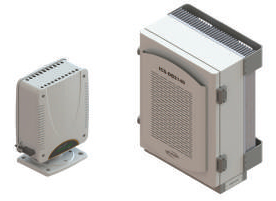
LTE RRH system (output applied FDD RRH•TDD RRH system)
CFR•DPD module and ASIC


korean-electronics.com | Blog Magazine of korean electronics, brands and Goods

0.8mm touchscreen panel with an integrated window for mobile devices using thin tempered glass

Technology overview: Resistive touch screens are being fast replaced by capacitance screens along with appearance of iPhone, etc. because capacitance screens provide a much softer touch. Today, a touch screen has become the most preferred input device as it allows a user to perform more easily and instinctively.https://korean-electronics.com//inquiry
A slim touch sensor technology, which is applied to a wide range of devices such as tablet PCs in addition to smartphones, appears to be emerging as a major trend in the area. A touch sensor with integrated window does not require ITO film and thus can be made slim with competitive prices, high transmittance, and thin bezel. Integrated windows can be made by either a cell process or a sheet process but the sheet process is more advantageous in terms of productivity and prices.
To make the sheet process possible, the touch sensor unit is coated with tempered glass but the strength of tempered glass gets lowered during the cutting process and this is the reason why new technologies should be developed such as technologies for increasing strength of sheet glass and tempered glass, cutting tempered glass, securing strength of tempered glass, and manufacturing thin film material and sheet for a touch sensor.

Industrialization: Development of the touch screen with integrated window for a smartphone began in January 2011 and was completed at the end of 2012 along with mass-production. The product began to be shipped to Company S in Japan from 2012, and the accumulated sales have reached KRW 125 billion.
In 2015, mass-production of a camera window, employing the same technology, succeeded through the sheet process, and supply of the product to Company S in Korea has led to sales of KRW 12 billion. This mass-produced product has applied GDP (Glass Direct Patterning) for the first time and allowed the company to be registered as a primary vendor for Company S. In 2016, the technology is applied to 0.1~0.2mm-thick tempered glass products such as a finger-scanning home key, whose sales are increasing in the market. This is expected to allow the company to increase export and to enter new markets.

Problem-solving in industrialization: It was not easy to introduce the new touch screen product to major smartphone brands without sales records from the establishment of the venture business in 2010. But the company has met quality requirements of a customer by developing samples a dozen times and won trust from a demanding Japanese customer by presenting meticulous plans for mass-production and installation of the necessary facilities.

korean-electronics.com | Blog Magazine of korean electronics, brands and Goods

Intelligent BT-NT-IT integrated platform based water-treatment core technology

Technology overview: Intelligent BT-NT-IT https://korean-electronics.com//inquiryplatformbased water-quality automatic measurement core technology and water treatment core technology has been developed that can monitor water quality of a stream or water quality change of a sewage-treatment facility in real-time using data obtained from the micro-modular water quality automatic measurement device and provide the function of actively preventing environmental pollution.
Using developed technology not only can it detect and respond to a water-quality-pollution accident by monitoring, in real-time, pollutants such as organic matters, nitrogen, phosphorus, etc., existing in first rainwater overflows and wastewater from a sewage treatment plant flowed in to a stream and lake but also it can actively change an operation module of a sewage treatment plant responding to pollutant inflow change.
Developed technology is composed of three specific technologies: First, micro-modular water quality monitoring technology is the measurement technology calculating TN, TP and BOD by analyzing concentration of organic matters (DOC), nitrogen (NH4+, NO2-, NO3-) and phosphorus (PO43-), which is the core information for water quality of streams (including lakes), first rain water overflows and wastewater of a sewage treatment plant, and 6 general items and, based on this, operating a software sensor. All of these measurements are completed in 5 minutes and it has accuracy less than 5%.

Manufactured Micro-modular Water Quality Automatic Measurement Device
/ Manufactured Smartphone Based General Items Water Quality Measurement Sensor

Second, micro-modular water quality automatic measurement device based water quality gathering and responding technology is the technology that can detect, predict and respond to a water quality polluted situation using a developed model by collecting measured water quality information as a standardized form through a smartphone communications network or wireless communications network such as WiFi, etc. Third, water quality automatic measurement device based city overflows/sewage treatment facility process controlling technology is the technology detecting water quality change of city overflows and sewage inflows in real time using the micro-modular water quality automatic measurement system and based on this, controlling facilities treating city overflows and sewage treatment plants. Based on this, among overflows flew in to a stream quickly when raining, BOD, SS and TP are removed about 7~80%, > 90%, > 90% respectively.

Industrialization: The intelligent BT-NT-IT integrated platform based water treatment core technology development research team achieved results of 33 cases of technology transfer and 49 cases of industrialization (technology transfer 641 million won, sales 1.44 billion won) until a task is completed. First, the foundation for advancement into overseas markets has been established through development of a micro-modular water quality automatic measurement device. Water quality automatic measurement devices developed in this project and water quality information and management technology have been applied to the developing country (Sri Lanka) project to establish a system optimized to operate a water treatment system. Next, a multi-channel water quality measurement device was exported to Malaysia and future industrialization was promoted through micro-modular water quality information gathering and responding technology. Furthermore, the flow analysis and modelling to manage water quality has been conducted by applying a stream water quality prediction model developed in this project to Malaysian streams. Through this, sales of about 660 million won were achieved. Also, a contract to introduce a Malaysian traditional market sewage treatment plant of the water treatment system was under way based on this.

Problem-solving in industrialization: There was a difficulty when applying for a formal approval in Korea for the reason that it is excellent technology but different from existing methods. However, to overcome difficulties to enter into a domestic market due to regulations enacted mainly for existing measurement methods, we advanced to an overseas market first and succeeded in overseas industrialization while proceeding with a product’s field application and enhancement. Regarding developed water treatment technology, we faced the reality of the saturated domestic market and proceeded with technology marketing through overseas human networks of a person in charge of research. Also, technology verification and field visits were managed while continuously operating a pilot plant installed in a domestic sewage treatment plant. Through these efforts, we established the foundation of overseas business and overcame difficulties of domestic business by transferring technology to domestic and overseas companies.

korean-electronics.com | Blog Magazine of korean electronics, brands and Goods

Vessel sealer of laparoscope operation tools

Technology overview: Of laparoscope operation tools, vessel sealer is used to control hemorrhage in blood vessel with high frequency. If a blood vessel is not bound up properly during operation, https://korean-electronics.com//inquirythere would be serious internal bleeding, sothis is a high risk product and many trials and errors were required in manufacturing all parts because this is the nation’s first production. The first approach to make a difference from existing multinational companies’ products is design for user’s convenience, as a handle is applied so it can reduce muscle fatigue than existing products. Second, Sunnedix insulates pipe and rod and removes wires, whereas existing products are using wires to flow bipolar electricity to 5mm diameter pipe. This driving unit allows it to rotate 360 degrees with improved electric safety. Terminal tissue contacting area is manufactured by applying metal powder injection molding, and recovery rate is increased by applying coining technique (Re-constructing) after molding for precise dimension. IEC 60601 3rd version is applied to the test for CE certification, ISO 9001 and ISO 13485 are applied to entire manufacturing processes from development to packing and sterilization, and commercialized is focused on systemized follow-up management.

Industrialization: An unexpected problem encountered in domestic industrialization was the user’s and buyer’s motivation of purchase. Sunnedix’s capability was too poor to win through the material superiority of intense marketing and persistent product training by multinational companies. Thus, the company cooperated with a domestic electric operation tool manufacturer and requested it to take full charge of marketing in 2015. In overseas markets, Saudi Arabia, Italy, Portugal, Spain, and Japan showed interest and currently sample assessment is ongoing.
Taking into account the fact that the medical market is, generally speaking, conservative, it is considered necessary that the company now follows the advisable course, and reinforcing sales capability such as exhibition is expected to produce fine results.

Problem-solving in industrialization: Registration procedures in each country is the biggest issue in export. Required registration period takes 1~2 years, and related costs are high, which are used as invisible trade barriers. Sunnedix is overcoming the difficulties using fellowship with existing customers, and now registration is under process in Egypt. The biggest problem in domestic industrialization is Sunnedix’s poor business network because the company has been focusing on export, therefore the company now proceeds to contract in the consideration that it is better to request its sales to a big company with strong domestic sales capacity.

korean-electronics.com | Blog Magazine of korean electronics, brands and Goods

Conductive materials for direct nano-patterning

Technology overview: Ag and Cu nano-particle and nano-ink were key subjects of development as materials to form fine patterns through more improved methods than the classic photolithography process. https://korean-electronics.com//inquiryAnd products were developed to satisfy functional performances, such as nano-particles that have shape and dispersion properties suitable to direct patterning and electrical conductivity; and that satisfies process performances such as flow characteristics of ink, low temperature sintering process for the densification of pattern, conjugational property with substrate, and patterning resolution. For flexible electronics field which is highlighted as a future promising business, a technology that can realize a pattern on ductile substrate is essential, and direct patterning technology has great competitiveness as it is assessed as having the most competitive power in this field. Developed nano-ink provides a technical base to apply new processes from applications such as FPCB, Touch Screen Panel, Solar Cell, RFID, TFT to energy and bio, future promising industrial fields by utilizing various printing techniques including the adjustment of material (Ag) content, solvents, and additives, EHD (Electrohyrodynamic), ink-jet printing, gravure offset printing, and screen printing.

Industrialization: The technical area of direct nano-patterning covers various industrial areas including semiconductor, energy, bio, and display, and relevant application market is expected to grow up to 25 trillion won by 2025, therefore, the development of its core base technology which is direct nano-patterning is meaningful from an industrial economic perspective. Aided by such trends, the process technology established by AmogreenTech is an eco-friendly technology with mass productivity and considered as a more economically feasible nano-particle production process. Currently, a process was developed for economical feasibility in producing less than 20nm circular Ag nano-particles, and Nano-ink using that process allows EHD jetting within 1~1500cP of broad viscosity range and can realize patterns with 5B of adhesive strength.
The specific resistance of pattern manufactured with the produced Ag nano-ink shows low specific resistance as 4.48 uΩcm (for 200℃) or 9.11 uΩcm (for 130℃), and recently lower specific resistance like 3~4 uΩcm (Ag nano-ink), or 10 uΩcm or less (Cu nano-ink) is possible by applying optical sintering technology, thus there are active reviews on the applications that request lower resistance.

Problem-solving in industrialization: As demand for applying printed electronic technology is rapidly expanding in application fields like flexible substrate and large area touch screen, there have been persistent attempts to develop an ink that allows lower temperature sintering in foreign countries, but lower specific resistance, and improvements of adhesive strength and reliability are required. Also, utilizing wiring patterned with existing conductive ink is limited due to limitation to substrate materials, because the line width is around 50㎛, the specific resistance shows considerably high value compared to pure metal, and the heat treatment temperature to get appropriate adhesive strength with substrate is as high as hundreds degree.
In addition, there are research attempts on conductive materials utilizing Au or Ni, but their practical value is very limited due to pricing issue and high heat treatment temperature. Therefore, a technical team in AmogreenTech developed nano-particle manufacturing technology that allows plasticity in low temperature using Ag and Cu as conductive materials, and ink manufacturing technology that can enhance conductivity and adhesive power to overcome the limitation of substrate material and utilization.

korean-electronics.com | Blog Magazine of korean electronics, brands and Goods