
Market share reaches 37%
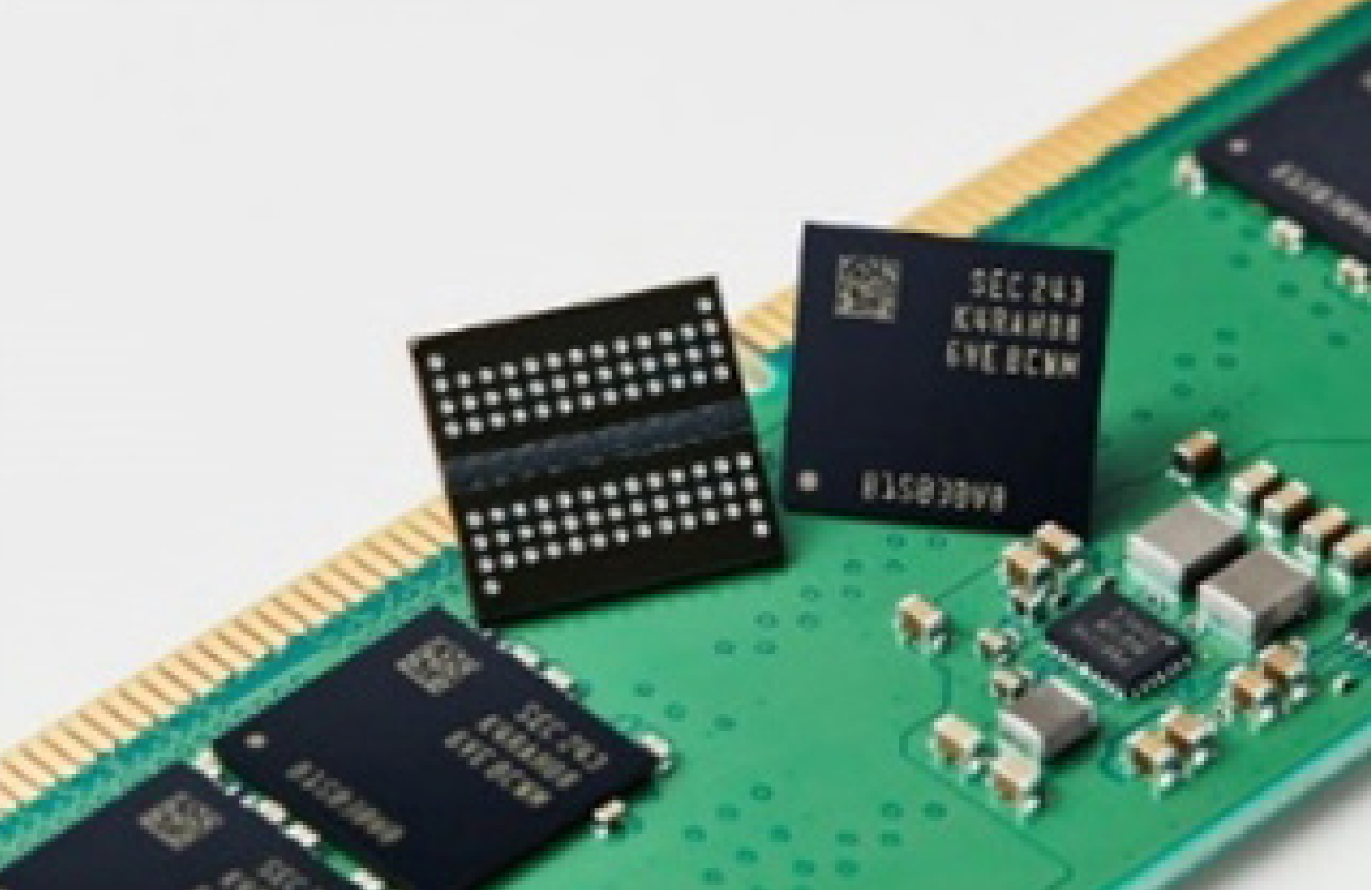
Samsung Electronics has regained the No. 1 position in the global DRAM market from SK Hynix in a year. This is because the company has recaptured competitiveness in the high-bandwidth memory (HBM) market, and related sales have increased due to rising prices of general-purpose DRAMS.
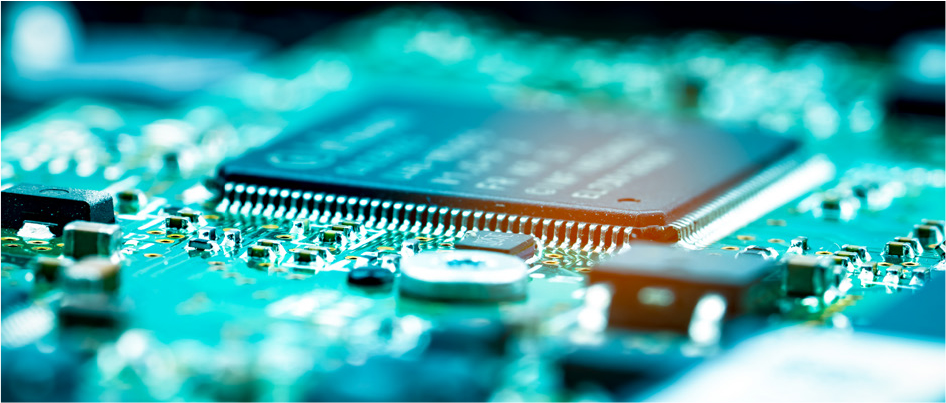
According to market research firm Omdia, the global DRAM market reached USD 52.47 billion (approximately KRW 76 trillion) in the fourth quarter of last year, representing a USD 12 billion (approximately KRW 17 trillion) increase from the previous year. The sharp rise in DRAM prices has significantly expanded the market size itself. Samsung Electronics’ DRAM sales increased by 40.6% from the previous quarter to a total of USD 19.156 billion (approximately KRW 27.7 trillion). Its market share rose 2.9% points to 36.6%, reaching the No. 1 position.
During the same period, SK Hynix’s DRAM sales increased 25.2% to USD 17.226 billion (approximately KRW 25 trillion), but its market share fell slightly from 34.1% to 32.9%, dropping to second place. After SK Hynix gained the 1st ranking in the HBM market in the first quarter of last year thanks to increased sales, the ranking returned to its original position a year later.
It was the first time in 33 years that the top rank in the DRAM market changed since Samsung Electronics won the global No. 1 ranking in 1992. Since then, SK Hynix has taken the top spot for three consecutive quarters, until the third quarter of 2025, based on Omdia data.
Samsung Electronics’ significant sales growth in the DRAM market is driven by the overall rise in general-purpose DRAM prices. According to Counterpoint, the prices of DRAM for servers in the fourth quarter of last year rose by 76% compared to the previous quarter, and are expected to rise 98% in the first quarter of this year as well. Samsung Electronics benefits more from rising DRAM prices because it produces much more general-purpose DRAMs than SK Hynix.
Samsung Electronics delivered HBM4 first, which will be supplied to NVIDIA this year, but SK Hynix is expected to gain the upper hand in overall supply. Samsung Electronics started supplying HBM4, capable of up to 13Gbps (13Gbps per second), in February.
SK Hynix is expected to begin supplying products in the first quarter. However, given its lead in production and yield, the market expects SK Hynix to take up approximately 50% of the total HBM4 supply, with Samsung Electronics accounting for 20%.
korean-electronics.com | Blog Magazine of korean electronics, brands and Goods



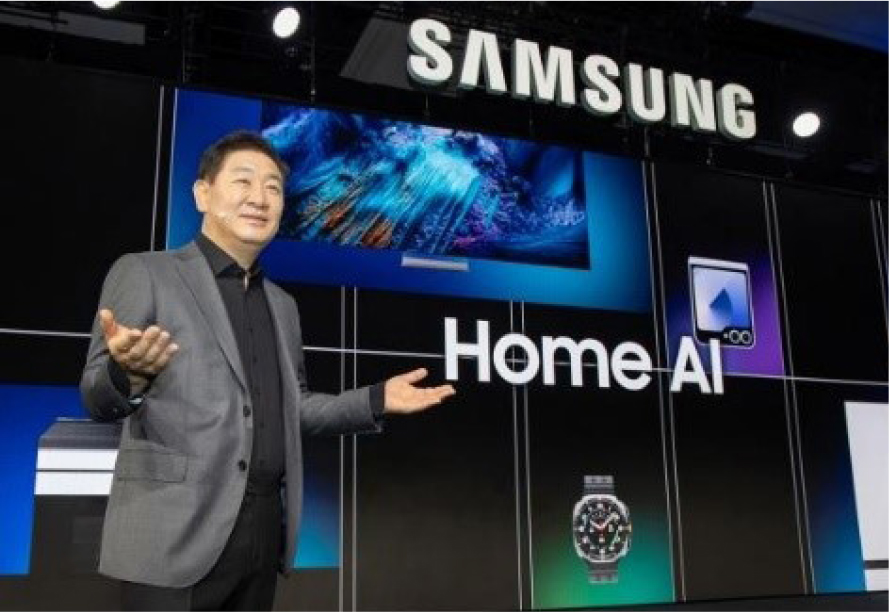

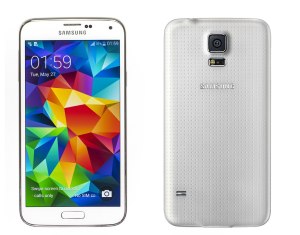 Samsung’s plan is based on the phenomenon that the premium smartphone market remains sluggish, such as the prolonged flagship model replacement cycle, while the demand for mid-range and low-end phones is growing, particularly in emerging markets. In addition, it seems that Samsung has a willingness to pre-empt the Chinese makers, such as Huawei, Xiaomi, Oppo, Vivo, etc., from expanding their positions in the market of mid-range and low-end phones.
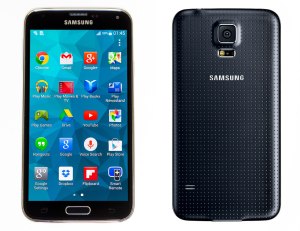 In addition to modifying its mid-range and low-end phone strategy, Samsung Electronics has also made clear its target customers. President Koh said, “The strategy organization for mid-range and low-end smartphones will have a positive impact on targeting the millennium generation (the generation born in the 1980s to early 2000s).
 CNBC and other foreign media evaluated that Samsung Electronics revised its mid-range and low-end phone strategy in order to cope with the sluggish global smartphone market.
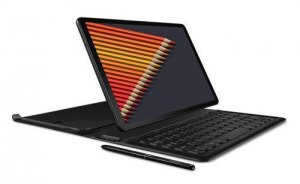 ‘Galaxy Tab S4’ of LTE and WI-FI will be released in black and gray colors. The price is differentiated depending on the embedded memory capacity: The domestic price of the LTE model is KRW 880,000 (embedded memory of 64 GB) and KRW 990,000 (embedded memory of 256GB), and WI-FI model is KRW 792,000 (embedded memory of 64GB) and KRW 891,000 (embedded memory of 256GB), respectively.

 Korean-Electronics.com